
Battle of the Nudes — History & Facts
No other Italian Renaissance print has sparked as much debate as Battle of the Nudes by Antonio del Pollaiuolo. Since its creation in the late fifteenth century, this dynamic engraving has puzzled art historians: who are these ten muscular men, and what exactly are they fighting for? The mystery is deepened by the fact that no preparatory drawings or contemporary records survive, and the artist himself left no clue as to the scene's meaning. Scholars continue to argue over whether the work depicts a mythological contest, a gladiatorial bout, or simply serves as a virtuoso display of the human form in action. At the heart of the composition, two nearly identical nude warriors lock eyes and clash swords, their bodies twisted in mirrored agony.
Around them, eight more men—some armed, some grappling hand-to-hand—fill the shallow stage, each frozen at the height of exertion. The careful rendering of tendons, veins, and straining muscles turns the entire scene into a study of anatomy and movement, a theme that fascinated Pollaiuolo and set him apart from his Florentine contemporaries. Unlike the idealized calm of Michelangelo’s later nudes or the narrative clarity of Botticelli, here the focus is on raw physical struggle, every gesture a testament to the artist’s anatomical knowledge. As an object, Battle of the Nudes is a rare survivor from the early days of printmaking in Italy.
Its large size and technical ambition suggest it was intended for collectors and connoisseurs, rather than for mass distribution. Over the centuries, impressions of the print have found their way into major collections across Europe and America, prized for both their rarity and their influence on later artists. The engraving stands as a landmark in Pollaiuolo’s career, embodying his fascination with the body in motion and his reputation as a pioneer of Renaissance art.
Today, original impressions can be seen in institutions such as the Cleveland Museum of Art and the Metropolitan Museum of Art, where they continue to inspire debate and admiration.
More Artworks by Antonio del Pollaiuolo

Martyrdom of Saint Sebastian
Antonio del Pollaiuolo
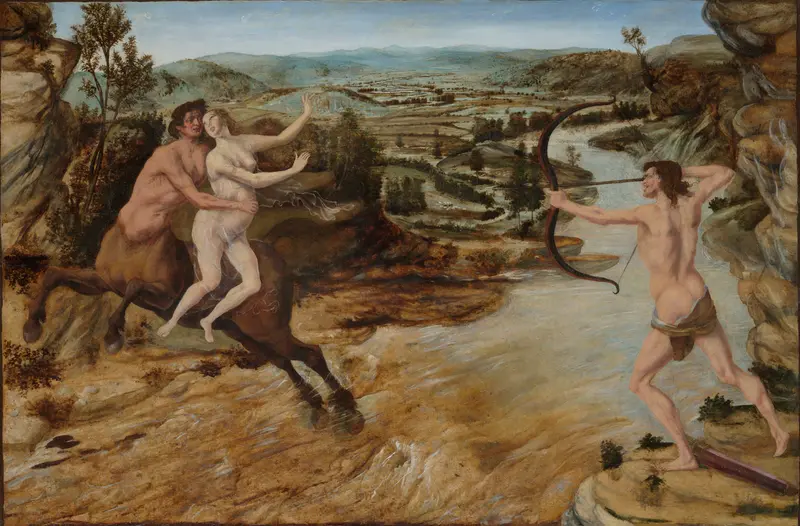
Hercules and Deianira
Antonio del Pollaiuolo
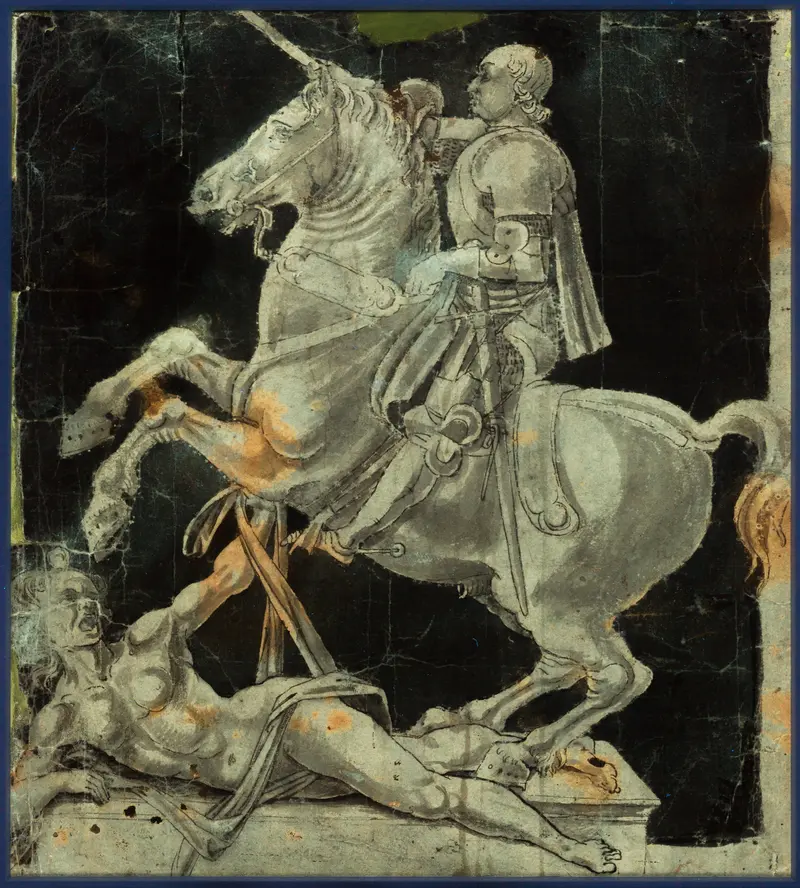
Study for the Equestrian Monument to Francesco Sforza
Antonio del Pollaiuolo
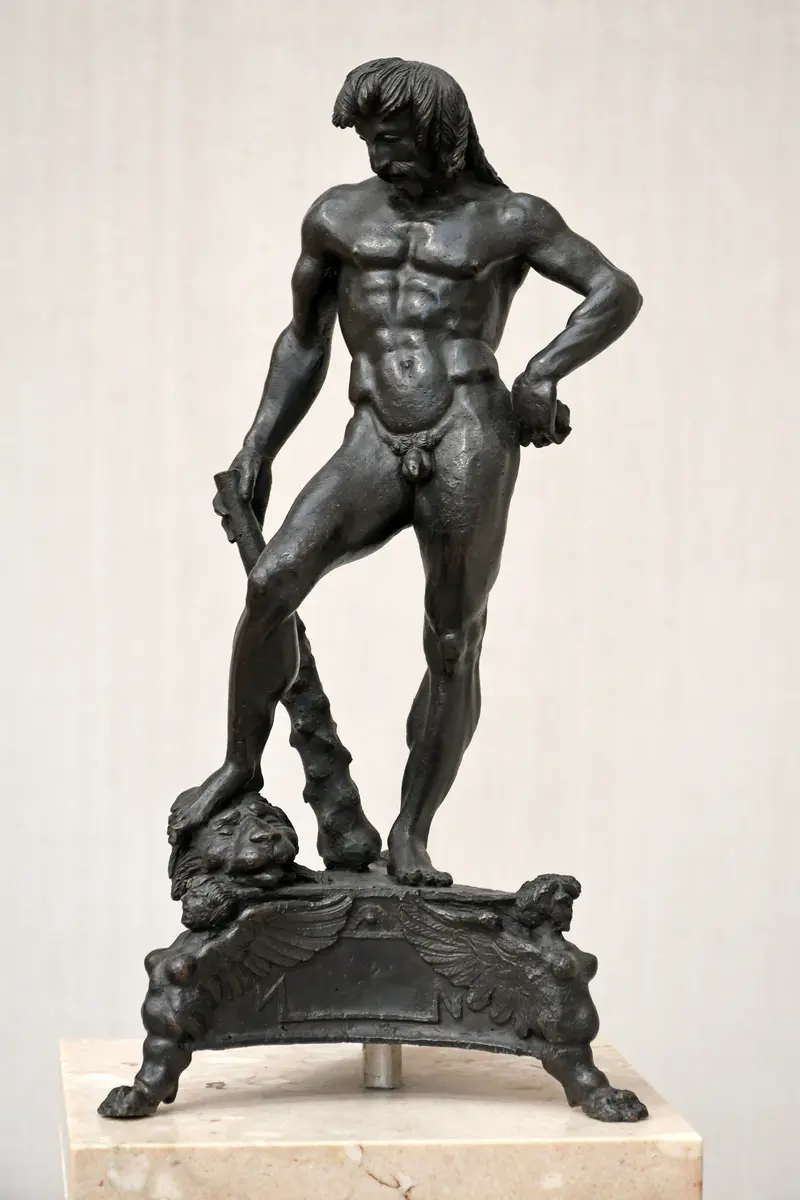
Heracles
Antonio del Pollaiuolo
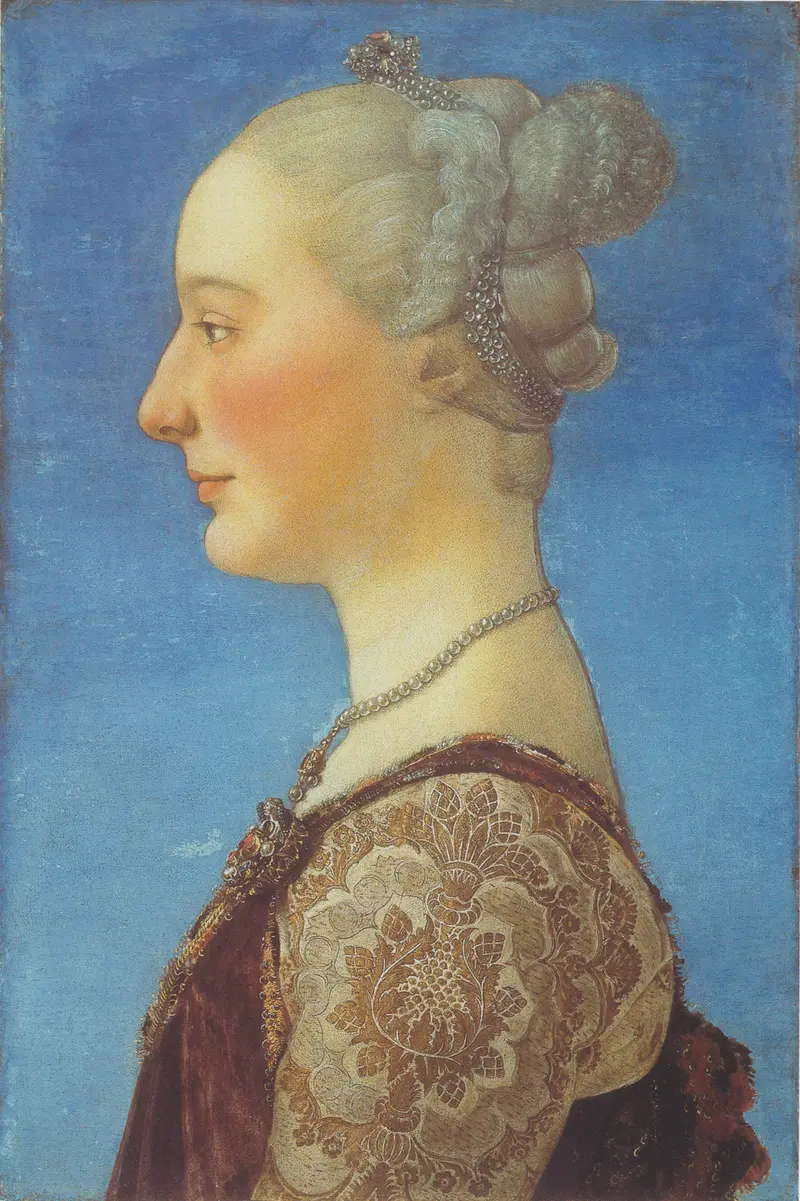
Portrait of a Lady
Antonio del Pollaiuolo
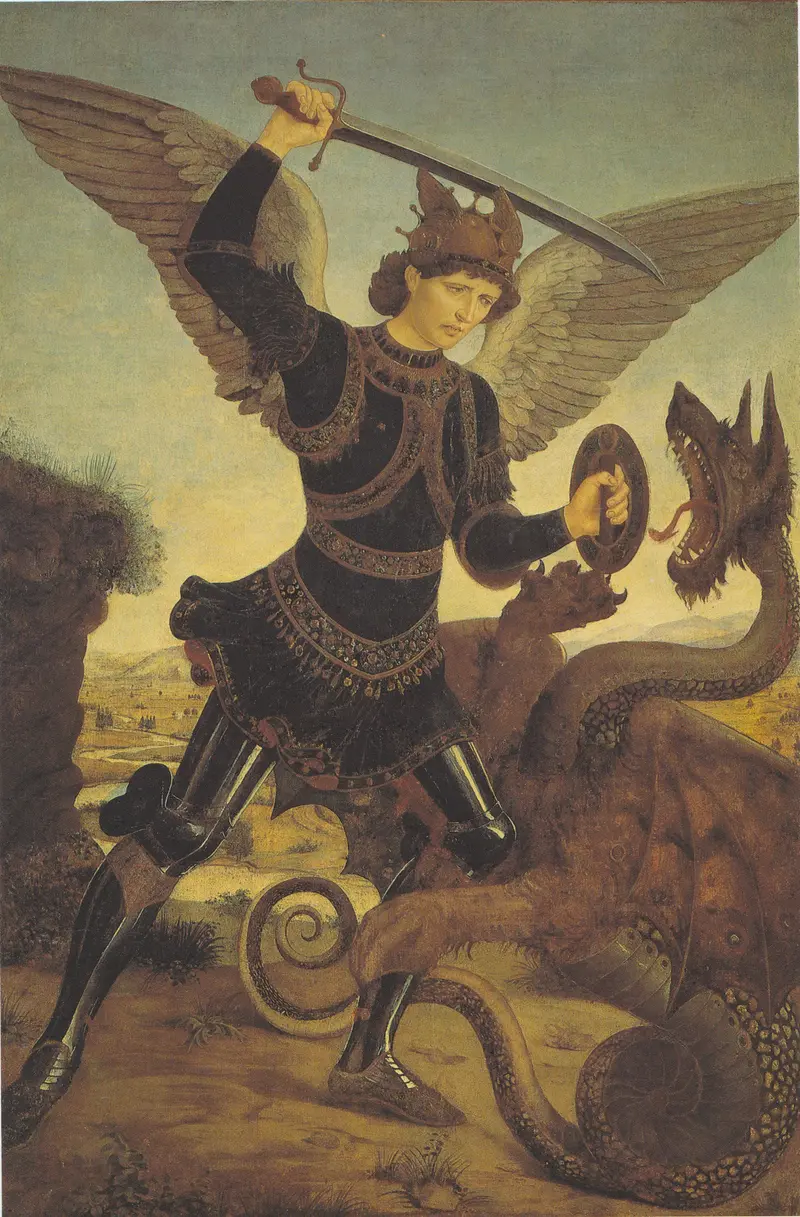
Archangel Michael and the dragon
Antonio del Pollaiuolo
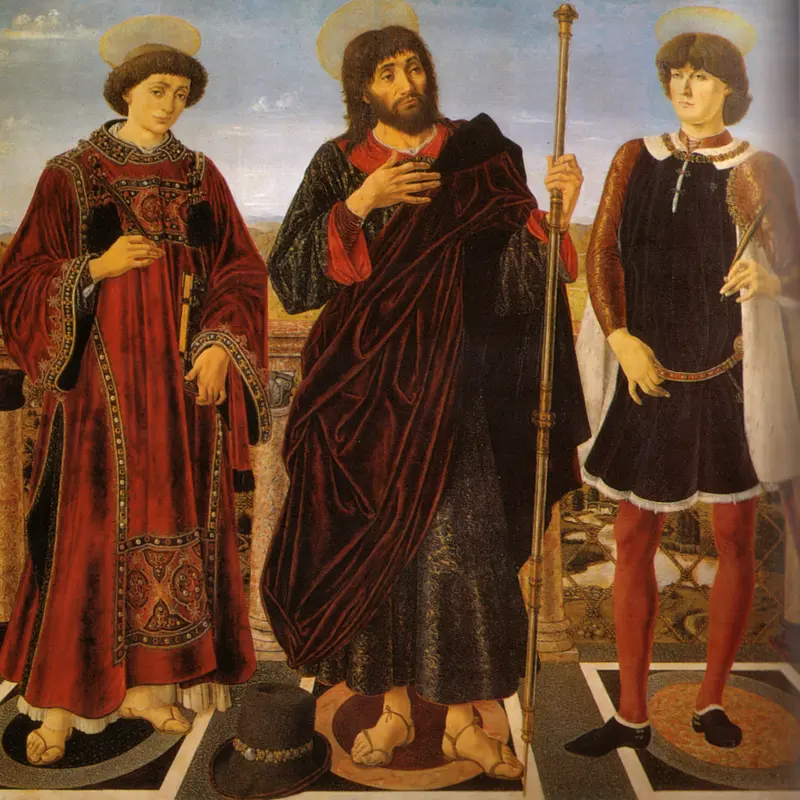
Cardinal of Portugal's Altarpiece
Antonio del Pollaiuolo
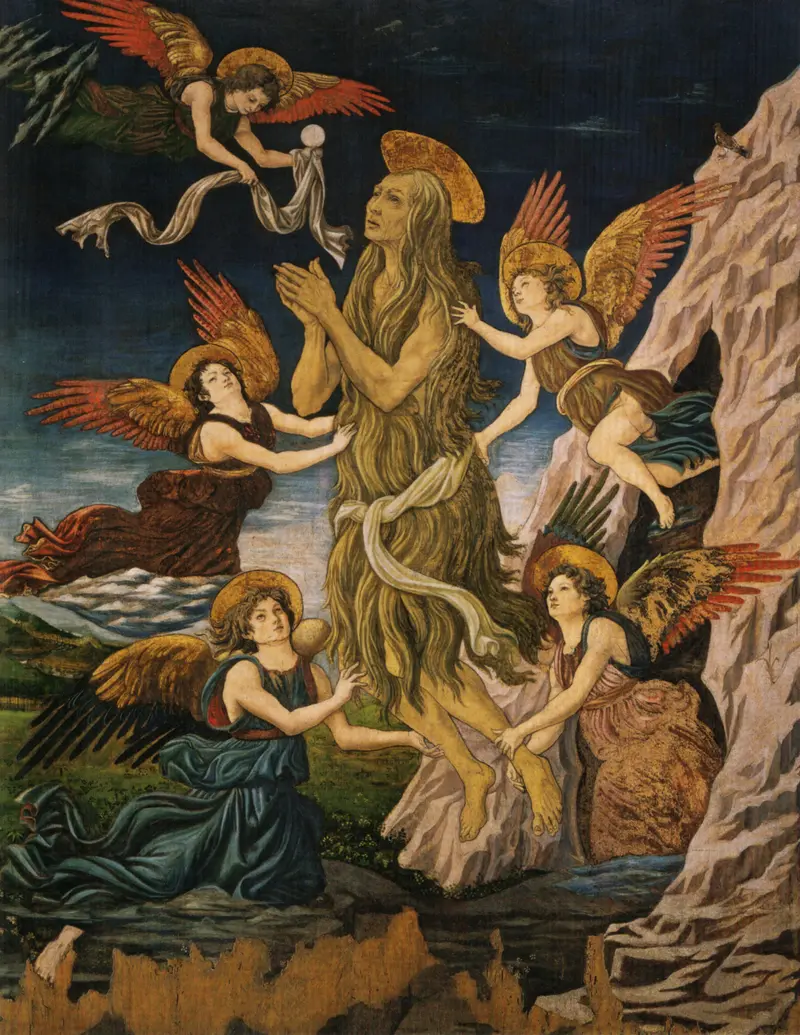
Elevation of the Magdalen
Antonio del Pollaiuolo
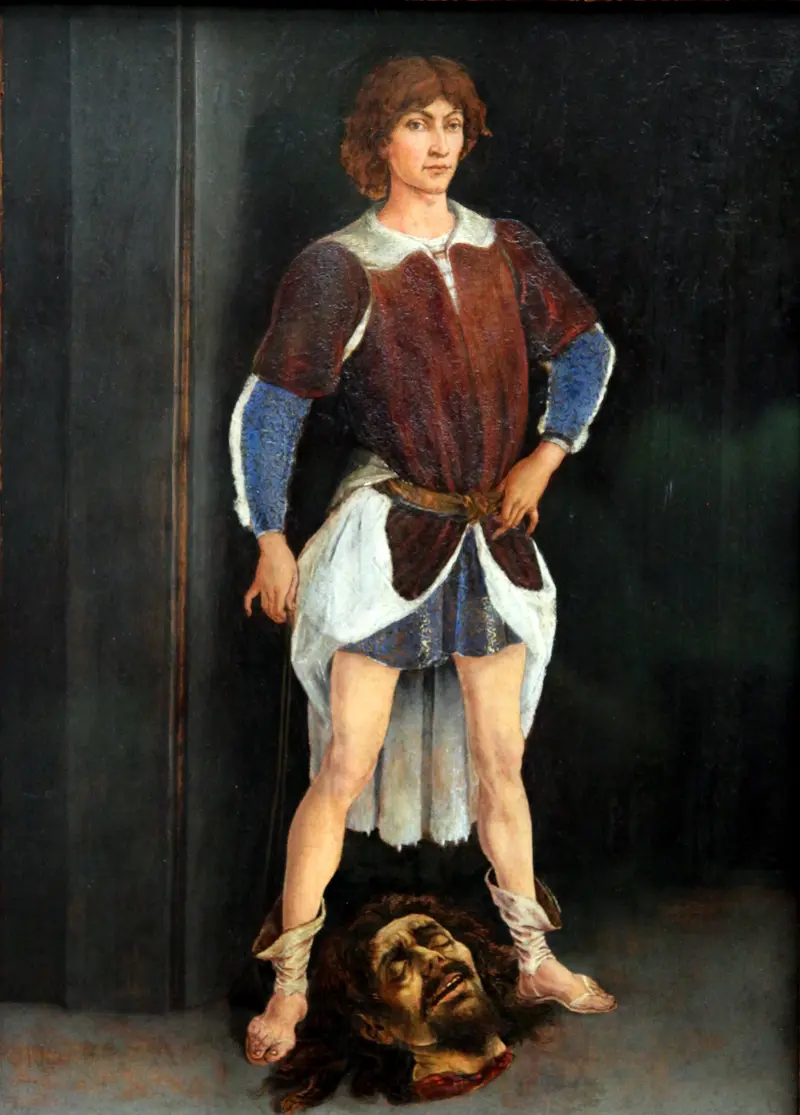
David Victorious
Antonio del Pollaiuolo



