
Portrait of a Lady — History & Facts
What first draws the eye in Portrait of a Lady is the way light seems to caress the figure, turning her into both subject and atmosphere. The woman’s dress, a cascade of pale pinks and whites, dissolves at its edges into the surrounding air, as if she might step forward and vanish. Her glance is turned away, lost in thought or perhaps in anticipation, while her hands clutch a letter—an object that hints at secrets or longing.
The background, a wash of cool greens and shadow, frames her isolation and heightens the sense of a private moment observed from afar. Works like this, from the hand of Francisco Pradilla, belong to a tradition where portraiture became a stage for both social display and psychological nuance. In the late nineteenth century, Spanish artists were experimenting with looser brushwork and the play of light, influenced by French Impressionism but grounded in their own realist heritage. Such portraits were often commissioned to commemorate a young woman’s coming of age or to capture the fleeting grace of a season.
The date of this particular painting remains unknown, and history has kept few traces of its journey, but it now resides in the records of Christie’s, a reminder of how these images once moved between private salons and the wider world. Look again at the lady’s downcast eyes and the letter in her hands—what stories might have passed, unspoken, in that luminous pause?
More Artworks by Francisco Pradilla

Spring Mist in Italy
Francisco Pradilla
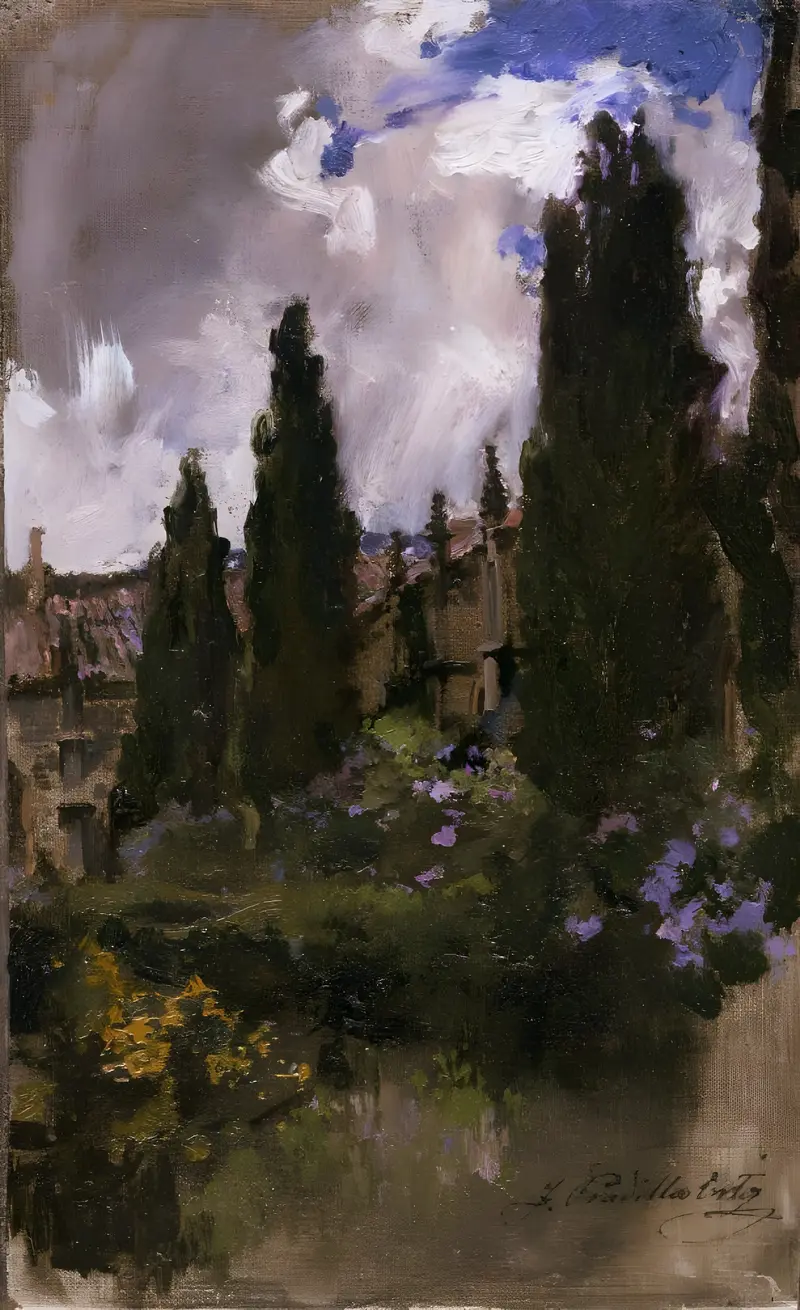
Among the Bulls of Guisando
Francisco Pradilla
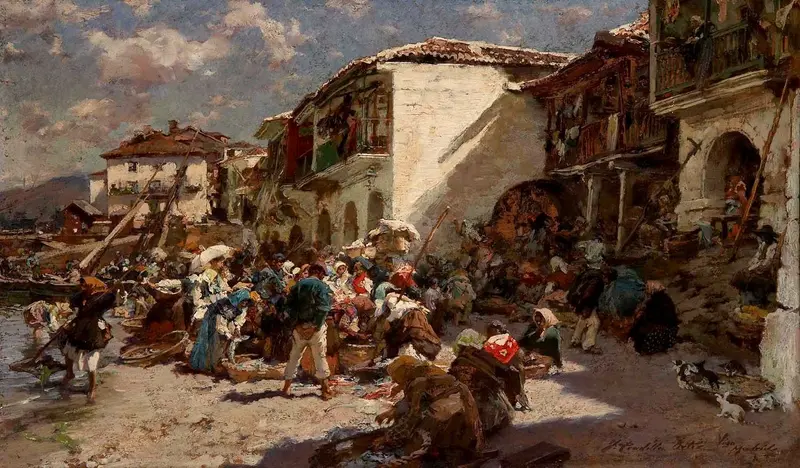
Selling Fish on Vigo Beach
Francisco Pradilla
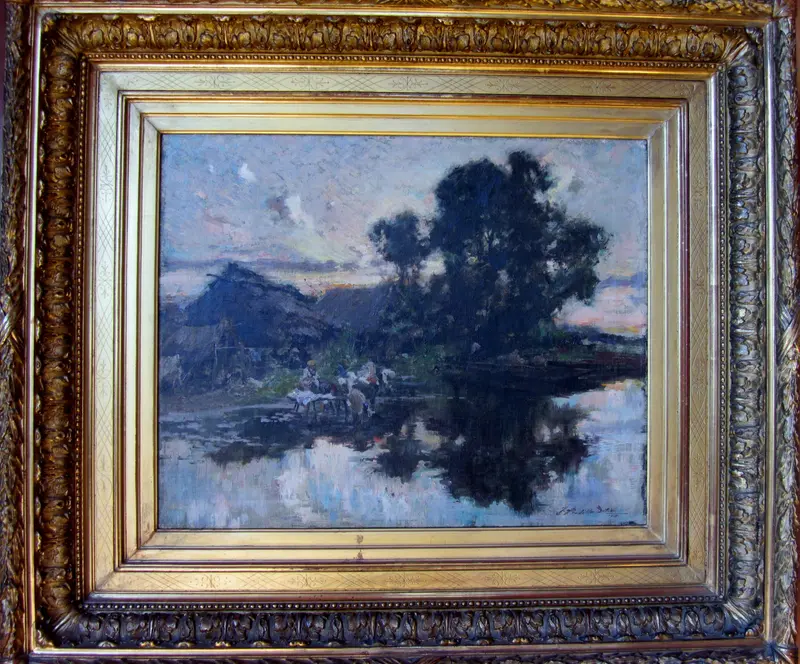
On the Riverbank
Francisco Pradilla

Raimunda Osorio, Marchioness of Linares
Francisco Pradilla
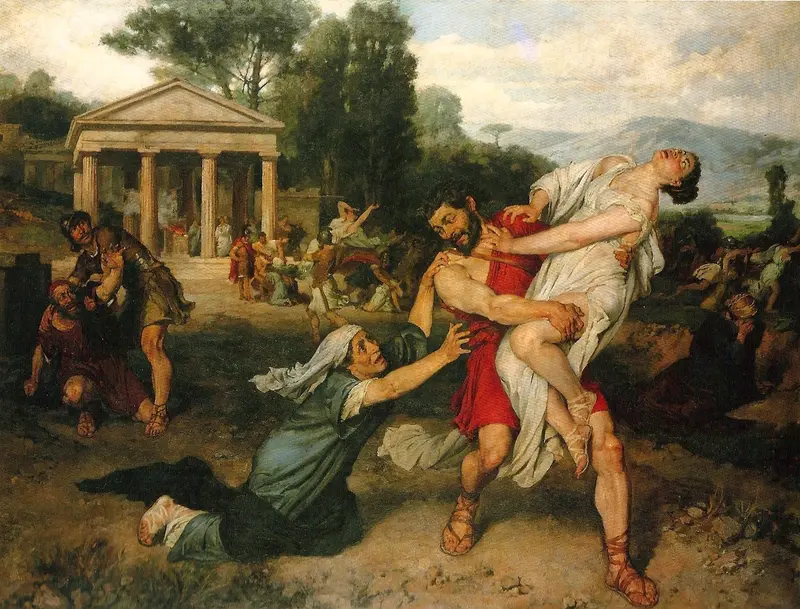
The Rape of the Sabine Women
Francisco Pradilla
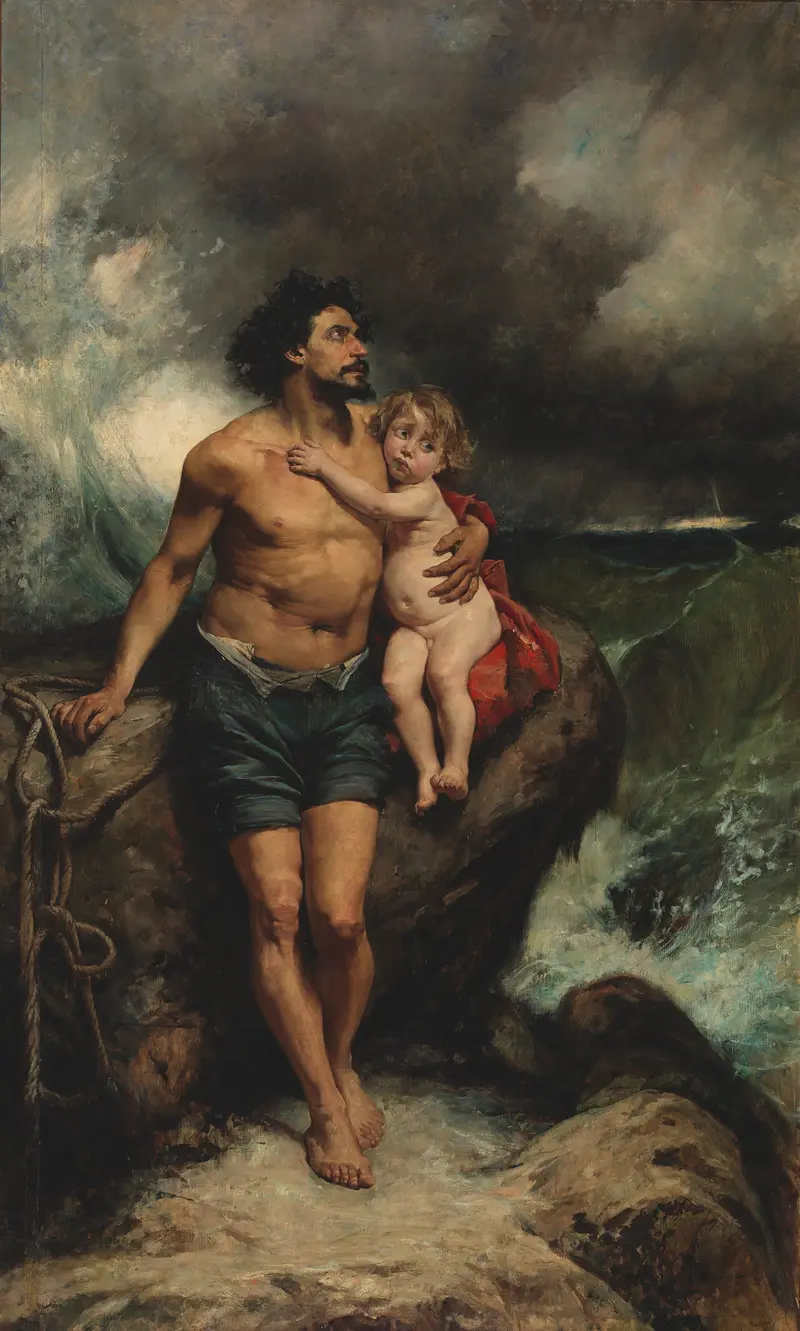
The Shipwrecked
Francisco Pradilla
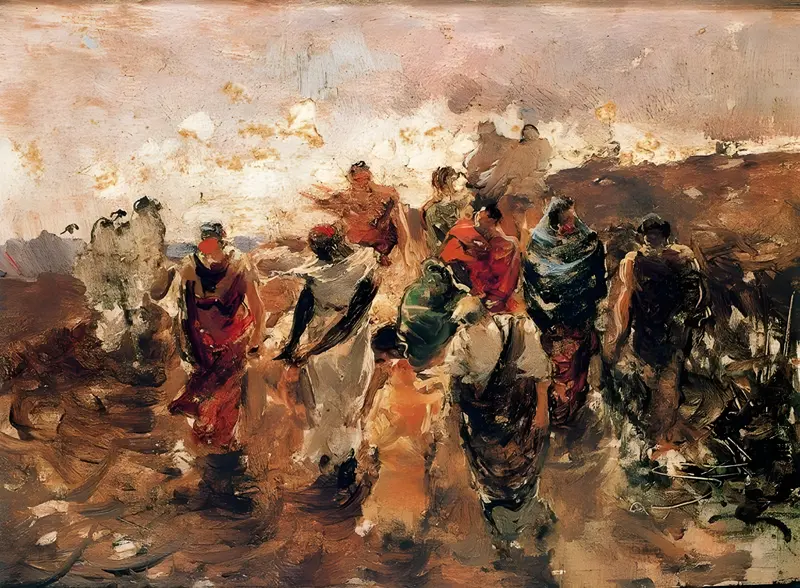
Impression
Francisco Pradilla
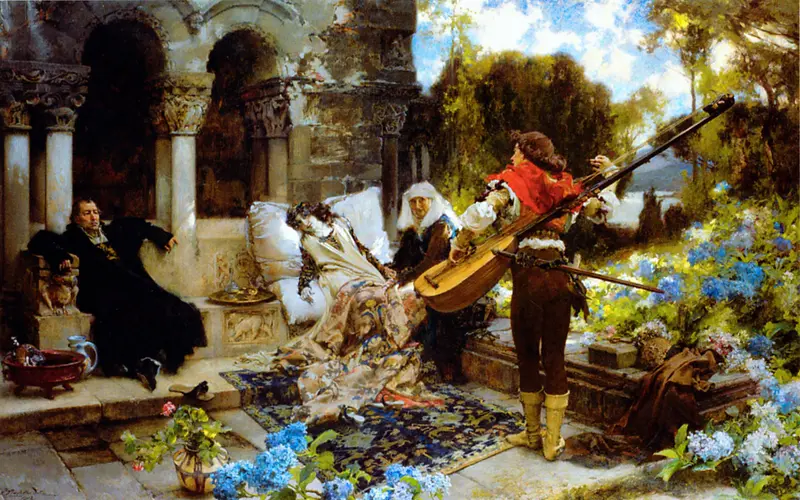
Lovesickness
Francisco Pradilla
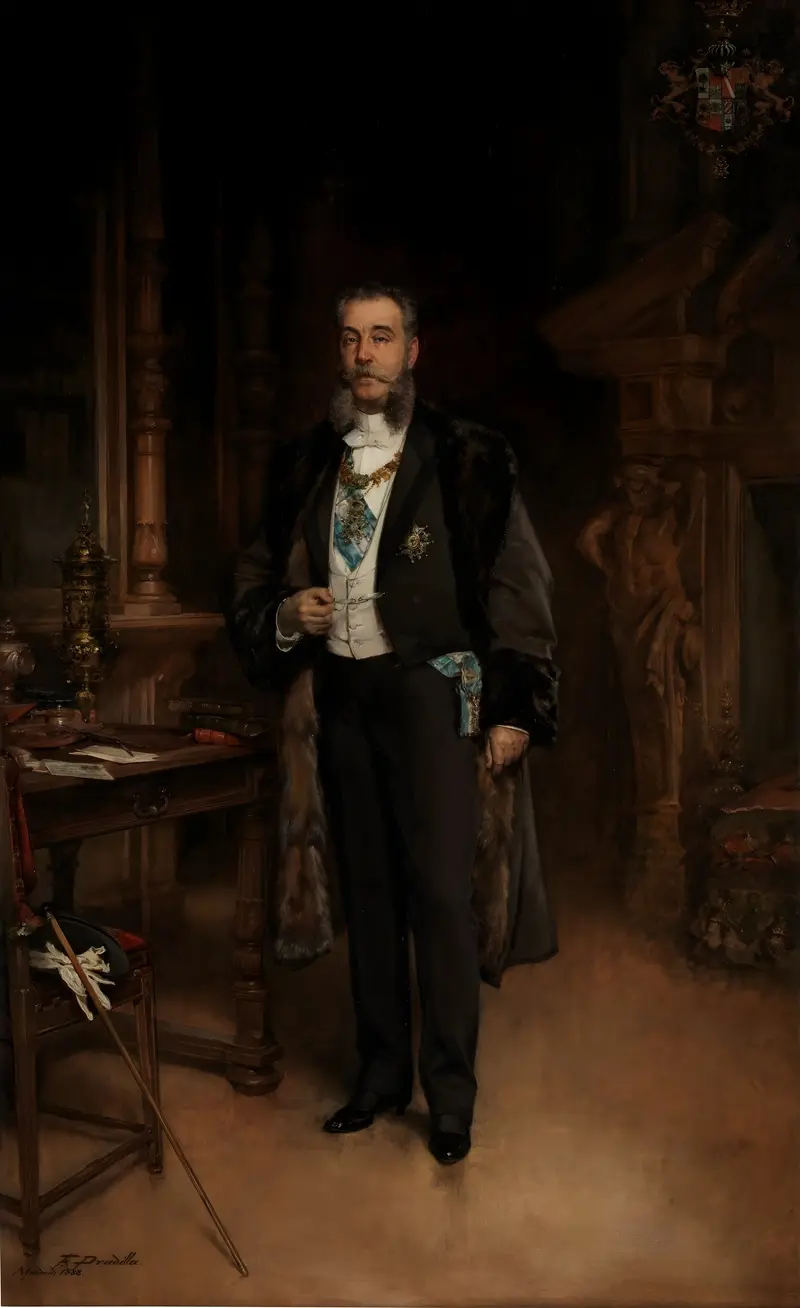
José María de Murga, Marquis of Linares
Francisco Pradilla





