
Portrait of a Lady — History & Facts
When Portrait of a Lady was first exhibited in Paris in 1865, critics were startled to see Gustave Doré—then celebrated for his illustrations—venture so boldly into the world of portraiture. Known primarily for his dramatic engravings of Dante’s Inferno and Don Quixote, Doré’s foray into painted portraiture was unexpected, and some contemporaries wondered aloud whether the artist could capture living presence as vividly as he conjured literary phantoms. The sitter’s identity remains a mystery, fueling speculation among scholars: was she a Parisian socialite, a patron, or simply an idealized figure? The uncertainty has only added to the painting’s allure over the decades. Doré’s subject sits poised, her gaze steady and direct, framed by a cascade of dark hair and the shimmer of a modest yet elegant dress.
A single chain at her throat, rendered with Doré’s characteristic precision, hints at both restraint and refinement. The background recedes into shadow, drawing the viewer’s attention to the interplay of light across her face—an effect reminiscent of Ingres, yet with a psychological intensity more akin to Courbet. Her hands, folded in her lap, suggest composure, but the faint tension in her fingers betrays an inner life.
Doré’s choice to capture her at this moment—neither smiling nor withdrawn—invites viewers to ponder her thoughts, her story, and the world she inhabits. The physical history of Portrait of a Lady is as enigmatic as its sitter. The painting’s medium remains uncertain, as does its early provenance; no commission records or early exhibition catalogues have surfaced. For much of the twentieth century, the work was attributed to a follower of Doré, until technical analysis of the brushwork and underdrawing confirmed his hand.
Today, it is recognized as a rare example of Doré’s painted portraits and is held in a private collection, occasionally loaned to exhibitions exploring the breadth of his artistic career. The painting stands as a testament to Doré’s restless creativity and his ability to move between worlds—illustration and painting, fantasy and reality.
More Artworks by Gustave Doré

The Deluge
Gustave Doré
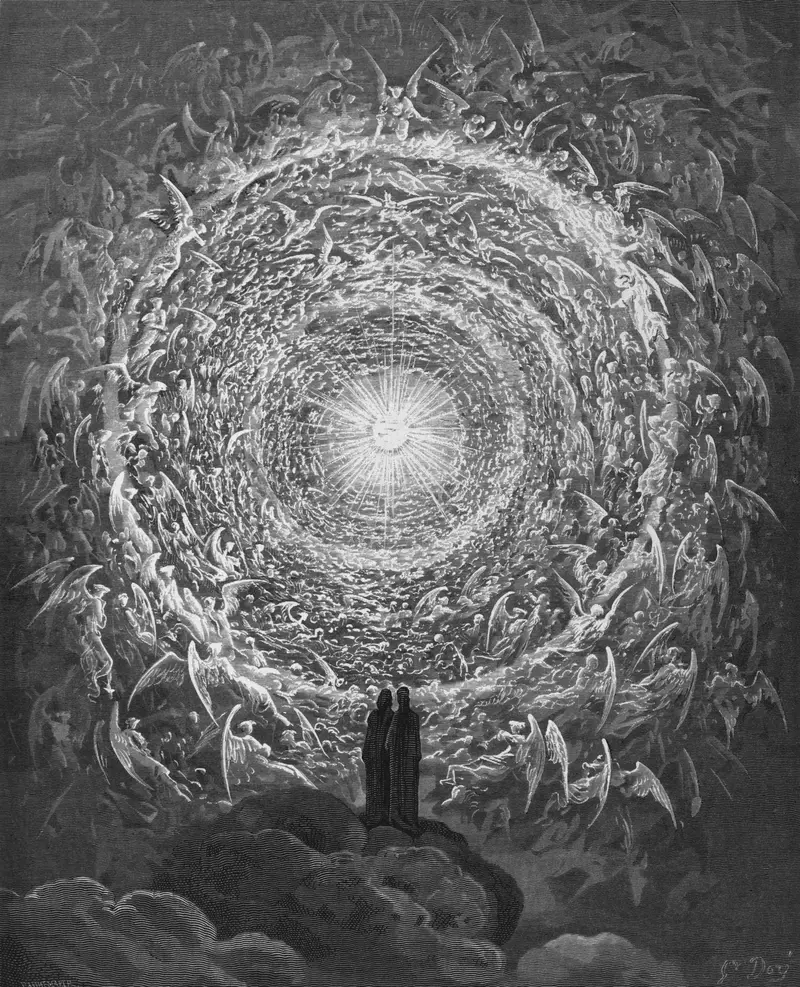
The Empyrean (Paradiso, Canto 31)
Gustave Doré
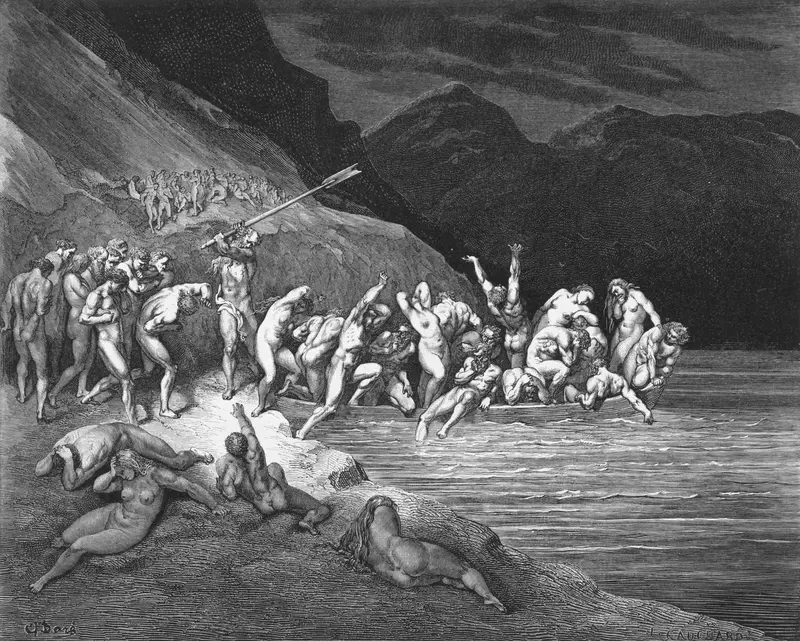
Charon (Inferno, Canto 3)
Gustave Doré
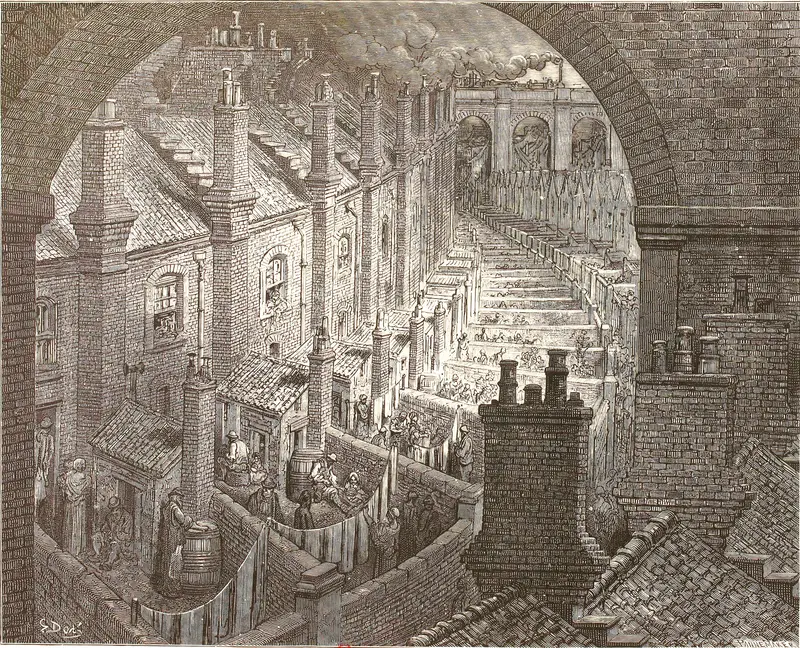
Over London by Rail
Gustave Doré
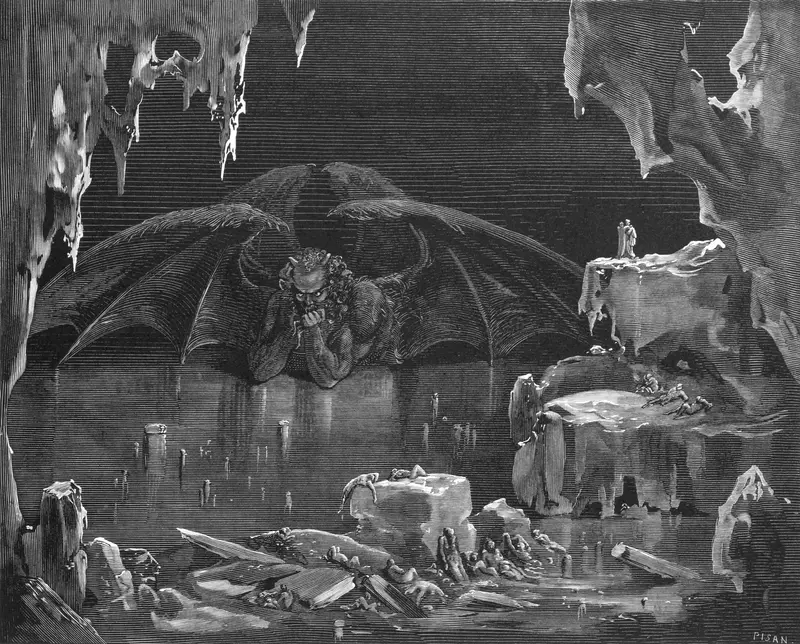
Lucifer, King of Hell
Gustave Doré
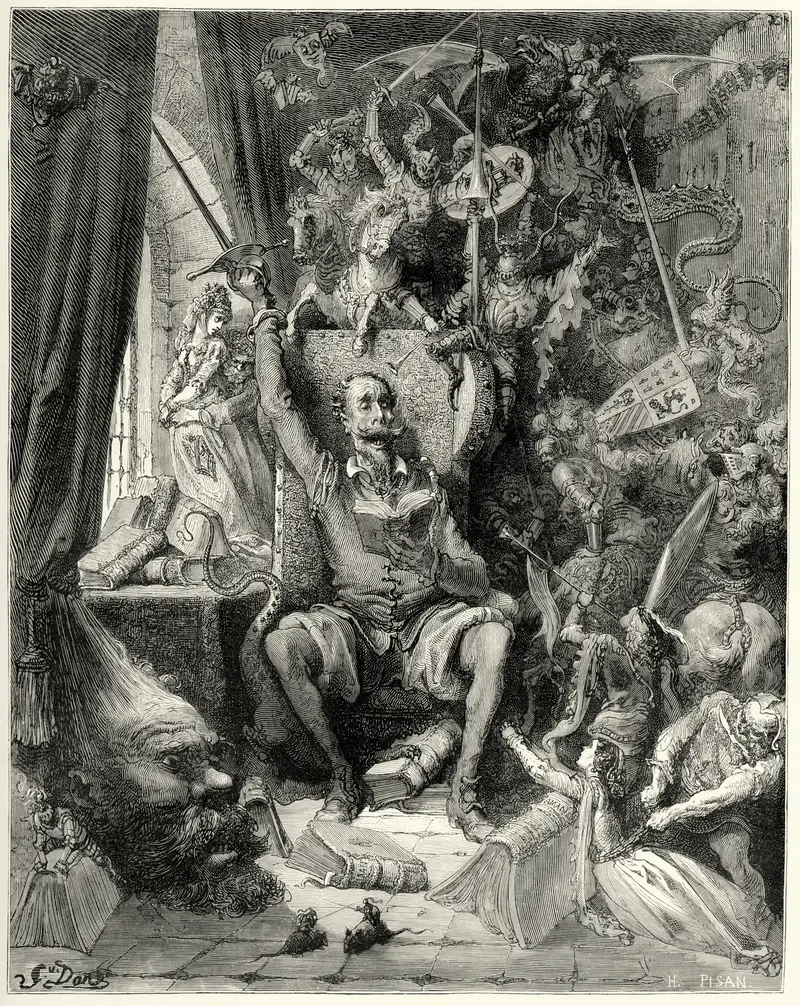
Don Quixote in His Library
Gustave Doré
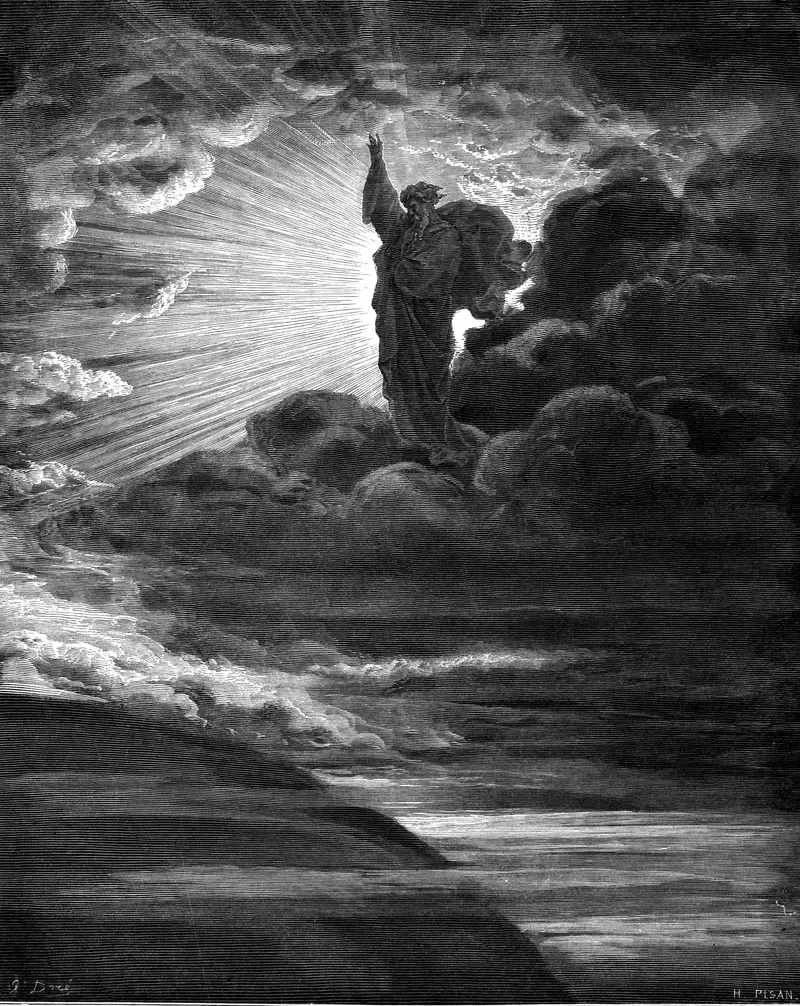
The Creation of Light
Gustave Doré
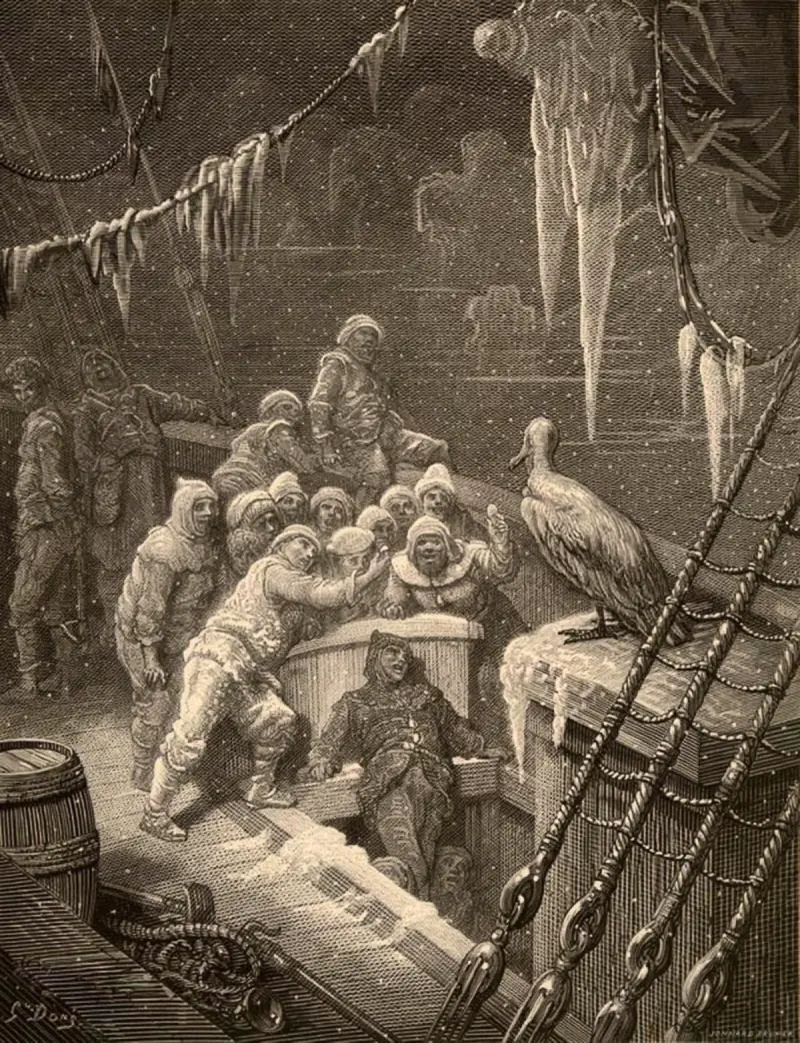
The Albatross (The Rime of the Ancient Mariner)
Gustave Doré
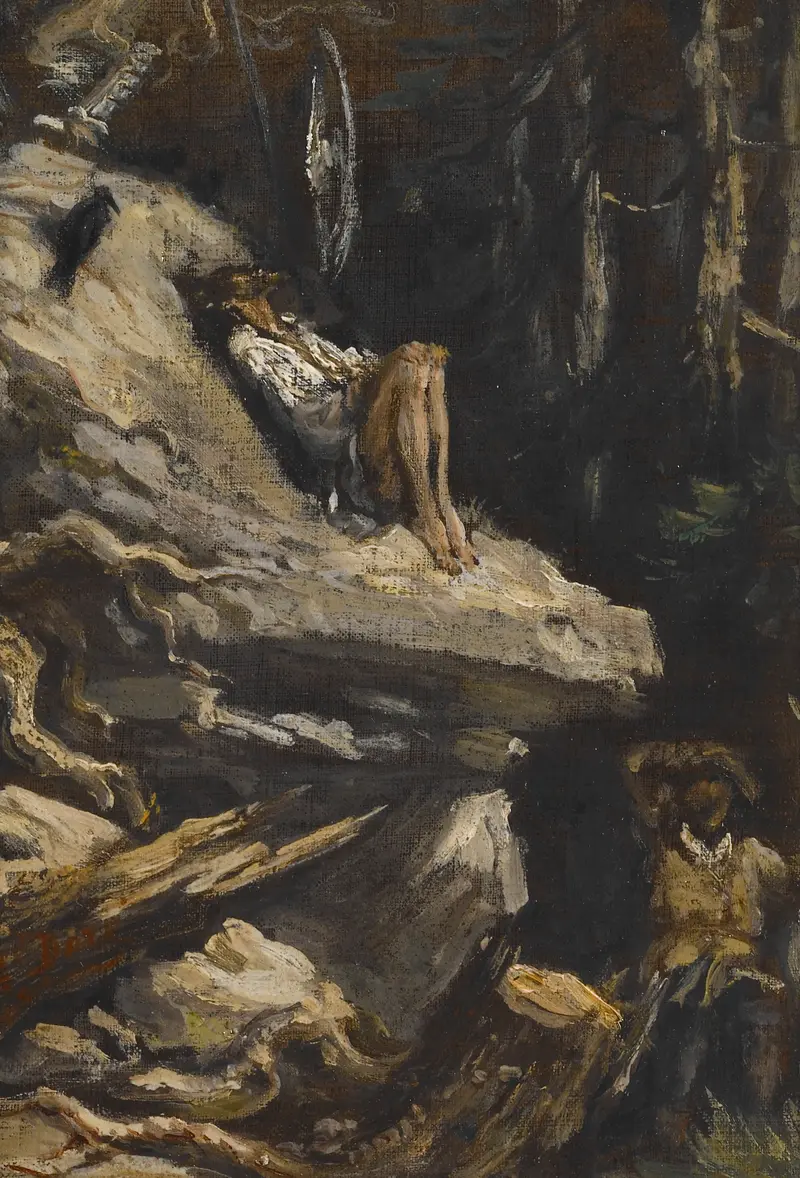
"'Alas!' answered Sancho, 'I found him in his shirt, lean, pale, and almost starved, sighing for his Lady Dulcinea'" from Don Quixote
Gustave Doré
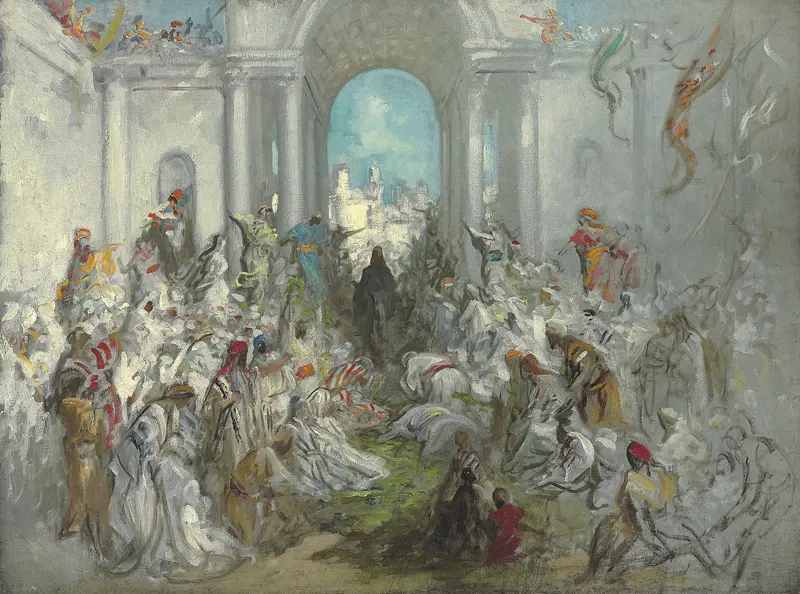
Christ's Entry into Jerusalem
Gustave Doré





