
Portrait of a lady, half-length, with a dog — History & Facts
It is the gaze that first draws you in—a look both reserved and quietly assured, framed by the cool shadows of a northern forest and the pale linen of a headdress. The lady’s hands, pale against the deep red of her sleeves, cradle a small, long-haired dog whose silvery fur echoes the delicate lace at her neckline. Every detail is rendered with a patient care: the gold chain and jeweled pendant resting at her breast, the soft folds of her veil, the precise articulation of each finger.
The landscape behind her, with its castle and winding path, hints at a life beyond the sitter’s poise, yet the world seems to pause for this moment of stillness. Light falls gently across her face, lending her an air of contemplation, as if she is weighing a thought just out of reach. Works like this, produced in the early sixteenth century in the Low Countries, were often commissioned to mark alliances, marriages, or the status of a rising merchant class. The period between 1520 and 1530, when Adriaen Isenbrant painted this portrait, was a time of both tradition and quiet innovation: artists lavished attention on the textures of fabric and flesh, yet also began to explore the individuality of their sitters.
The inclusion of the dog—a symbol of fidelity and gentle companionship—signals both the sitter’s wealth and her virtues, while the elaborate pendant and rings speak to her family’s aspirations. Though history has kept few traces of this particular lady, her presence endures in the careful balance of intimacy and distance that defines the portrait. Look again at her expression; it is as if she is waiting for you to ask her story.
More Artworks by Adriaen Isenbrant
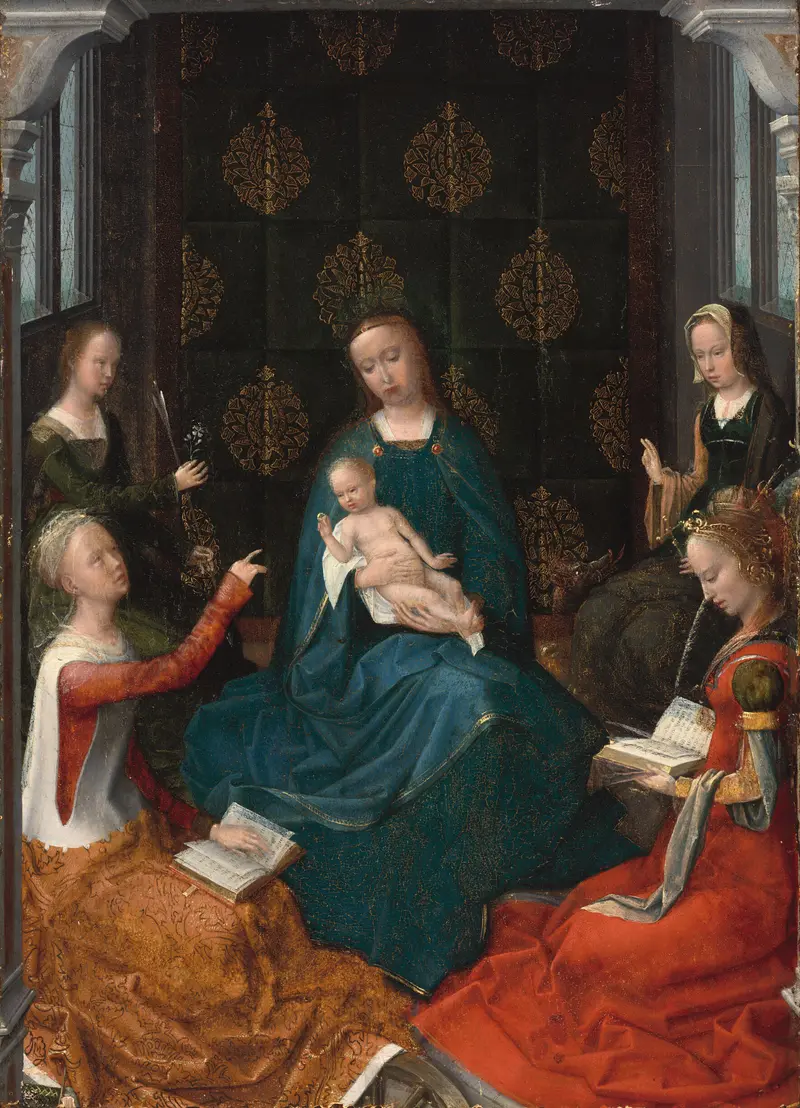
The Mystic Marriage of Saint Catherine of Alexandria with Three Female Saints: Ursula, Margaret of Antioch, and an Unidentified Martyr
Adriaen Isenbrant
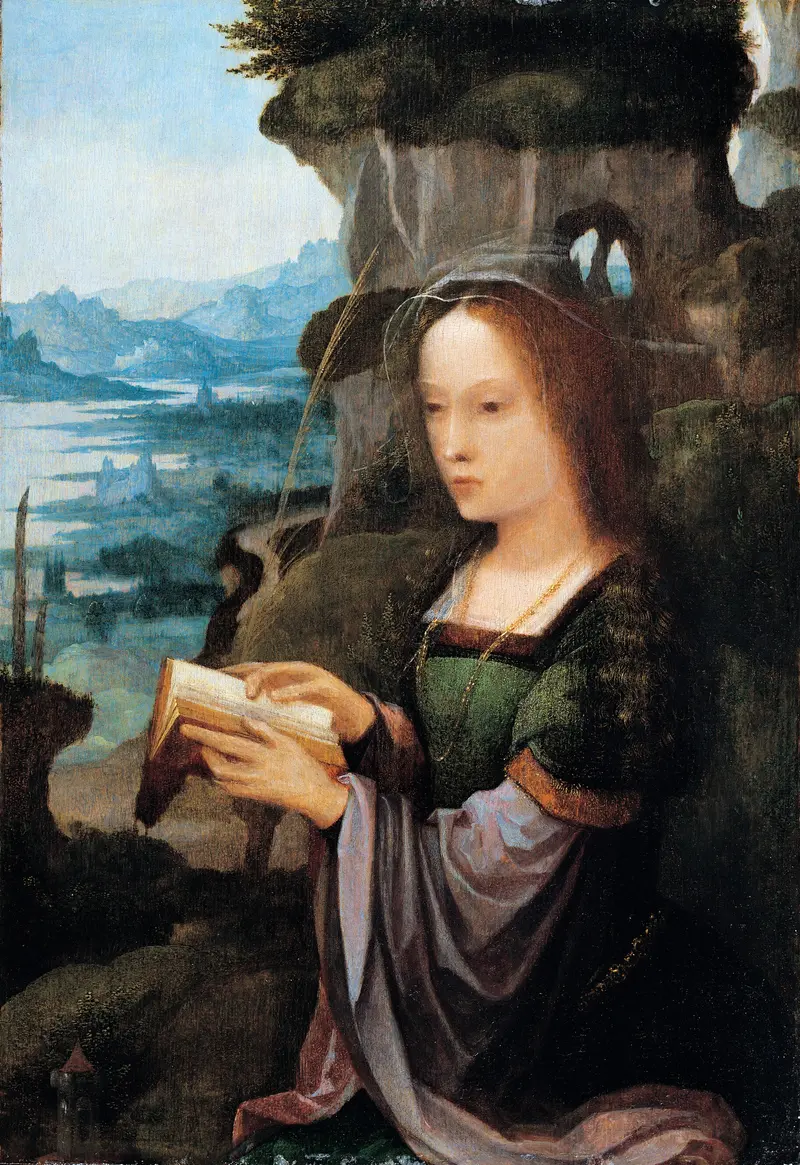
Saint Barbara
Adriaen Isenbrant
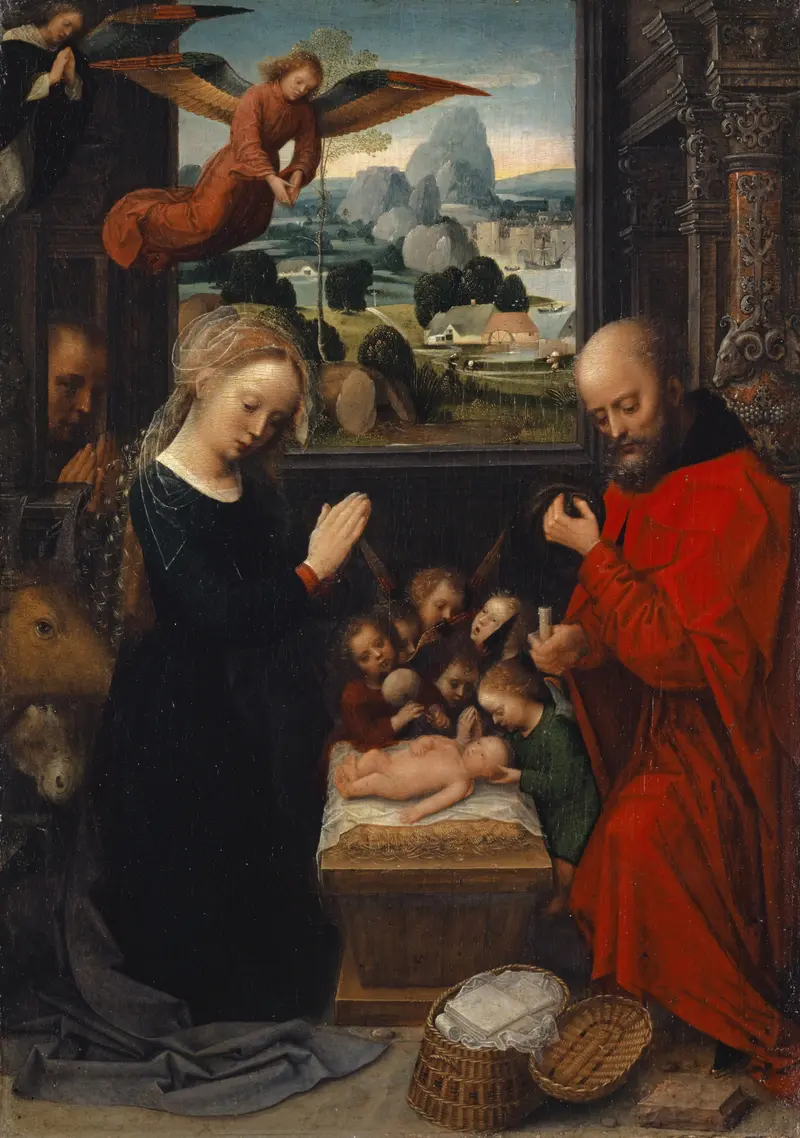
The Nativity
Adriaen Isenbrant
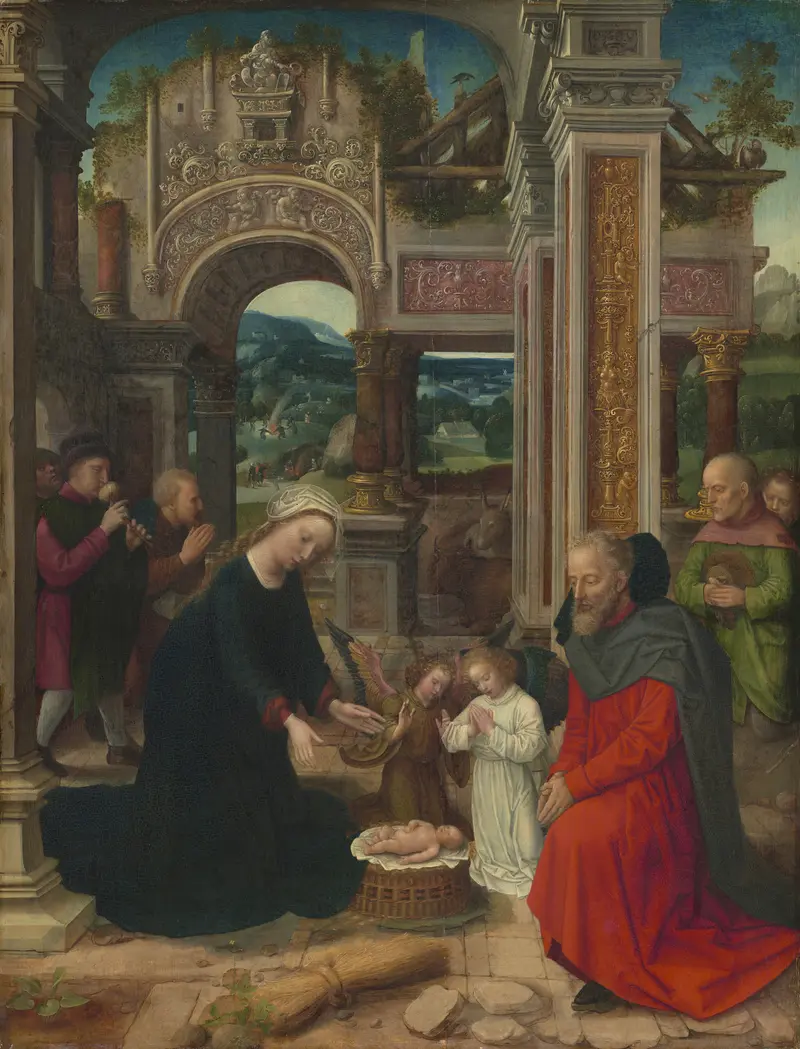
The Adoration of the Shepherds
Adriaen Isenbrant
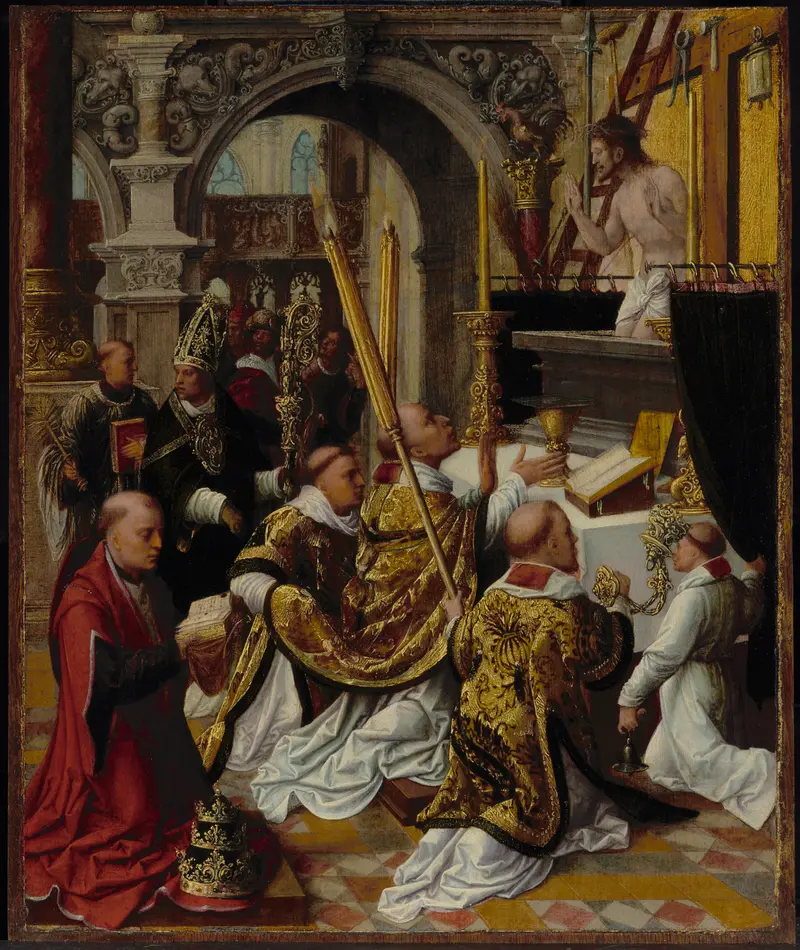
The Mass of Saint Gregory the Great
Adriaen Isenbrant
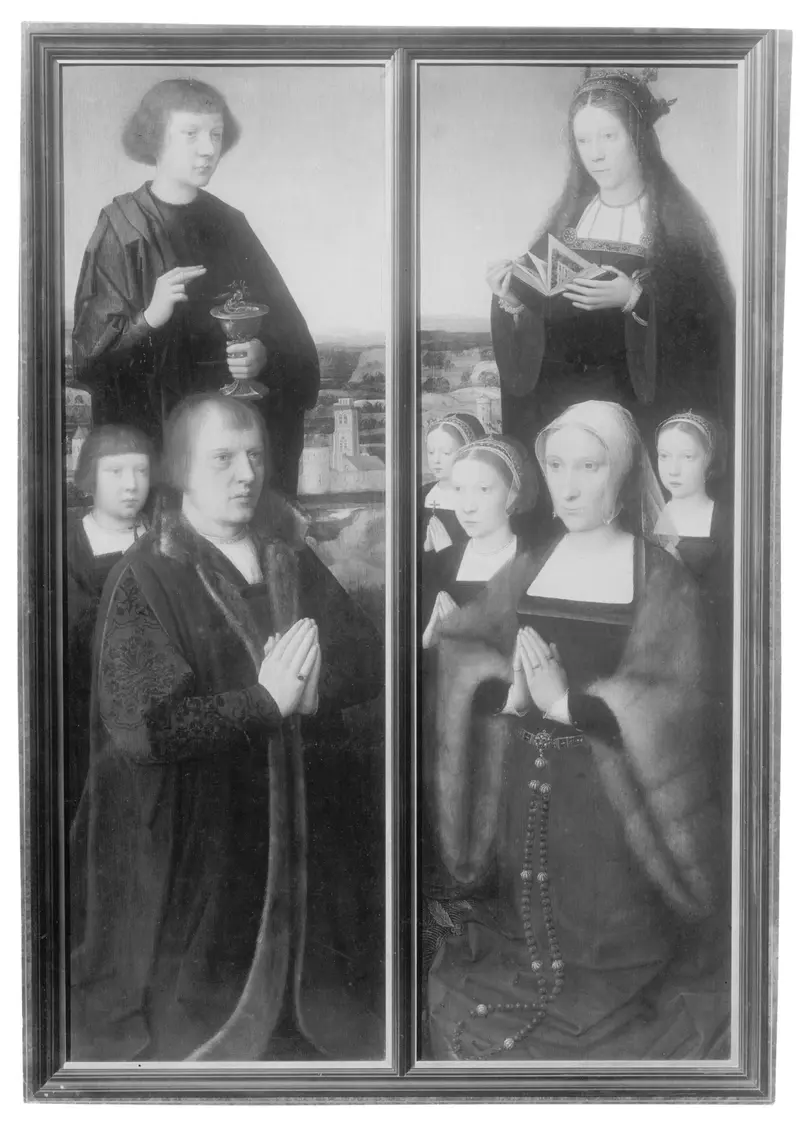
Wings of a polyptych with donors -Man with son and Saint, Woman with daughters and Saint (burned)
Adriaen Isenbrant
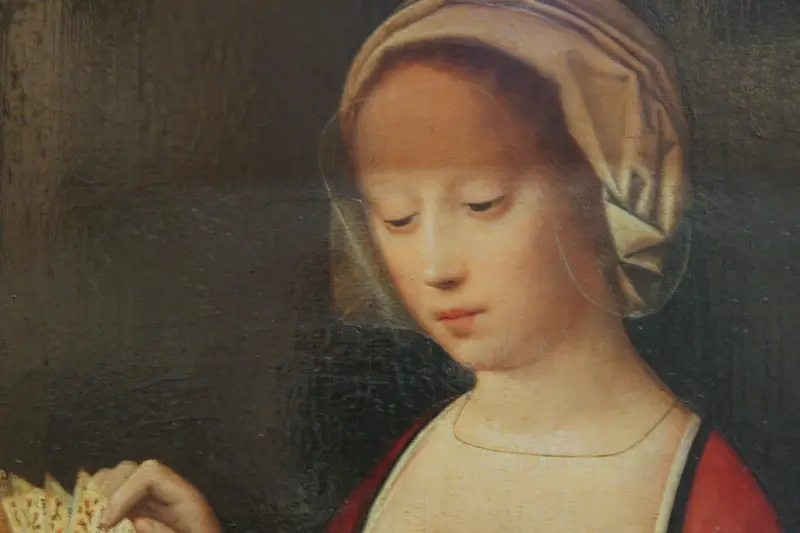
Mary Magdalene Reading
Adriaen Isenbrant
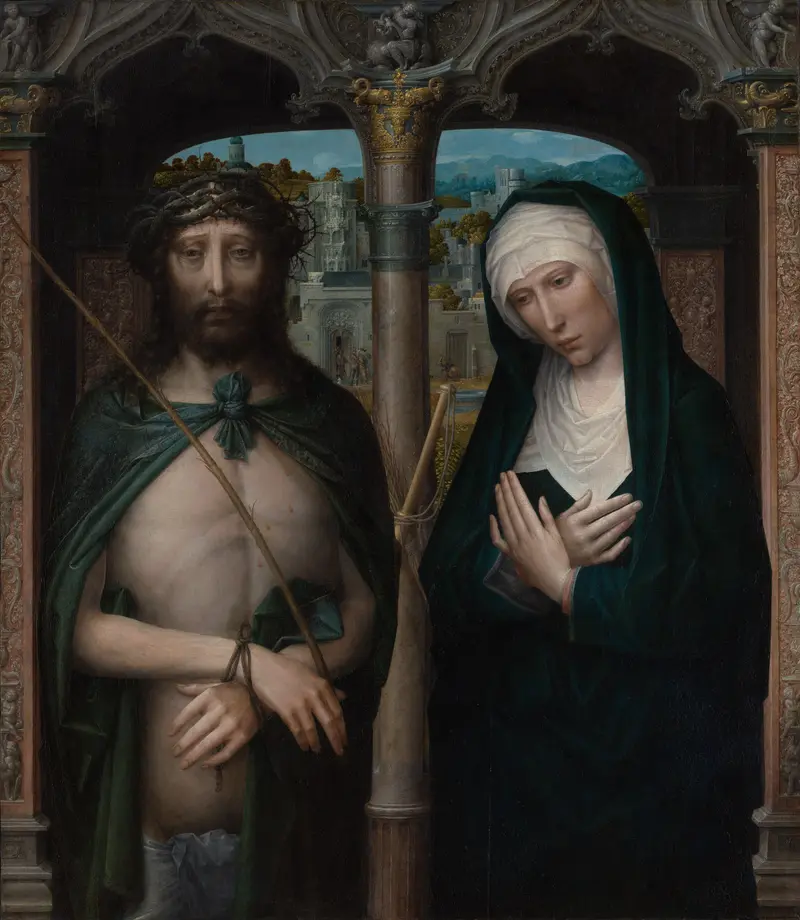
Christ Crowned with Thorns (Ecce Homo), and the Mourning Virgin
Adriaen Isenbrant
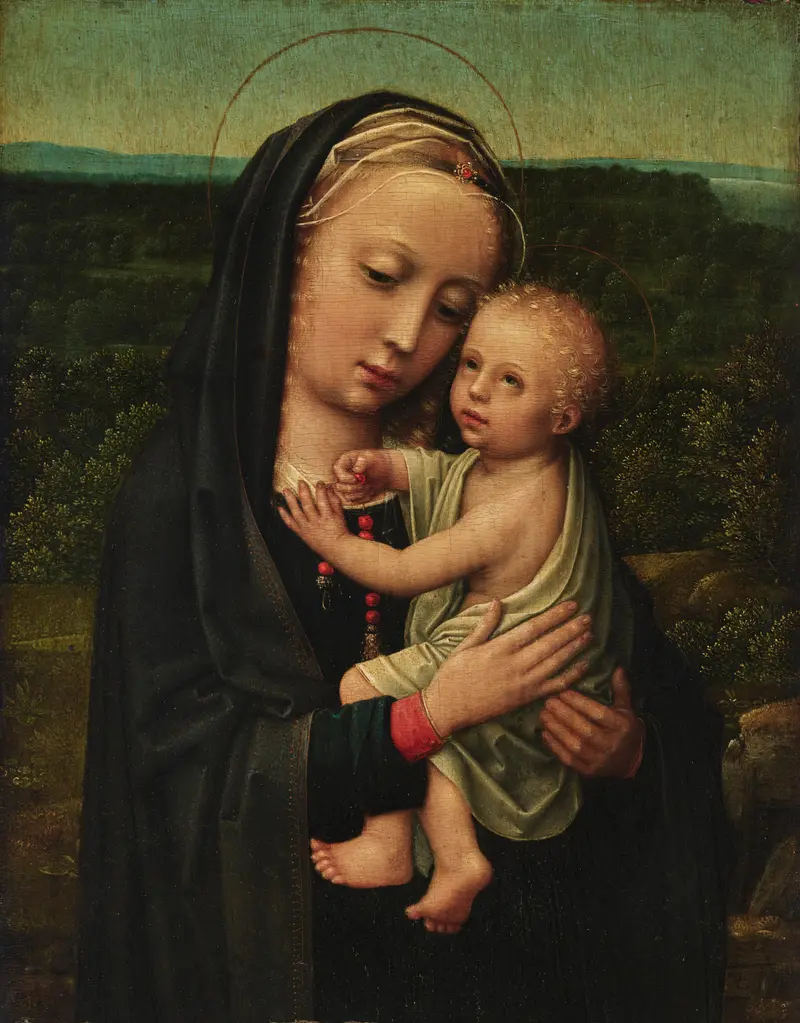
Madonna and Child
Adriaen Isenbrant
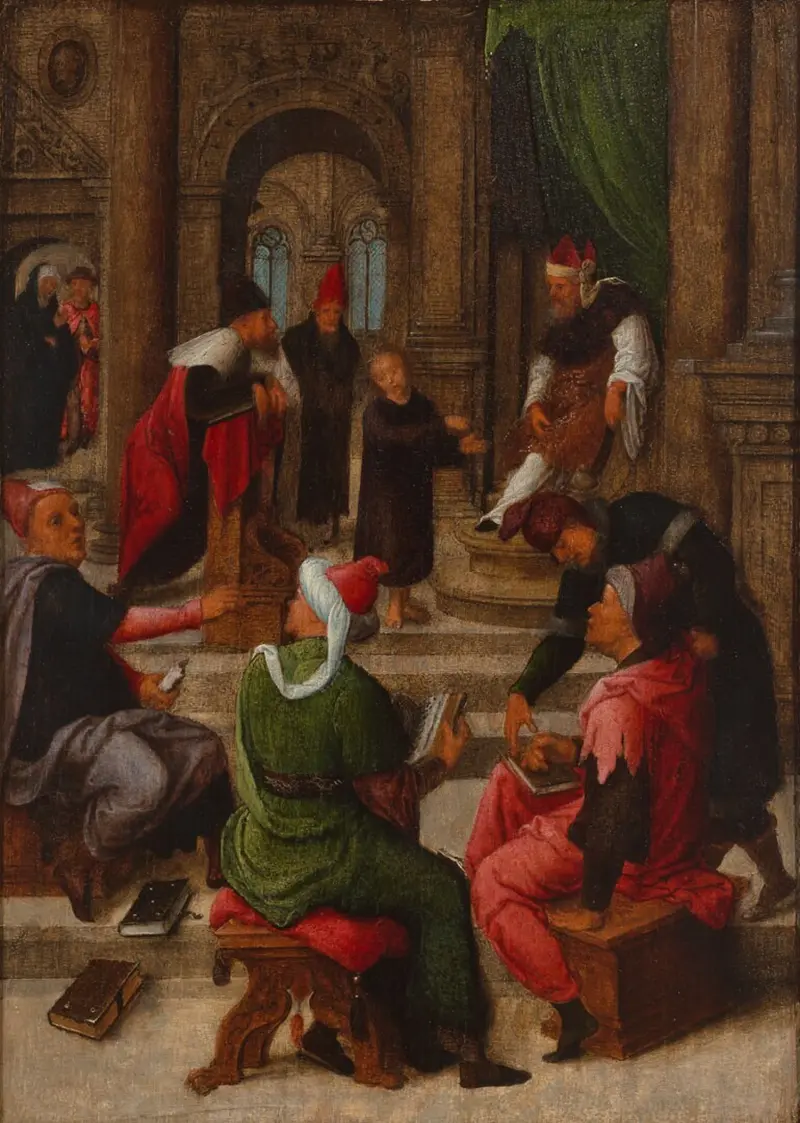
The 12-Year-Old Jesus in the Temple
Adriaen Isenbrant





