
Portrait of a Woman — History & Facts
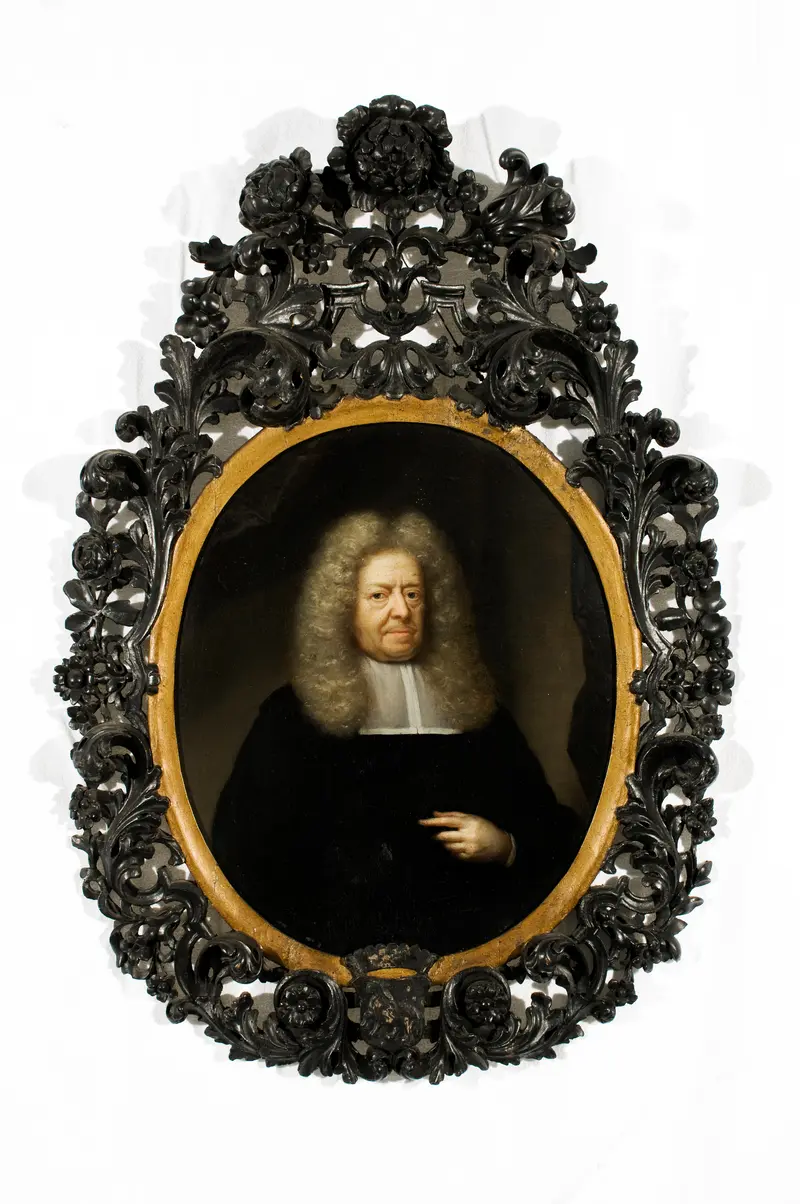
What draws the eye first in Portrait of a Woman by Arnold Boonen is the calm, almost unblinking directness of the sitter’s gaze. The light, cool and steady, falls across her face and hands, picking out the faint flush in her cheeks and the soft, silvery texture of her hair. Her clothing, rendered in a restrained palette of golds and greys, shimmers with quiet luxury, the folds of her wrap catching the light with a velvet sheen.
One hand emerges delicately from the shadows, its fingers gently curled, as if she has just paused in the midst of a gesture. The background is a muted haze, offering no distraction from the woman herself—her presence is the painting’s true subject. This portrait belongs to a world where likeness was both a personal keepsake and a public statement. In the late seventeenth and early eighteenth centuries, such half-length portraits were often commissioned by prosperous families to mark status, lineage, or a pivotal moment in life.
Arnold Boonen, active in the Dutch Republic, was known for his ability to capture both the dignity and individuality of his sitters, reflecting the era’s growing interest in personal identity. The painting’s date, placed between 1690 and 1750, situates it at a time when Dutch portraiture was evolving—balancing formality with a new intimacy. Today, the work resides in the Rijksmuseum, a quiet testament to a life whose details history has not preserved, but whose presence endures in paint.
More Artworks by Arnold Boonen

Portrait of Jan van Huysum
Arnold Boonen
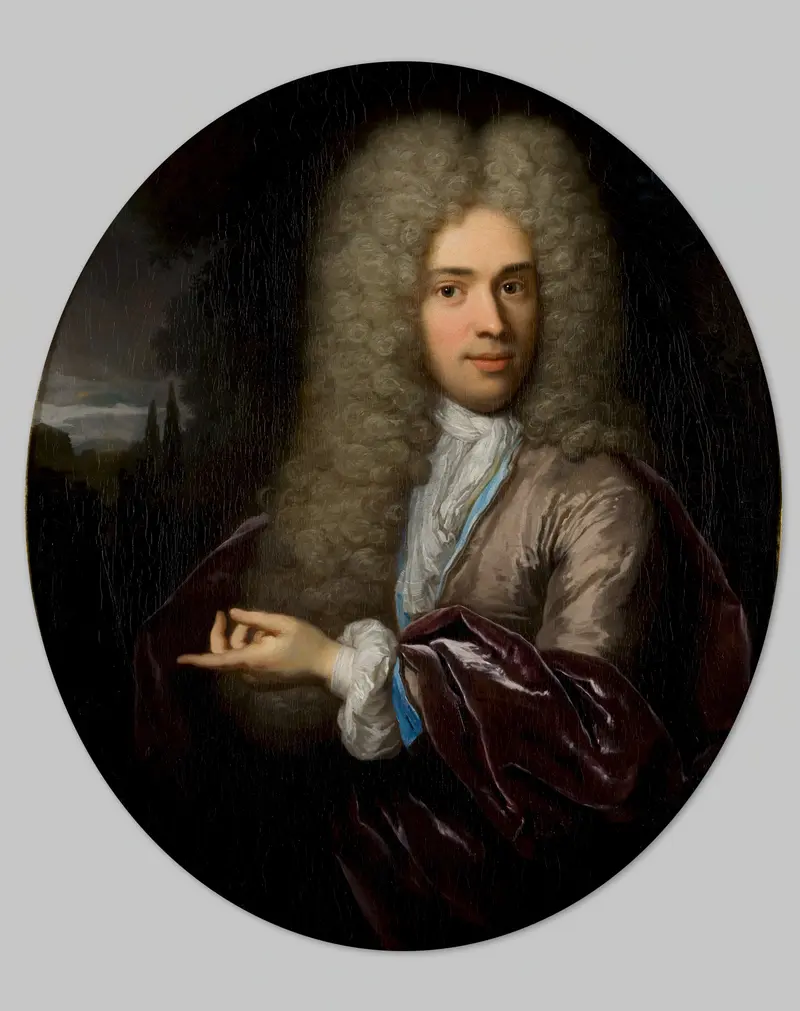
Daniël Deutz
Arnold Boonen
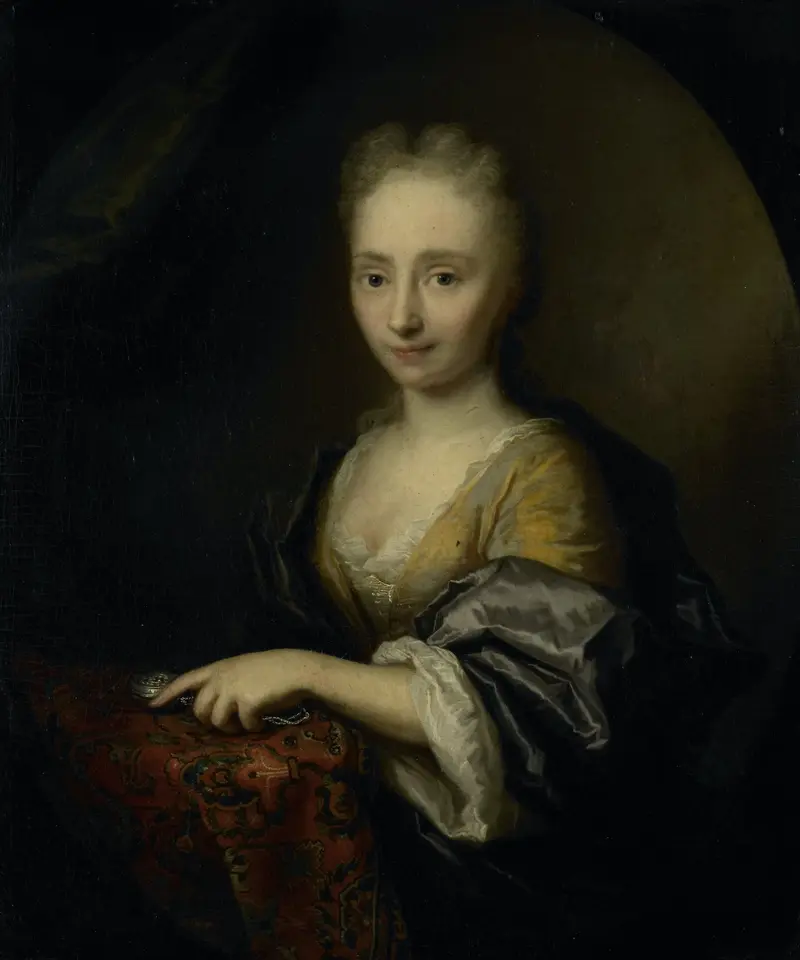
Portrait of a Woman SK-A-
Arnold Boonen
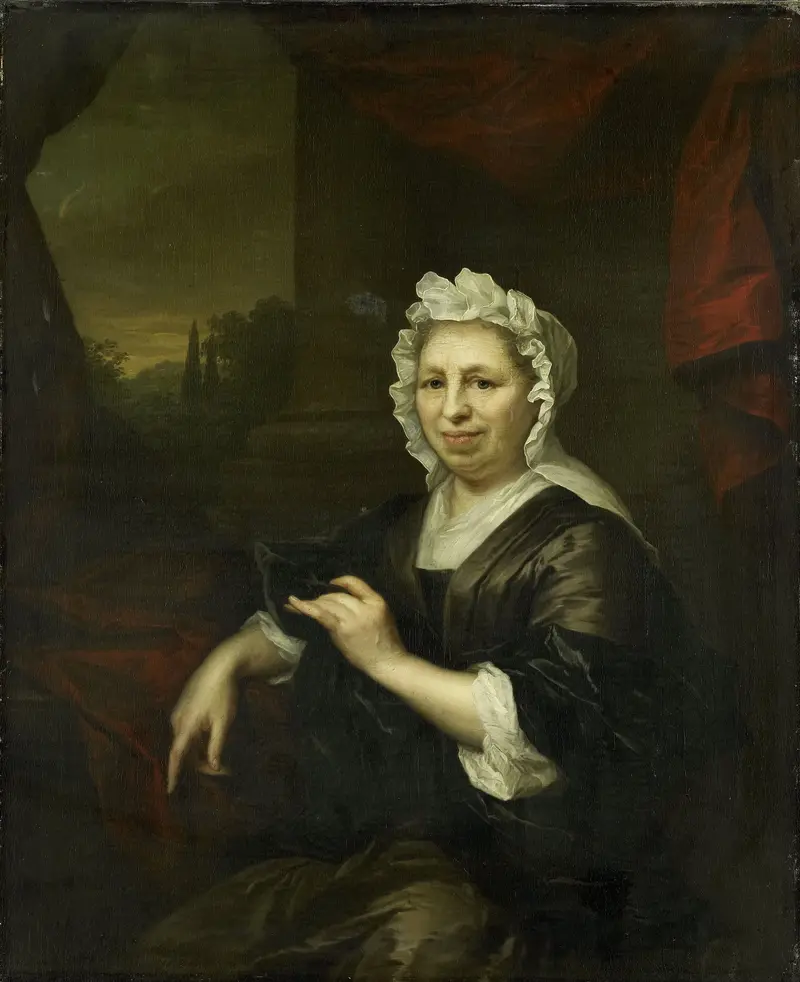
Portrait Brechje Hooft (1640-1721). Widow of Harmen van de Poll
Arnold Boonen
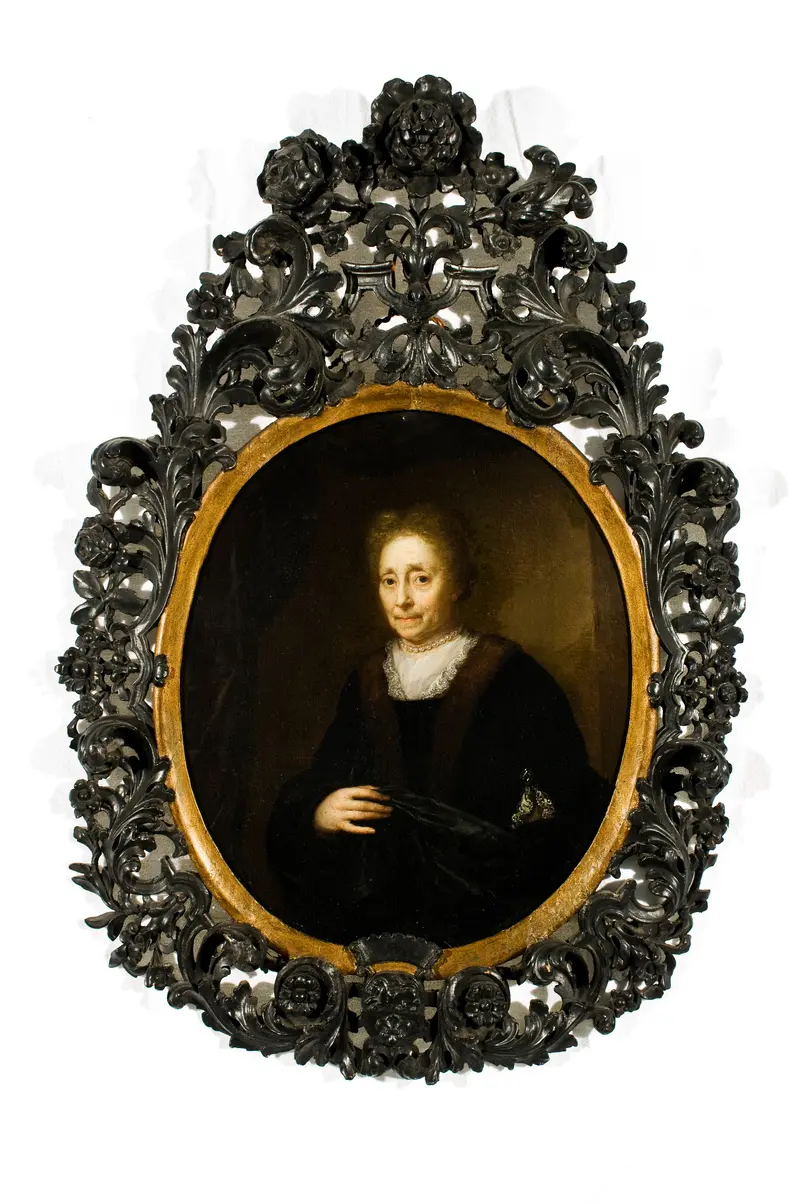
Portret van Elisabeth Schaep van Strijen, echtgenote van Mr. Pieter Schaep DM 011 980 Dordrechts Museum
Arnold Boonen
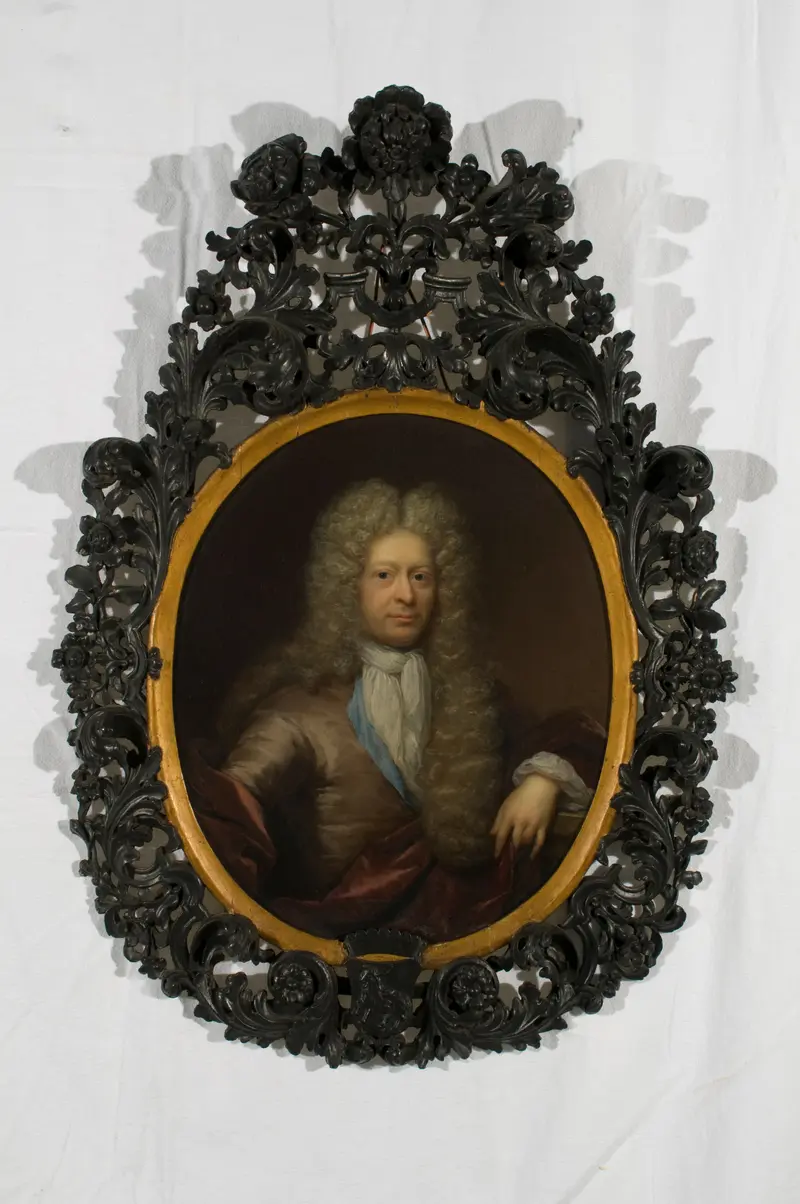
Portret van Mr Reynier Schaep DM 011 981 Dordrechts Museum
Arnold Boonen
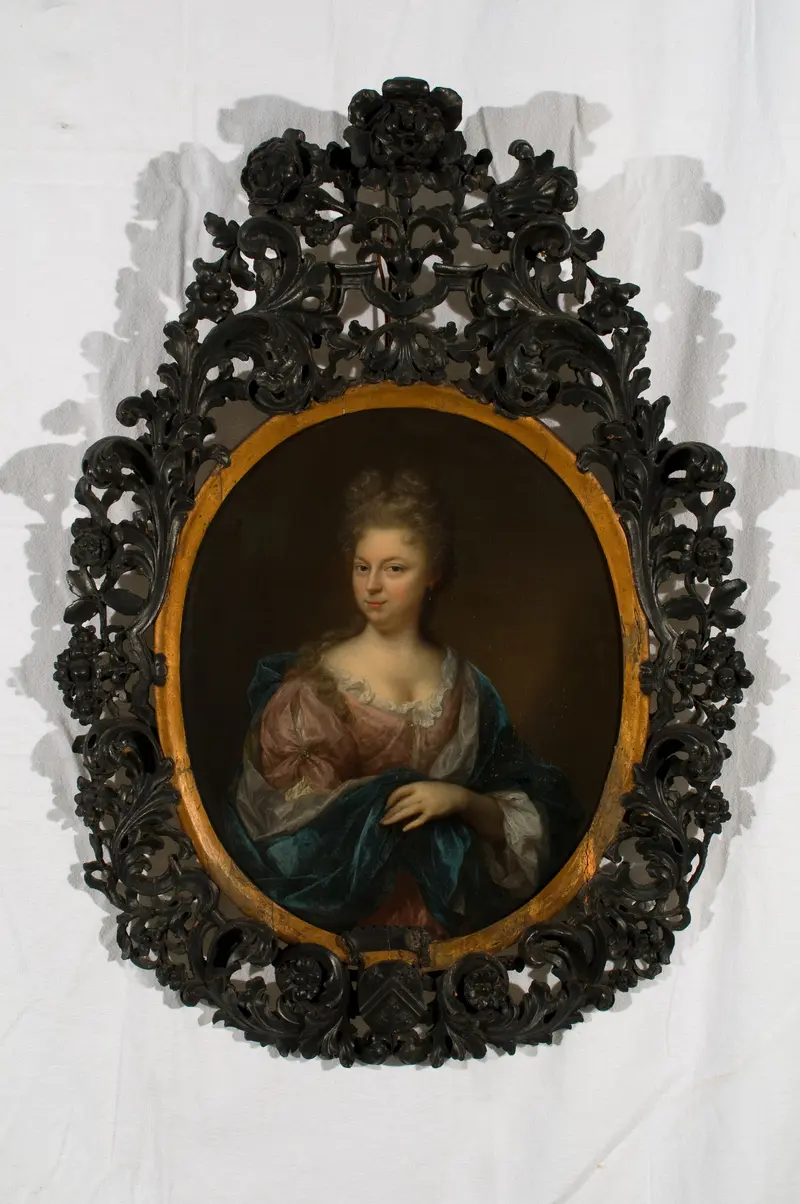
Portret van Eva Maria Muilman DM 011 982 Dordrechts Museum
Arnold Boonen
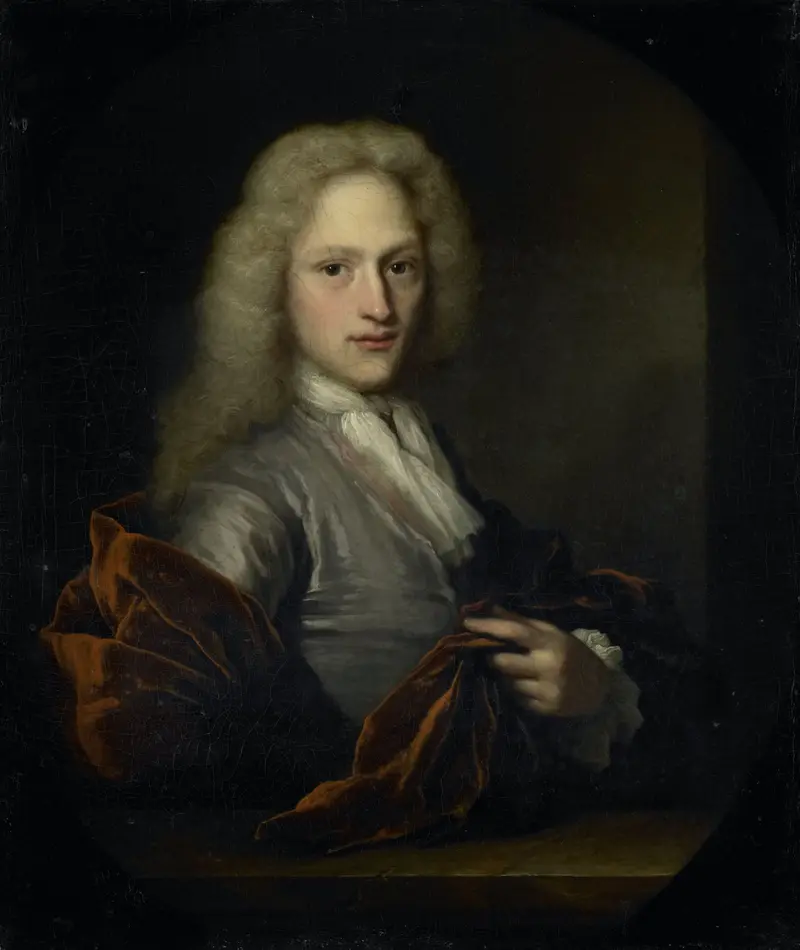
Portrait of a Man SK-A-
Arnold Boonen
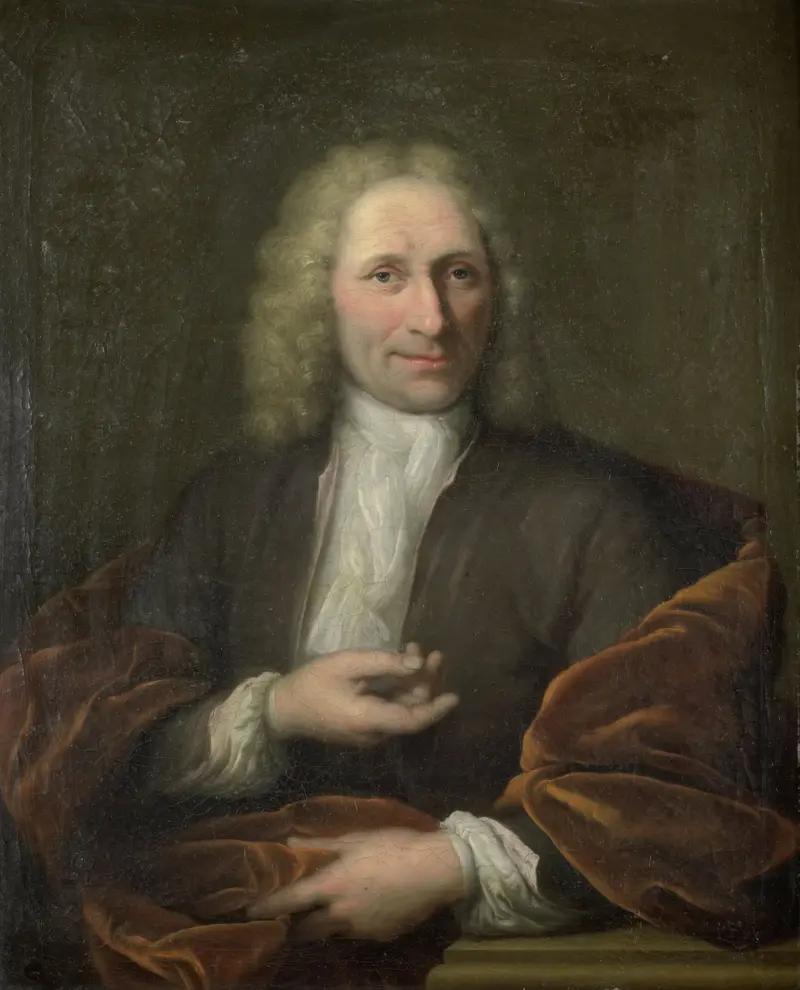
Portrait of a Man
Arnold Boonen
Portret van Mr. Pieter Schaep DM 011 979 Dordrechts Museum
Arnold Boonen





