
Portrait of a man — History & Facts
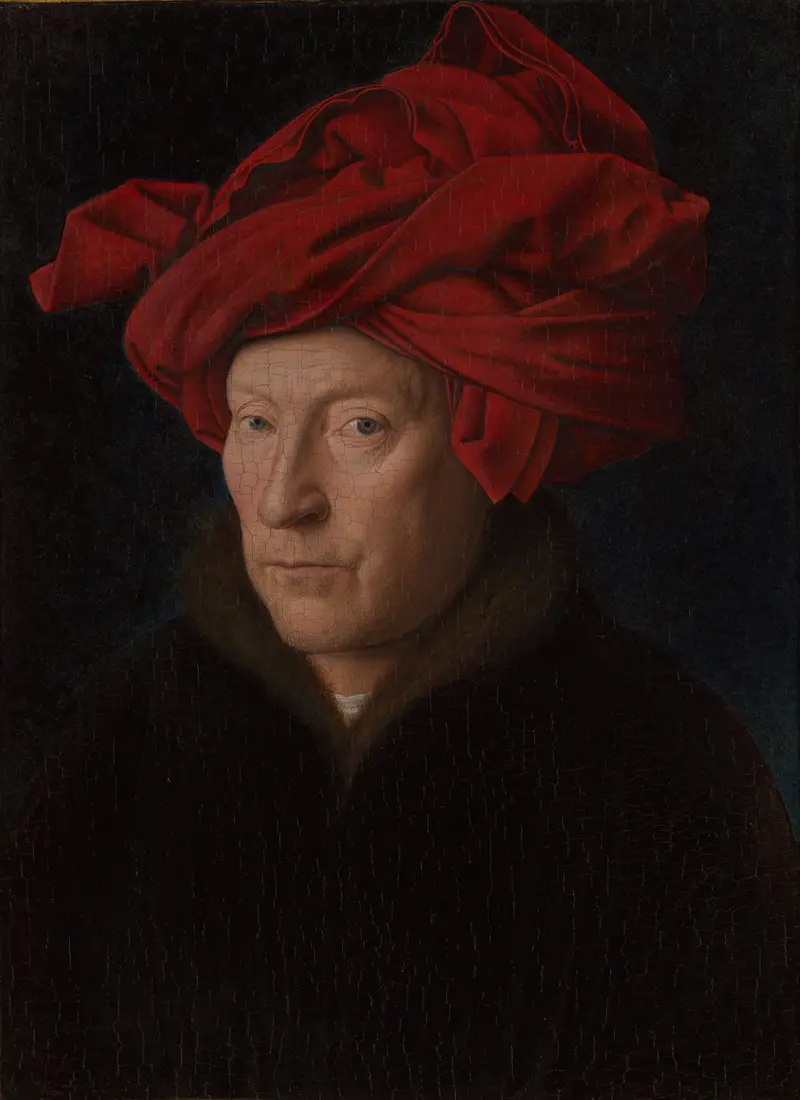
No one knows for certain who sits for Portrait of a man by Jan van Eyck, painted around 1430, but the sitter’s direct, unflinching gaze has intrigued viewers for centuries. Unlike most portraits of the time, which often show their subjects in profile or with reserved expressions, this man meets the viewer’s eyes with a quiet intensity that feels startlingly modern. Some have speculated that this could be a self-portrait, though no firm evidence supports the claim.
The mystery of his identity—courtier, merchant, or perhaps a member of the burgeoning bourgeoisie—remains unsolved, fueling ongoing debate among art historians. The man’s face emerges from a dark, undefined background, his features rendered with van Eyck’s signature precision: stubble on his chin, wrinkles at the brow, and the glint of moisture in his eyes. His clothing is sober, with a fur-trimmed collar and a red chaperon, hinting at wealth and status but not ostentation. The play of light across his face and hands draws the eye to his humanity rather than his rank, a technique van Eyck would refine in later works like Portrait of a Man (Self Portrait?) in the National Gallery, London.
Unlike the idealized faces of Italian contemporaries, van Eyck’s sitter is unvarnished, every blemish and line recorded, suggesting a new interest in individuality and psychological presence in portraiture. The early provenance of Portrait of a man is unclear, as is often the case with Northern Renaissance works, and its original patron is unknown. Over the centuries, the painting has been attributed to various hands, but the meticulous technique and attention to detail are hallmarks of Jan van Eyck. Today, the work stands as an early example of the independent portrait in the Netherlands, a genre that van Eyck helped to elevate.
Its survival offers a rare, intimate glimpse into the world of 15th-century Flanders, and it continues to inspire admiration for its realism and the enigmatic story behind its creation.
More Artworks by Jan van Eyck

Adam
Jan van Eyck
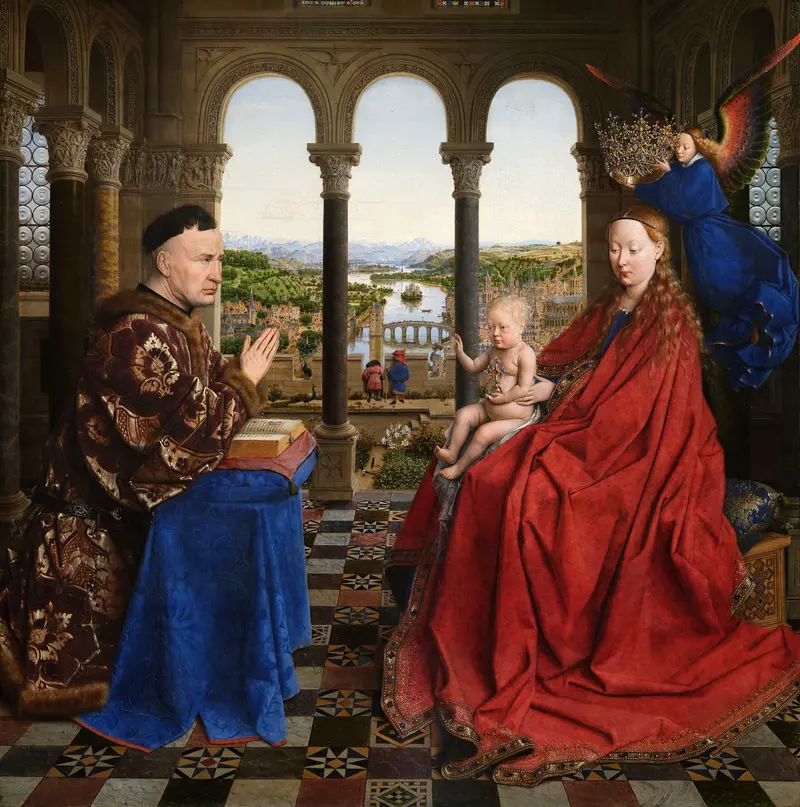
Madonna of Chancellor Rolin
Jan van Eyck
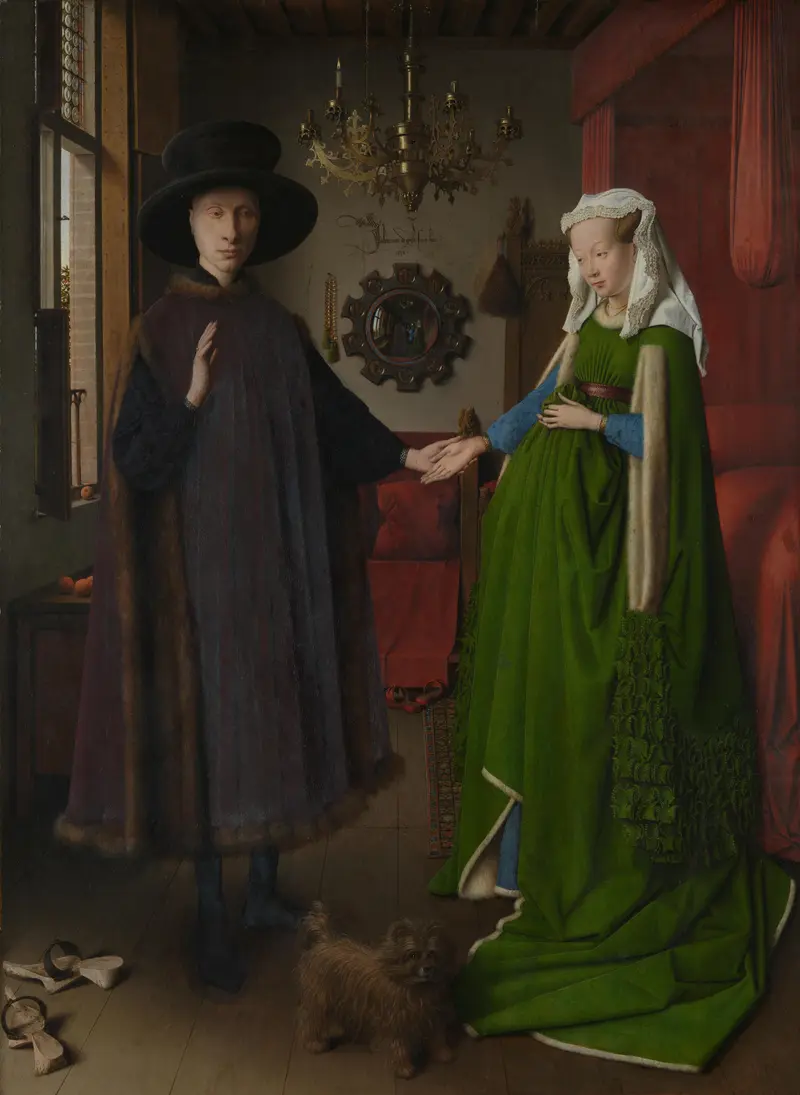
The Arnolfini Portrait
Jan van Eyck
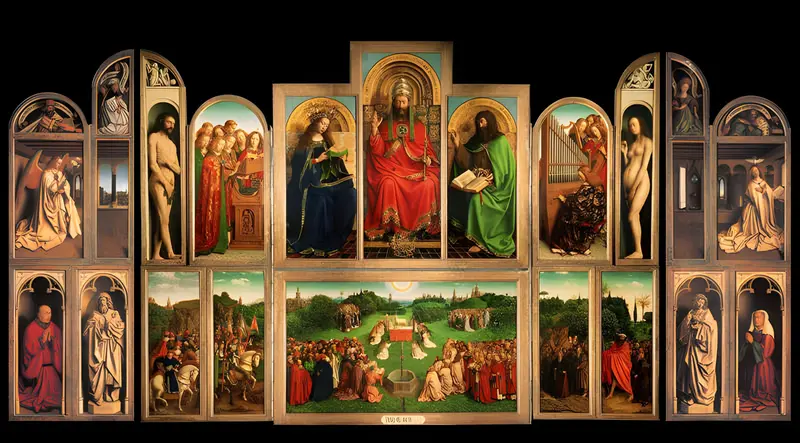
Ghent Altarpiece
Jan van Eyck

Dresden Triptych
Jan van Eyck
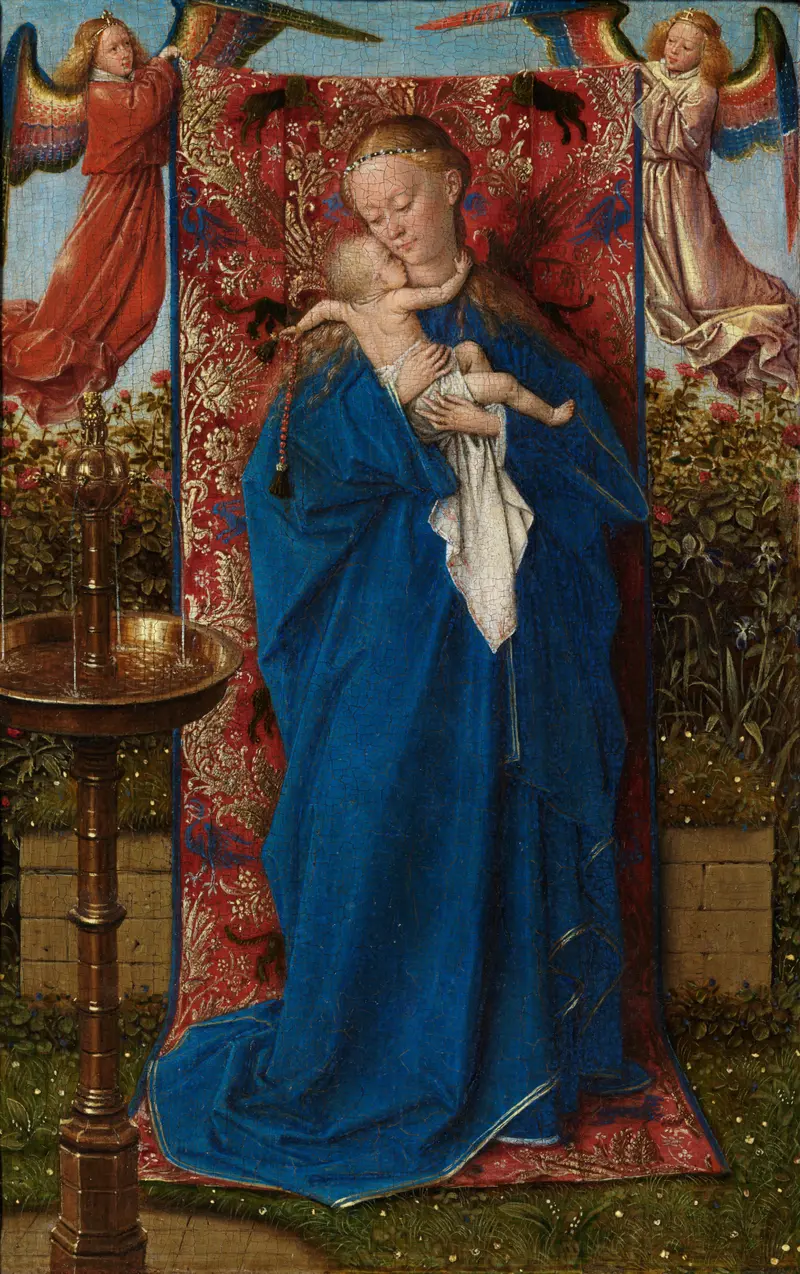
Madonna at the Fountain
Jan van Eyck

Madonna with Canon Joris van der Paele
Jan van Eyck

Prophet Zacharias; Angel of The Annunciation
Jan van Eyck
Portrait of a Man (Self Portrait?)
Jan van Eyck
Adoration of the Lamb from the Ghent Altarpiece
Jan van Eyck





