
Portrait of a Man, Possibly Ottavio Farnese (1524–1586), Duke of Parma and Piacenza — History & Facts
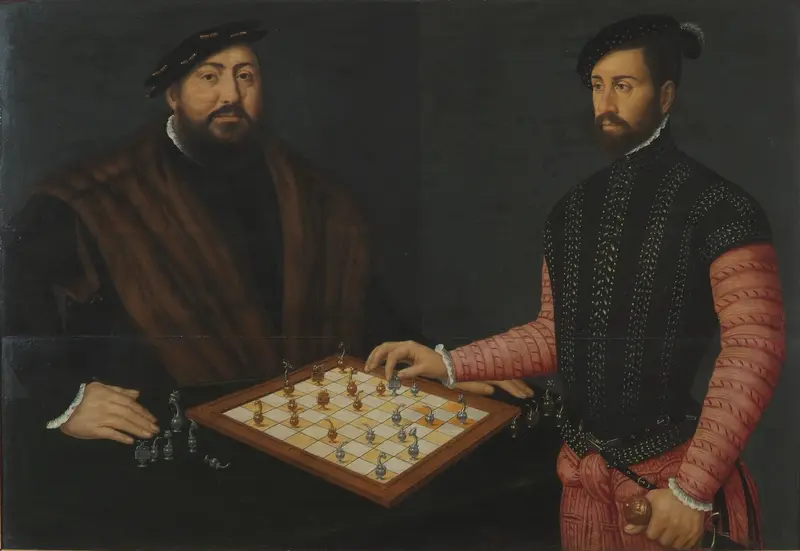
The first thing to command attention in this portrait is the intricate armor of fabric: a parade of braids, jewels, and velvet that seem almost to weigh down the sitter with the burden of his own status. The man stands with one hand resting confidently on a table draped in embroidered cloth, the other gripping the hilt of a sword—an unmistakable signal of authority and readiness. His gaze meets the viewer’s with a mixture of calculation and reserve, framed by a sharply trimmed beard and a cap adorned with a single, extravagant plume.
Every detail, from the heavy chains around his neck to the precise pleats of his hose, is a declaration: here is a man who expects to be seen and remembered. Painted in 1563 by Antonis Mor, this work belongs to a world in which portraiture was both a social contract and a political tool. In the courts of Renaissance Europe, such likenesses were commissioned not merely to record a face, but to project power, lineage, and cultivated taste. The artist’s hand is evident in the crisp textures and the subtle play of light across velvet and metal, hallmarks of a style that traveled from the Netherlands to Spain and Italy in the service of royal patrons.
While the sitter’s precise identity may be uncertain, the painting’s journey has brought it into the collection of the Metropolitan Museum of Art, where it stands as a testament to the ambitions and anxieties of a vanished age. The longer you look, the more the surface details begin to suggest the invisible currents of rivalry, pride, and self-fashioning that shaped the Renaissance court.
More Artworks by Antonis Mor

Portrait of a Man
Antonis Mor
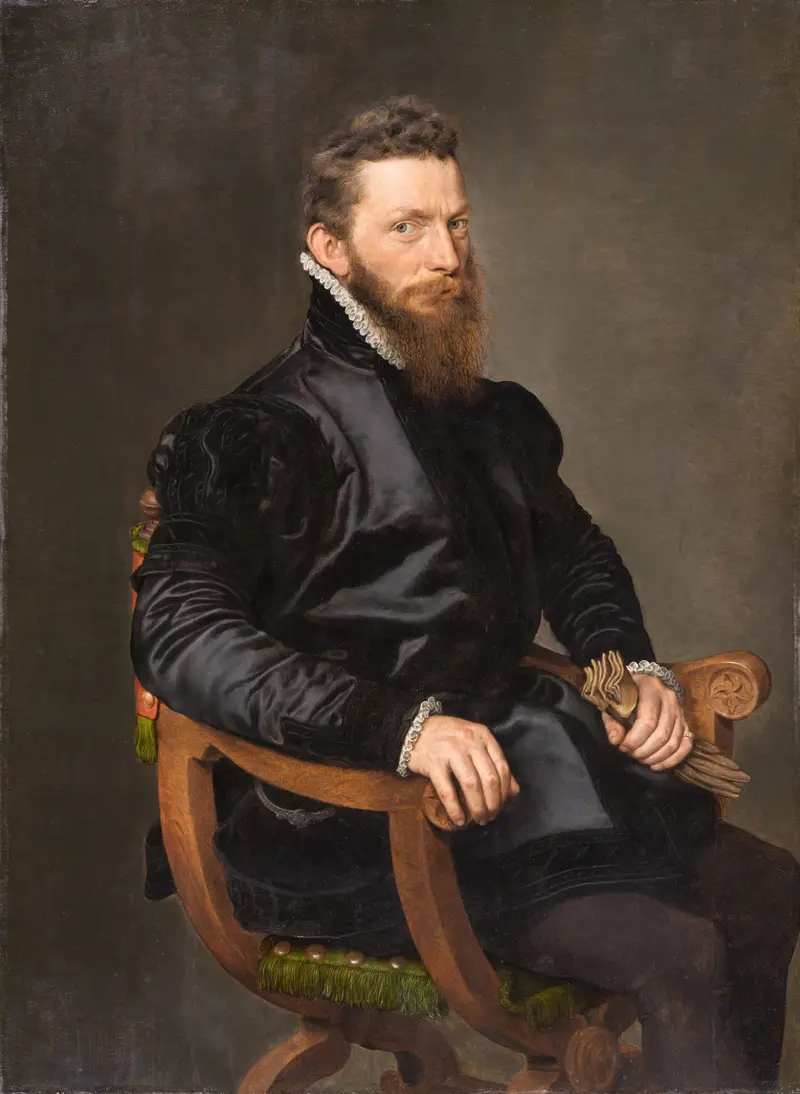
Portrait of a Gentleman
Antonis Mor
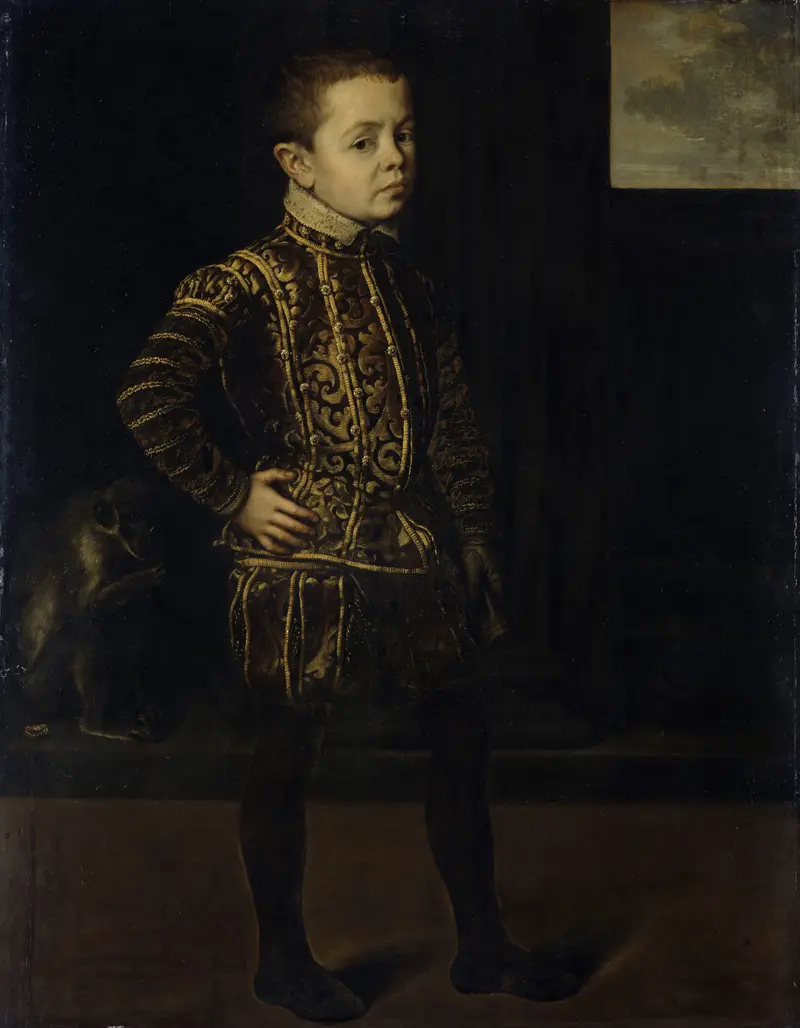
Portrait of a young prince
Antonis Mor
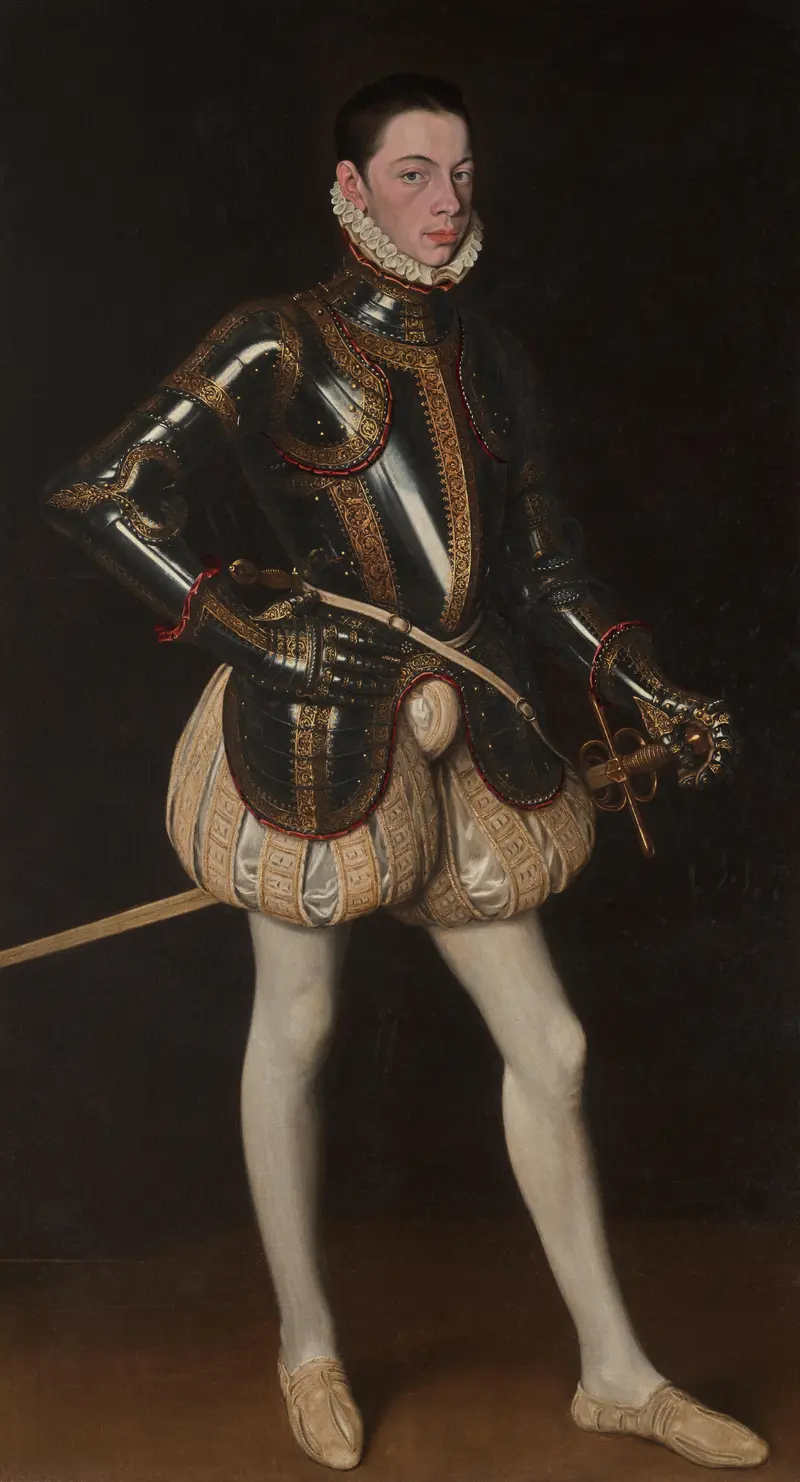
Alessandro Farnese in Armor
Antonis Mor
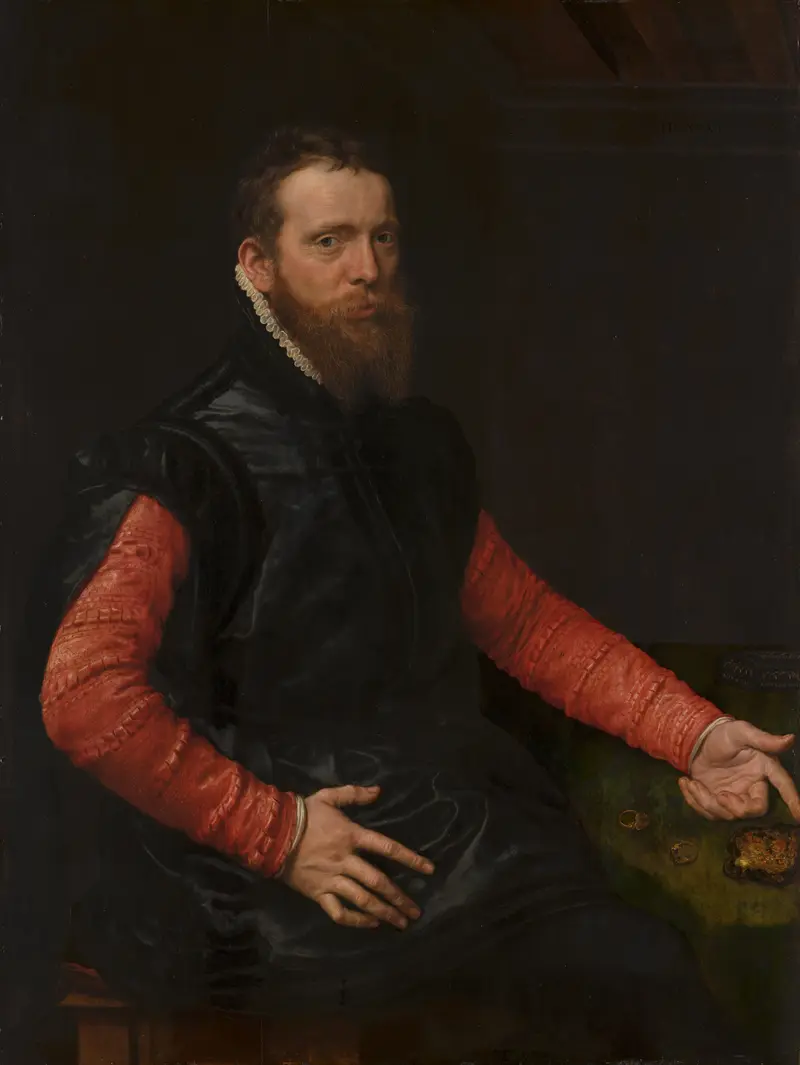
Steven van Herwijck
Antonis Mor
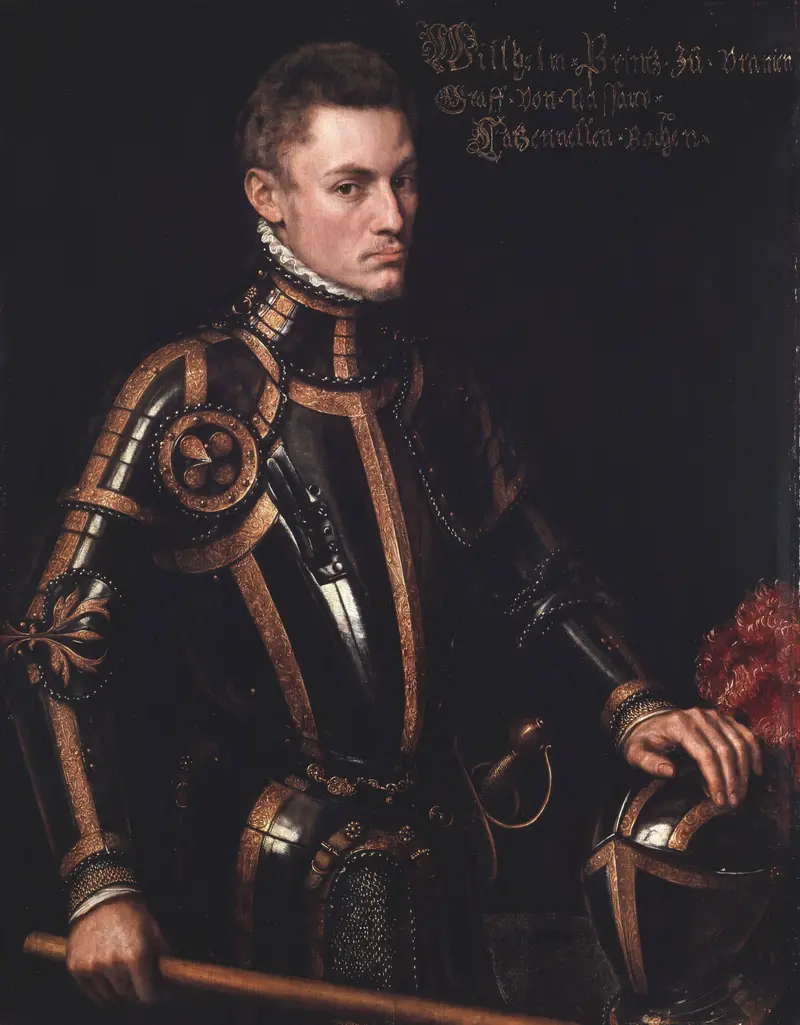
Portrait of William I of Nassau
Antonis Mor
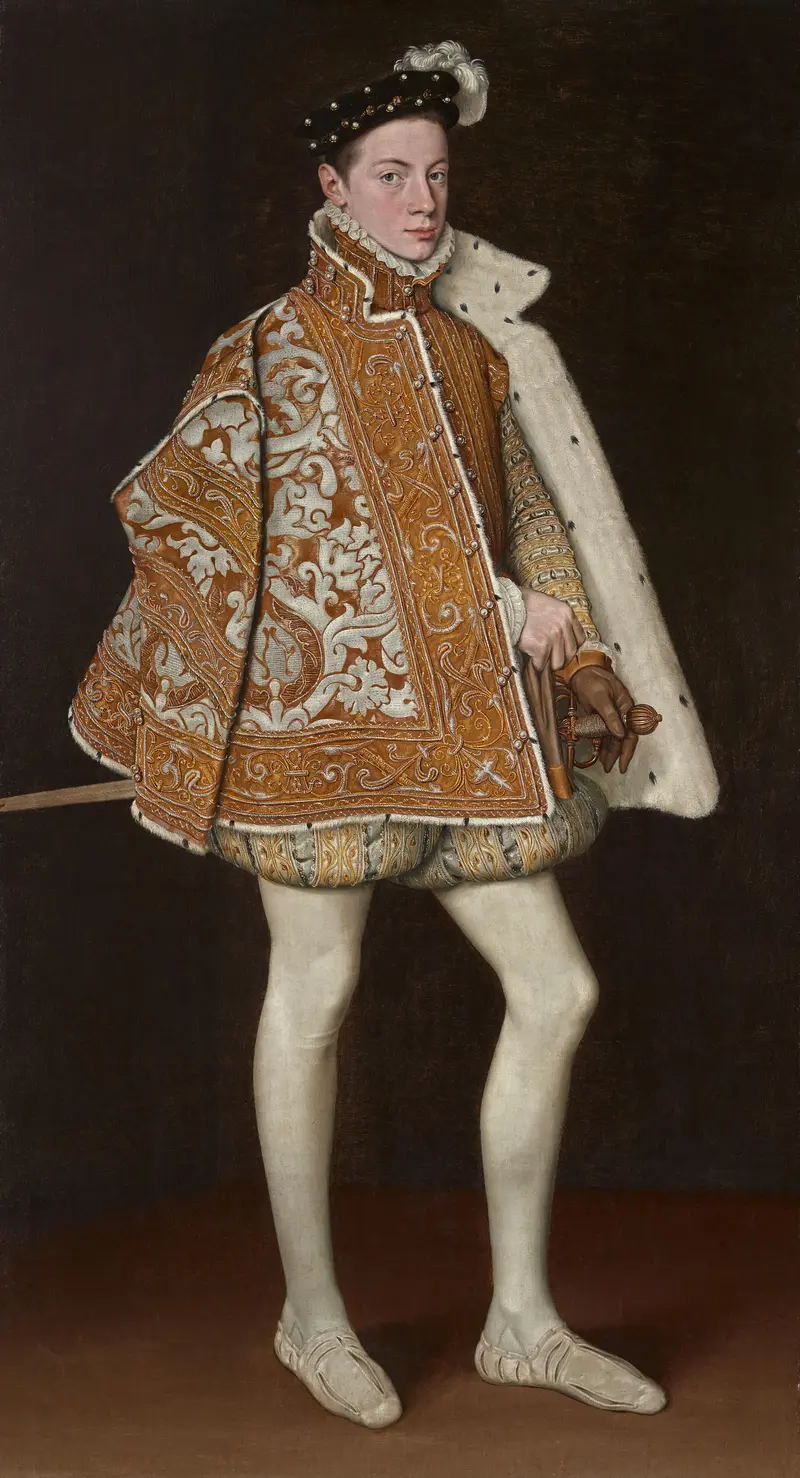
Portrait of Alessandro Farnese in Cape and Black Cap
Antonis Mor
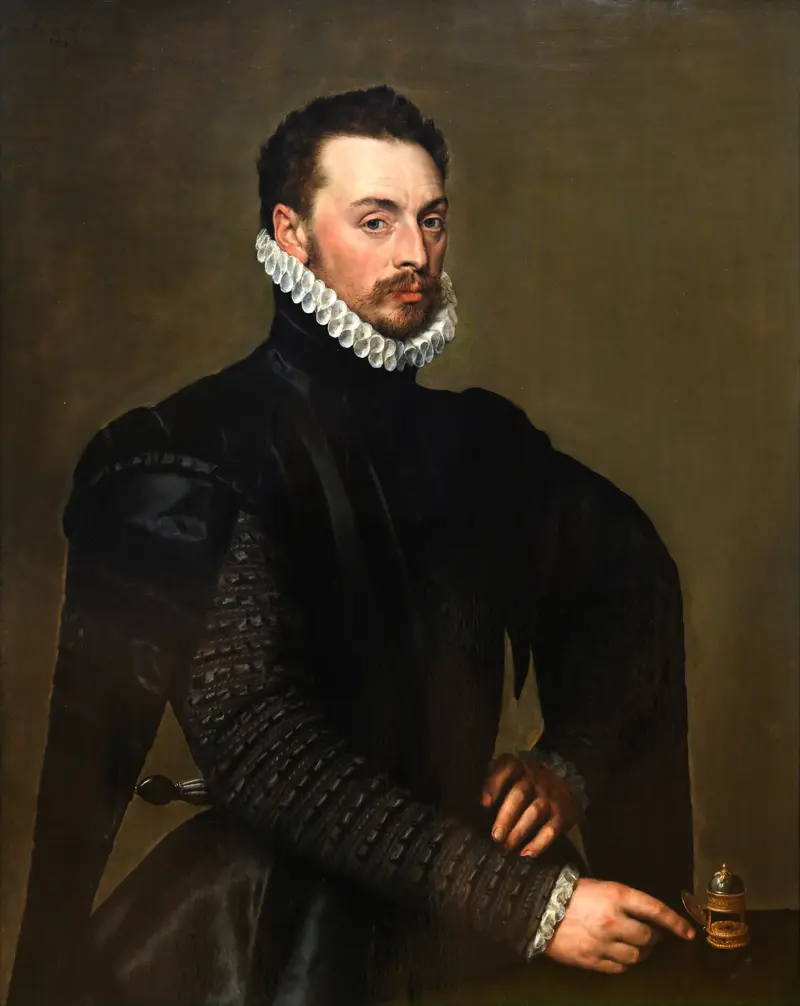
Portrait d'homme désignant une pendule Antonio Moro Musée du Louvre Peintures INV 1582 ; MR 880
Antonis Mor
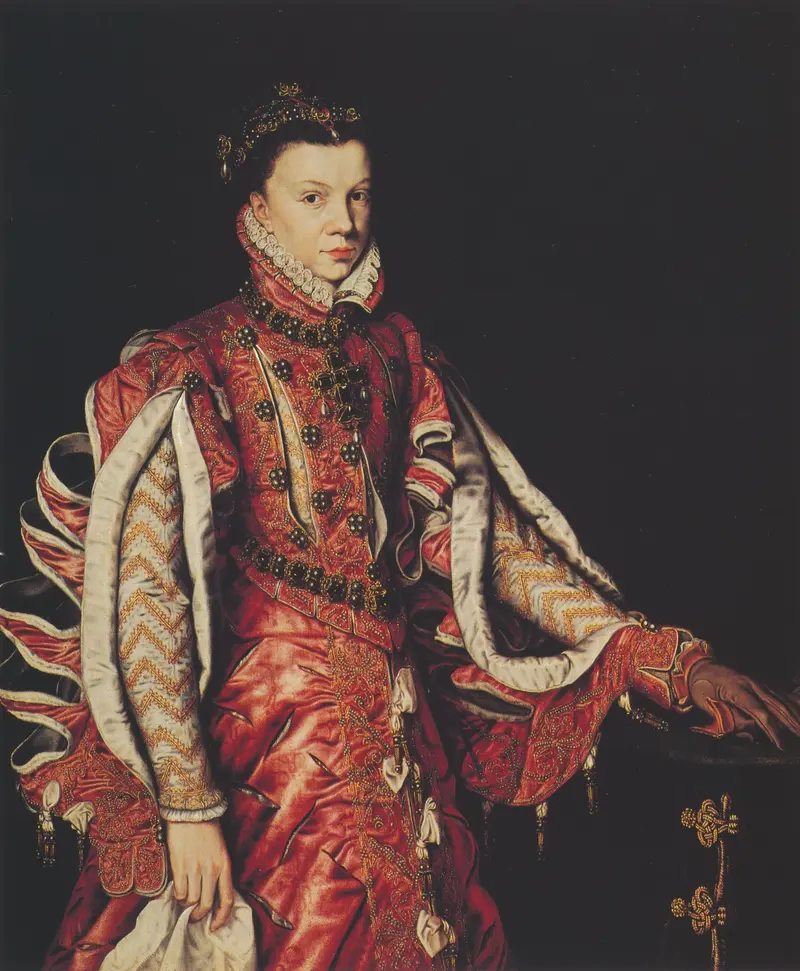
Portrait of Elisabeth of Valois, third wife of King Philip II of Spain
Antonis Mor
Von Sachsen vs. a Spaniard
Antonis Mor





