
Portrait of a Man — History & Facts
No one knows for certain who gazes out from Portrait of a Man, painted by Raphael in 1503, and this enduring mystery has fascinated scholars for centuries. The sitter’s identity—whether a friend, patron, or even a self-portrait—remains one of the most debated questions in Renaissance portraiture. Some have suggested the young artist’s own features, while others see the likeness of a Florentine noble.
The lack of documentation has only deepened the intrigue, making this work a touchstone for discussions of authorship and intention in early High Renaissance art. The man in the painting meets the viewer’s eyes with a calm, direct gaze, his lips set in a gentle, almost knowing smile. His dark attire, simple yet elegant, is set against a soft, atmospheric background that hints at the landscapes Raphael would later become famous for. The light falls delicately across his face, modeling the features with subtlety and warmth, while the hands—resting quietly—suggest both poise and reserve.
Unlike the more formal, distant portraits of Leonardo da Vinci, such as Mona Lisa, Raphael’s sitter feels approachable, his humanity emphasized through the artist’s youthful sensitivity to character and mood. As with many early works by Raphael, the exact journey of Portrait of a Man is difficult to trace. It likely originated in Florence, where the young artist was absorbing the lessons of his contemporaries, and may have been commissioned by a member of the city’s rising merchant class. Over the centuries, the painting has been attributed to various hands before consensus settled on Raphael.
Today, it stands as a testament to his early mastery of psychological insight, bridging the gap between the clarity of Perugino and the innovation of Leonardo. Its current home in the online gallery allows new generations to puzzle over the same enigmatic face that has captivated viewers for over five hundred years.
More Artworks by Raphael

Madonna of the Goldfinch
Raphael

Madonna with the Fish
Raphael
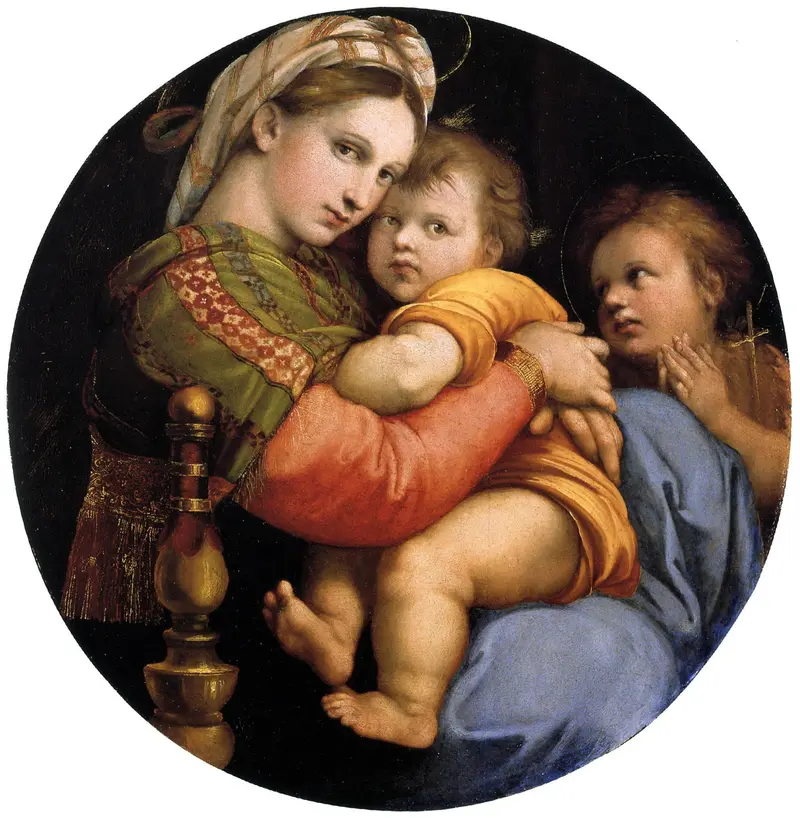
Madonna and Child (Madonna della Seggiola)
Raphael
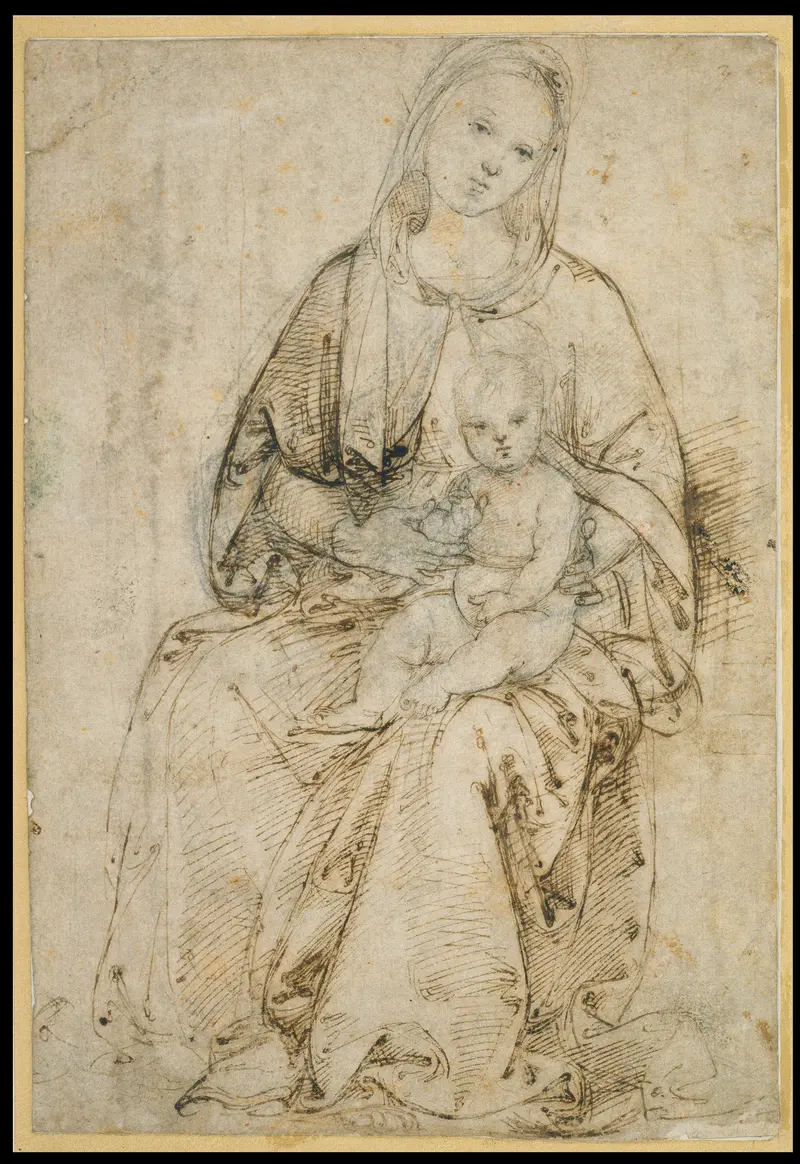
Seated Madonna and Child
Raphael
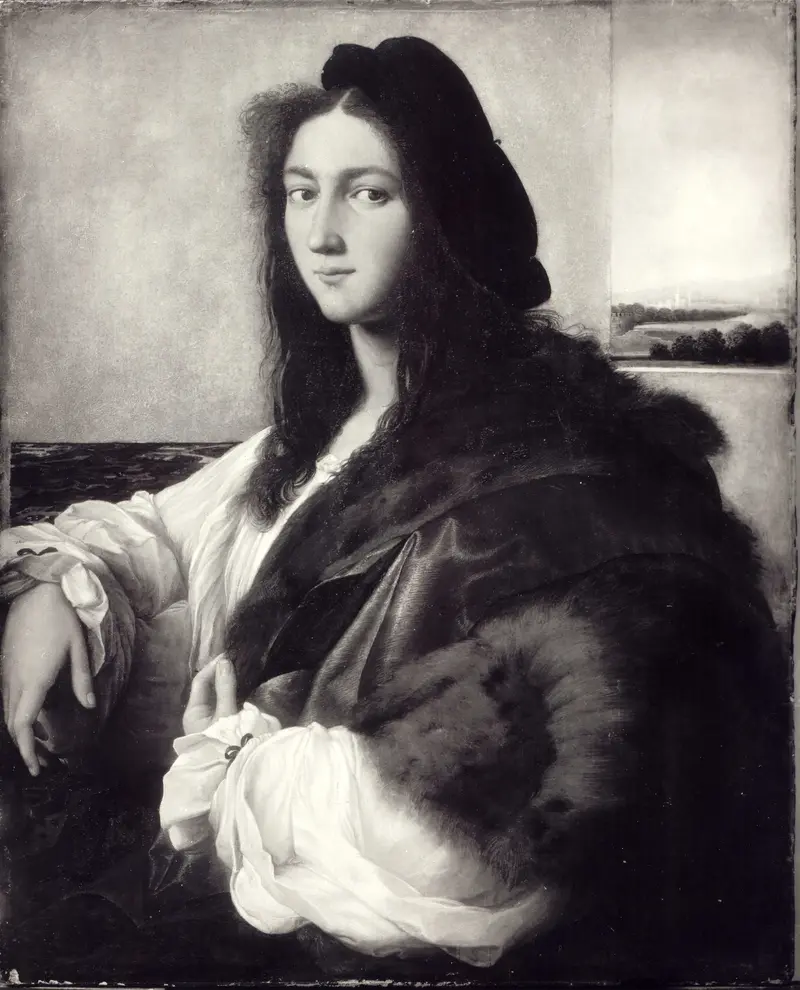
Portrait of a Young Man
Raphael
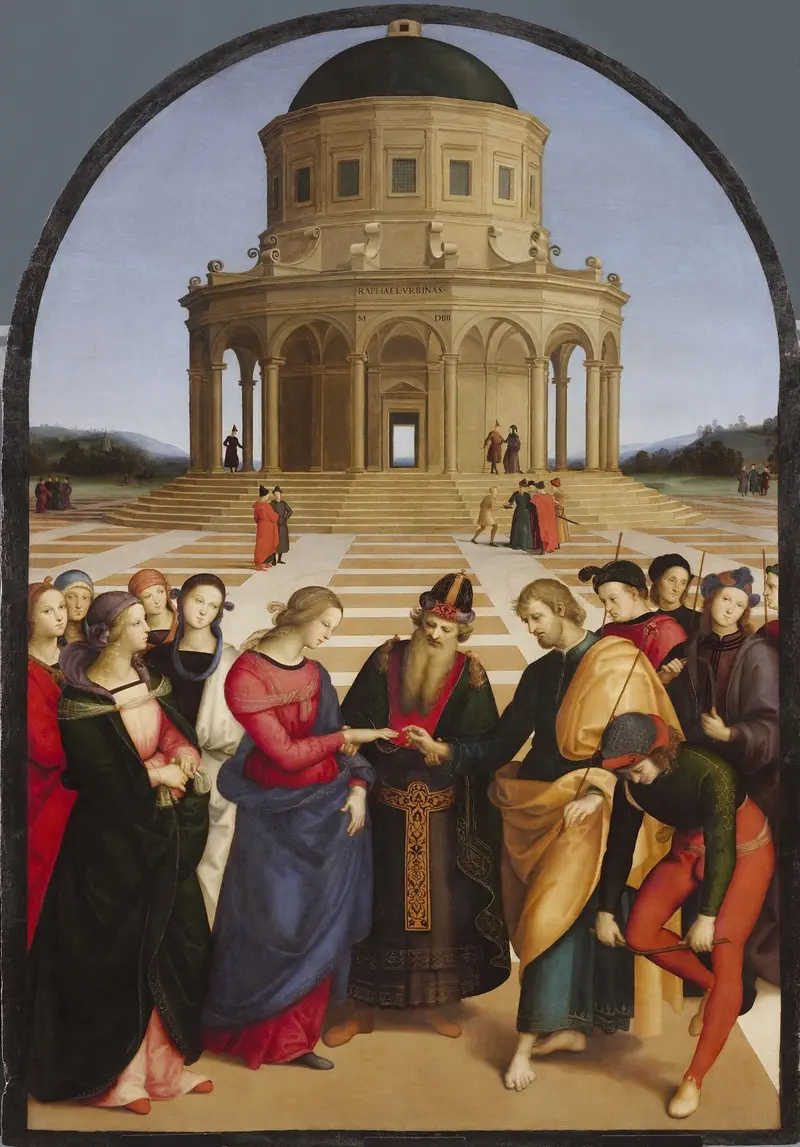
The Marriage of the Virgin
Raphael
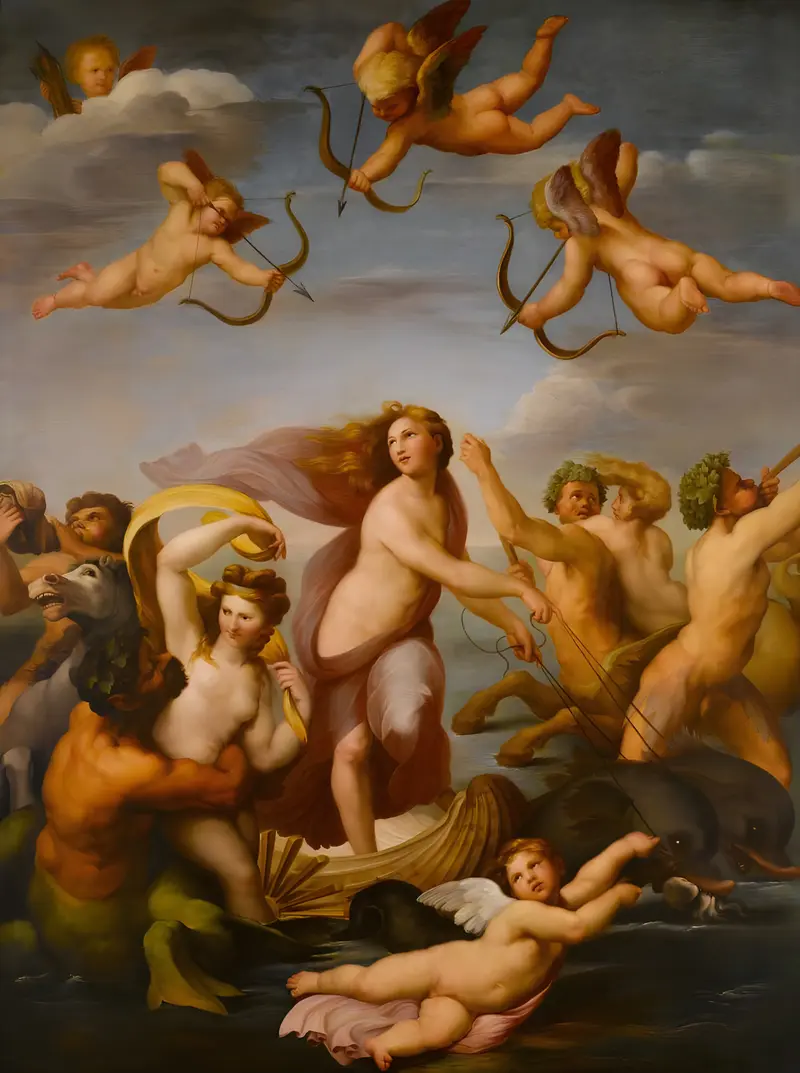
The Triumph of Galatea (copy after Raphael)
Raphael
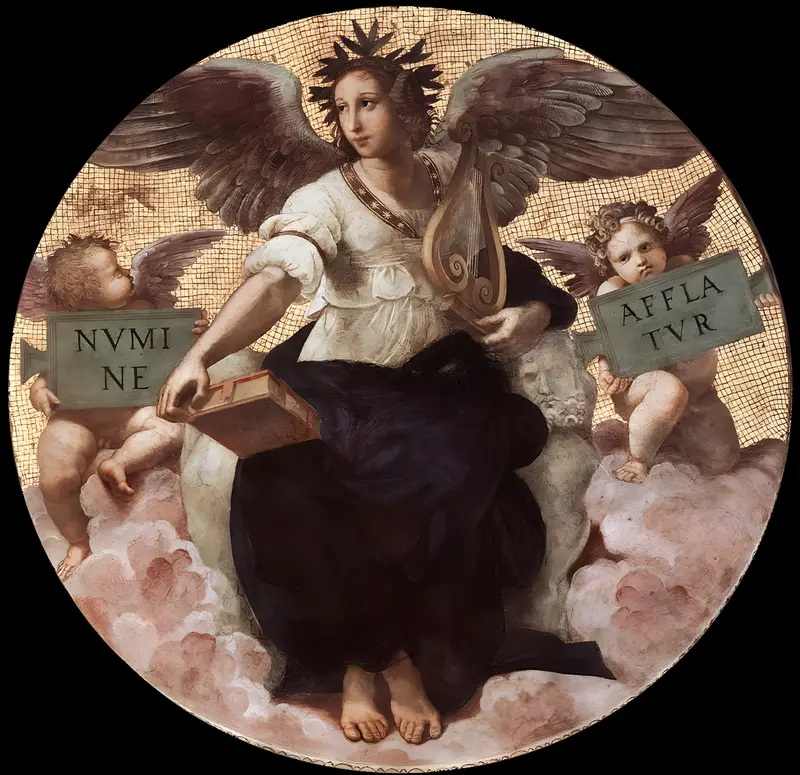
Poetry
Raphael
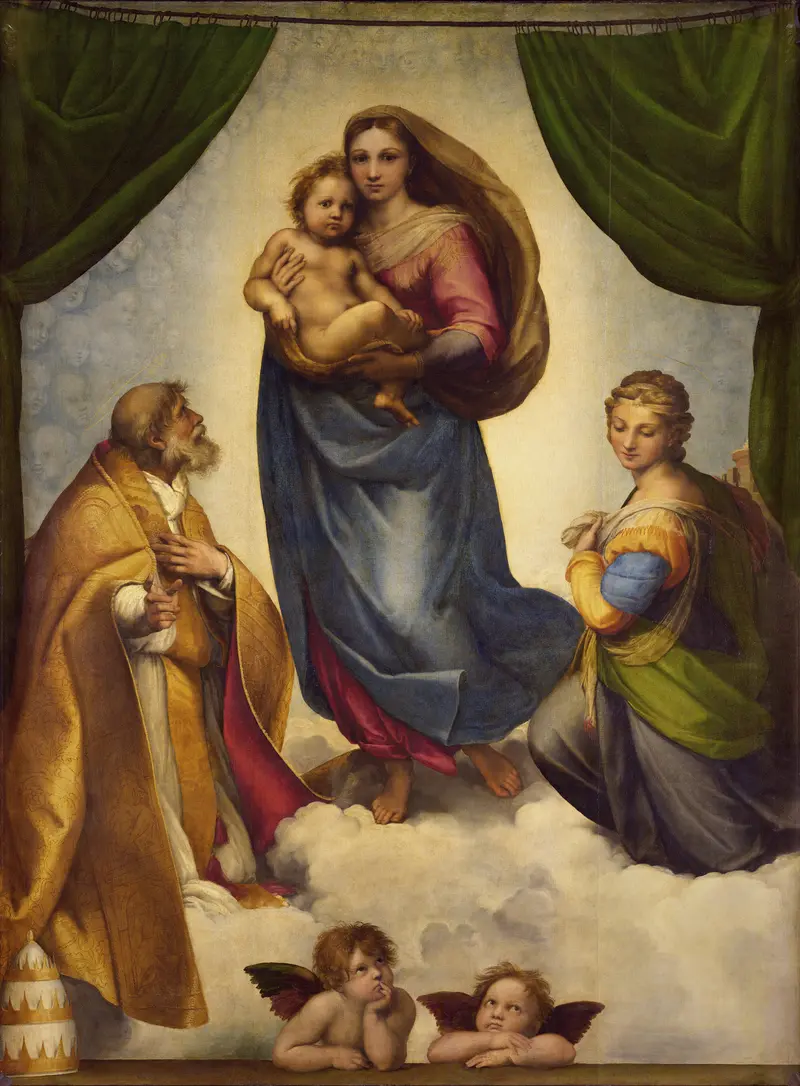
Sistine Madonna
Raphael
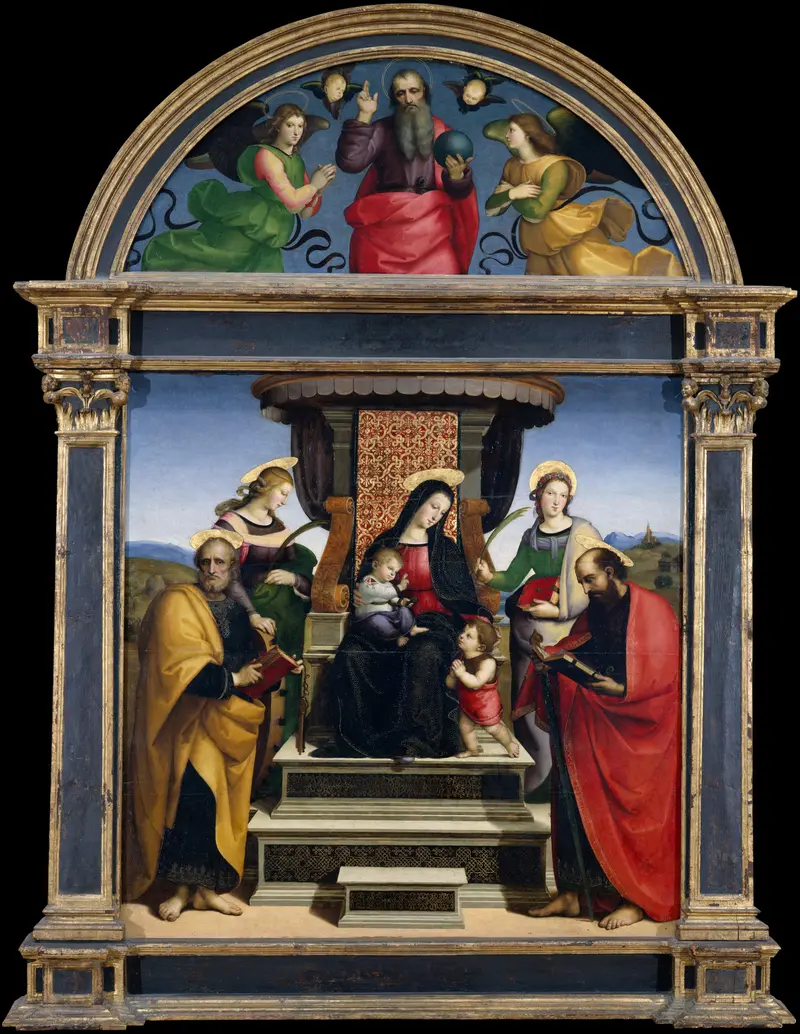
Madonna and Child Enthroned with Saints
Raphael





