
Portrait of a Man — History & Facts
No one knows for certain who the sitter is in Portrait of a Man by Tintoretto, painted around 1590, and this mystery has fascinated art historians for centuries. Unlike many of his grand commissions for Venetian churches and palaces, this painting seems to have been created for a private client—perhaps a wealthy merchant or a member of the city’s patrician class. The absence of any identifying inscription or emblem has led to lively debate, with some suggesting it may even be a self-portrait, though there is no firm evidence for this.
What is certain is that the painting stands as a late example of Tintoretto’s skill at capturing the psychological presence of his sitters. The man meets the viewer’s gaze with a directness that is almost challenging, his face emerging from a shadowy background in a shaft of light that catches the lines of his brow and the subtle tension of his mouth. Tintoretto’s brushwork is swift and energetic, especially in the handling of the sitter’s hair and the folds of his dark garment, which seem to dissolve into the surrounding gloom. The lack of distracting accessories or elaborate costume focuses attention on the sitter’s expression—a technique that distinguishes this portrait from the more formal, idealized likenesses of Titian, whose sitters often appear remote and composed.
Here, the immediacy and informality hint at a private moment, inviting speculation about the sitter’s thoughts and status. The painting’s early history remains obscure, as is often the case with portraits by Tintoretto, who produced many such works for private patrons in Venice during the final decades of his career. Over time, Portrait of a Man has passed through various hands, sometimes attributed to Tintoretto’s workshop or even his son, Domenico Tintoretto, before scholarly consensus returned to the master himself. Today, the painting is recognized as a testament to Tintoretto’s late style—marked by rapid execution and psychological depth—and it continues to intrigue viewers and scholars alike, both for its artistry and for the secrets it keeps.
More Artworks by Tintoretto
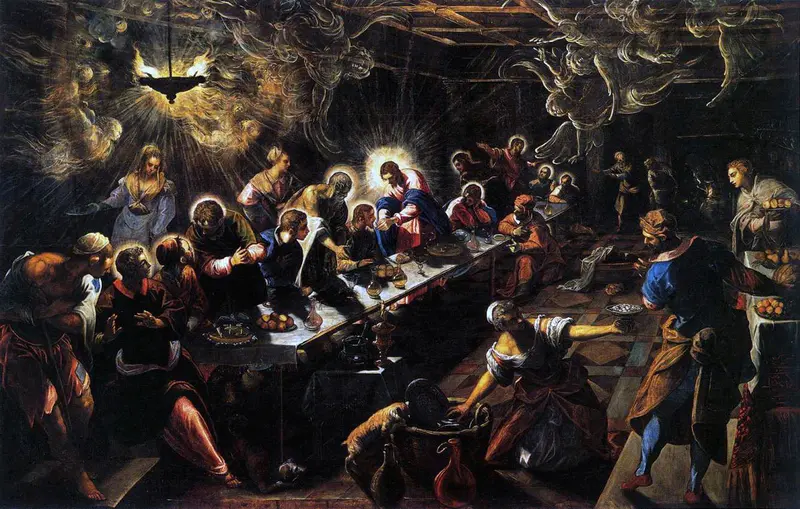
The Last Supper
Tintoretto
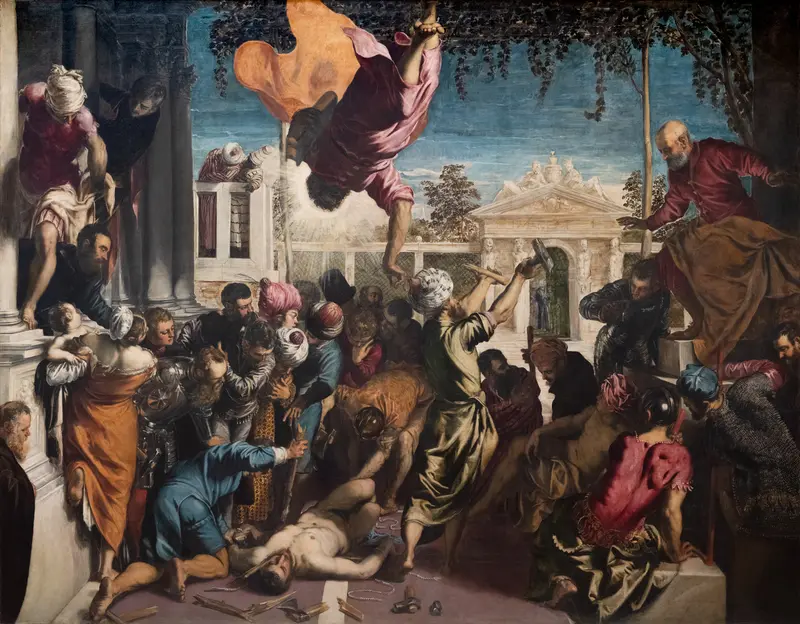
The Miracle of the Slave
Tintoretto
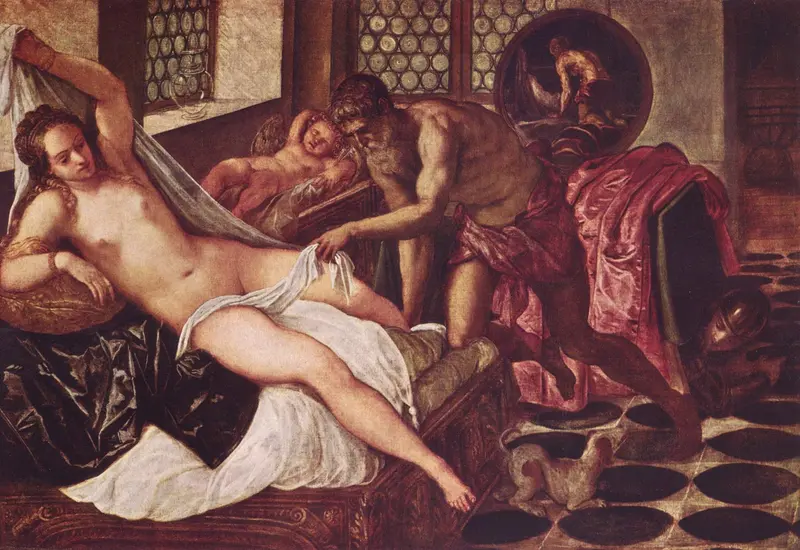
Venus and Mars Surprised by Vulcan
Tintoretto

Adoration of the Shepherds
Tintoretto
Adoration of the Magi
Tintoretto
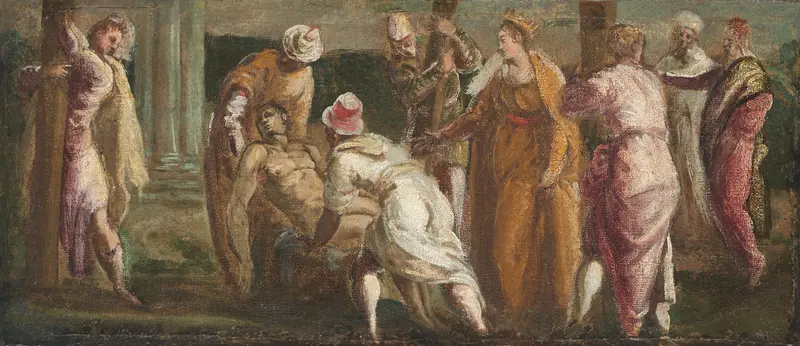
Saint Helen Testing the True Cross
Tintoretto
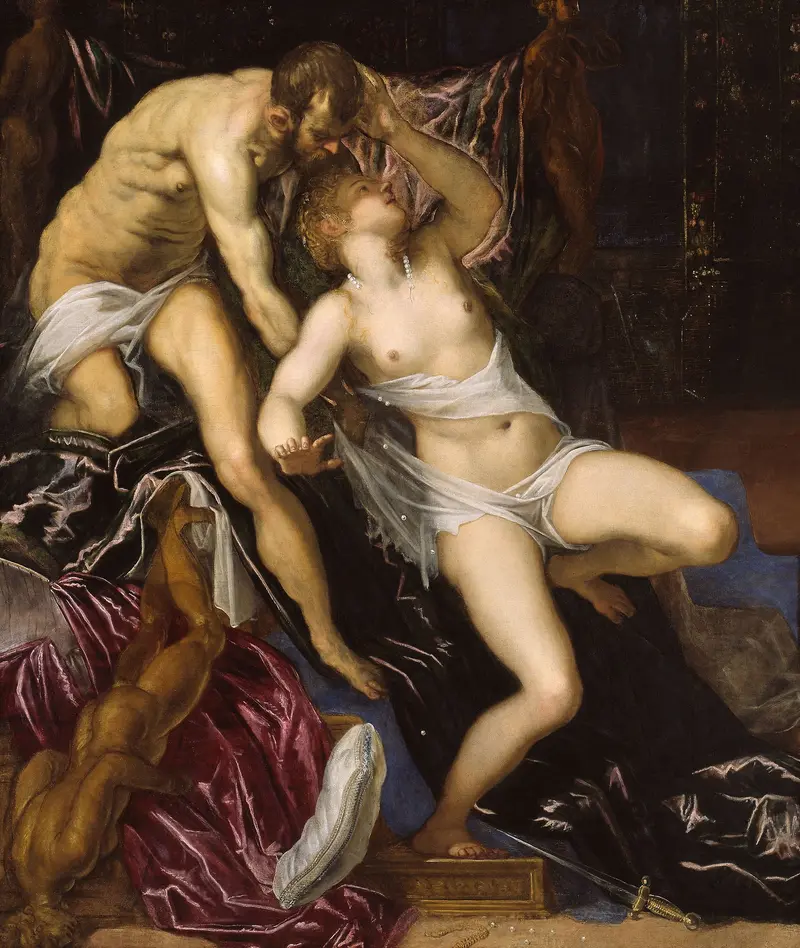
Tarquin and Lucretia
Tintoretto
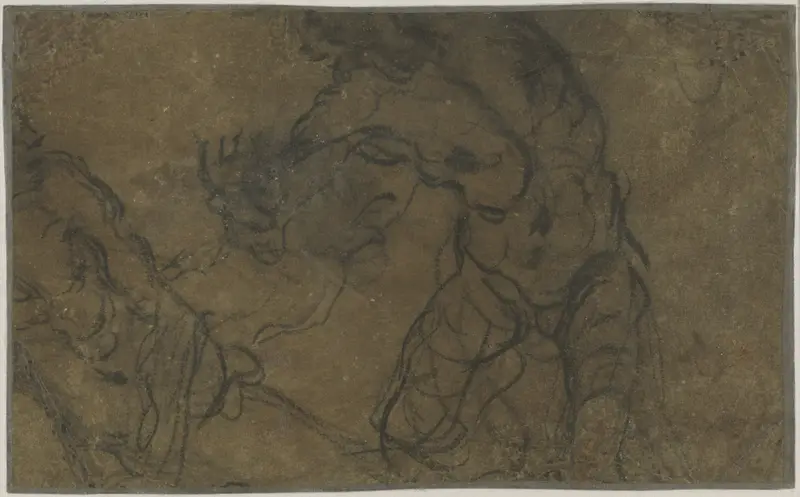
Two Male Figures in Motion (verso)
Tintoretto
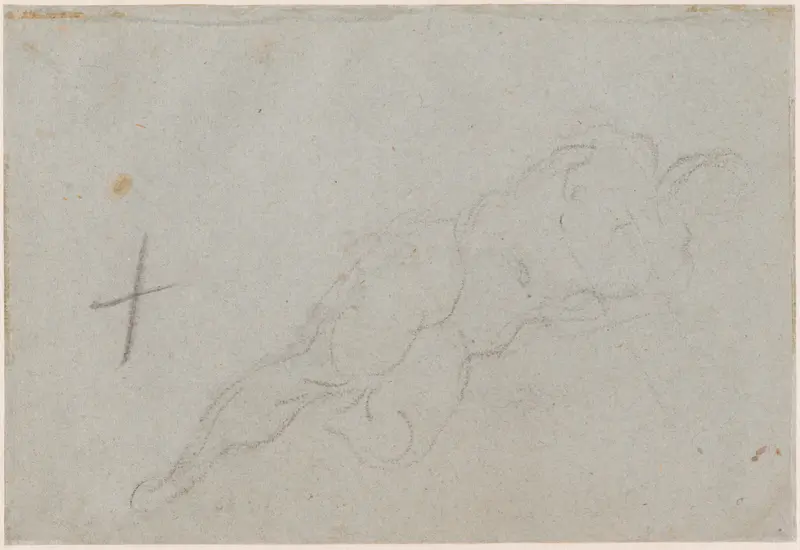
A Female Nude [verso]
Tintoretto
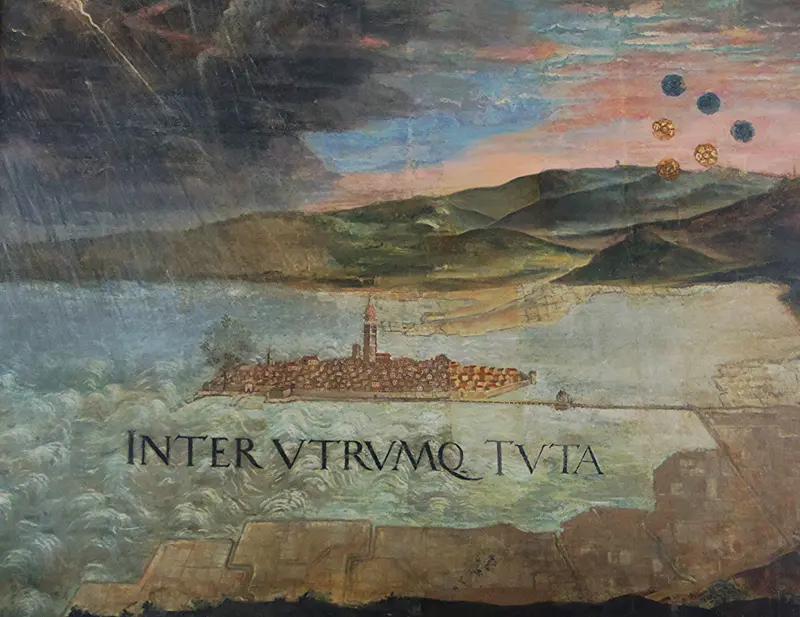
Veduta Kopra
Tintoretto





