
Portrait of a Seated Woman — History & Facts
What first catches the eye is the quiet command in the sitter’s gaze, a look that seems both reserved and unyielding. The painter, Antonis Mor, draws us in with the subtle drama of contrast: the severe black of the woman’s gown, softened by the vivid red sleeves and the delicate white of her cap and ruff. Her hands, resting with careful poise, hold a long gold chain—its intricate links catching the light, signaling both wealth and a measured restraint.
The chair’s sturdy wooden arm and the sitter’s upright posture anchor her presence, while the muted background ensures that nothing distracts from her face and the story it tells. Painted circa 1560–1570, this portrait belongs to a world where likeness was not mere record but a statement of status and virtue. In the courts and merchant houses of the Spanish Netherlands, portraits like this were tokens of lineage, marriage, or achievement—commissioned to assert dignity and continuity. Antonis Mor was renowned for his ability to capture both the outward splendor and the inner reserve of his sitters, a skill much prized in an age of shifting allegiances and rising fortunes.
Today, the painting resides in the collection of the Art Institute of Chicago, a rare surviving witness to the ambitions and anxieties of its time. Look again at her expression: in its mixture of confidence and caution, you glimpse the careful balancing act of a world on the cusp of modernity.
More Artworks by Antonis Mor

Portrait of a Man
Antonis Mor
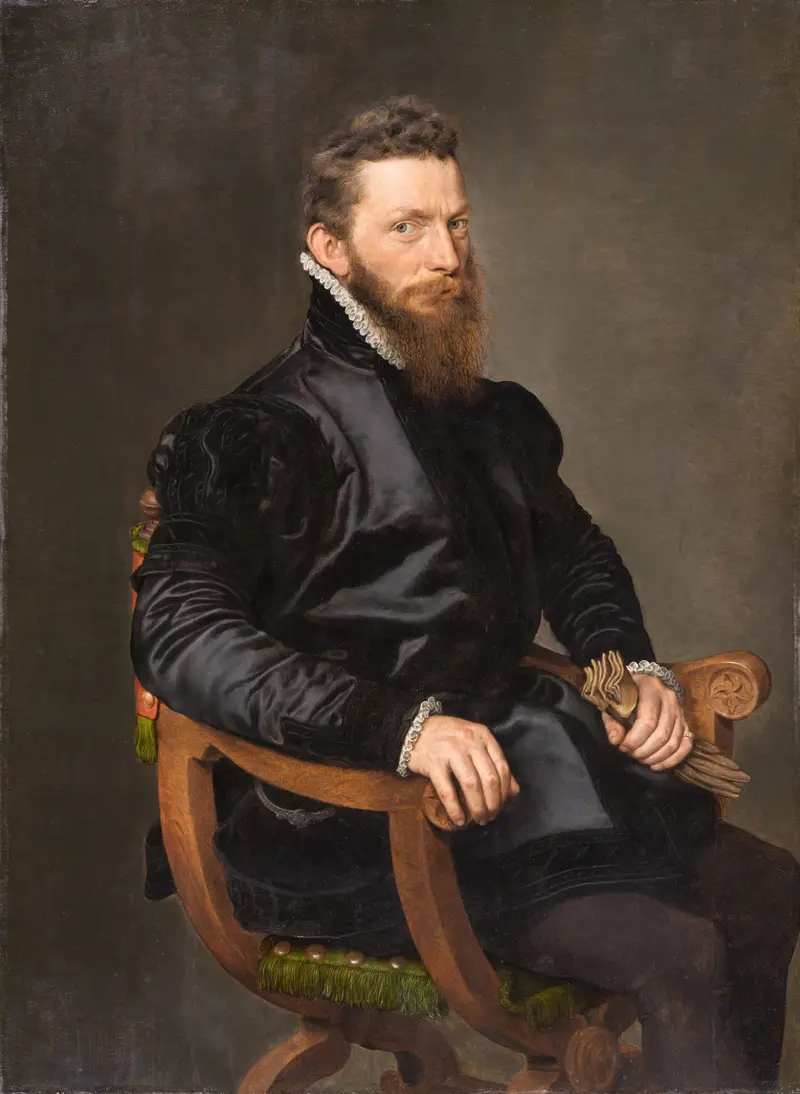
Portrait of a Gentleman
Antonis Mor
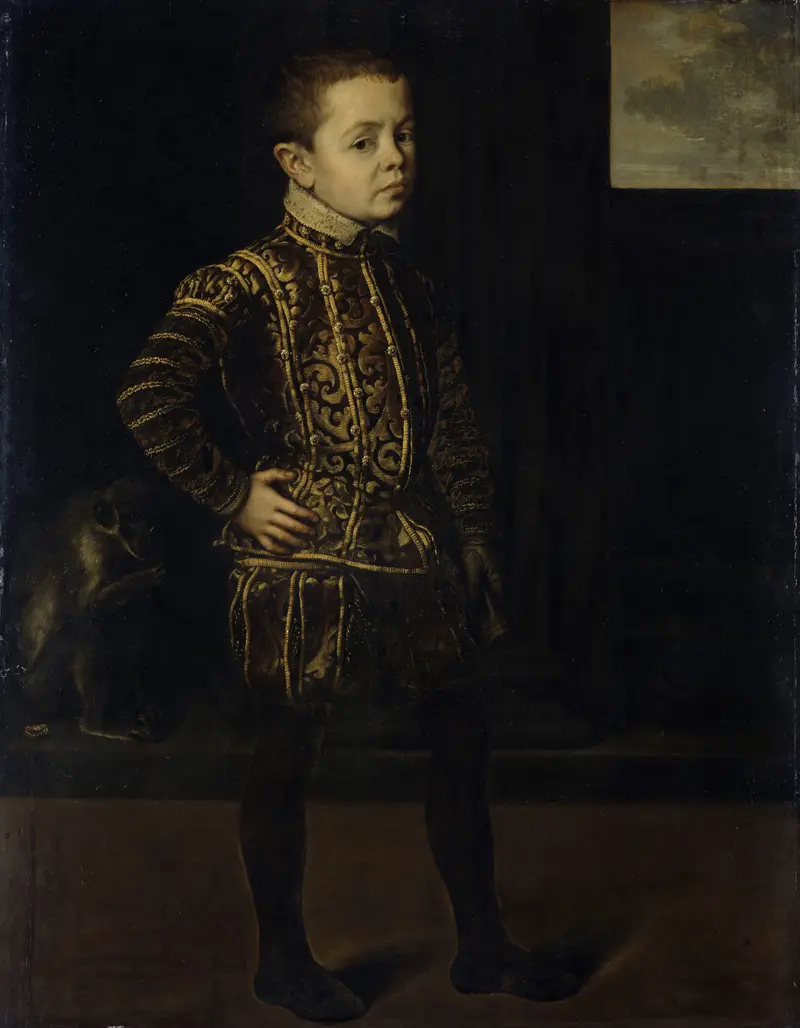
Portrait of a young prince
Antonis Mor
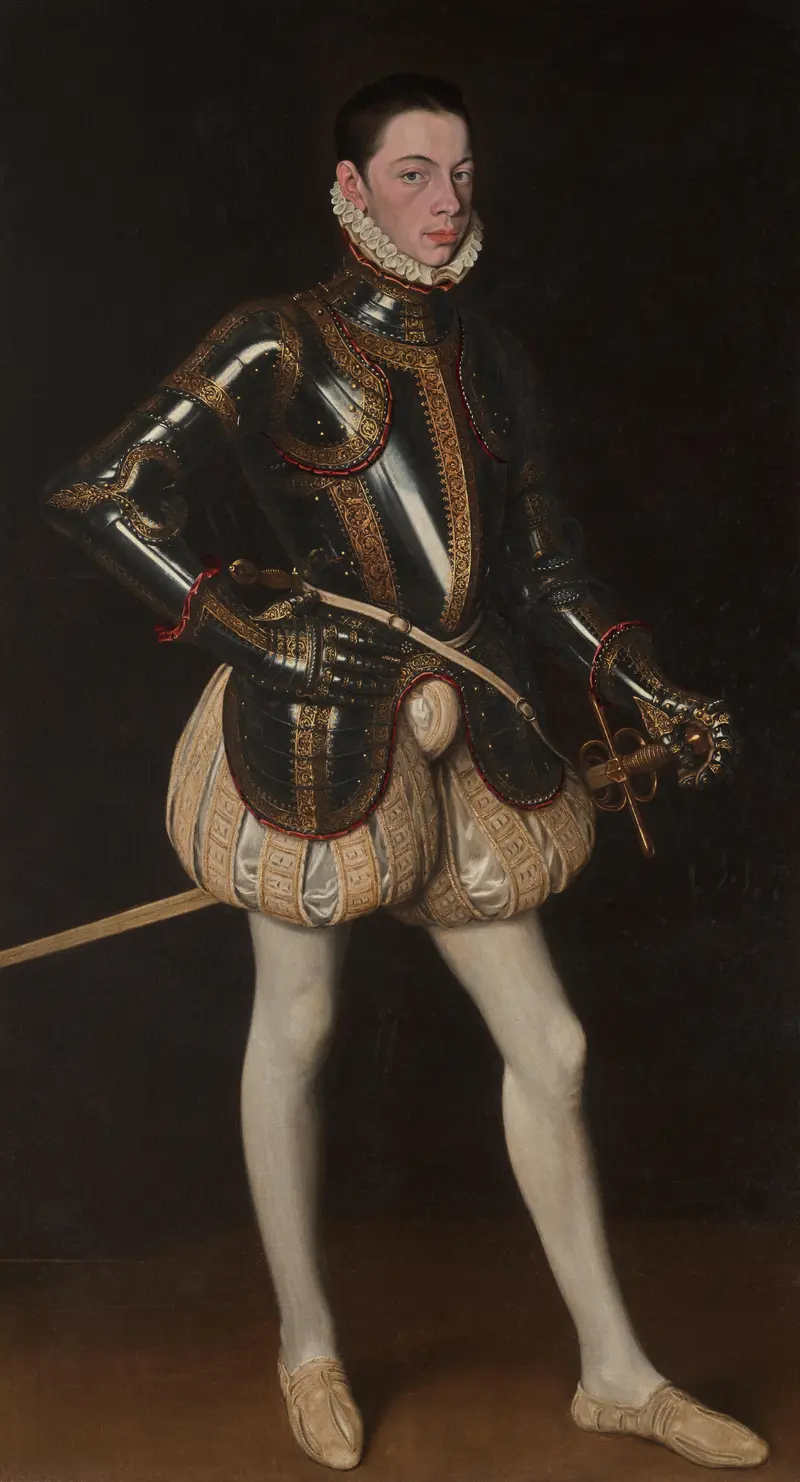
Alessandro Farnese in Armor
Antonis Mor
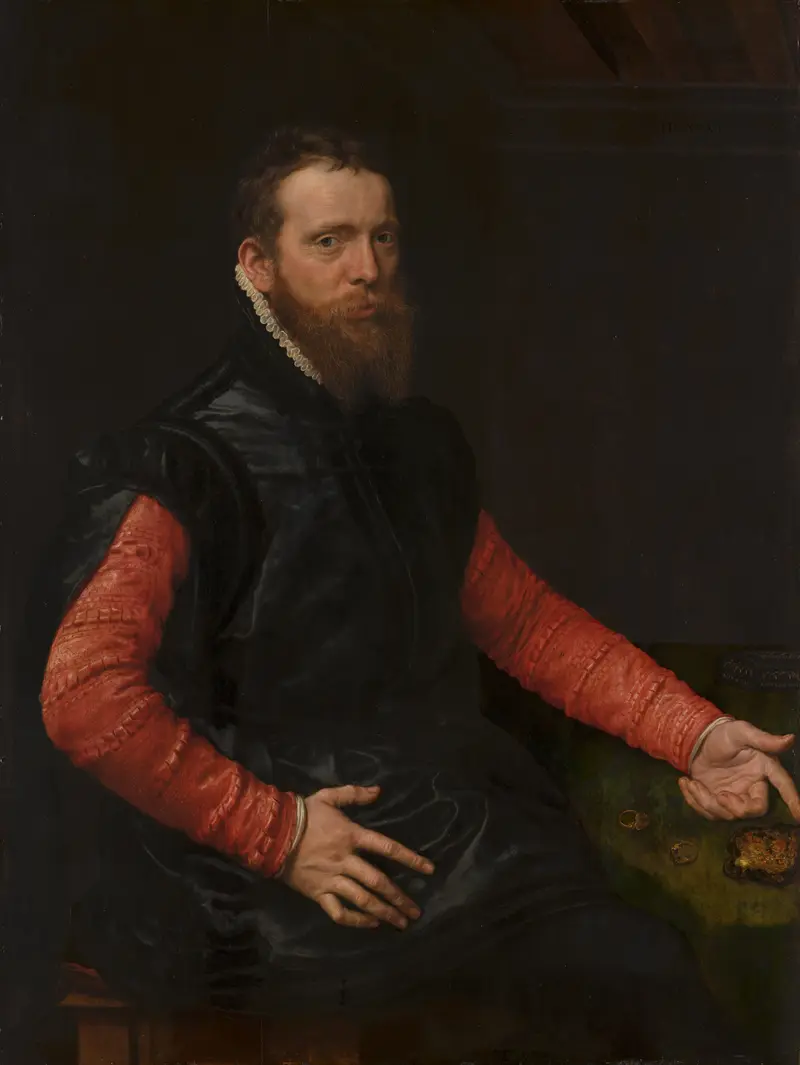
Steven van Herwijck
Antonis Mor
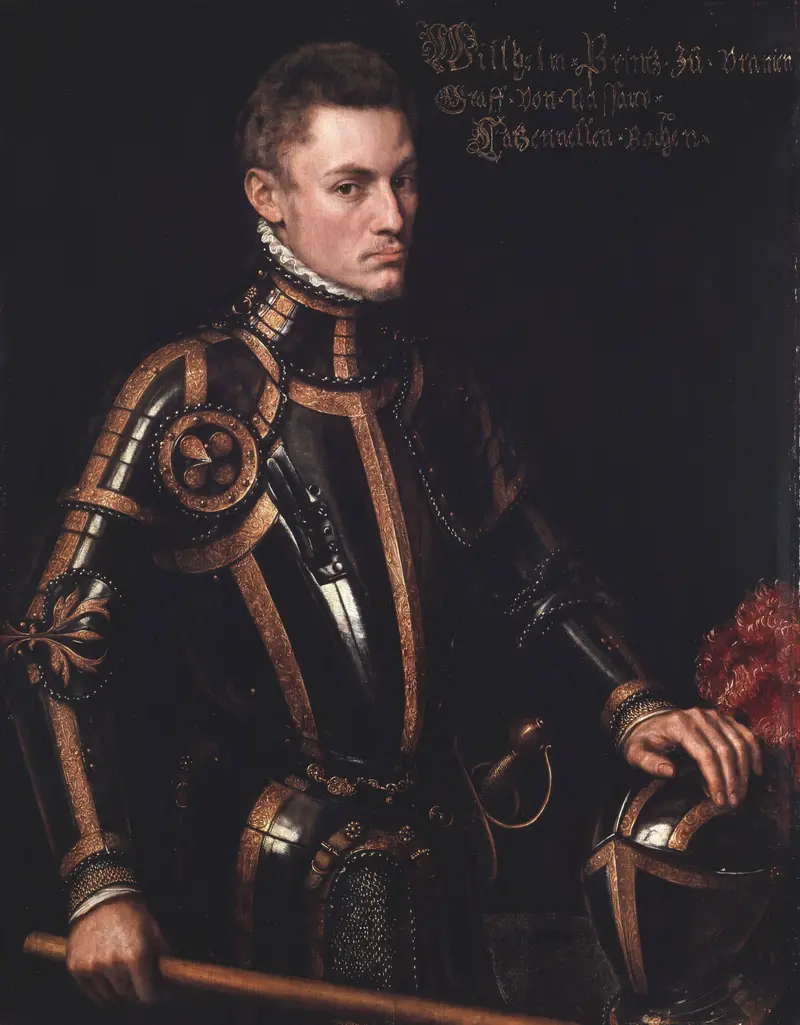
Portrait of William I of Nassau
Antonis Mor
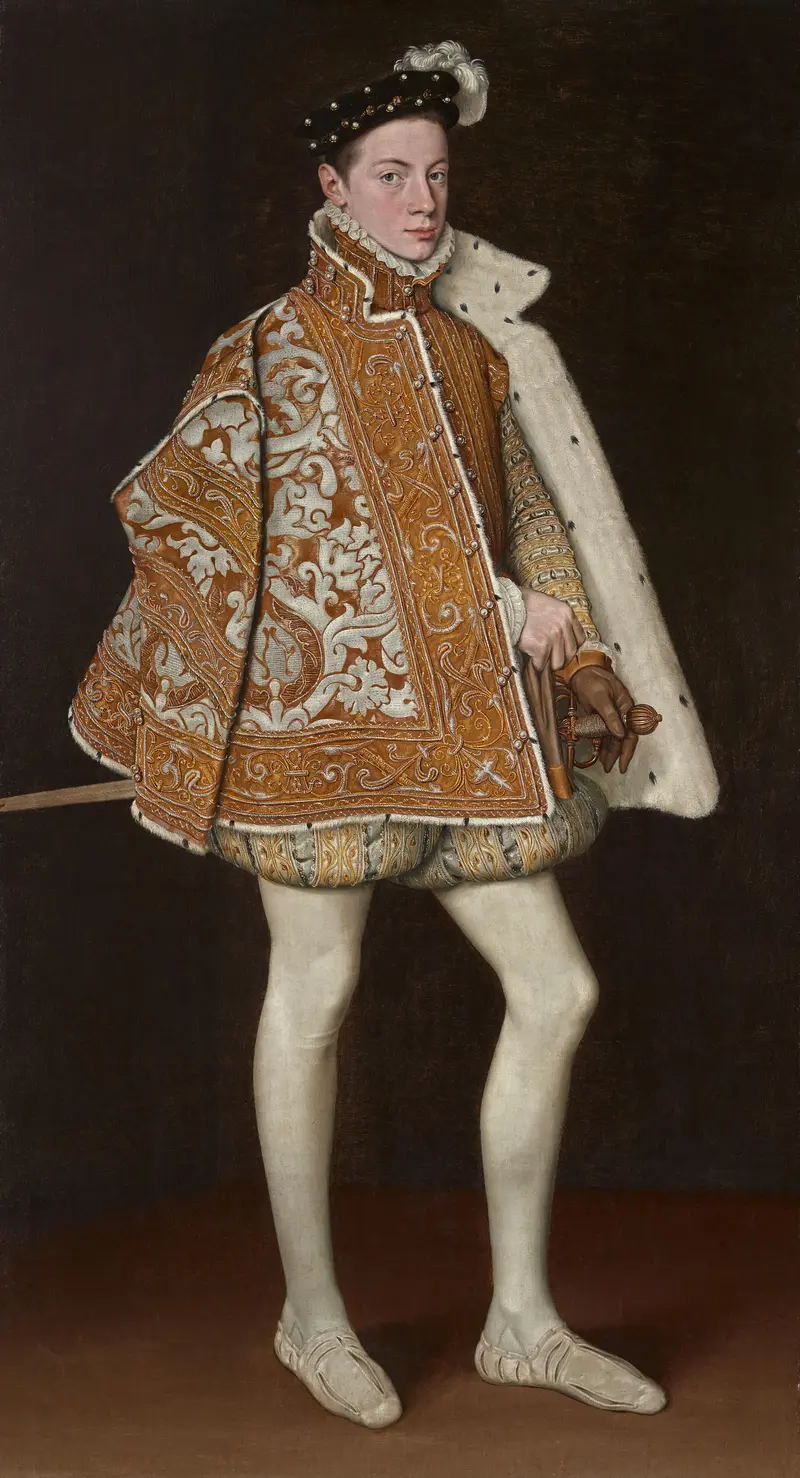
Portrait of Alessandro Farnese in Cape and Black Cap
Antonis Mor
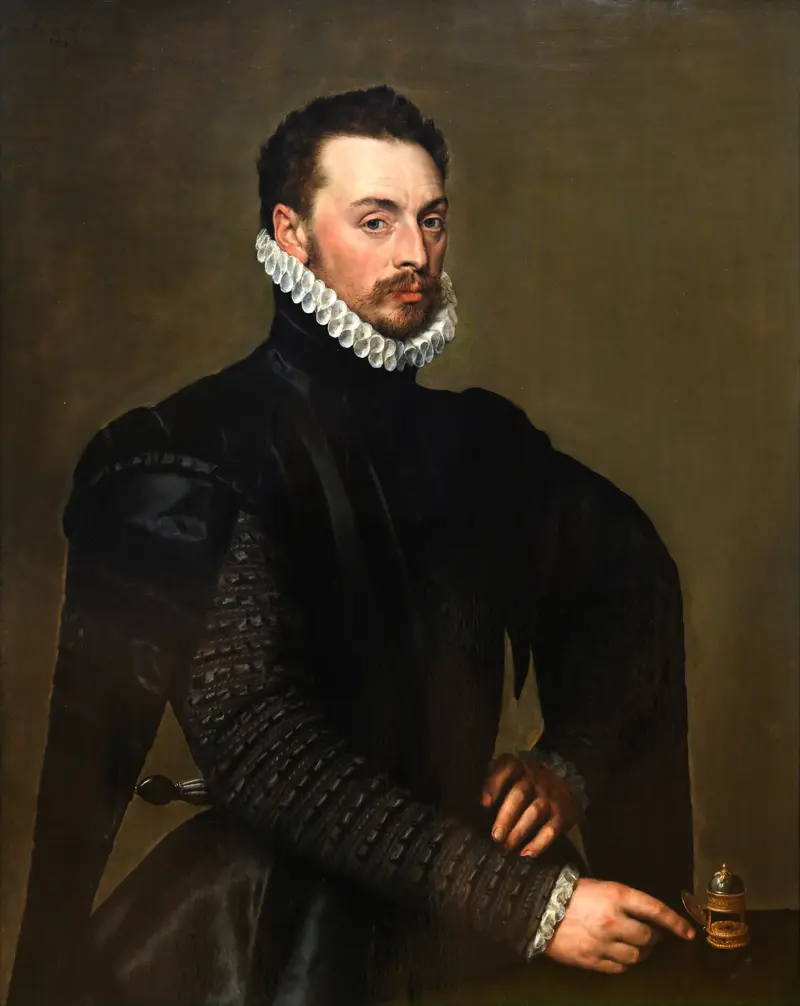
Portrait d'homme désignant une pendule Antonio Moro Musée du Louvre Peintures INV 1582 ; MR 880
Antonis Mor
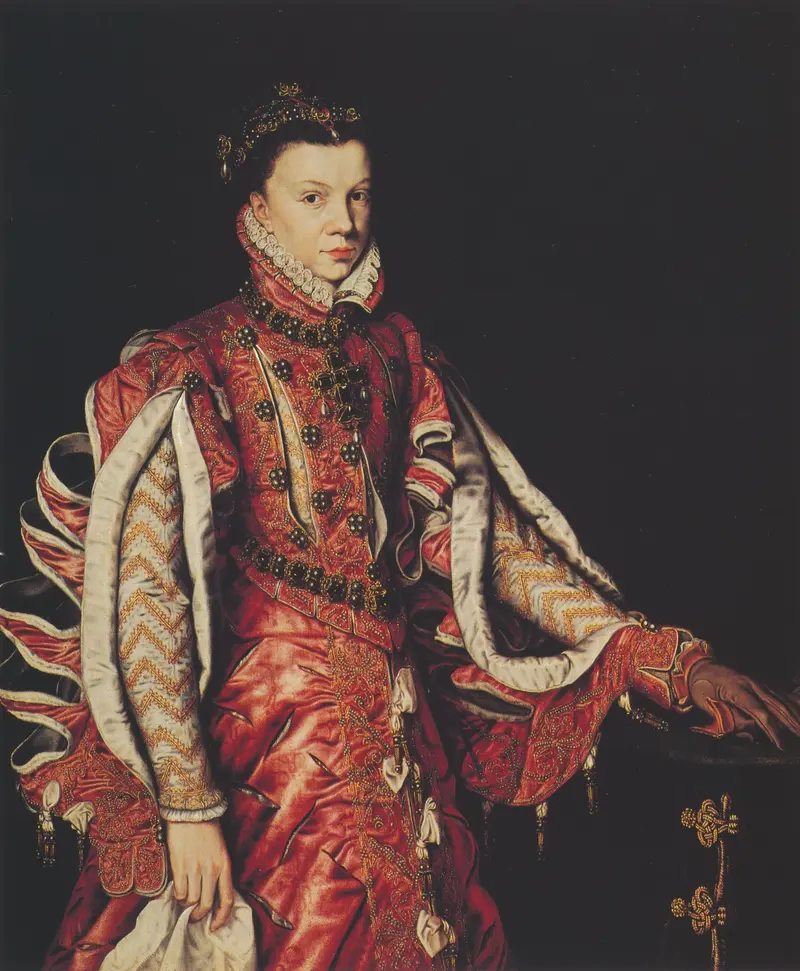
Portrait of Elisabeth of Valois, third wife of King Philip II of Spain
Antonis Mor
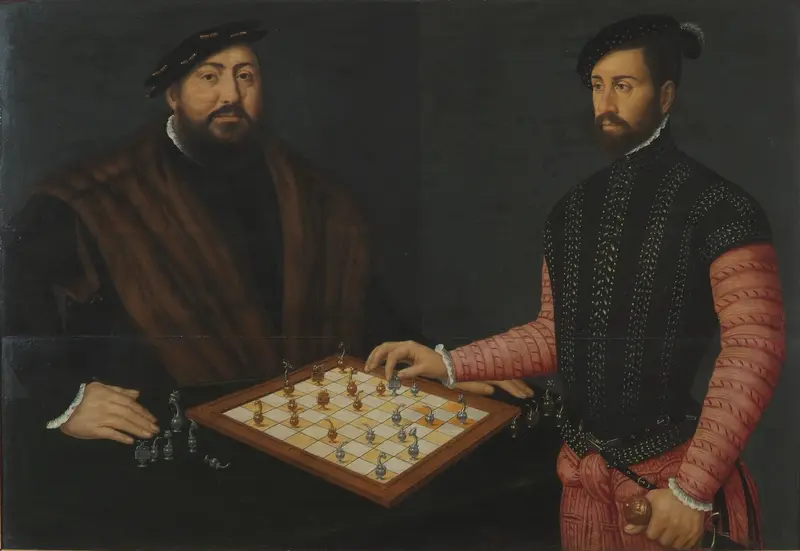
Von Sachsen vs. a Spaniard
Antonis Mor





