
Portrait of a Woman — History & Facts
What draws the eye first in Portrait of a Woman is the quiet confidence in her gaze—a look that feels both reserved and knowing, as if she is aware of the viewer’s presence but chooses to reveal only what she wishes. The light falls softly across her face and lace collar, highlighting the delicate textures and the subtle flush in her cheeks. Her hand, carefully posed, draws attention to the fine jewelry and the intricate lacework at her wrist, signaling both wealth and taste.
The muted background throws her presence into sharper relief, allowing the viewer to linger on the details of her attire: the double strand of pearls, the jeweled brooch, and the gentle curl of her hair, each detail a silent testament to status and self-possession. Painted in the mid-seventeenth century, around 1653, this portrait belongs to a world where such images were more than likenesses—they were declarations. In the Dutch Republic and England, where Adriaen Hanneman was active, portraits like this were commissioned by prosperous families to mark marriages, alliances, or simply to assert their place in society. The restrained palette and careful attention to fabric and jewelry reflect the tastes of an elite eager to balance display with decorum.
Little is recorded about this particular sitter or the journey of this painting before its arrival in the Metropolitan Museum of Art’s collection, but its survival offers a window into the aspirations and aesthetics of its era. Look again at her expression: centuries later, her composed poise still holds its secrets.
More Artworks by Adriaen Hanneman
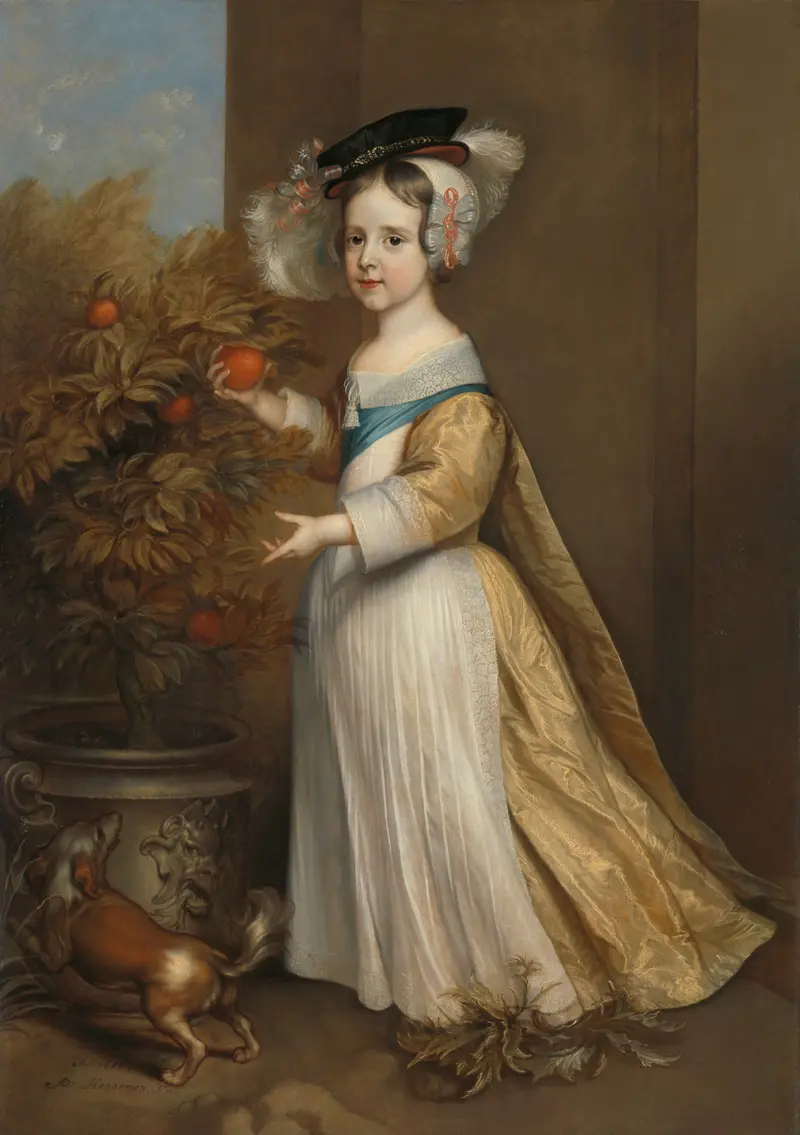
Portrait of Willem III (1650-1702), Prince of Orange, as a Child
Adriaen Hanneman
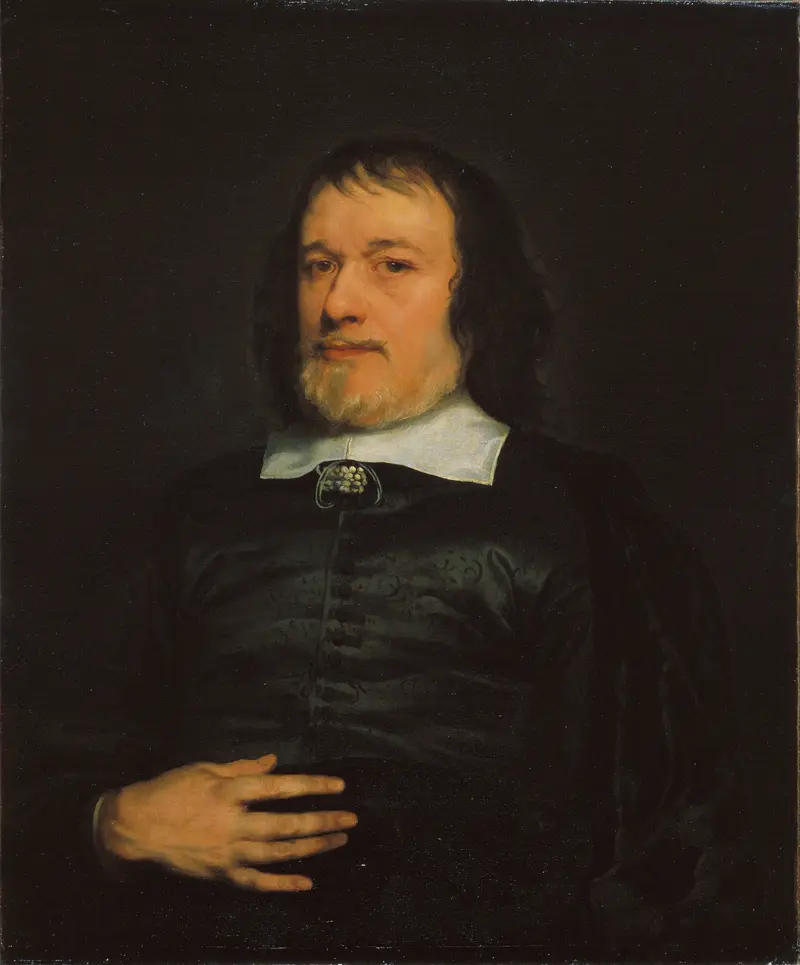
Portrait of a Gentleman
Adriaen Hanneman
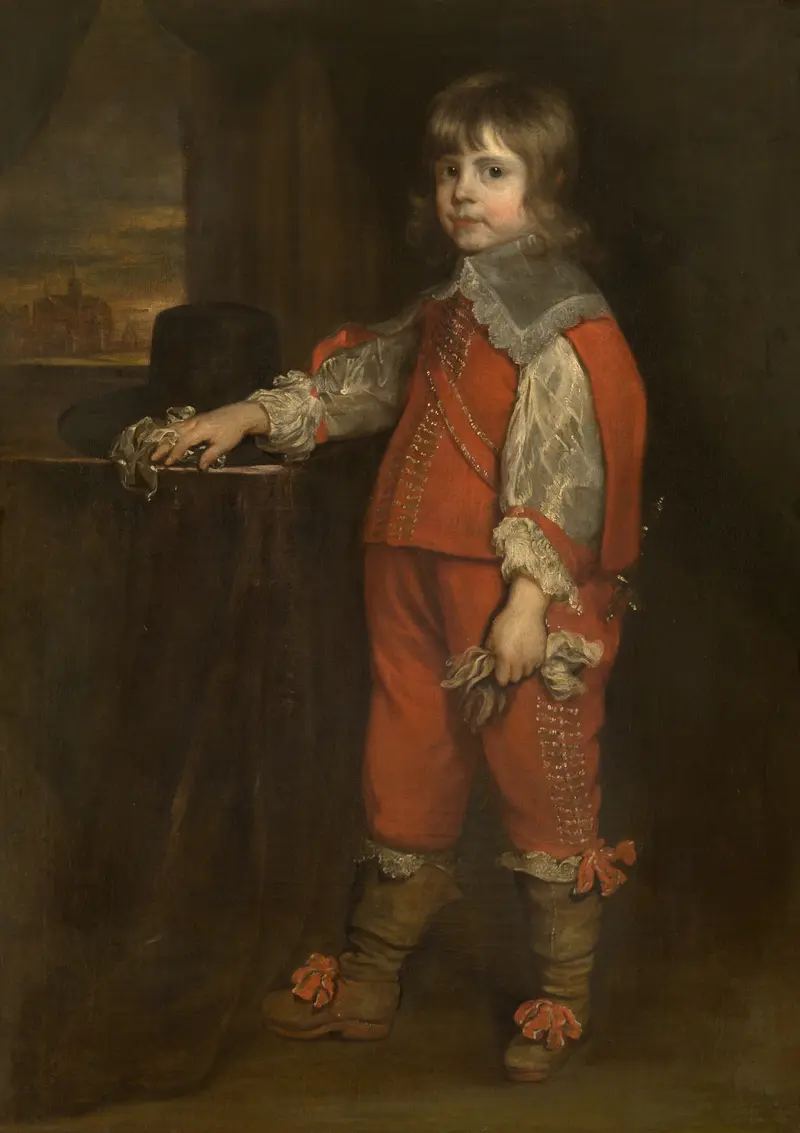
Charles II, when Prince of Wales
Adriaen Hanneman
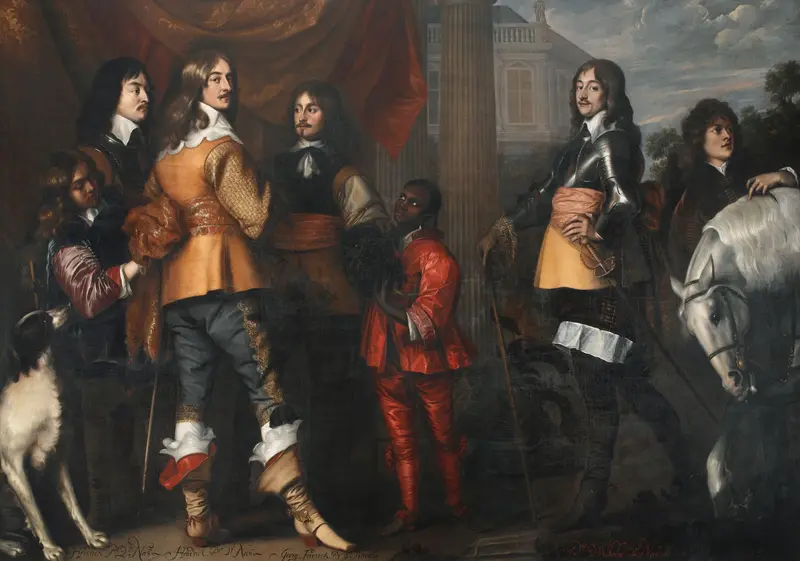
Group portrait Willem Frederik v Nassau-Dietz,Hendrik Casimir I v Nassau-Dietz,Hendrik v Nassau-Siegen,George Frederik v Nassau-Siegen with servants
Adriaen Hanneman
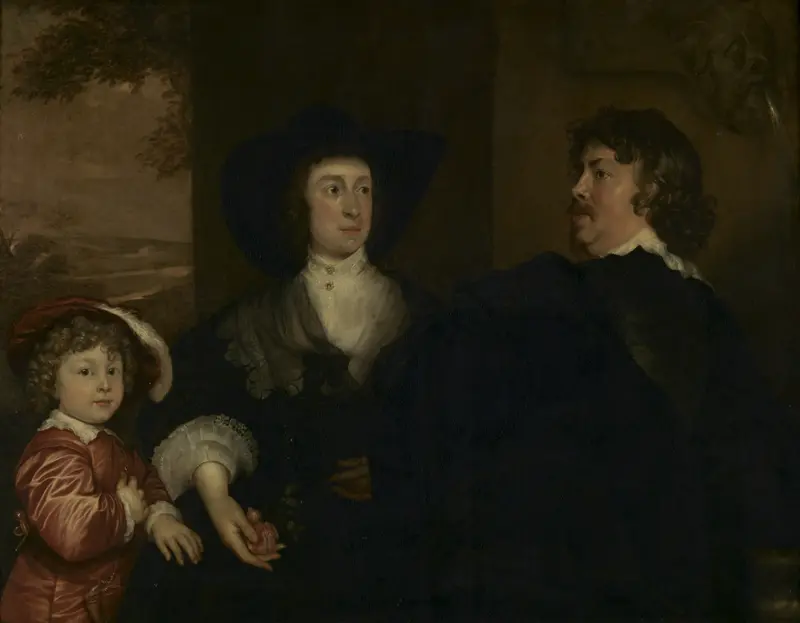
Family portrait of Cornelis Janson van Ceulen (1593-1661), Elisabeth Beck (died 1670) and their son Cornelis Janson van Ceulen (1634-1715)
Adriaen Hanneman
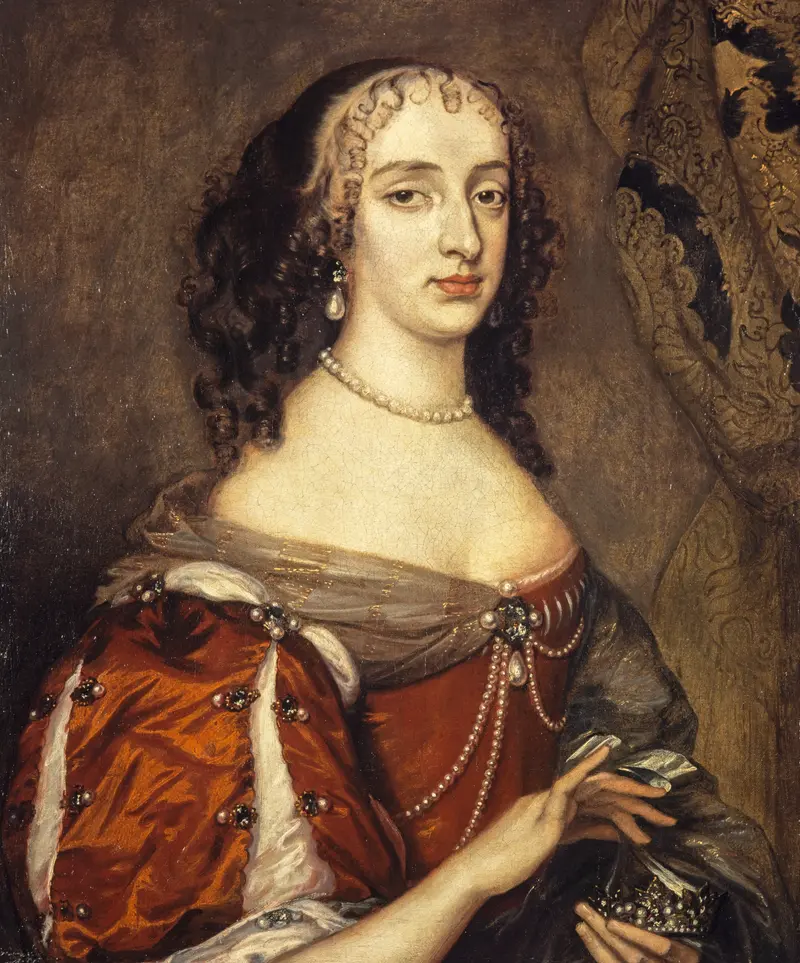
Princess Mary, 1631 - 1660. Eldest daughter of Charles I; Princess of Orange
Adriaen Hanneman
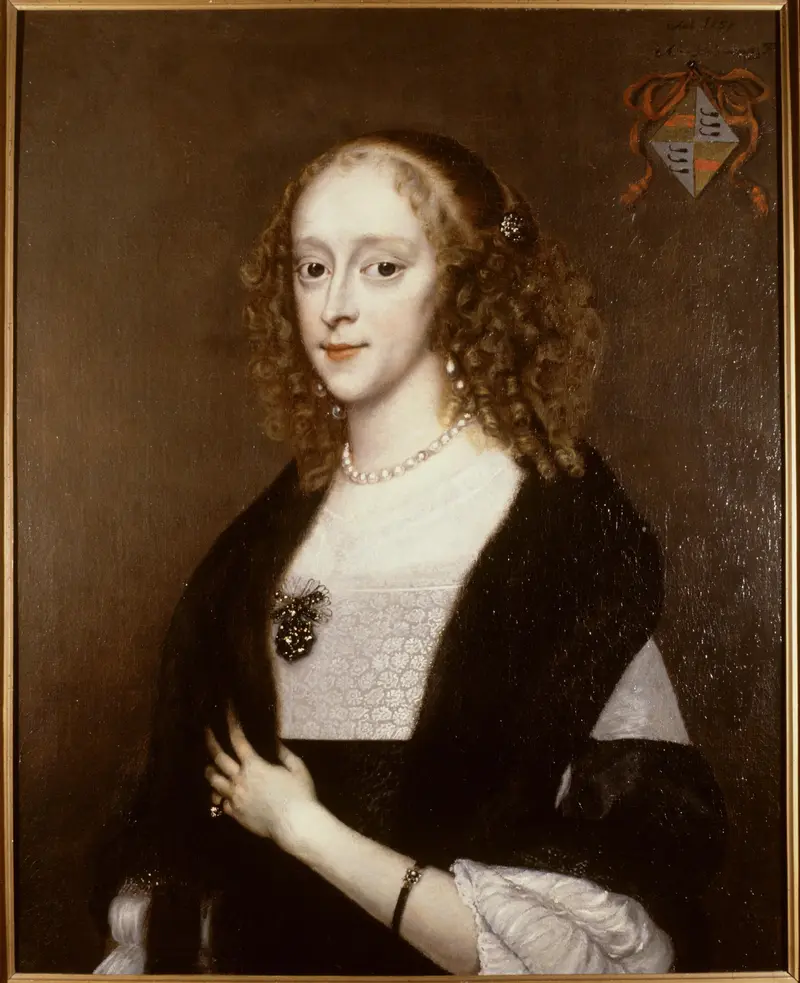
Portrait of Wendela Bicker (1636-1668)
Adriaen Hanneman
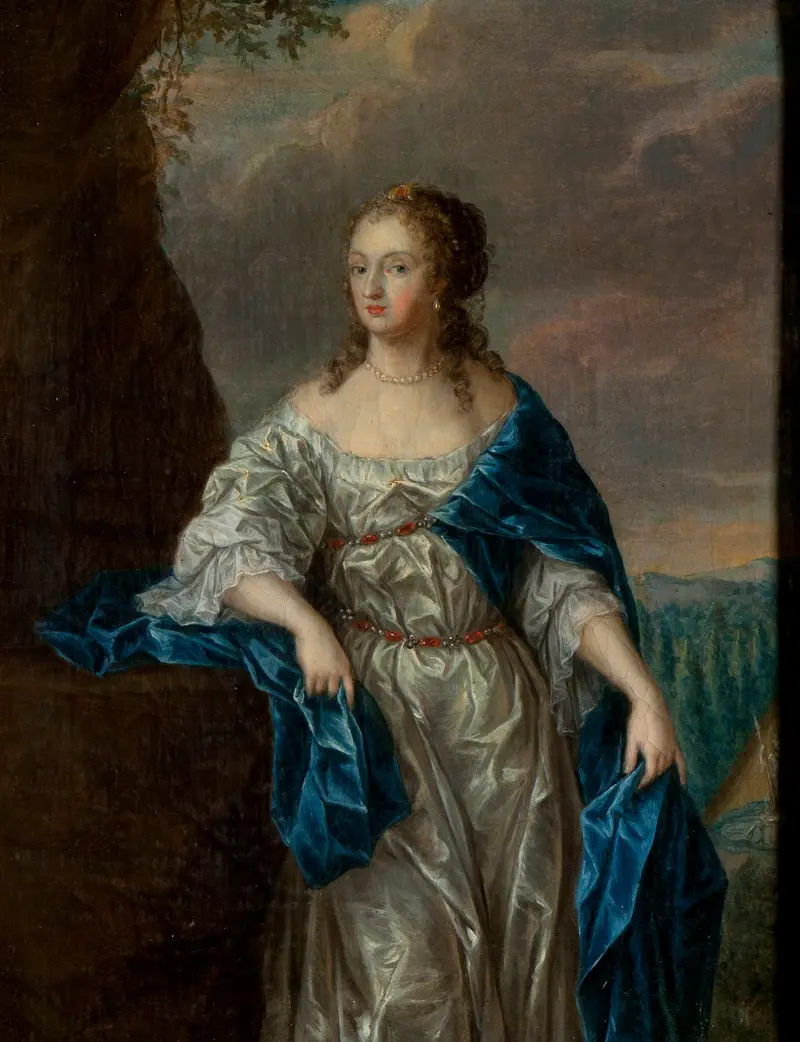
Mary Killegrew (born 1627), Countess of Nassau. Wife of Frederik van Nassau-Zuylenstein
Adriaen Hanneman
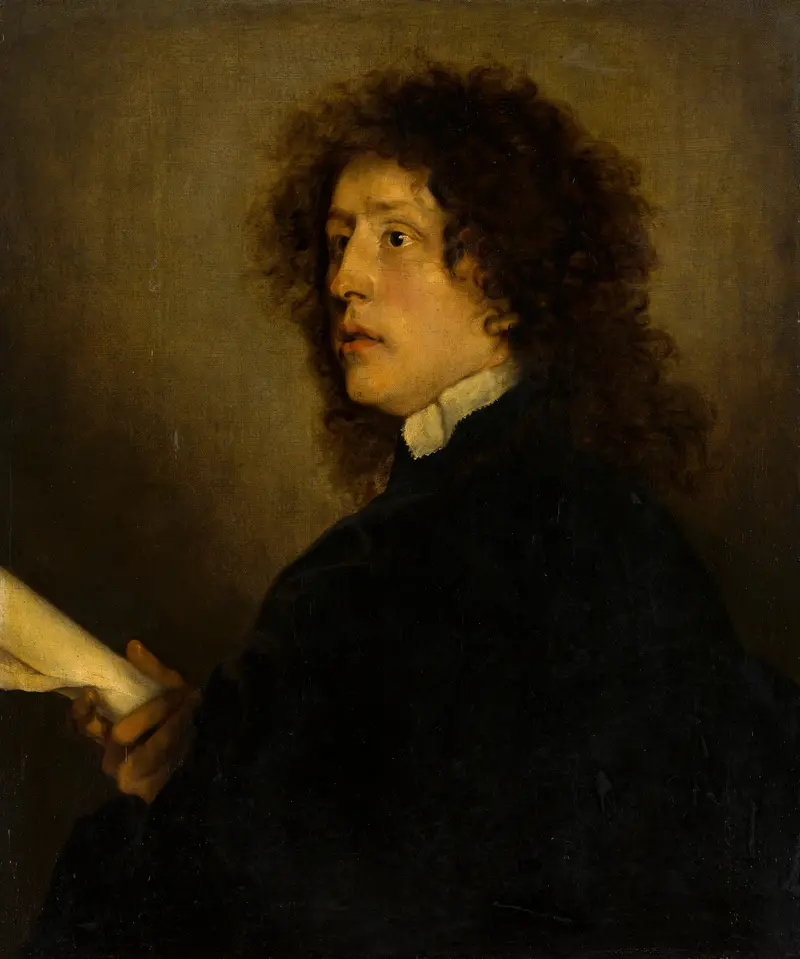
Portrait of a Man
Adriaen Hanneman
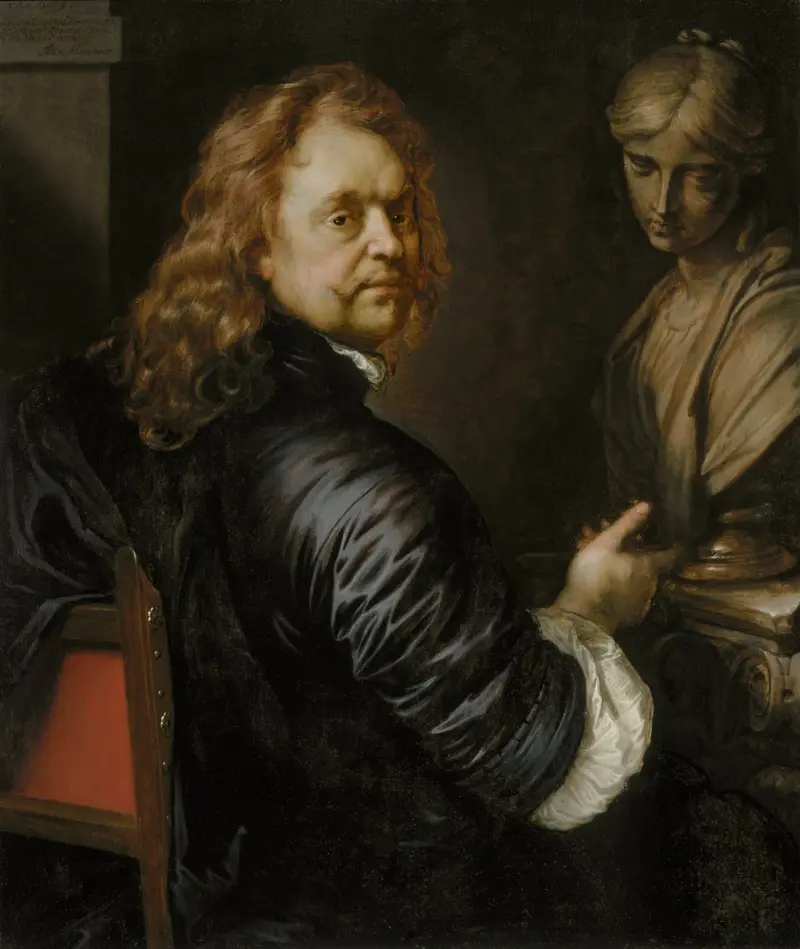
Self-portrait
Adriaen Hanneman





