
Portrait of a woman in a ruff collar — History & Facts
No one knows the true identity of the sitter in Portrait of a woman in a ruff collar, and this mystery has fascinated viewers and scholars for centuries. Despite the anonymity, the painting stands as one of the finest examples of Frans Hals' ability to capture the individuality of his subjects—so much so that, according to a 17th-century inventory, it was once mistaken for a likeness of a Haarlem noblewoman. The ruff collar, fashionable in the Dutch Republic around 1630, signals both status and the sitter’s adherence to the strict social codes of her time.
The painting’s uncertain provenance has spurred lively debate, with some suggesting it may have once formed a pendant pair with a lost or unidentified male portrait. The woman’s gaze meets the viewer directly, her lips parted in a hint of a smile—a hallmark of Frans Hals’ lively portraiture. Her elaborate ruff, rendered in quick, confident brushstrokes, frames her face like a halo, while the deep black of her dress throws her pale features into sharp relief. The hand resting gently on her chest, fingers splayed, may indicate modesty or self-assurance, a gesture open to interpretation.
Unlike the more static, idealized portraits of Anthony van Dyck, Hals’s sitter feels immediate and present, her humanity shining through the conventions of her costume. The light, falling from the left, animates the delicate textures of lace and skin, drawing the viewer into a moment of silent conversation. Though the exact commission is unknown, Portrait of a woman in a ruff collar likely originated in Haarlem, where Frans Hals spent most of his prolific career painting the city’s elite. Over the centuries, the painting has passed through several private collections, sometimes misattributed or paired with other works by Hals’s workshop.
Its journey to the present gallery reflects the shifting fortunes of Dutch portraiture, which fell out of fashion in the 18th century before being rediscovered by collectors and museums in the 19th. Today, the portrait is celebrated not only as a testament to Hals’s technical skill but also as a window into the lives and aspirations of the Dutch Golden Age.
More Artworks by Frans Hals

Banquet of the Officers of the St George Civic Guard
Frans Hals

Portrait of Jacob Pietersz Olycan (1596-1638)
Frans Hals
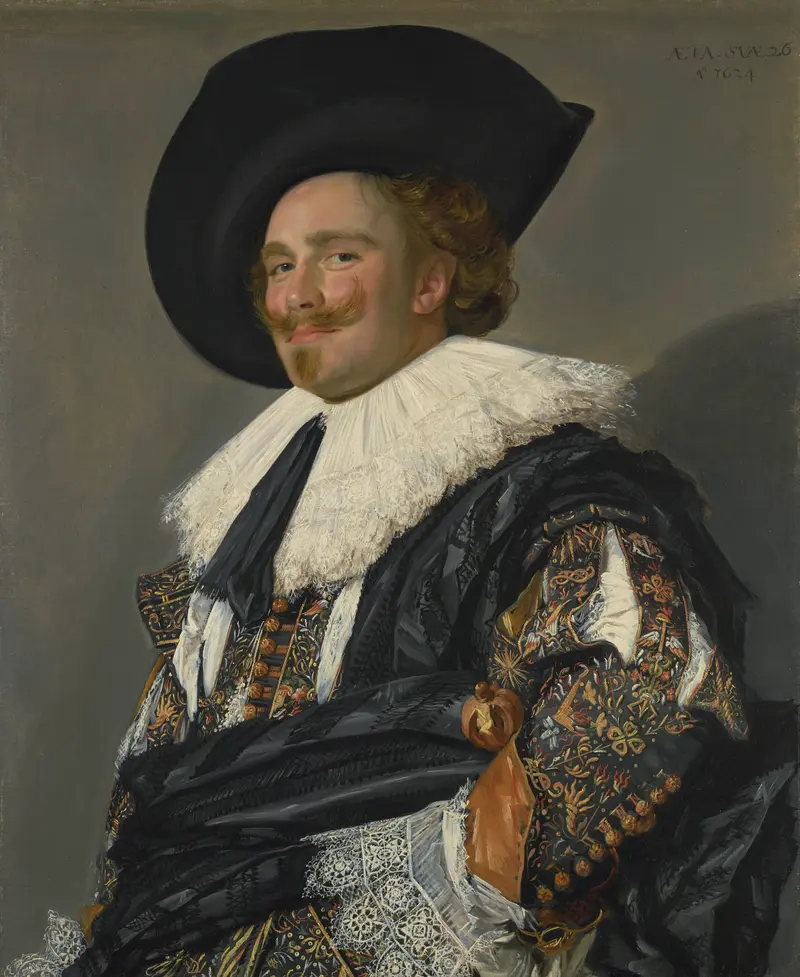
Laughing Cavalier
Frans Hals

Militia Company of District XI under the Command of Captain Reynier Reael, Known as ‘The Meagre Company’
Frans Hals
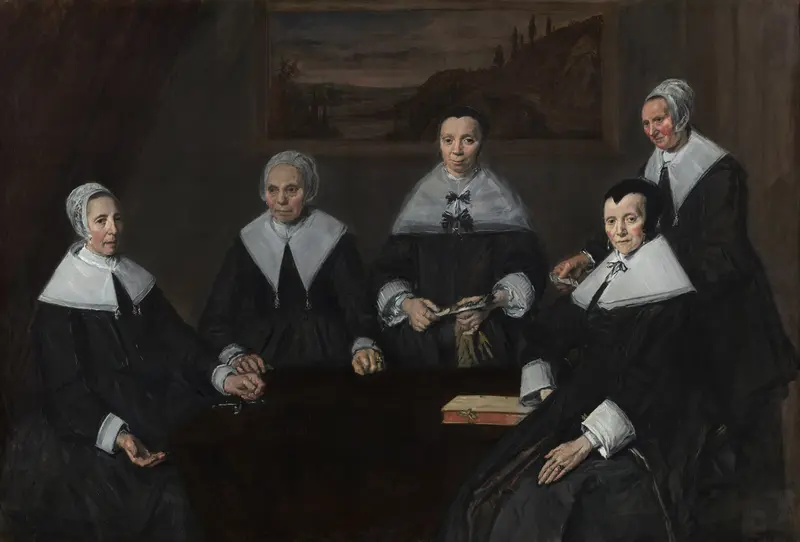
Regentesses of the Old Men's Alms House
Frans Hals
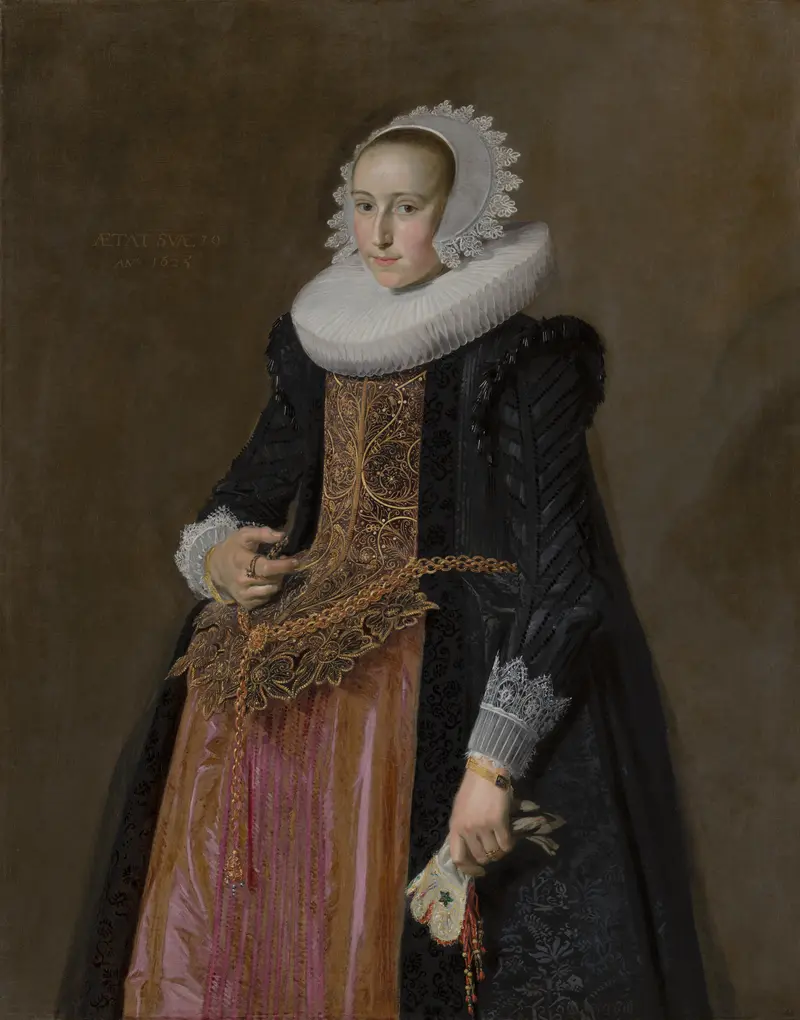
Portrait of Aletta Hanemans (1606–1653)
Frans Hals
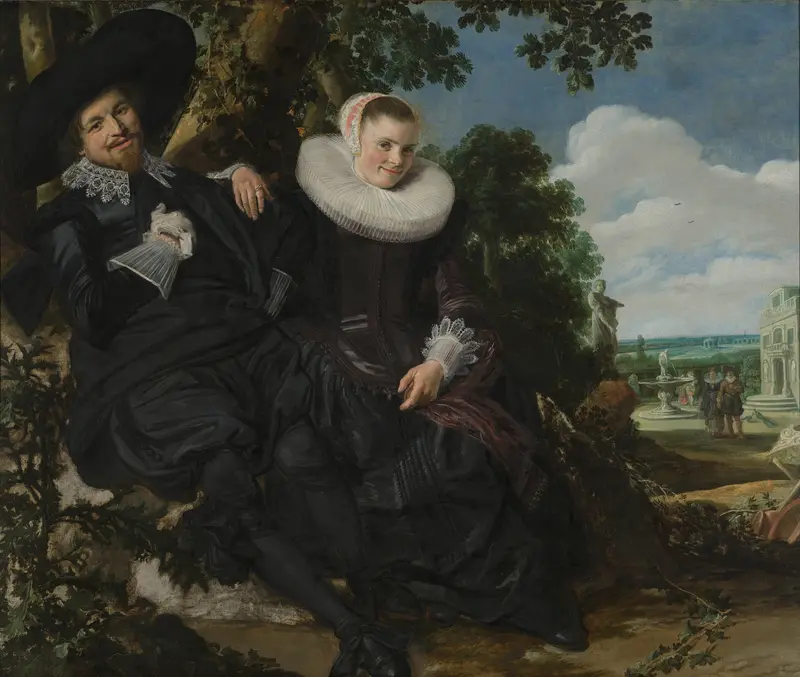
Portrait of a Married Couple, Likely Isaac Abrahamsz Massa and Beatrix van der Laen
Frans Hals
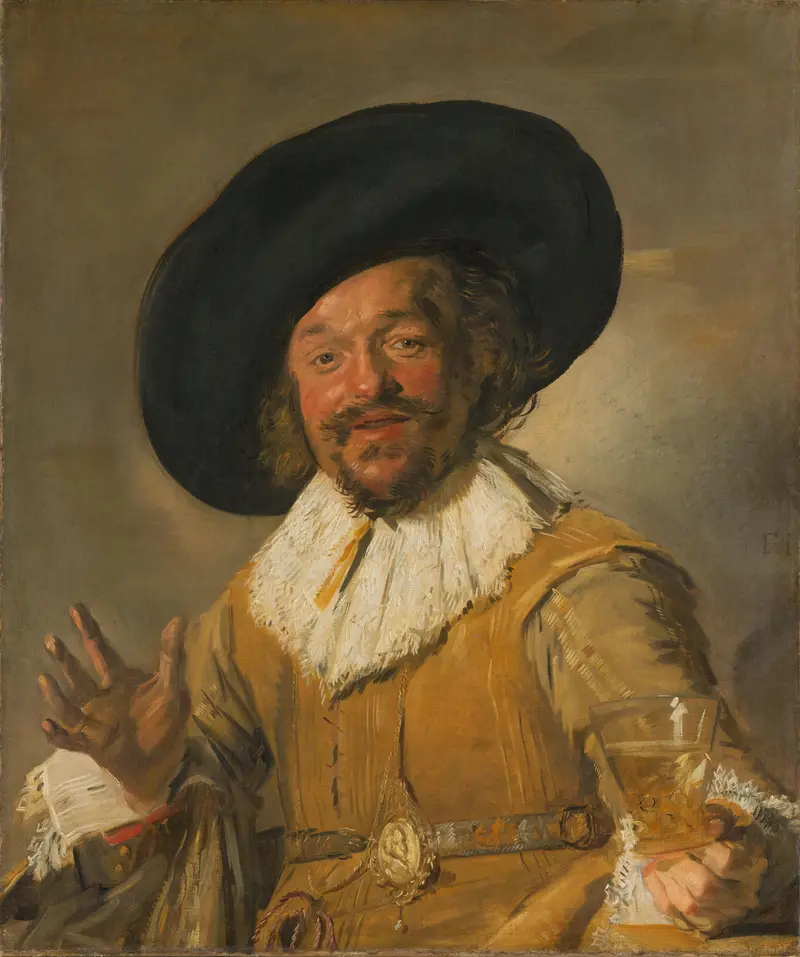
The Merry Drinker
Frans Hals
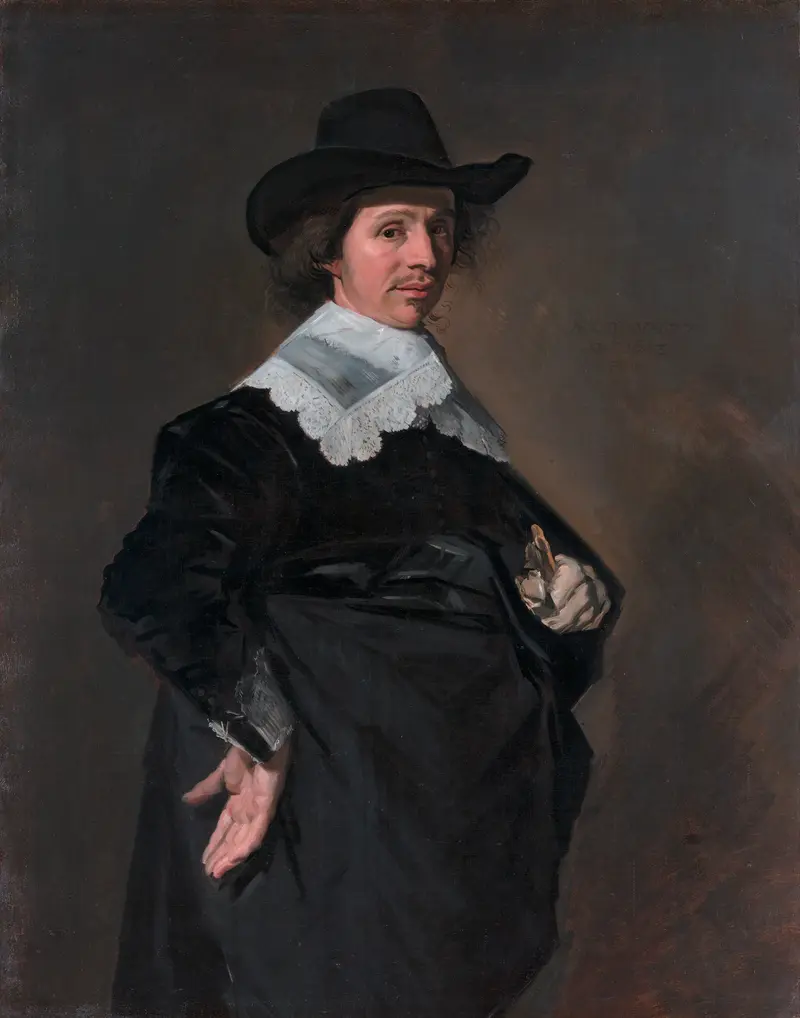
Portrait of Paulus Verschuur
Frans Hals
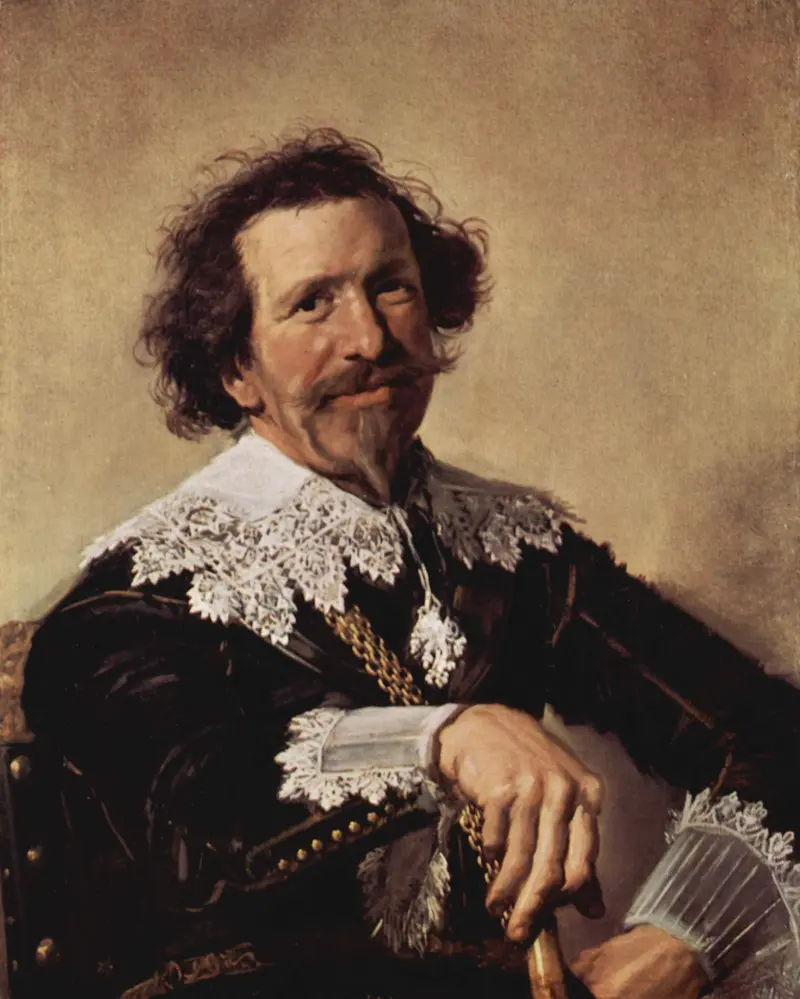
Portrait of Pieter van den Broecke
Frans Hals





