
Portrait of Aernout Druyvesteyn (after his civic guard portrait) — History & Facts
In the bustling city of Haarlem around 1650, Frans Hals was at the height of his career, renowned for his lively portraits of the city’s elite and its civic guards. What makes Portrait of Aernout Druyvesteyn (after his civic guard portrait) especially intriguing is its likely origin: it appears to be a private commission, painted after Druyvesteyn’s appearance in one of Hals’s grand group portraits of the local militia. This practice—extracting individual likenesses from larger civic guard paintings—was a testament to both the sitter’s pride and Hals’s popularity, as sitters sought to own a more personal remembrance of their public service. Here, Aernout Druyvesteyn is captured at a moment of poised dignity, his gaze direct, his lips caught in a fleeting half-smile.
The composition echoes the bravado and camaraderie of the original militia scene, yet in this intimate format, the accessories—perhaps a sash or the glint of armor—take on new significance, signaling status and civic duty. Hals’s brushwork is famously loose and energetic, giving Druyvesteyn’s features a sense of immediacy and vitality, much as in Rembrandt’s portraits of Amsterdam’s burghers, but with a lighter, more conversational air. The play of light across the sitter’s face and hands draws the viewer in, inviting speculation about the man behind the uniform. The precise journey of this painting after its creation is not fully documented, a common fate for many of Hals’s smaller portraits.
It is likely that the work remained in private hands for generations, cherished as a family heirloom, before entering the art market in the nineteenth or twentieth century as interest in Dutch Golden Age portraiture surged. Today, it stands as a testament to Hals’s skill at capturing both the public and private faces of Haarlem’s citizens, and to the enduring appeal of personal portraiture in an age of civic pride. The painting’s attribution to Frans Hals has rarely been doubted, as its lively execution and psychological insight are hallmarks of the artist’s mature style.
More Artworks by Frans Hals

Banquet of the Officers of the St George Civic Guard
Frans Hals

Portrait of Jacob Pietersz Olycan (1596-1638)
Frans Hals
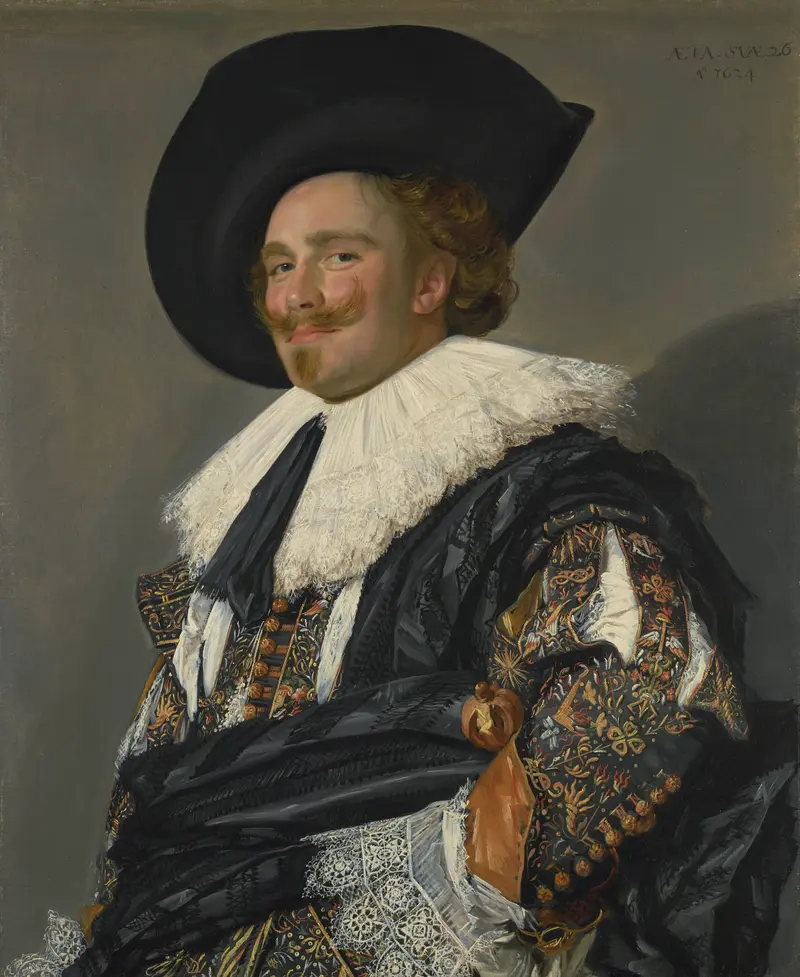
Laughing Cavalier
Frans Hals

Militia Company of District XI under the Command of Captain Reynier Reael, Known as ‘The Meagre Company’
Frans Hals
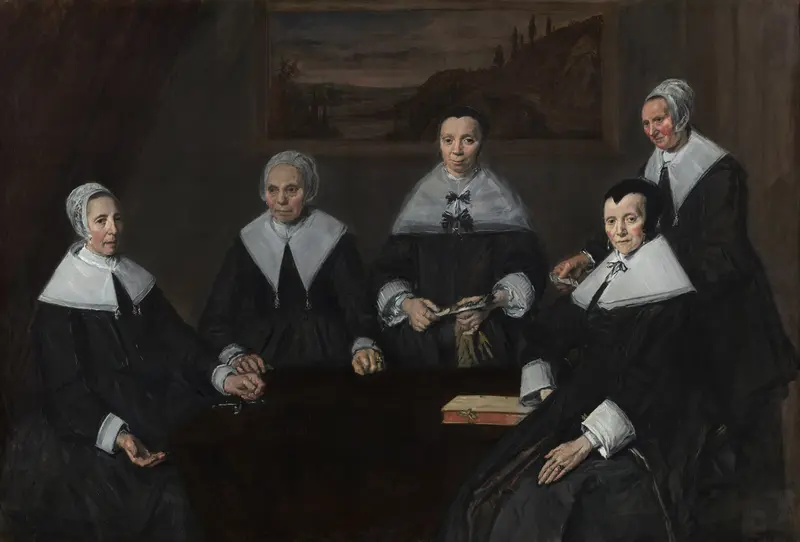
Regentesses of the Old Men's Alms House
Frans Hals
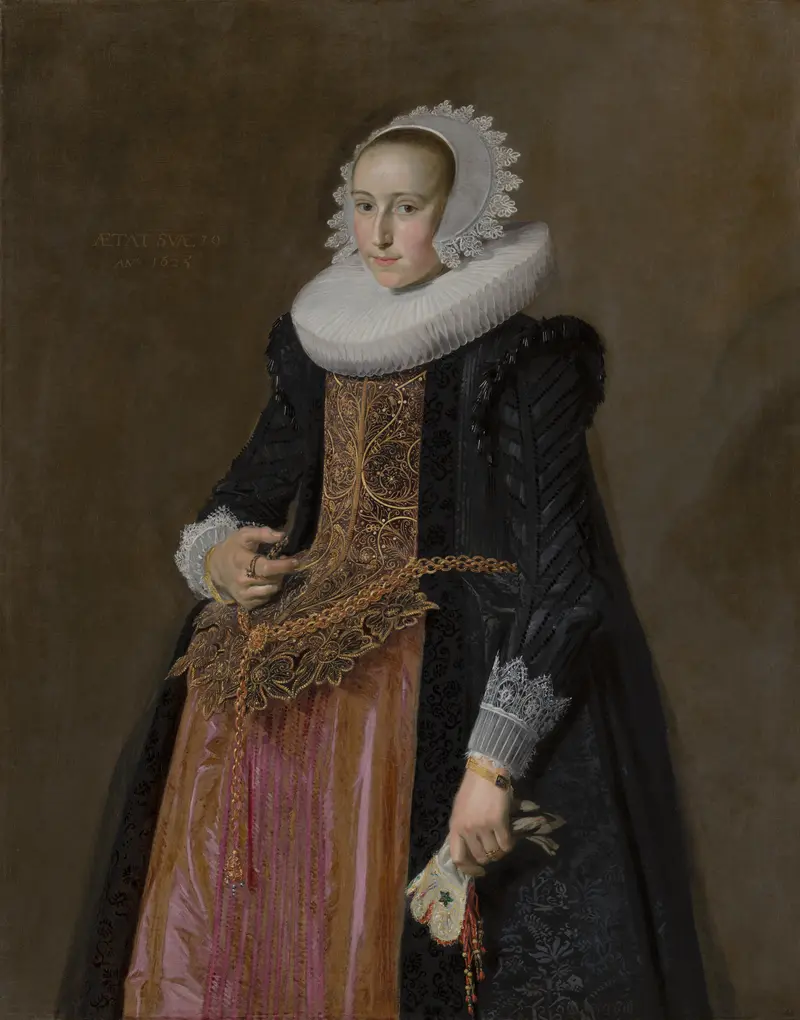
Portrait of Aletta Hanemans (1606–1653)
Frans Hals
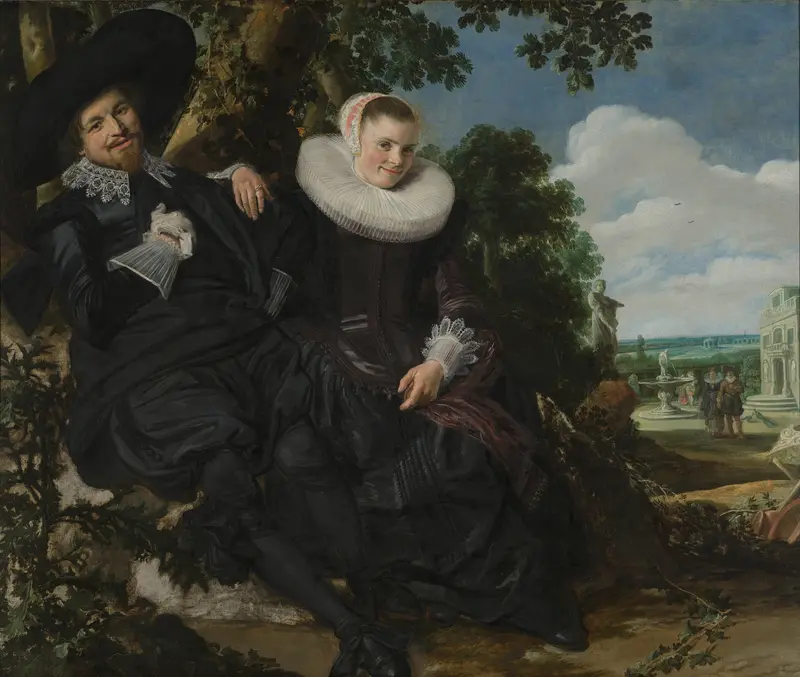
Portrait of a Married Couple, Likely Isaac Abrahamsz Massa and Beatrix van der Laen
Frans Hals
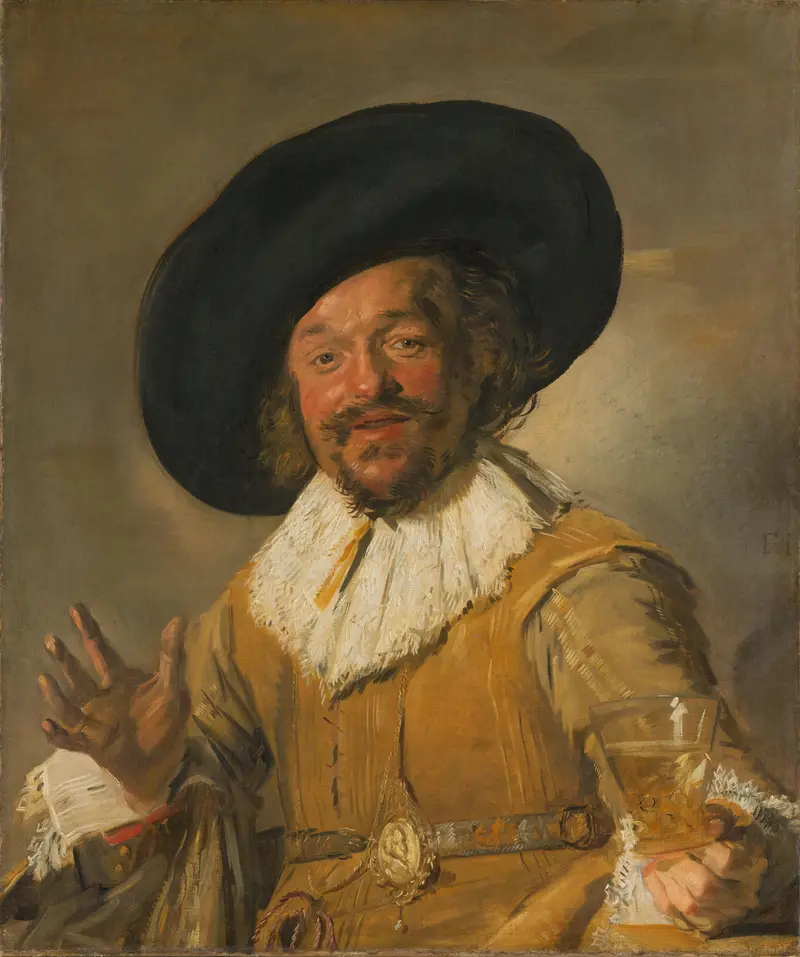
The Merry Drinker
Frans Hals
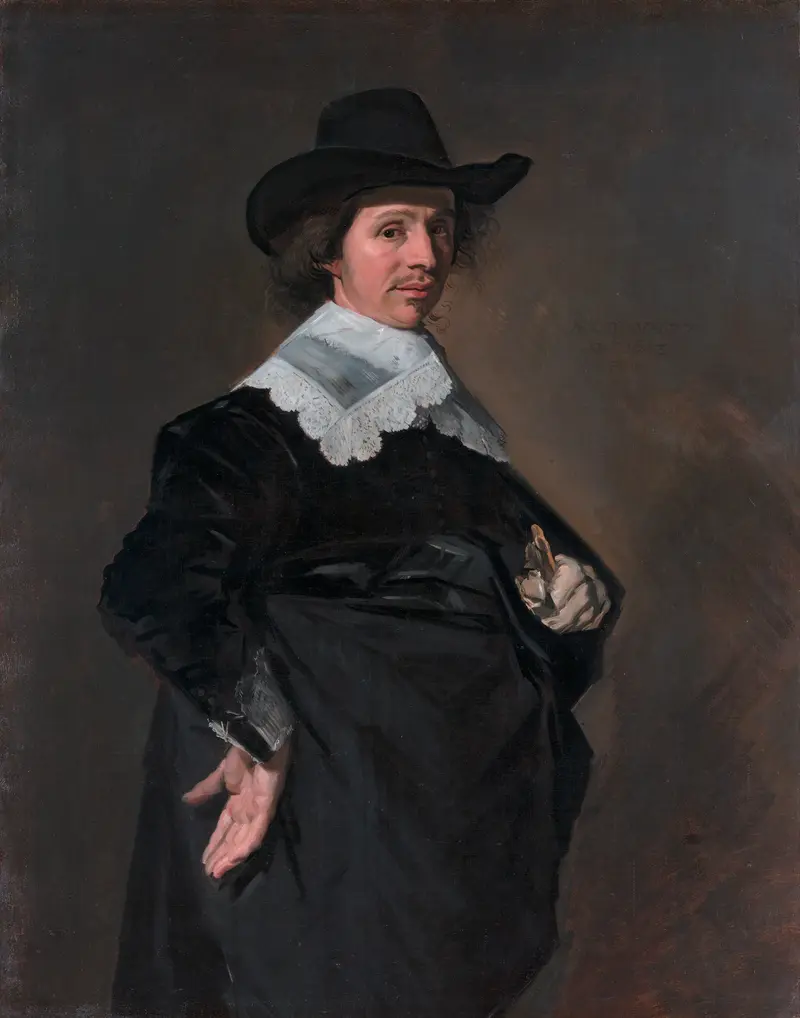
Portrait of Paulus Verschuur
Frans Hals
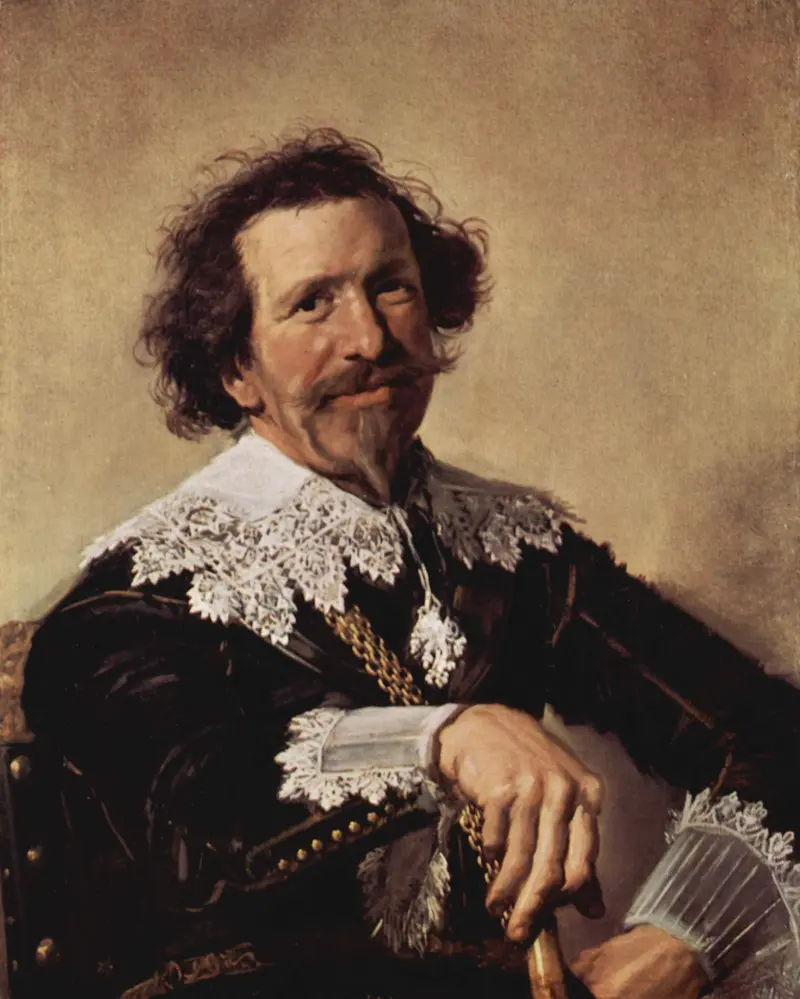
Portrait of Pieter van den Broecke
Frans Hals





