
Portrait of an unknown — History & Facts
When Portrait of an unknown was completed in 1838, its creator, Taras Shevchenko, was still an art student—yet already the work hints at the remarkable journey that would make him Ukraine’s national poet and a symbol of its cultural awakening. The sitter’s identity remains a mystery, despite efforts by scholars to match the face to Shevchenko’s circle of friends and patrons in Saint Petersburg. This anonymity has fueled speculation: was this a fellow serf, a benefactor, or perhaps a mirror of Shevchenko’s own aspirations? The painting stands at the threshold of Shevchenko’s emancipation, just four years before he would gain his freedom from serfdom through the intervention of Russian artists and intellectuals. The unknown sitter meets the viewer’s gaze with a quiet intensity, lips pressed, hands folded in a gesture that suggests both patience and reserve.
The background is sparse, drawing attention to the sitter’s face, where the light falls gently from the left, illuminating one side and casting the other in soft shadow—a device that recalls the psychological depth found in Rembrandt’s portraits. The clothing is simple but carefully rendered, hinting at modest means, yet the posture and directness confer a sense of dignity. Unlike the grand, formal portraits of nobility by Karl Briullov, Shevchenko’s approach is intimate, almost confessional, inviting us to consider the inner life of someone history has not named. The physical history of Portrait of an unknown is as enigmatic as its subject.
The painting’s medium is not definitively recorded, though some sources suggest oil on canvas, typical for academic portraits of the time. Its early provenance is unclear, but by the late 19th century, it had entered the collection of the Taras Shevchenko National Museum in Kyiv, where it remains today. The portrait is often discussed in the context of Shevchenko’s formative years, when he was absorbing the lessons of the Russian Academy of Arts and forging a visual language that would later serve his literary and political ambitions.
As one of his earliest surviving portraits, it stands as a testament to both his technical skill and his deep empathy for the overlooked and unnamed.
More Artworks by Taras Shevchenko
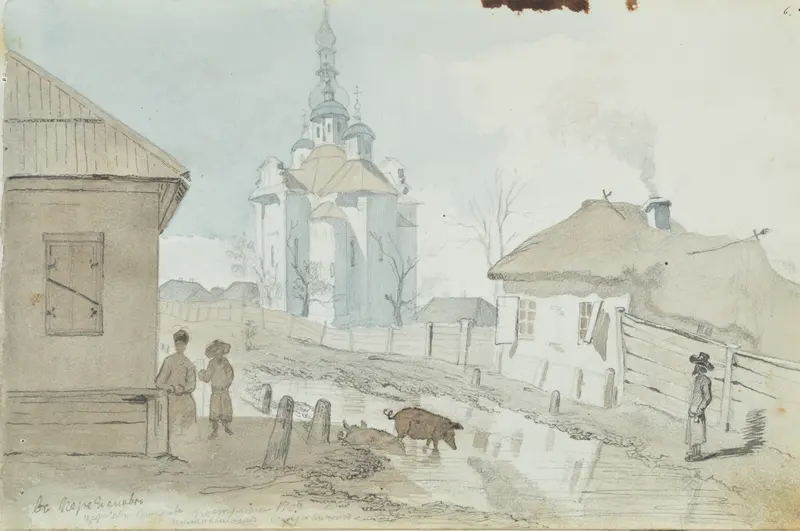
1845 Sh Sketchbook f.06r
Taras Shevchenko

1845 Sh Sketchbook f.04r
Taras Shevchenko

1848 Bilia vohnu
Taras Shevchenko
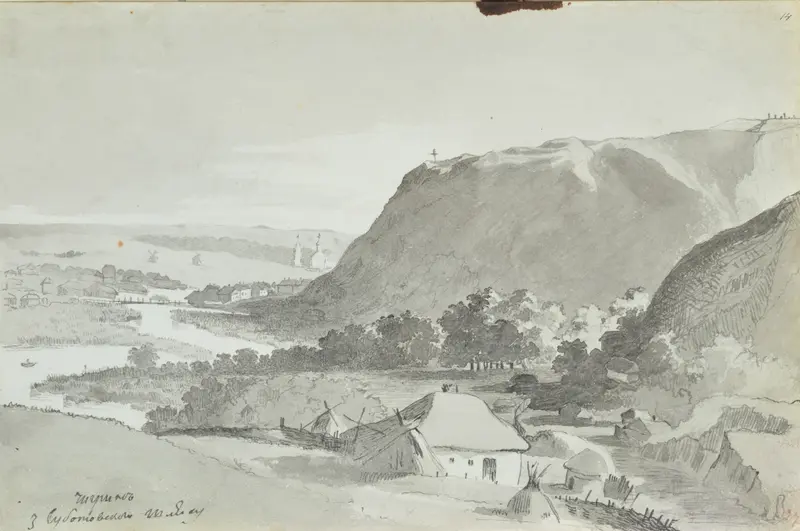
1845 Sh Sketchbook f.14r
Taras Shevchenko
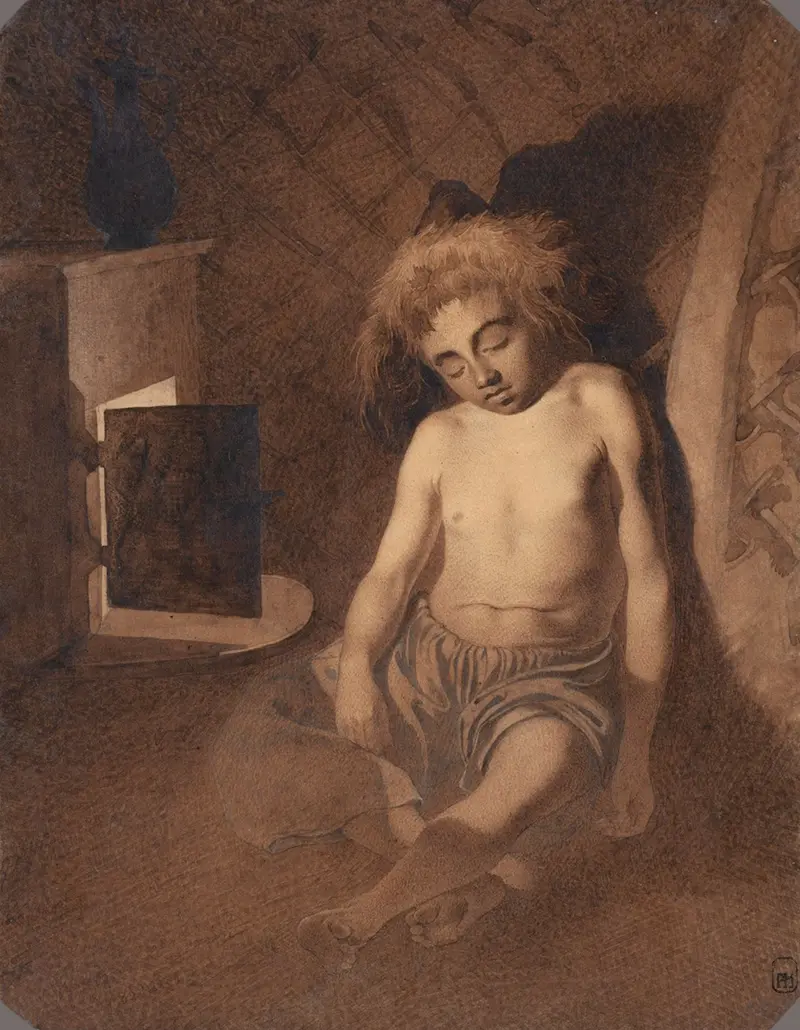
1848 Hlopcyk zasnuv
Taras Shevchenko
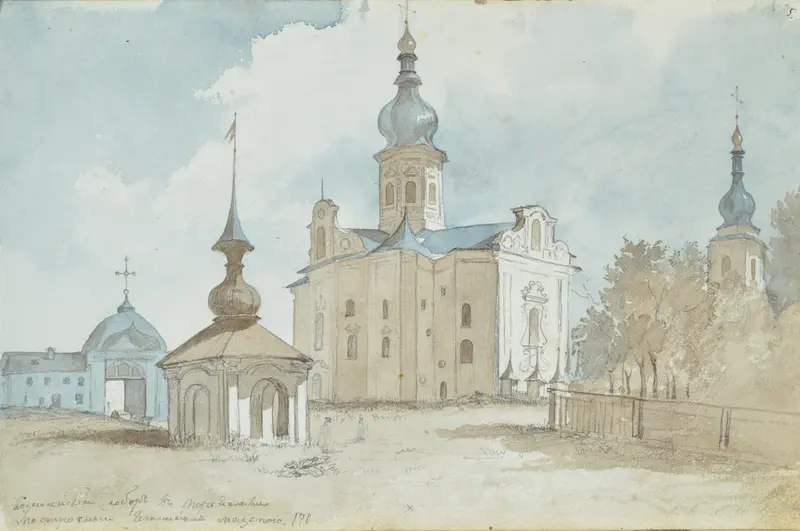
1845 Sh Sketchbook f.05r
Taras Shevchenko
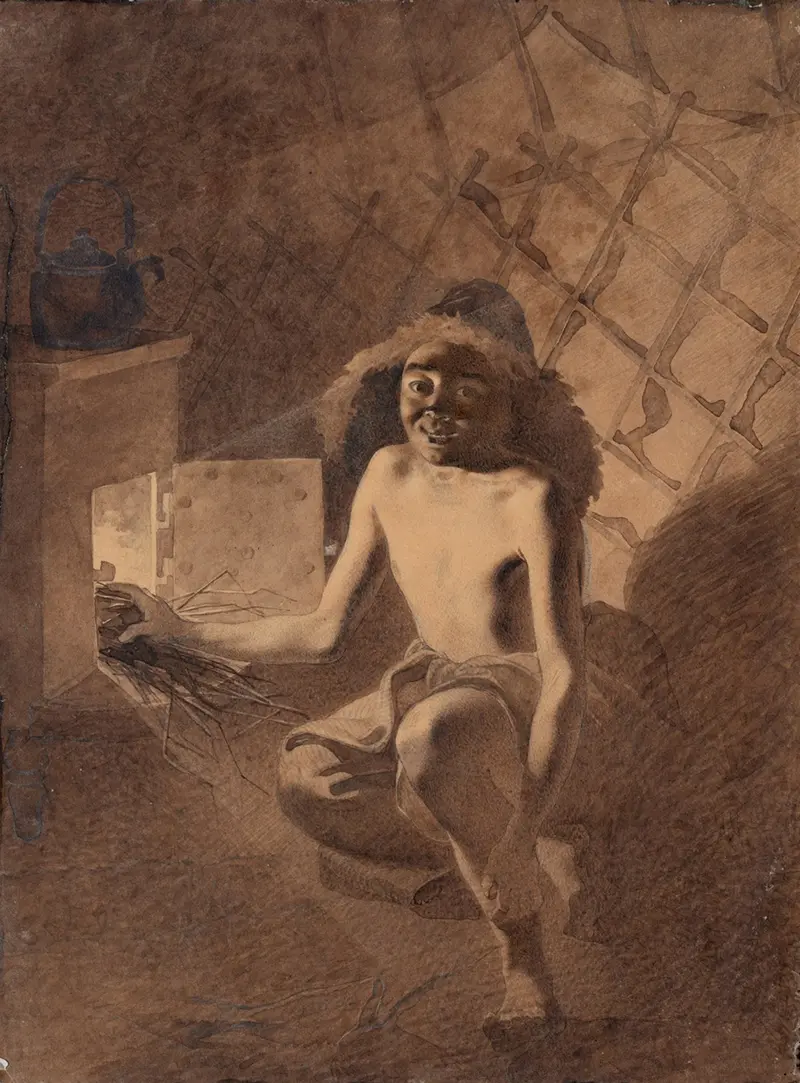
1848 Hlopcyk rozpalije
Taras Shevchenko
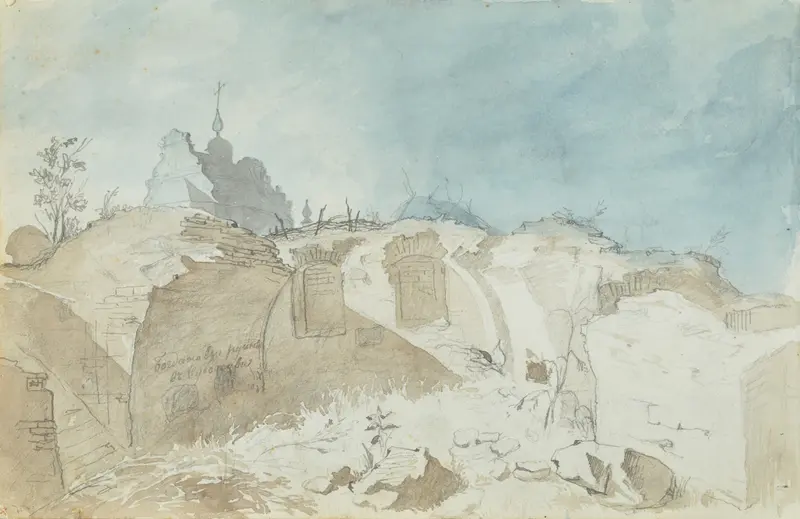
1845 Sh Sketchbook f.12v
Taras Shevchenko
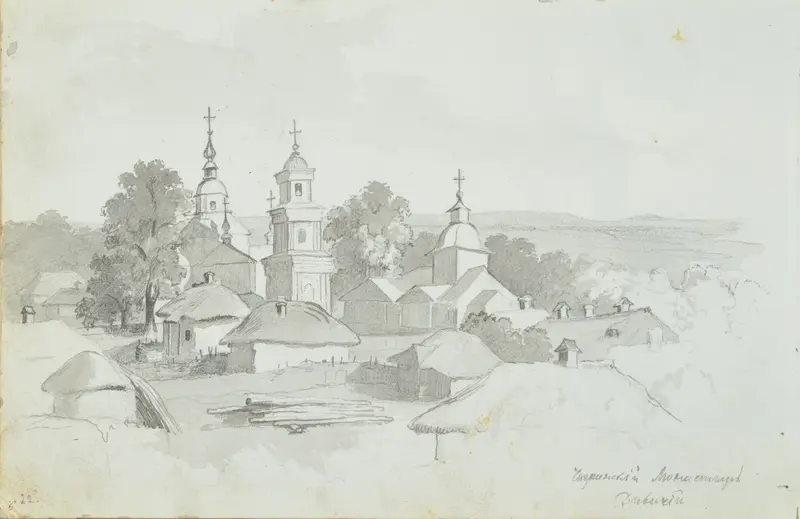
1845 Sh Sketchbook zz f.11v
Taras Shevchenko
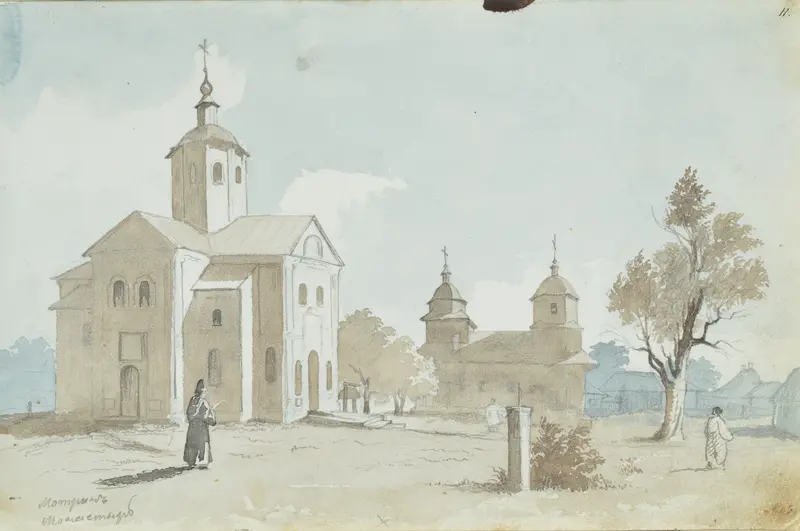
1845 Sh Sketchbook f.11r
Taras Shevchenko





