
Portrait of Andrea Navagero and Agostino Beazzano — History & Facts
In 1516, the city of Rome was alive with the energy of poets and humanists, and it was here that Raphael captured a rare moment of friendship and intellect: two of the most celebrated literary minds of the age, Andrea Navagero and Agostino Beazzano, seated together in quiet conversation. This double portrait is one of only a handful by Raphael—a painter better known for his Madonnas and papal commissions—depicting not princes or popes, but men of letters. The painting's intimacy and informality are striking for its time, and scholars have long wondered whether it was created as a personal memento for the sitters themselves, or as a gift to their mutual friend, the poet Pietro Bembo. The scene unfolds with Navagero and Beazzano turned slightly toward each other, their gazes meeting the viewer with a calm, direct intelligence.
Navagero, in dark robes, rests his hand on a book—an emblem of learning—while Beazzano’s thoughtful expression and gentle gesture suggest a conversation just interrupted. The soft, golden light unites the two men, emphasizing the harmony of their friendship and shared pursuits. Unlike the more formal, frontal portraits of Leonardo da Vinci or the psychological intensity of Titian, Raphael here achieves a sense of relaxed dignity, as if inviting the viewer into the circle of humanist dialogue that defined Renaissance Rome. The precise origins of Portrait of Andrea Navagero and Agostino Beazzano remain uncertain, as does its early provenance.
It is believed to have been painted during Raphael’s final Roman years, a period marked by both feverish activity and personal loss. The painting eventually found its way into the collection of the Galleria Doria Pamphilj in Rome, where it remains today. Its understated elegance and intellectual theme have made it a touchstone for scholars tracing the intersections of art, poetry, and friendship in the High Renaissance.
For Raphael, it stands as a testament to his ability to capture not only the likeness, but the spirit, of his contemporaries.
More Artworks by Raphael

Madonna of the Goldfinch
Raphael

Madonna with the Fish
Raphael
Madonna and Child (Madonna della Seggiola)
Raphael
Seated Madonna and Child
Raphael
Portrait of a Young Man
Raphael
The Marriage of the Virgin
Raphael
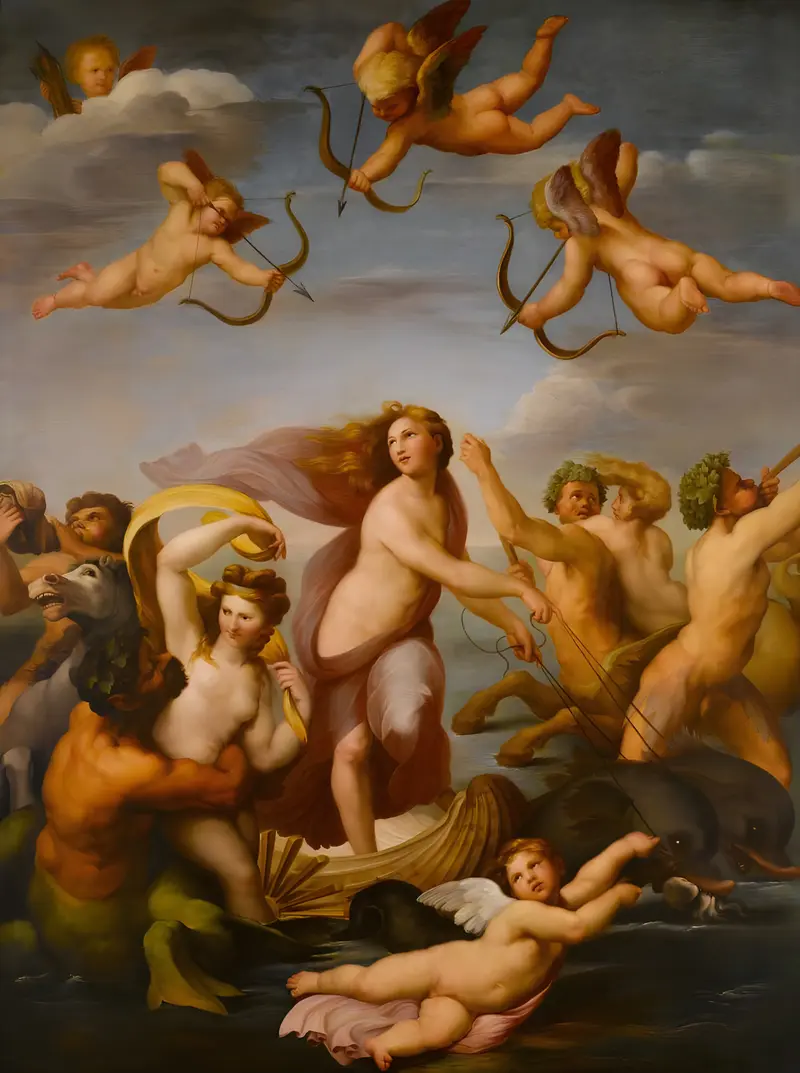
The Triumph of Galatea (copy after Raphael)
Raphael
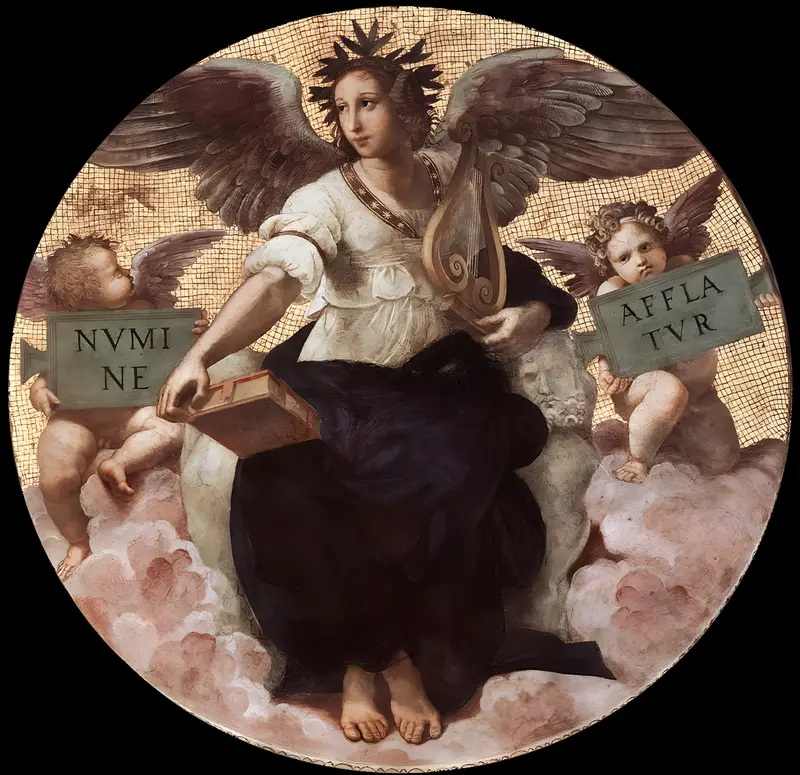
Poetry
Raphael
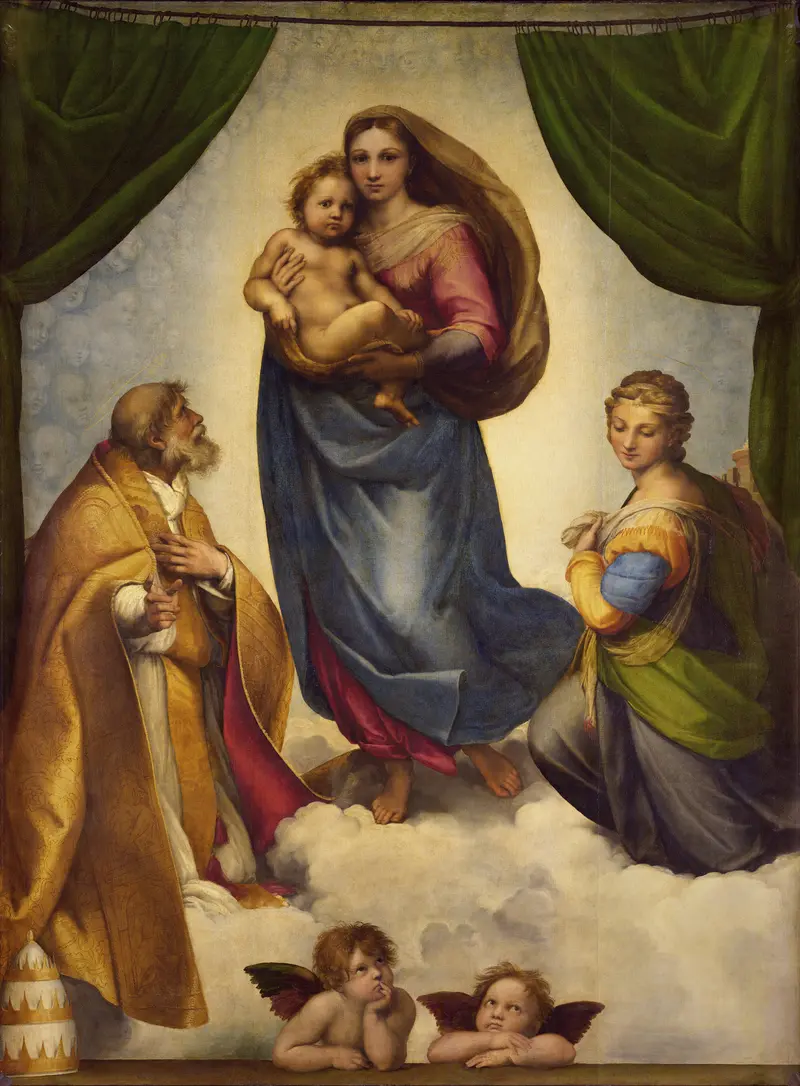
Sistine Madonna
Raphael
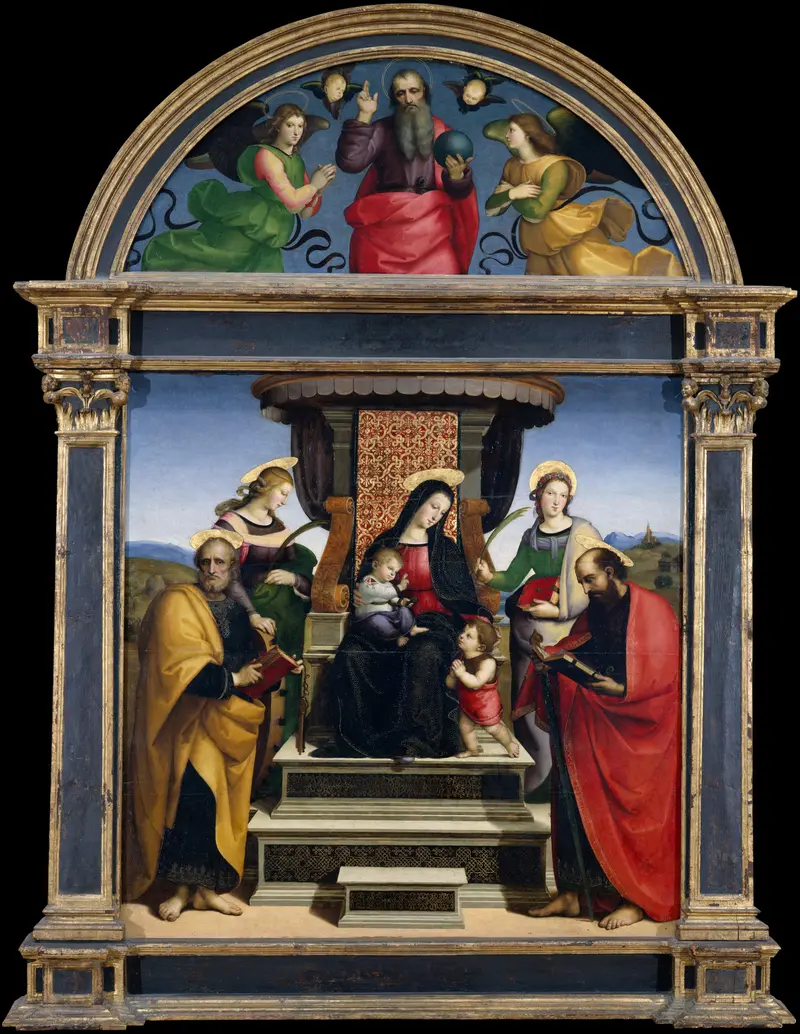
Madonna and Child Enthroned with Saints
Raphael





