
Portrait of Anna Blocken — History & Facts
What draws the eye first is the crisp, architectural ruff encircling the sitter’s neck—a sculptural marvel of linen that seems to float, casting a soft shadow onto the sober black of her dress. The face of Anna Blocken, rendered with careful attention by Aelbert Cuyp in 1649, emerges from a dark, featureless background, her gaze steady but reserved. Light falls gently across her features, illuminating the delicate lines around her eyes and mouth, suggesting both dignity and the passage of time.
The painter’s hand lingers on the textures: the subtle sheen of her garment, the intricate pleats of her collar, the gentle flush in her cheeks. Every detail is a signal, from the restrained palette to the absence of jewelry, pointing to a world where virtue and status were measured in quiet confidence rather than ornament. This portrait belongs to the Dutch Golden Age, a period when the merchant and patrician classes commissioned likenesses to assert their place in a rapidly changing society. In the mid-seventeenth century, portraits like this one—now in the collection of the Minneapolis Institute of Arts—were not merely records of appearance, but declarations of respectability and piety.
The year 1649 places this work in a time of prosperity and civic pride, when artists such as Cuyp responded to the tastes of an urban elite who valued restraint and clarity. History has kept few traces of Anna Blocken herself, but the painting’s quiet authority invites us to look closer, to read the signs of a life shaped by the values and ambitions of her era.
More Artworks by Aelbert Cuyp

The Maas at Dordrecht
Aelbert Cuyp
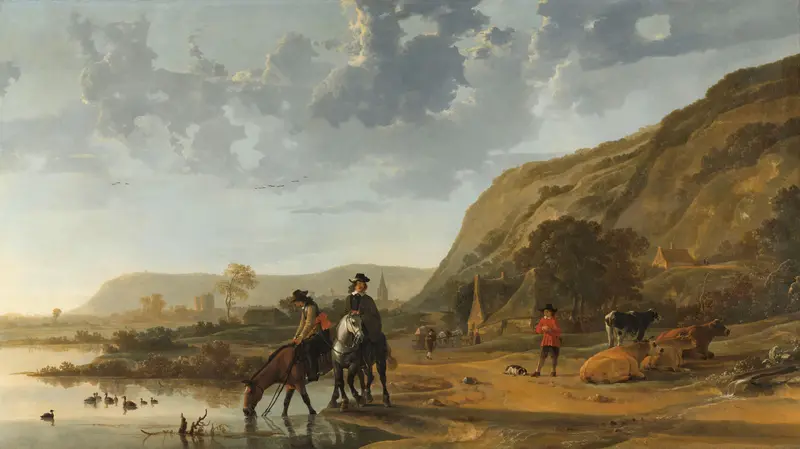
River Landscape with Riders
Aelbert Cuyp

The Maas at Dordrecht
Aelbert Cuyp
Gezicht op Dordrecht
Aelbert Cuyp
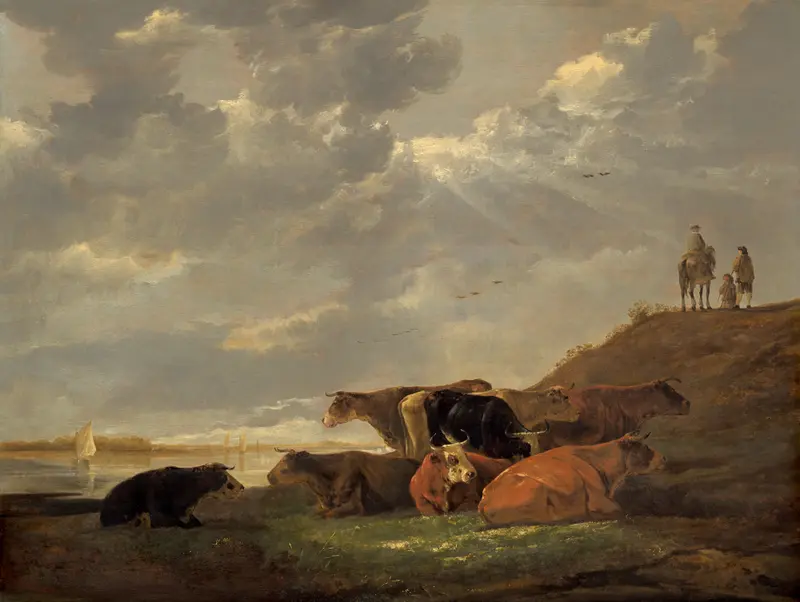
River Landscape with Cows
Aelbert Cuyp
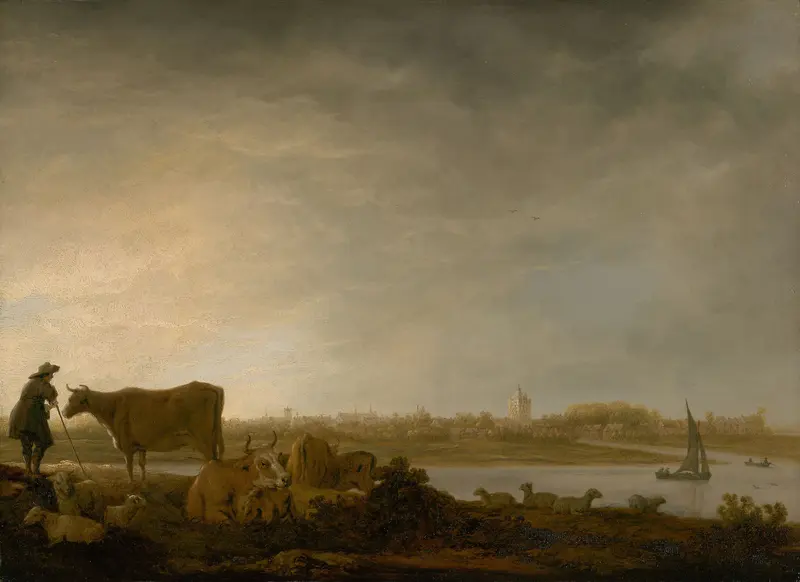
A View of Vianen with a Herdsman and Cattle by a River
Aelbert Cuyp
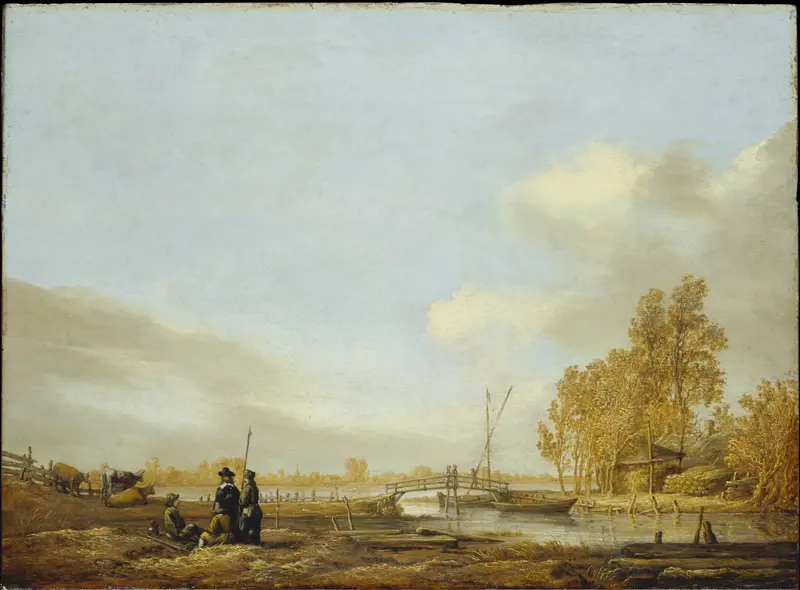
River Landscape with Footbridge
Aelbert Cuyp
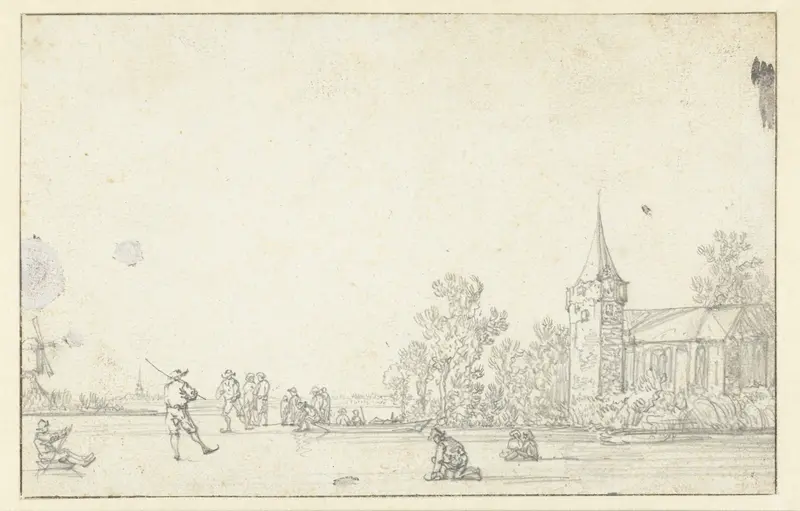
Bevroren rivier met schaatsers bij een kerk
Aelbert Cuyp

Cattle near a River
Aelbert Cuyp
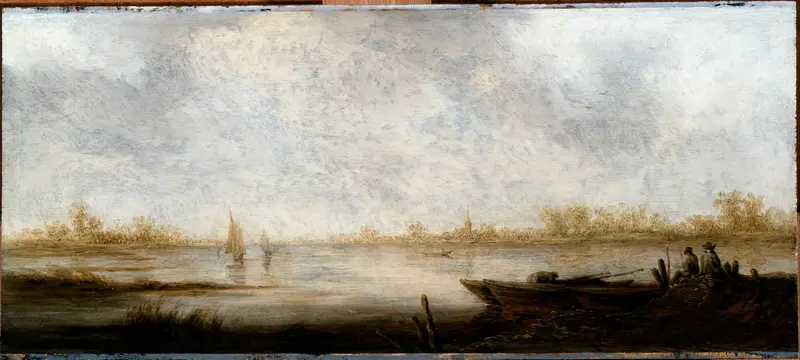
River Landscape
Aelbert Cuyp





