
Portrait of Anna Elisabeth Versijl (1686-1763) — History & Facts
What draws the eye first in Portrait of Anna Elisabeth Versijl (1686-1763) by Arnold Boonen is the sitter’s direct, quietly confident gaze—a look that invites the viewer into a private world. The oval frame tightens the focus on her upper body, where a cascade of blue velvet and pearly silk wraps her shoulders, each fold painted with a tactile richness that seems to shimmer in the soft light. Her hand, poised delicately at her chest, suggests a moment of gentle self-presentation, while the faint blush at her neckline and the subtle gold details at her sleeves hint at both wealth and taste.
Behind her, the landscape recedes into a dusky sky, the last light of day brushing the horizon and lending the scene a sense of calm anticipation. This portrait belongs to the world of the early eighteenth century, when the Dutch Republic’s prosperous elite commissioned likenesses not only to record appearances, but to signal status, virtue, and refinement. Between 1700 and 1724, artists like Arnold Boonen specialized in such works, blending the Dutch tradition of lifelike portraiture with the softer, more theatrical influences drifting north from France. The painting now resides in the collection of Rijksmuseum Twenthe, a reminder of a time when portraiture was both a personal keepsake and a public statement.
Every detail—the silk, the velvet, the twilight landscape—asks the viewer to linger and imagine the life behind the face.
More Artworks by Arnold Boonen

Portrait of Jan van Huysum
Arnold Boonen
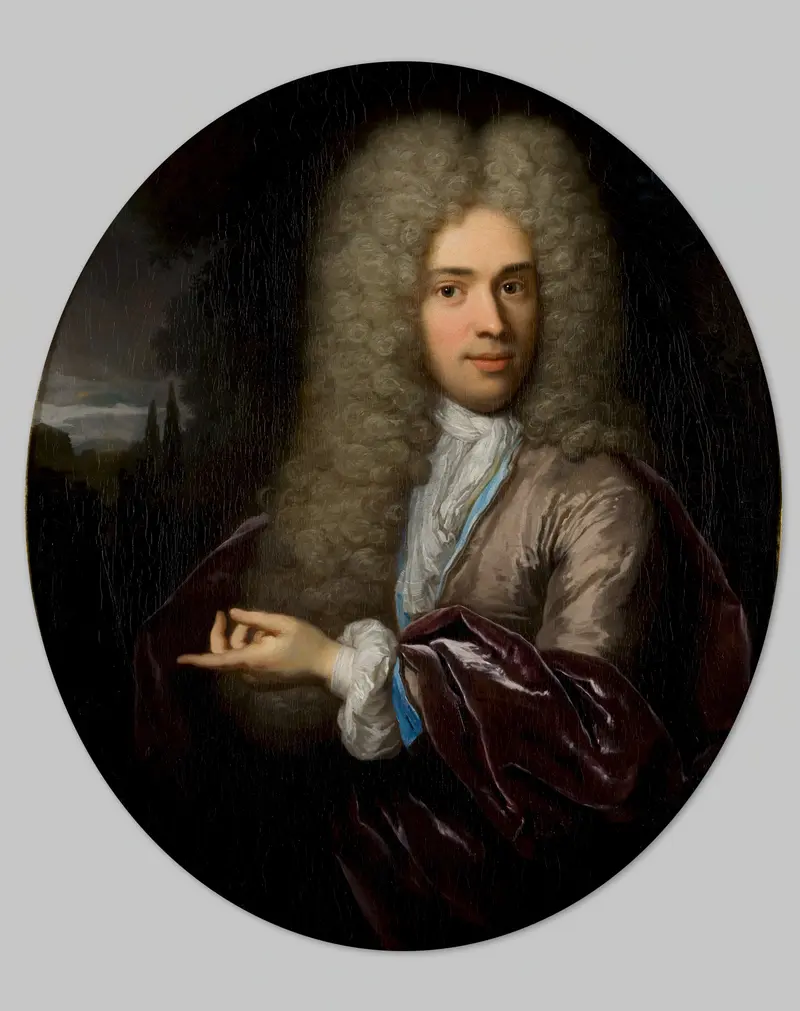
Daniël Deutz
Arnold Boonen
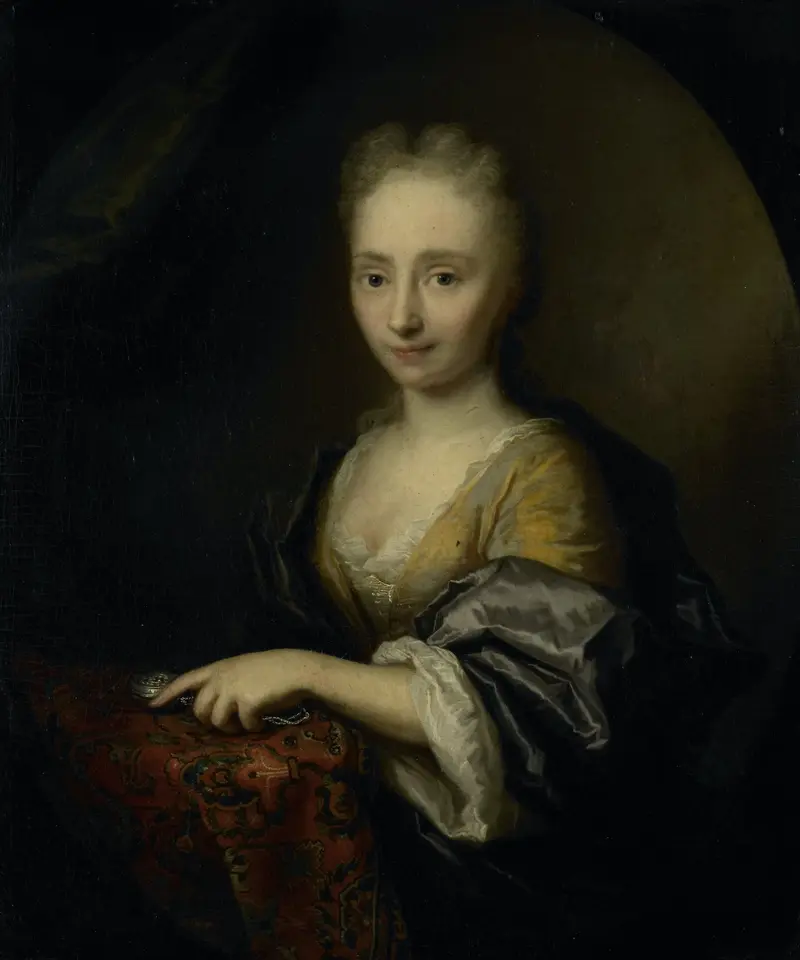
Portrait of a Woman SK-A-
Arnold Boonen
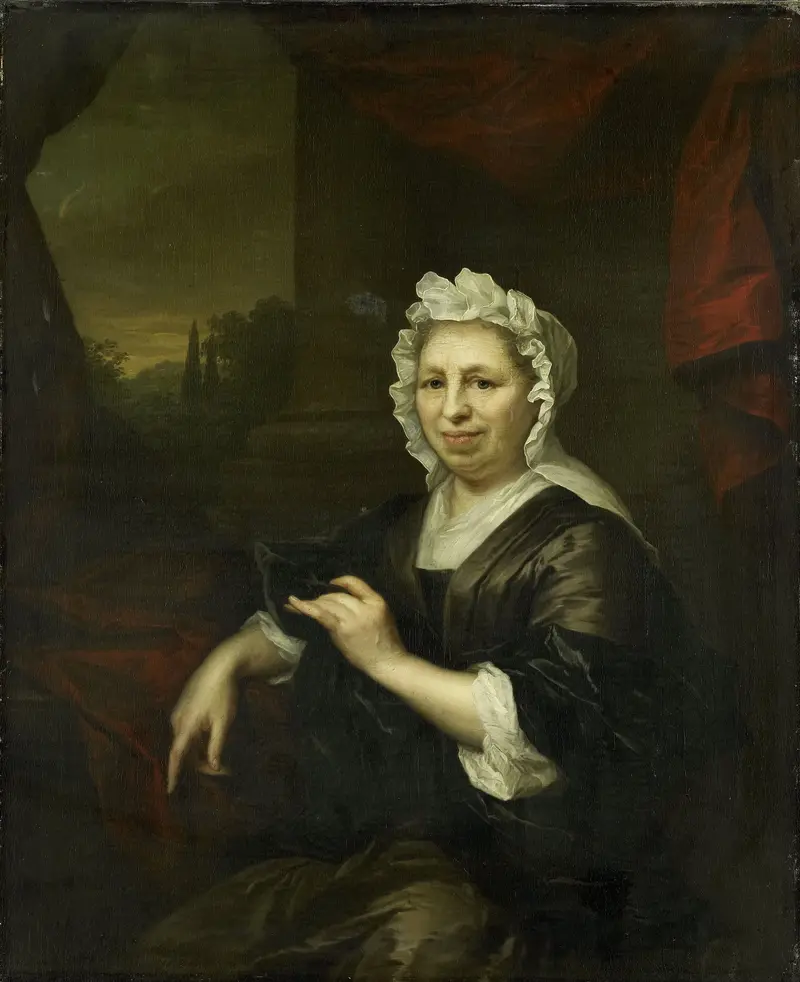
Portrait Brechje Hooft (1640-1721). Widow of Harmen van de Poll
Arnold Boonen
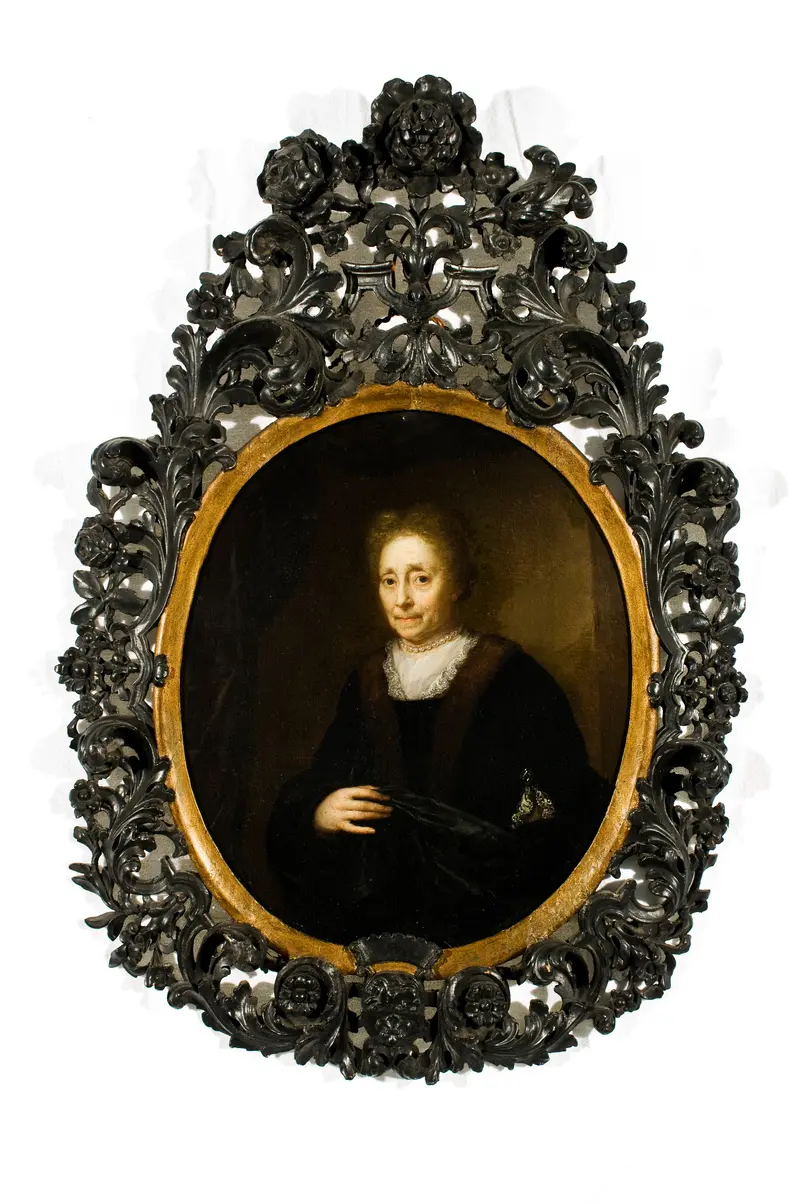
Portret van Elisabeth Schaep van Strijen, echtgenote van Mr. Pieter Schaep DM 011 980 Dordrechts Museum
Arnold Boonen
Portret van Mr Reynier Schaep DM 011 981 Dordrechts Museum
Arnold Boonen
Portret van Eva Maria Muilman DM 011 982 Dordrechts Museum
Arnold Boonen
Portrait of a Man SK-A-
Arnold Boonen
Portrait of a Man
Arnold Boonen
Portret van Mr. Pieter Schaep DM 011 979 Dordrechts Museum
Arnold Boonen





