
Portrait of Anton Perrenot de Granvelle — History & Facts
It is the sheen of black satin that first arrests the eye—a garment rendered with such precision that you can almost feel its cool weight. The sitter’s gaze meets yours, steady and assessing, while his right hand rests on a table beside a stack of books and a gilt box, hints of a life lived among documents and decisions. In his left hand, he holds a pair of gloves, the fingers adorned with rings, a subtle display of status and taste.
The light falls from the left, catching the folds of his robe and the pale skin of his hands, drawing the viewer’s attention to the objects that define his world. There is a quiet confidence in his posture, as if he is accustomed to being observed, yet reveals little of his inner life. Painted in 1550 by Antonis Mor, this portrait belongs to a world where power was often negotiated in private chambers and recorded in careful correspondence. In the mid-sixteenth century, portraits like this were commissioned by statesmen, diplomats, and churchmen eager to assert their place in a shifting political landscape.
The Kunsthistorisches Museum now houses this work, a testament to the enduring allure of such images. History has kept few traces of this particular painting’s journey, but its presence invites us to imagine the circles of influence and ambition that once surrounded its subject—an invitation to linger, and look again.
More Artworks by Antonis Mor

Portrait of a Man
Antonis Mor
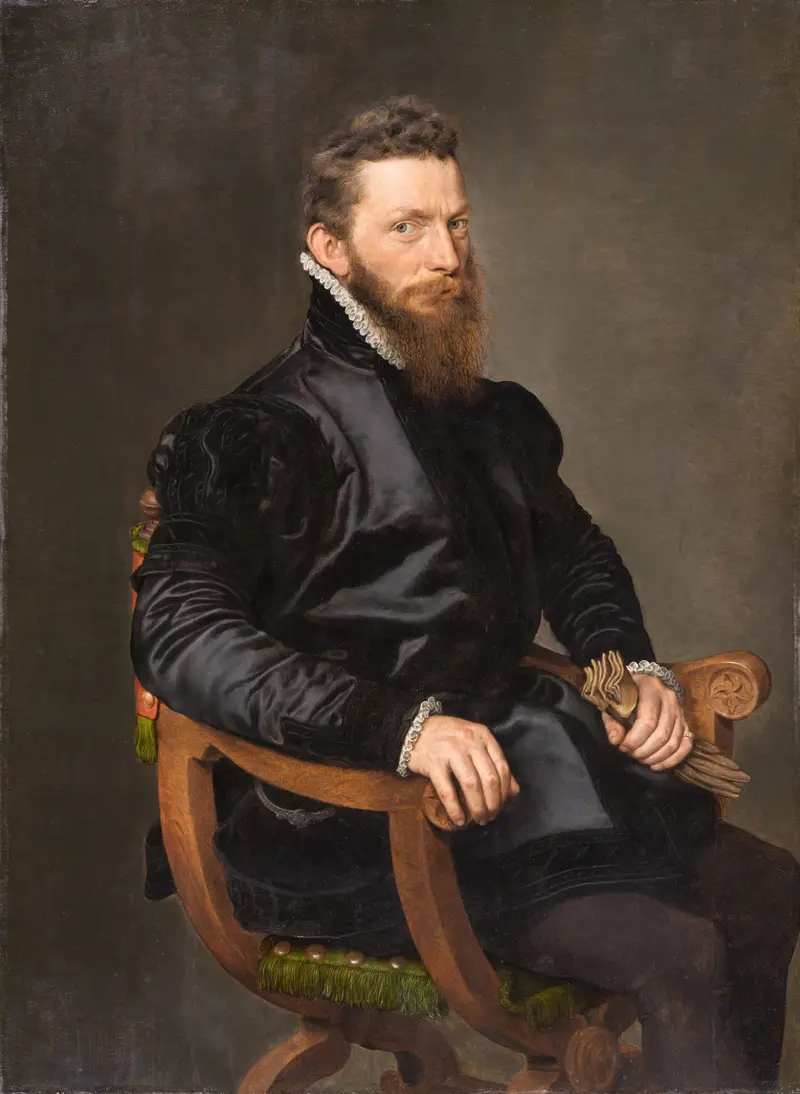
Portrait of a Gentleman
Antonis Mor
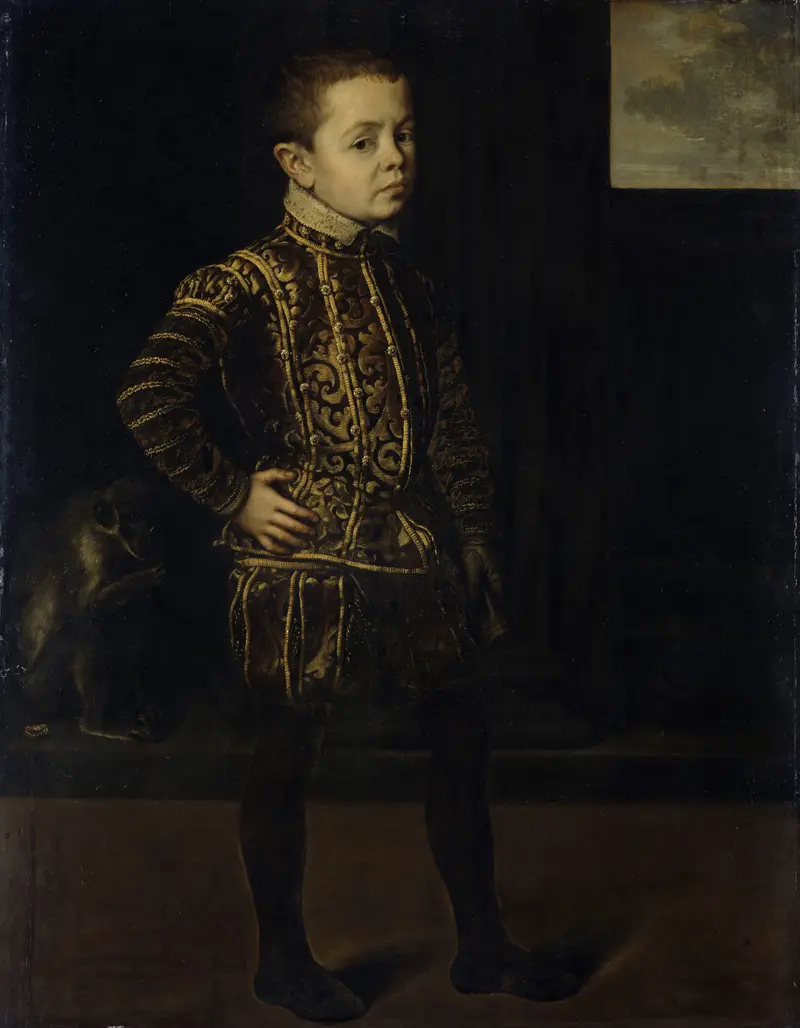
Portrait of a young prince
Antonis Mor
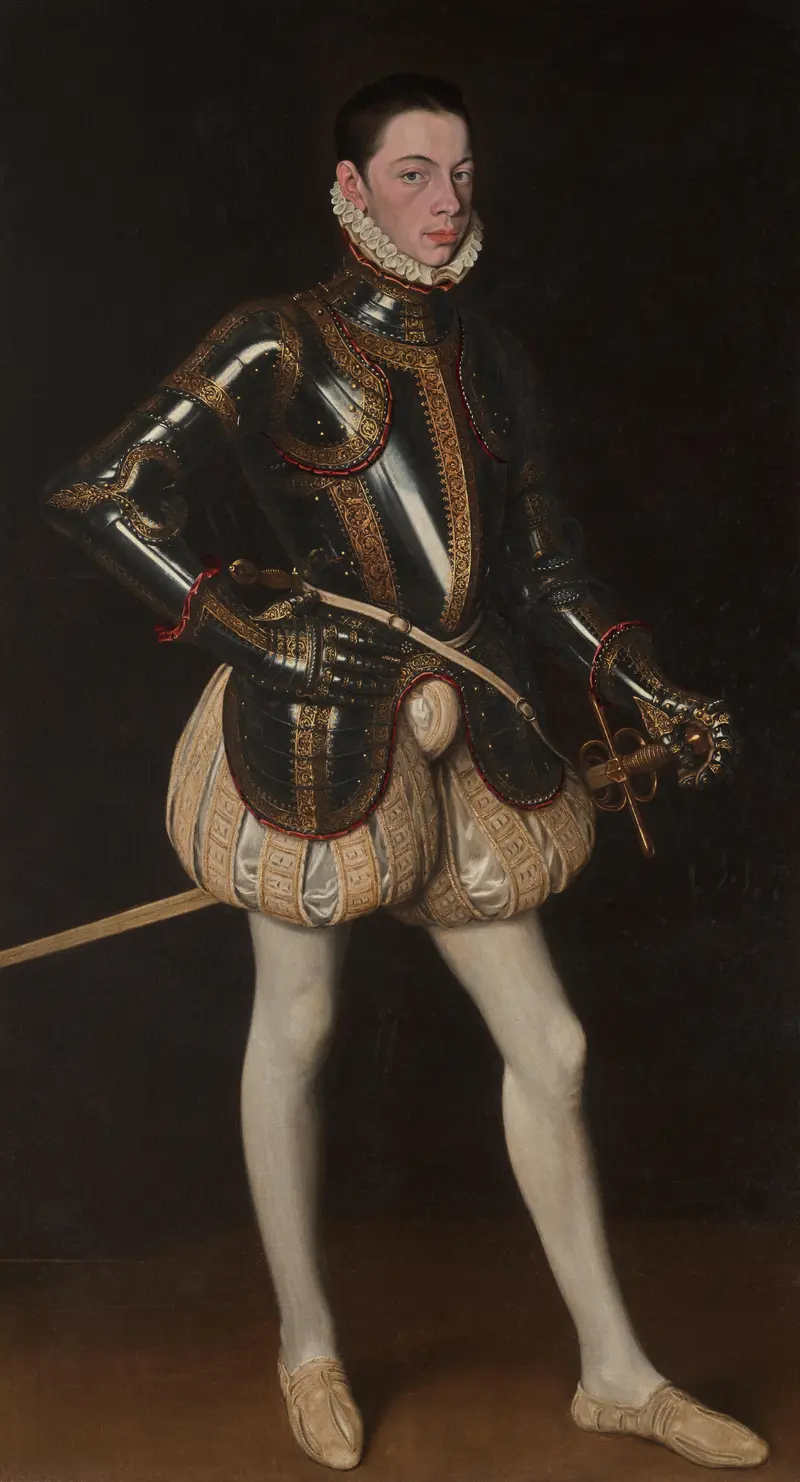
Alessandro Farnese in Armor
Antonis Mor
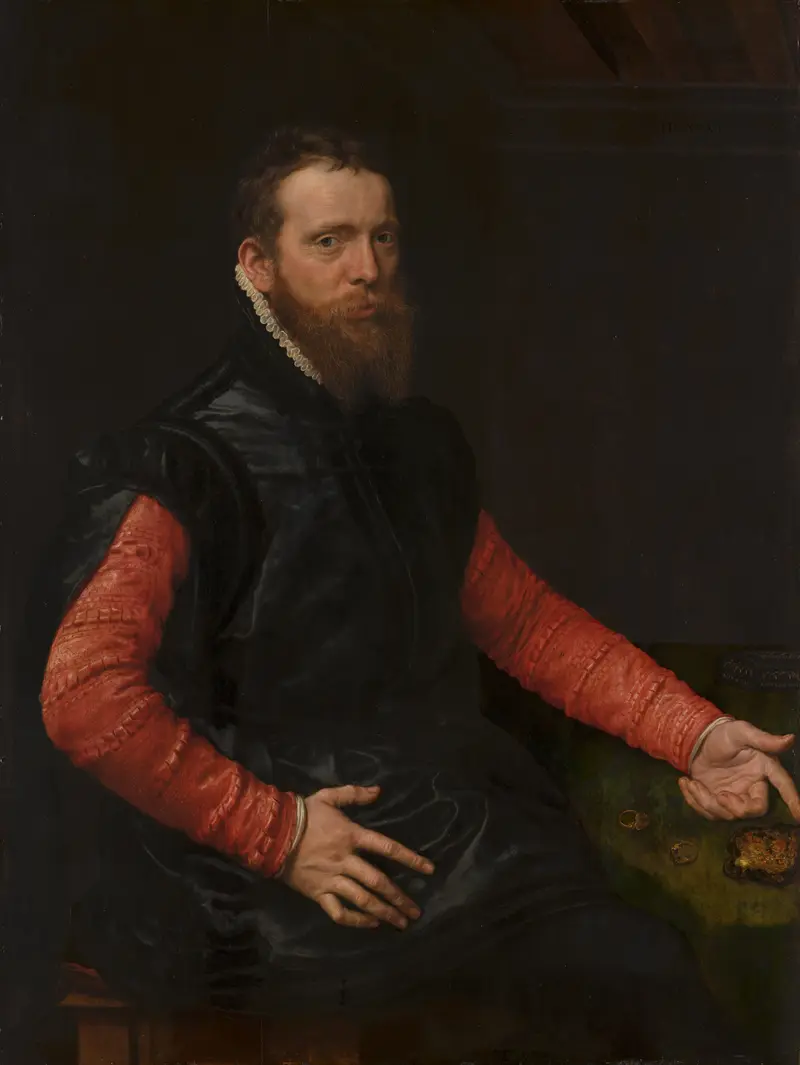
Steven van Herwijck
Antonis Mor
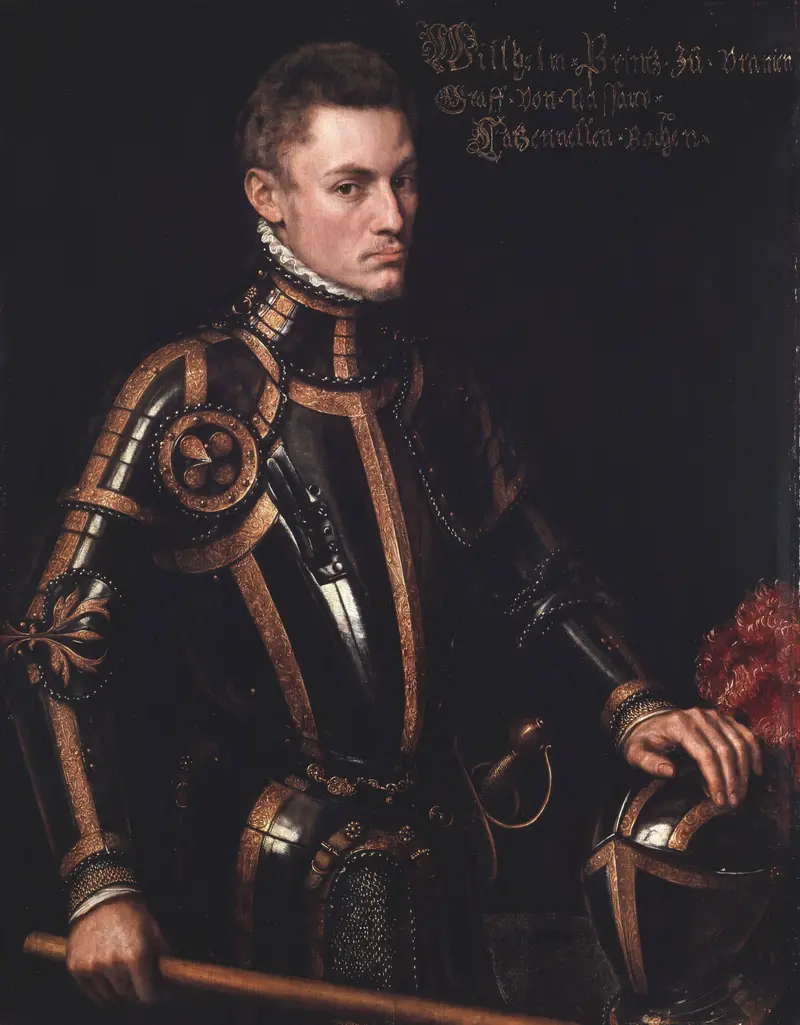
Portrait of William I of Nassau
Antonis Mor
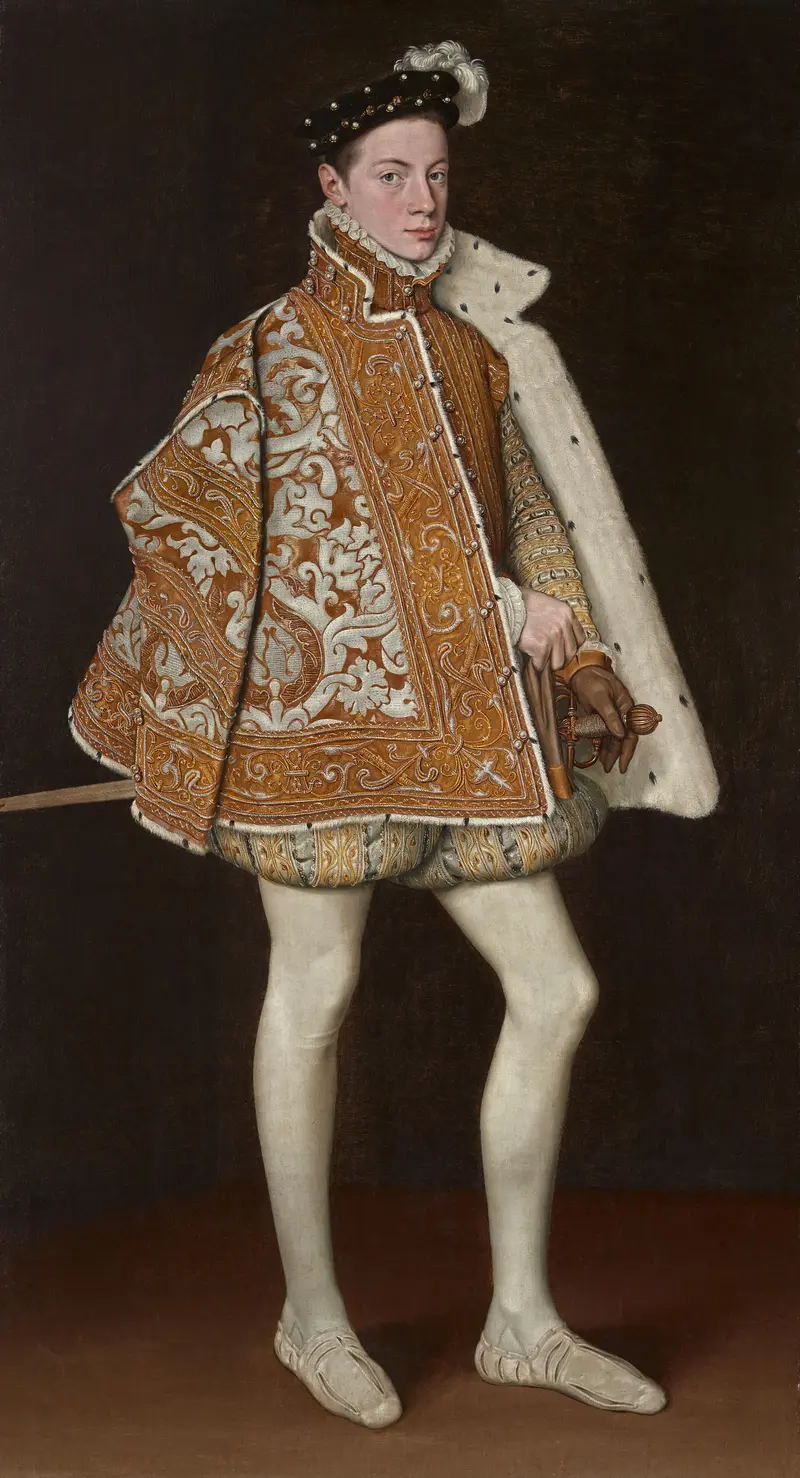
Portrait of Alessandro Farnese in Cape and Black Cap
Antonis Mor
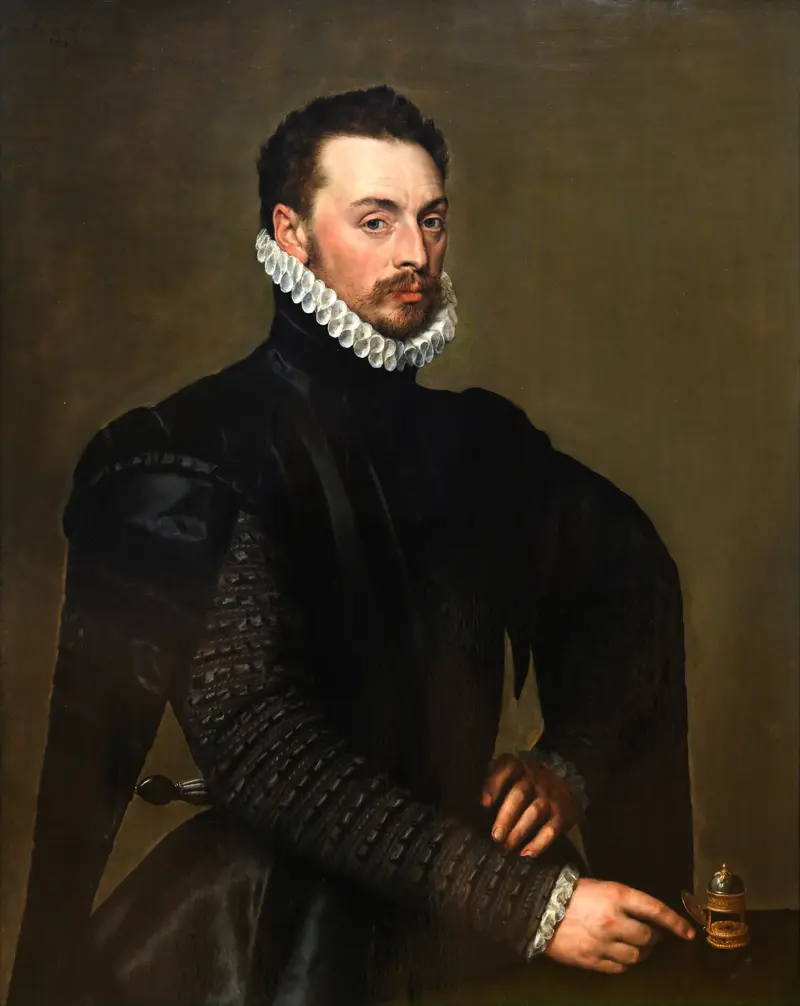
Portrait d'homme désignant une pendule Antonio Moro Musée du Louvre Peintures INV 1582 ; MR 880
Antonis Mor
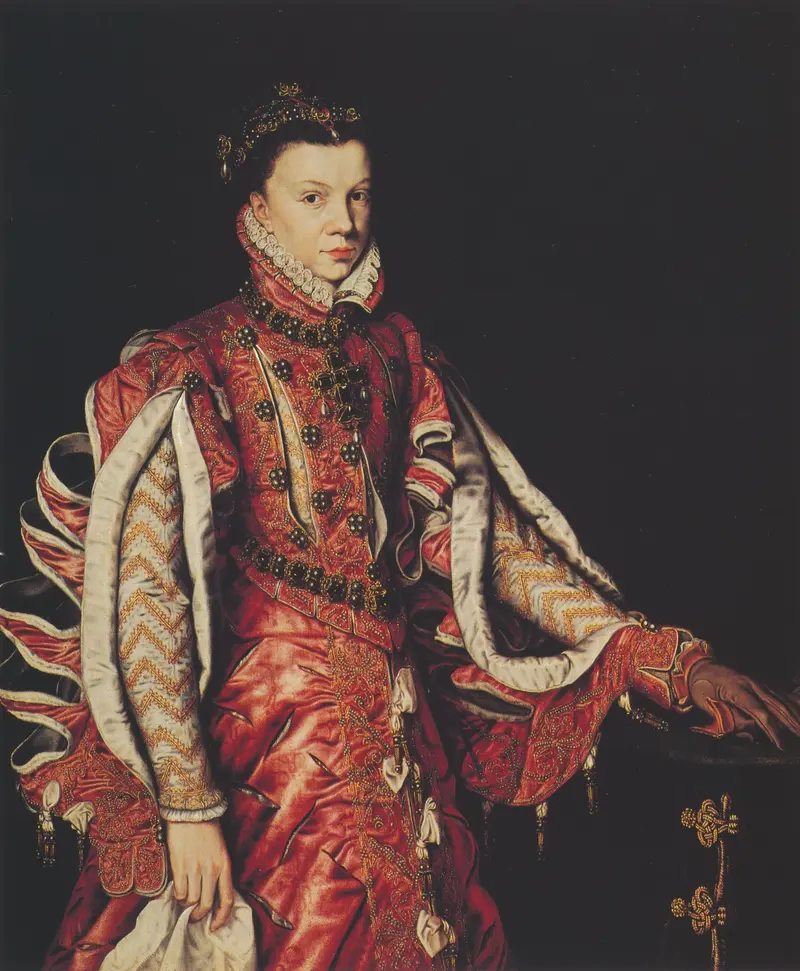
Portrait of Elisabeth of Valois, third wife of King Philip II of Spain
Antonis Mor
Von Sachsen vs. a Spaniard
Antonis Mor





