
Portrait of Caroline Murat, Queen of Naples — History & Facts
When Jean Auguste Dominique Ingres unveiled his Portrait of Caroline Murat, Queen of Naples in 1814, it was not just a display of artistic prowess but a calculated gesture in the politics of Napoleonic Europe. Caroline Murat, Napoleon’s ambitious sister, commissioned the portrait as part of her campaign to assert her legitimacy and grandeur as Queen of Naples, a throne she held from 1808 until the Bourbon restoration in 1815. Ingres, then a rising star in Paris, was summoned to Naples specifically for this task, marking one of his earliest royal commissions.
The painting was intended for public rooms in the Neapolitan palace, a visual assertion of power at a moment when Caroline’s rule—and Napoleon’s empire—stood on shaky ground. Ingres captures Caroline at the height of her confidence, seated regally yet with a subtle tension in her gaze. Draped in sumptuous fabrics and adorned with jewels, she holds a scepter lightly, her hand poised as if about to issue a command or invitation. The velvet throne and classical columns behind her evoke both ancient Rome and the imperial grandeur Napoleon sought to emulate.
The cool, porcelain-like finish of her skin, a hallmark of Ingres’ style, contrasts with the rich textures of her attire, underscoring her elevated status. Unlike David’s more heroic depictions of Napoleon’s family, Ingres here focuses on psychological presence—Caroline’s direct, almost challenging look is as much a statement as her crown. The painting’s subsequent fate mirrors the turbulence of its subject’s reign. After Caroline’s fall from power in 1815, the portrait was removed from public view, its whereabouts uncertain for decades—a fate not uncommon for Napoleonic commissions.
It resurfaced in private collections in the late nineteenth century, its attribution to Ingres sometimes questioned due to the lack of signature and the artist’s evolving style. Today, the work stands as an early milestone in Ingres’ career, foreshadowing the precision and psychological depth he would bring to later portraits, and offering a rare glimpse into the self-fashioning of one of Europe’s most ambitious royal women.
More Artworks by Jean Auguste Dominique Ingres
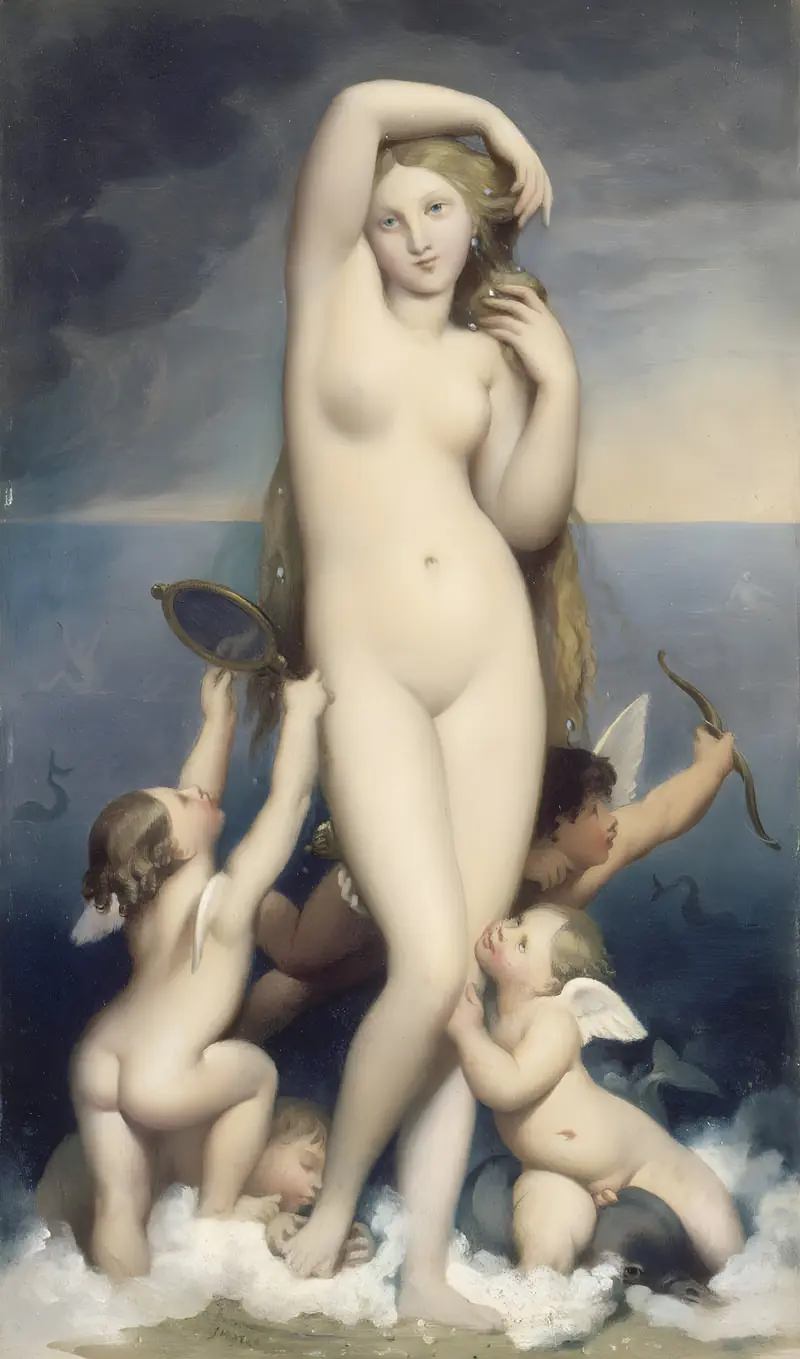
Vénus anadyomène
Jean Auguste Dominique Ingres
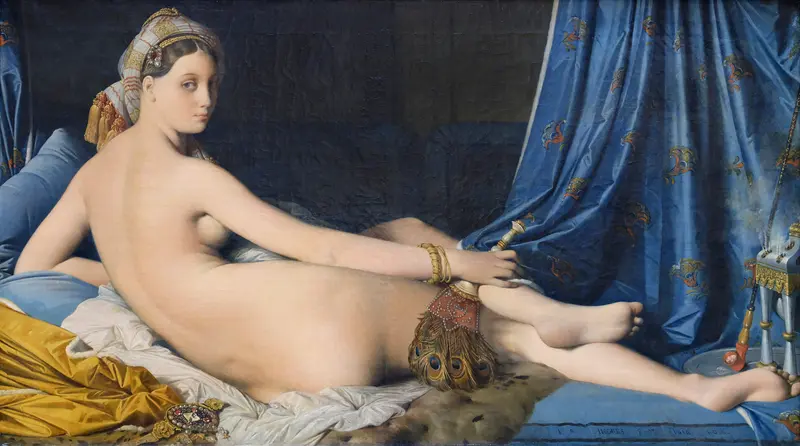
Grande Odalisque
Jean Auguste Dominique Ingres
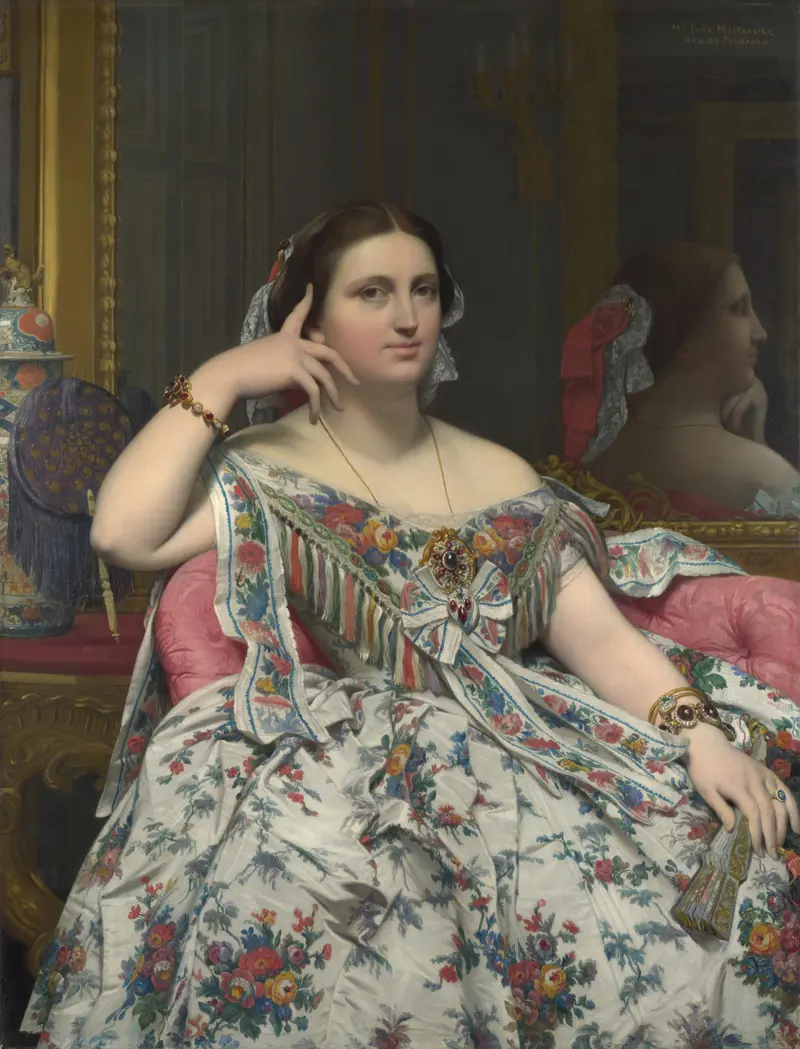
Madame Moitessier (seated)
Jean Auguste Dominique Ingres
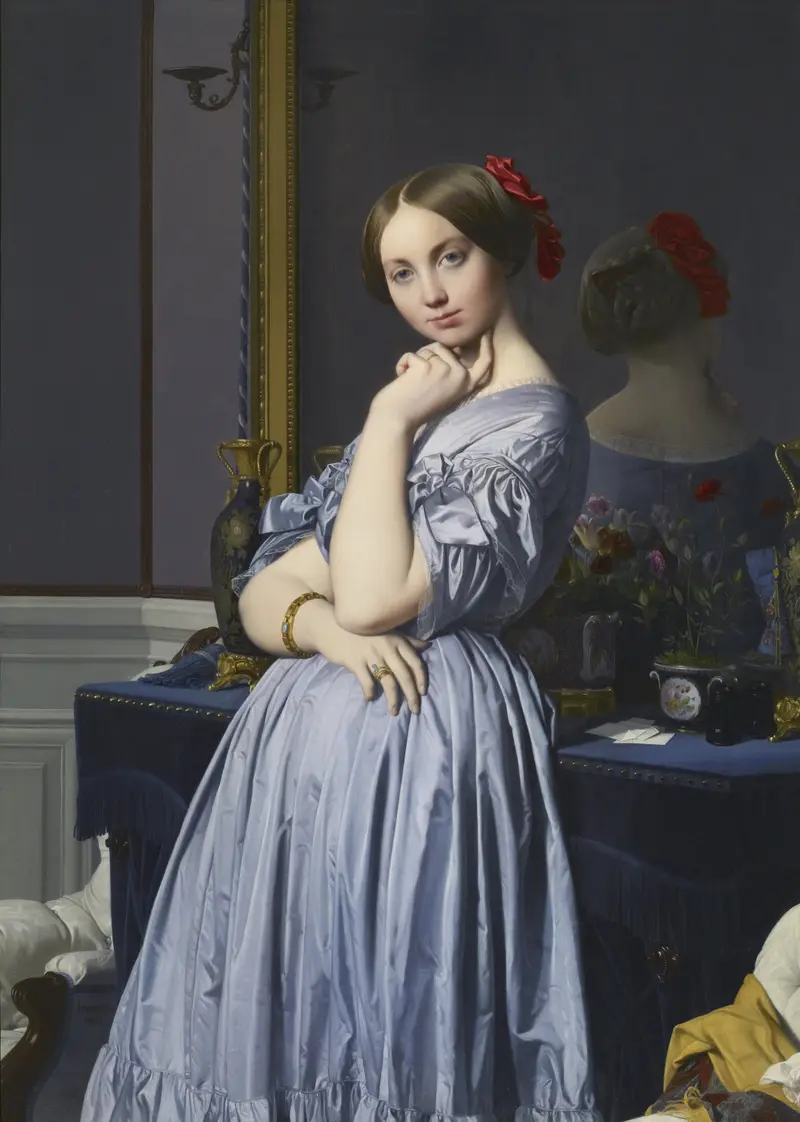
Portrait of Comtesse d’Haussonville
Jean Auguste Dominique Ingres
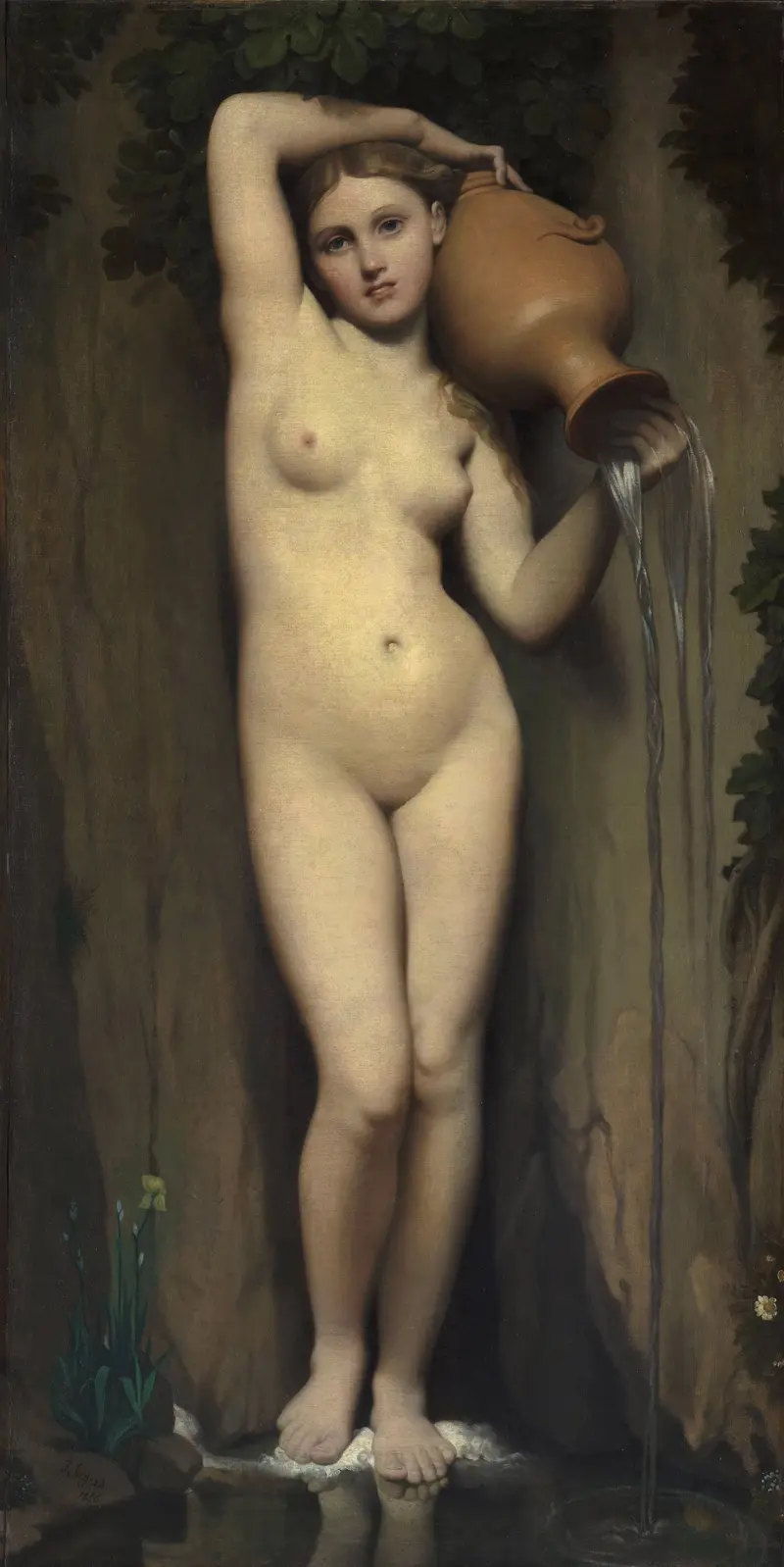
The Source
Jean Auguste Dominique Ingres
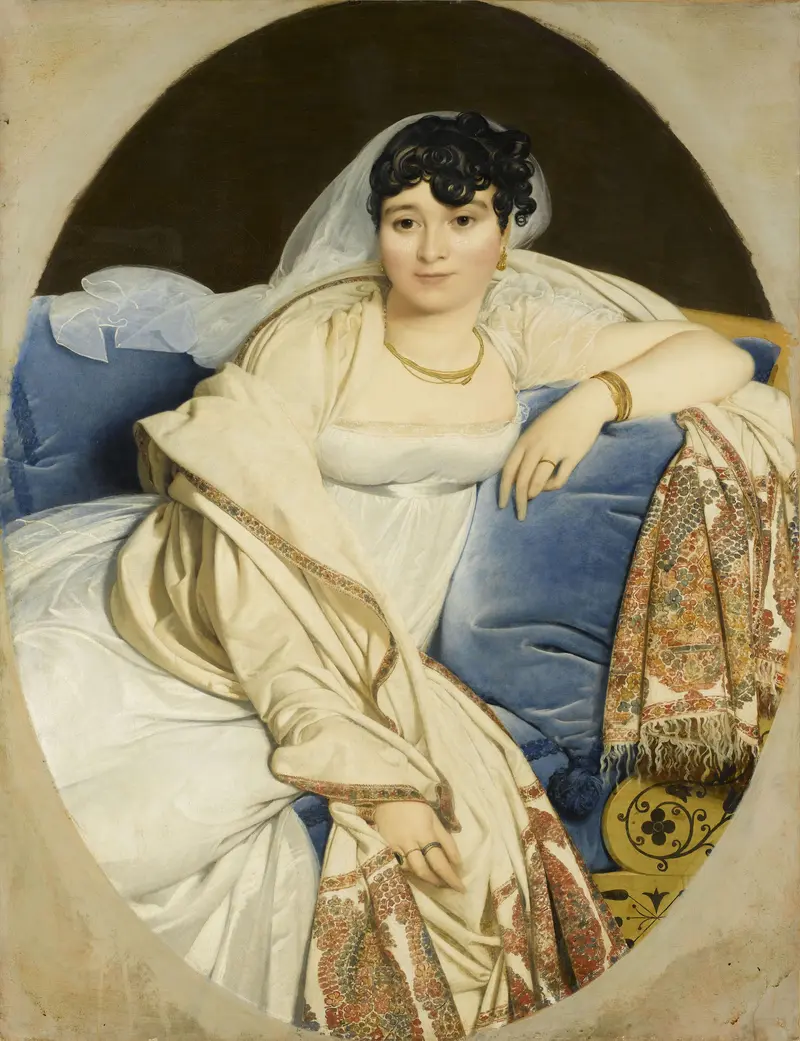
Madame Rivière
Jean Auguste Dominique Ingres

Madame Jean-Auguste-Dominique Ingres, née Madeleine Chapelle
Jean Auguste Dominique Ingres

Portrait of a Lady
Jean Auguste Dominique Ingres
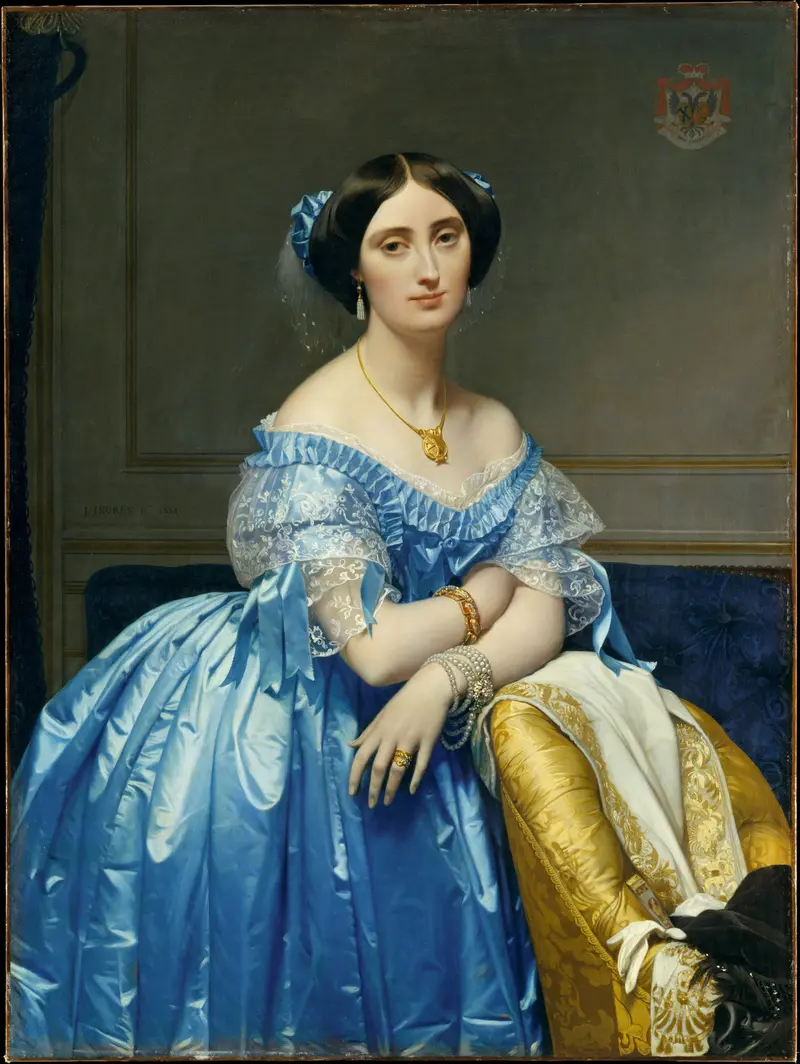
Joséphine-Éléonore-Marie-Pauline de Galard de Brassac de Béarn (1825–1860), Princesse de Broglie
Jean Auguste Dominique Ingres
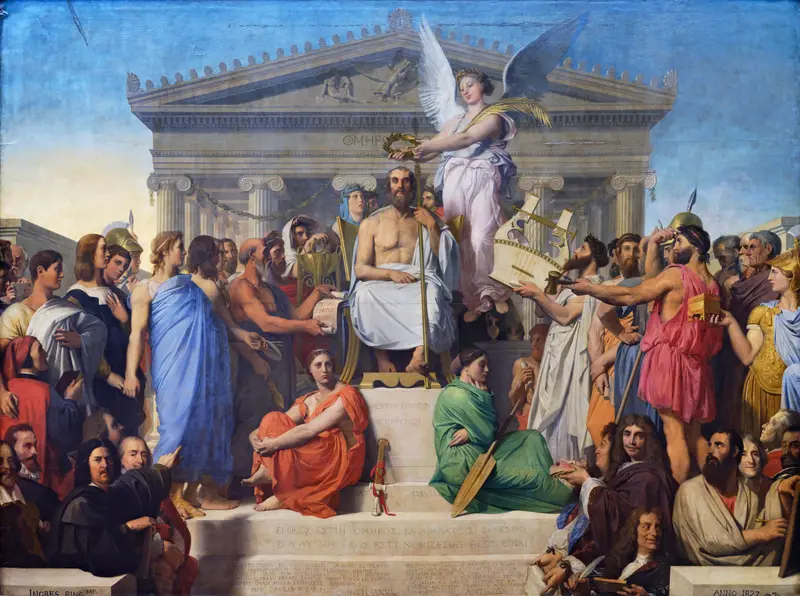
The Apotheosis of Homer
Jean Auguste Dominique Ingres





