
Portrait of Clara Croonen (?-?) — History & Facts
What first draws the eye in Portrait of Clara Croonen is the sitter’s knowing, almost playful half-smile, a subtle invitation to linger and wonder at her thoughts. The artist, Arnold Boonen, frames Clara within a softly shadowed oval, her face and décolletage emerging from the darkness with a gentle, golden light. The careful rendering of her pearl necklace, the delicate ruffles of her chemise, and the richly draped, red-and-gold shawl signal both refinement and a keen awareness of fashion.
Her crossed arms, one hand lightly resting on the other, offer a sense of composure and self-possession, while the slight tilt of her head and direct gaze create a quiet intimacy between sitter and viewer. The restrained palette—warm flesh tones set against muted browns and reds—focuses all attention on her expression, leaving the background to dissolve into shadow. Works like this, painted between 1700 and 1724, belong to a tradition in which the Dutch and German bourgeoisie commissioned portraits to assert status and preserve memory. In the world of early 18th-century Northern Europe, such images were less about grand allegory than about capturing presence and character, often destined for private interiors rather than public halls.
Arnold Boonen was known for his deft handling of light and texture, traits visible here in the shimmer of silk and the soft modeling of skin. Little is recorded about Clara Croonen herself, and the painting’s journey remains largely hidden, now residing in the collection of Geldersch Landschap en Kasteelen. Yet, the portrait’s quiet confidence and the sitter’s enigmatic smile continue to invite speculation—reminding us that every face from the past holds stories just beyond our reach.
More Artworks by Arnold Boonen

Portrait of Jan van Huysum
Arnold Boonen
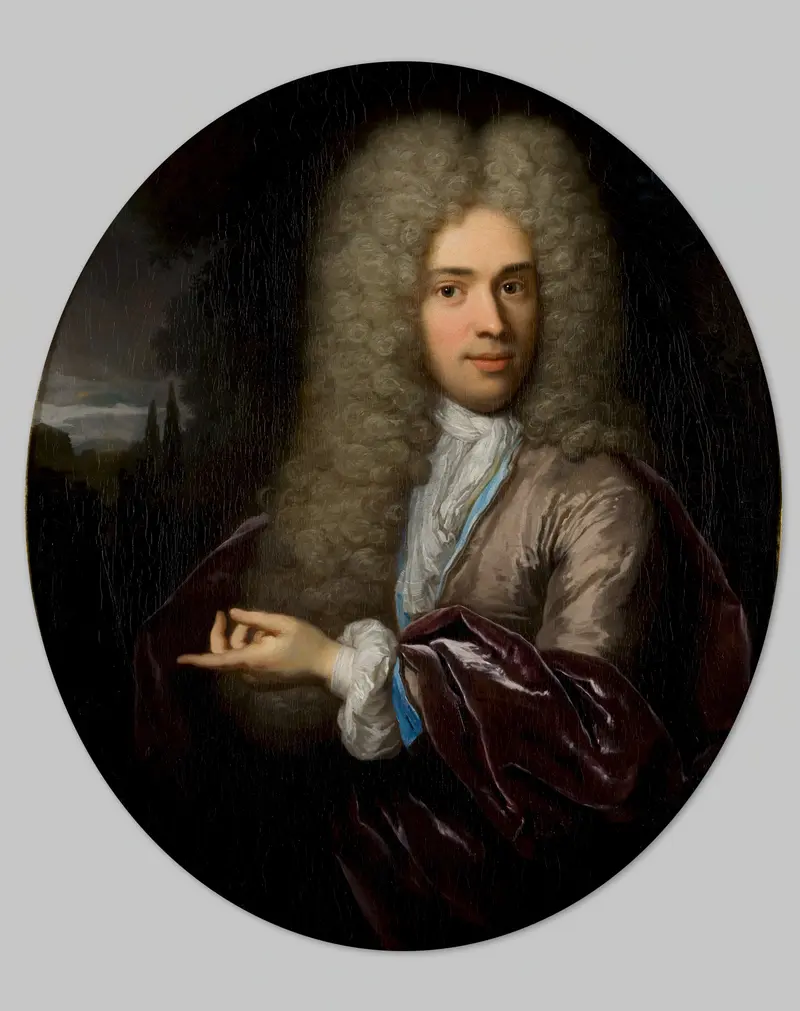
Daniël Deutz
Arnold Boonen
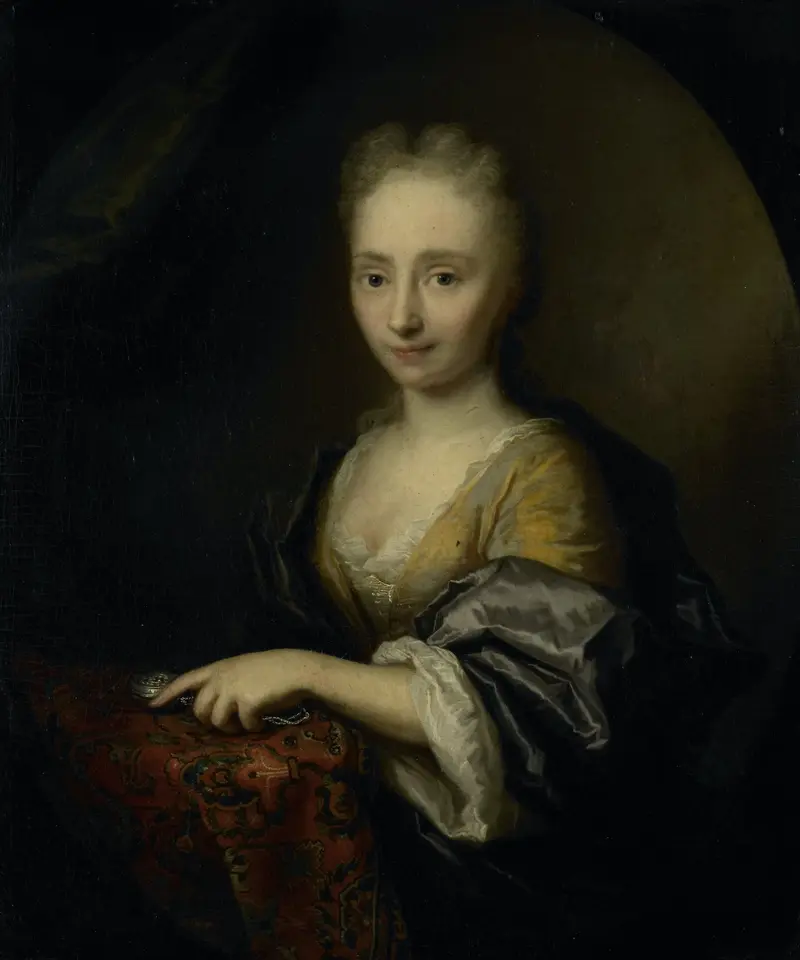
Portrait of a Woman SK-A-
Arnold Boonen
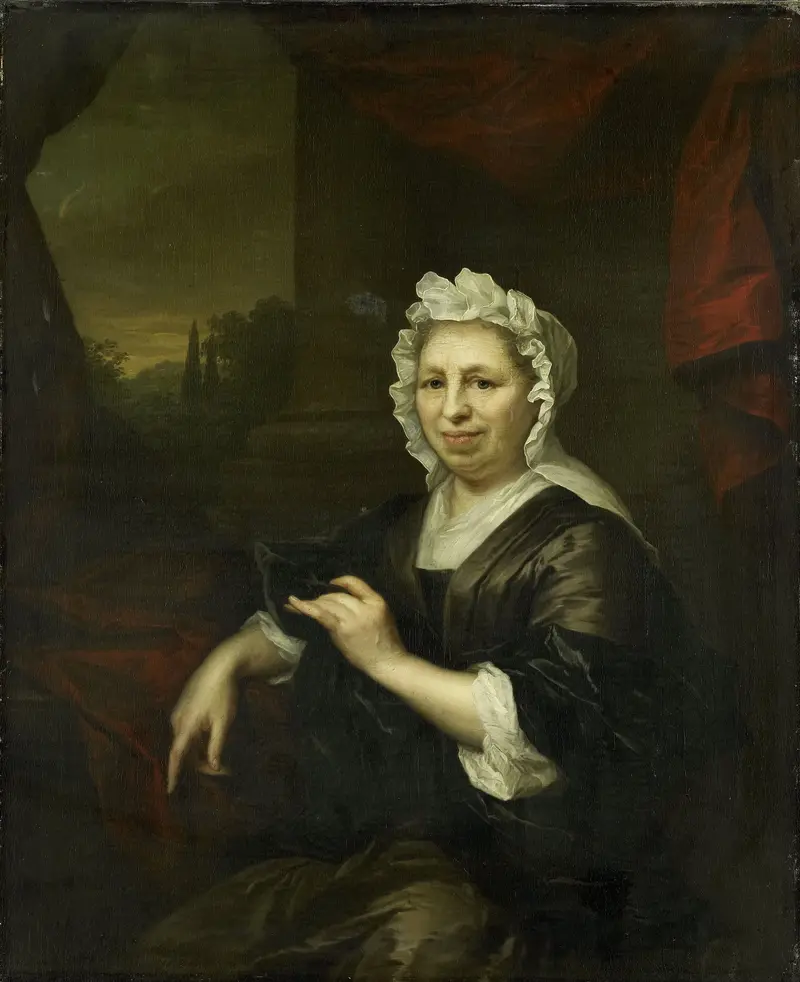
Portrait Brechje Hooft (1640-1721). Widow of Harmen van de Poll
Arnold Boonen
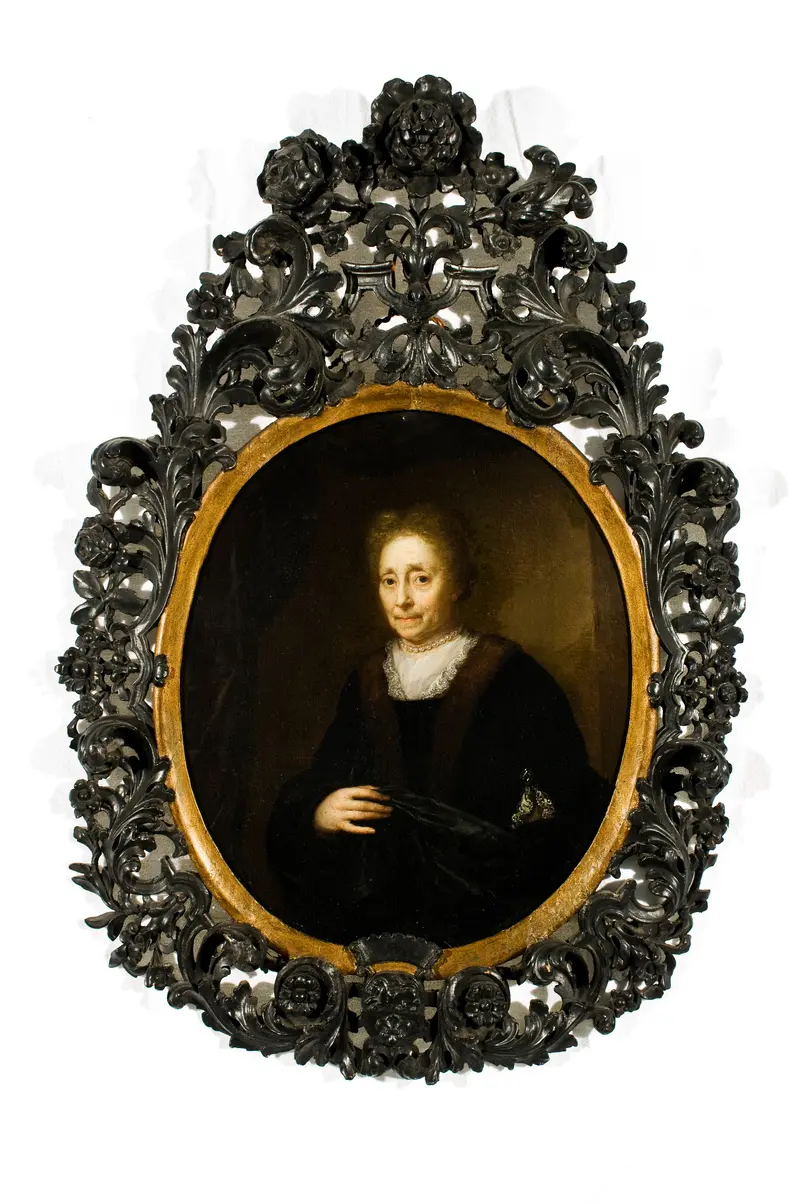
Portret van Elisabeth Schaep van Strijen, echtgenote van Mr. Pieter Schaep DM 011 980 Dordrechts Museum
Arnold Boonen
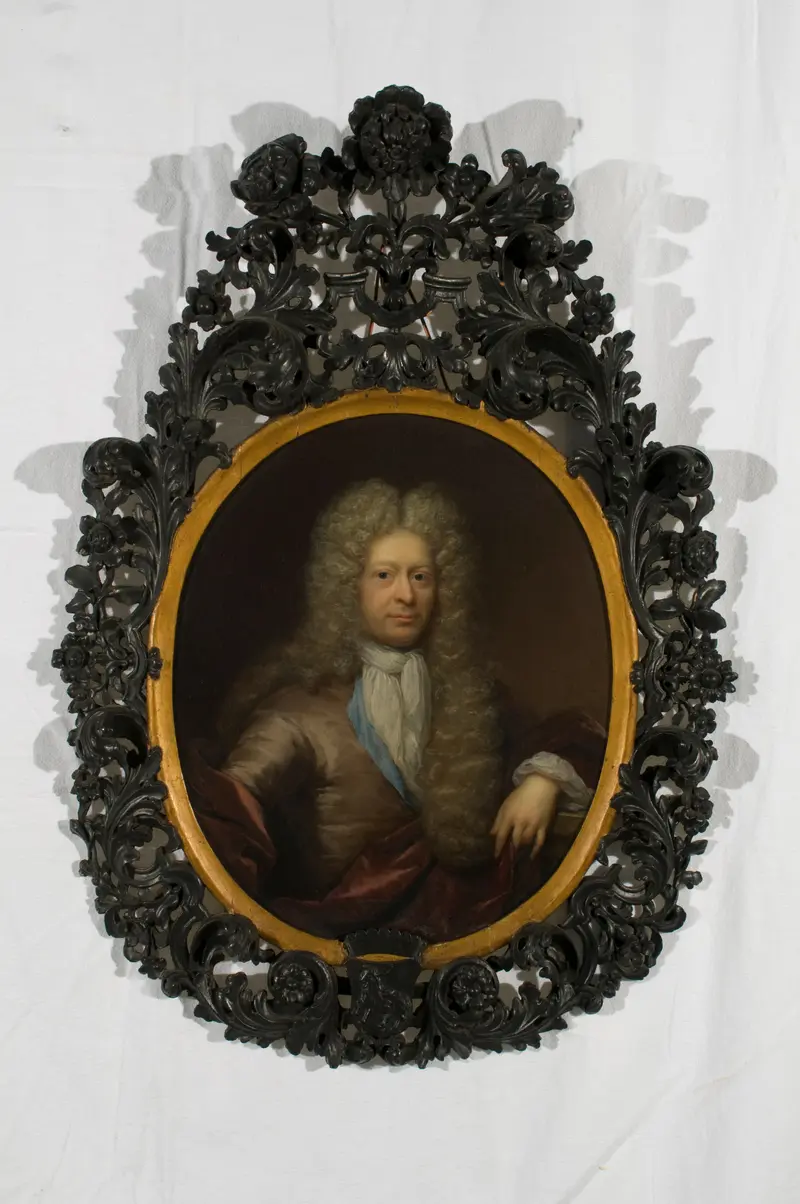
Portret van Mr Reynier Schaep DM 011 981 Dordrechts Museum
Arnold Boonen
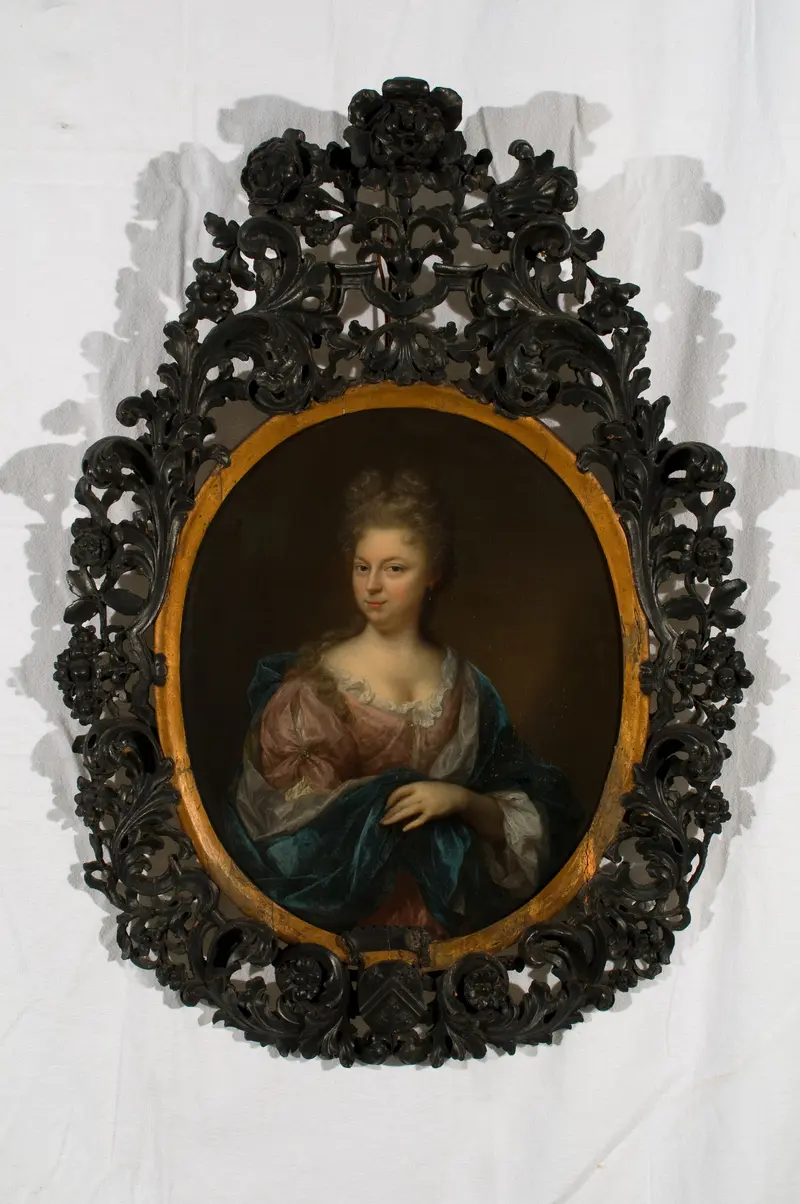
Portret van Eva Maria Muilman DM 011 982 Dordrechts Museum
Arnold Boonen
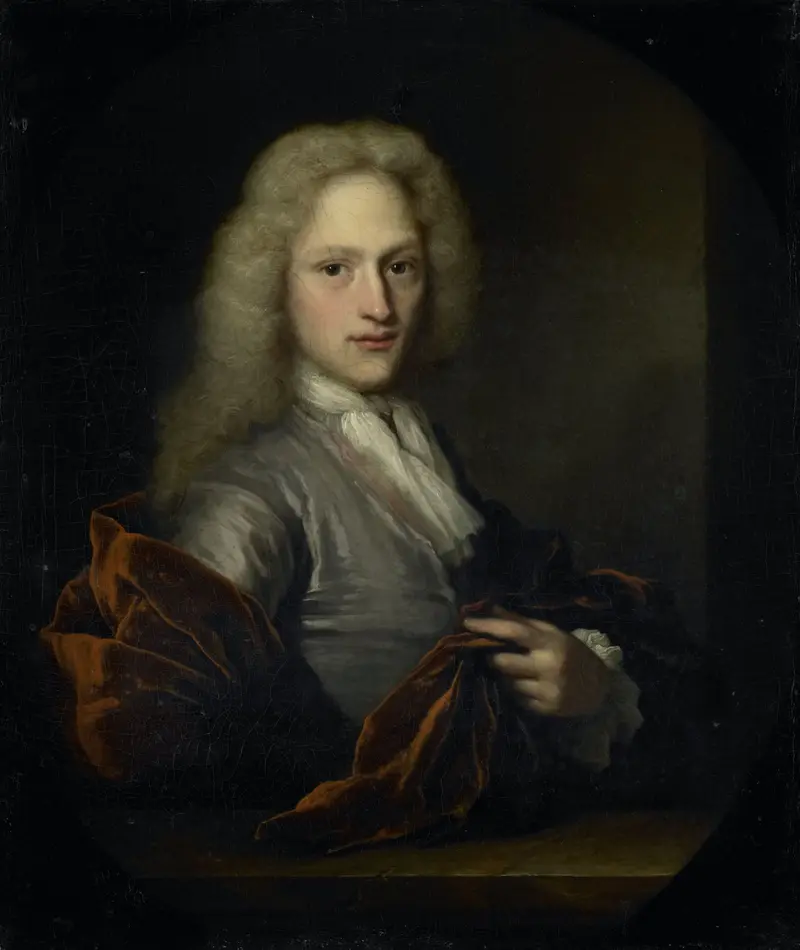
Portrait of a Man SK-A-
Arnold Boonen
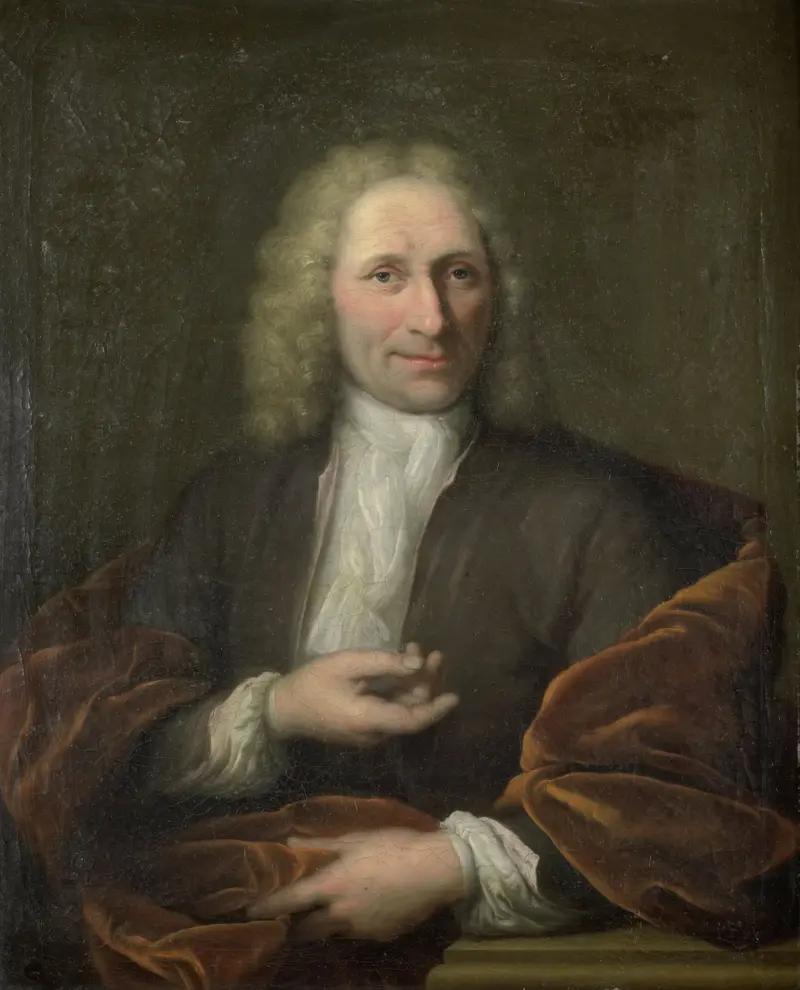
Portrait of a Man
Arnold Boonen
Portret van Mr. Pieter Schaep DM 011 979 Dordrechts Museum
Arnold Boonen





