
Portrait of Constantijn Huygens (1596-1687) and his Five Children — History & Facts
What first catches the eye here is not a single face, but the intricate choreography of gazes, frames, and gestures that encircle the central figure. The composition of Portrait of Constantijn Huygens (1596-1687) and his Five Children by Adriaen Hanneman is a deliberate orchestration of family pride and affection, each oval a stage, each child a player in a tableau of legacy. The patriarch, Constantijn, is ringed by his children, their likenesses set in ornate cartouches, as if they are precious cameos or living emblems.
The cherubs that support and crown these frames are not idle decoration: they reinforce the painting’s message of fruitful lineage, their arms heavy with fruit and their bodies woven into the architecture of the family itself. This is a portrait that speaks as much about ideals as about individuals. The children, each rendered with careful attention to costume and expression, are arrayed like jewels around their father, who alone meets the viewer’s gaze directly. His hand rests at his chest, a gesture that might signal devotion or responsibility, while the children’s postures range from shy reserve to open confidence.
The warm, muted palette and the soft modeling of flesh and fabric evoke the influence of English and Dutch portraiture of the period, recalling the formal family groups of Anthony van Dyck but with a distinctly Dutch sobriety. The Latin inscription below—“Ecce Hereditas Domini”—translates as “Behold, the heritage of the Lord,” anchoring the painting’s message in both faith and family pride. Painted in 1640, this work belongs to the Mauritshuis collection, a fitting home for a portrait so steeped in the values of the Dutch Golden Age. In that era, portraits like this were not merely records; they were declarations of status, virtue, and continuity, often commissioned by prosperous families eager to cement their place in society.
The careful arrangement and symbolic framing reflect a world where lineage and legacy were paramount, and where the painted image was both a private treasure and a public statement. Let your eye wander from face to face, cherub to cherub, and consider what stories might have unfolded behind each careful pose.
More Artworks by Adriaen Hanneman
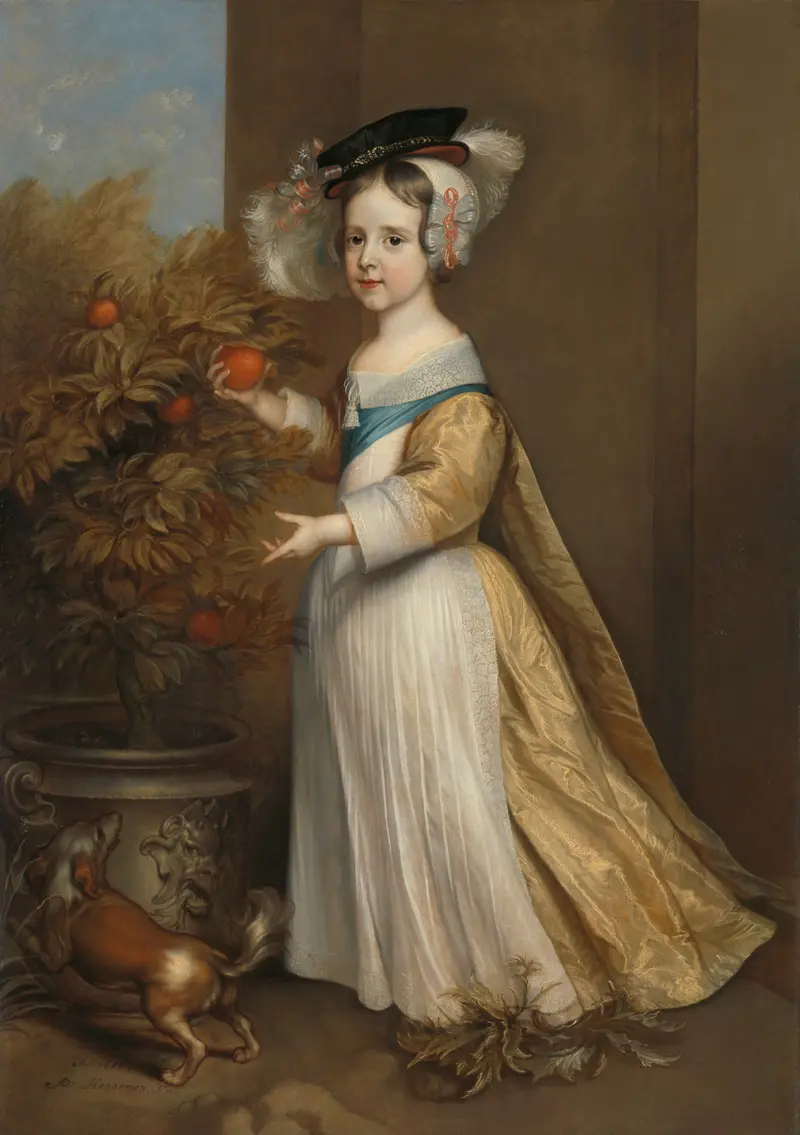
Portrait of Willem III (1650-1702), Prince of Orange, as a Child
Adriaen Hanneman
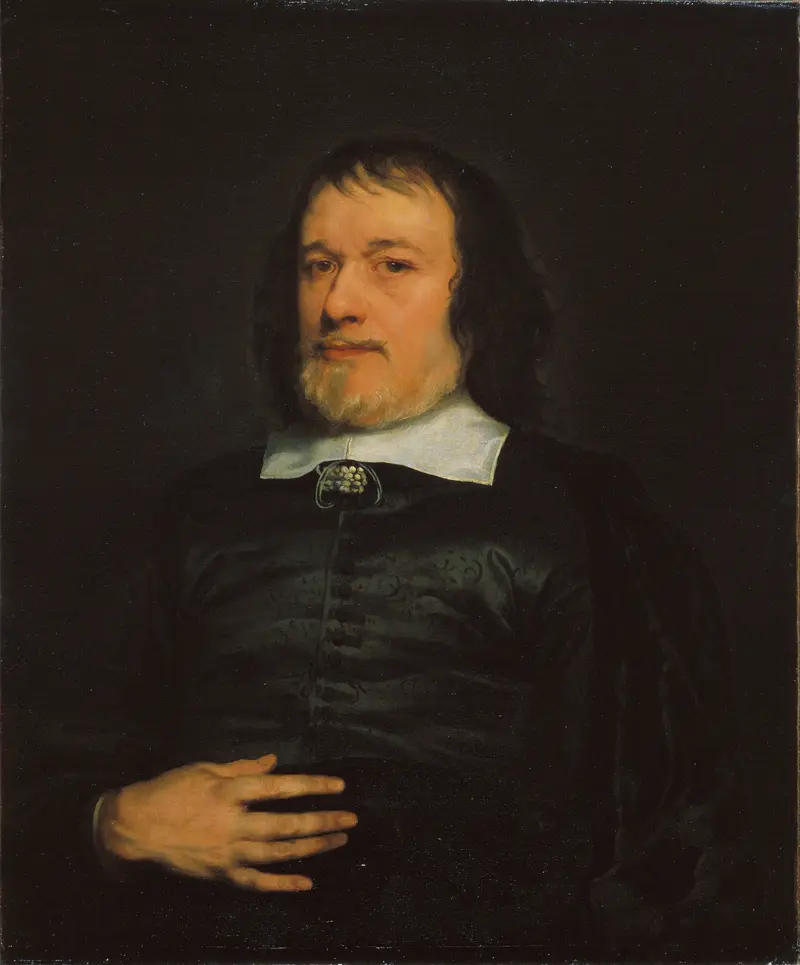
Portrait of a Gentleman
Adriaen Hanneman
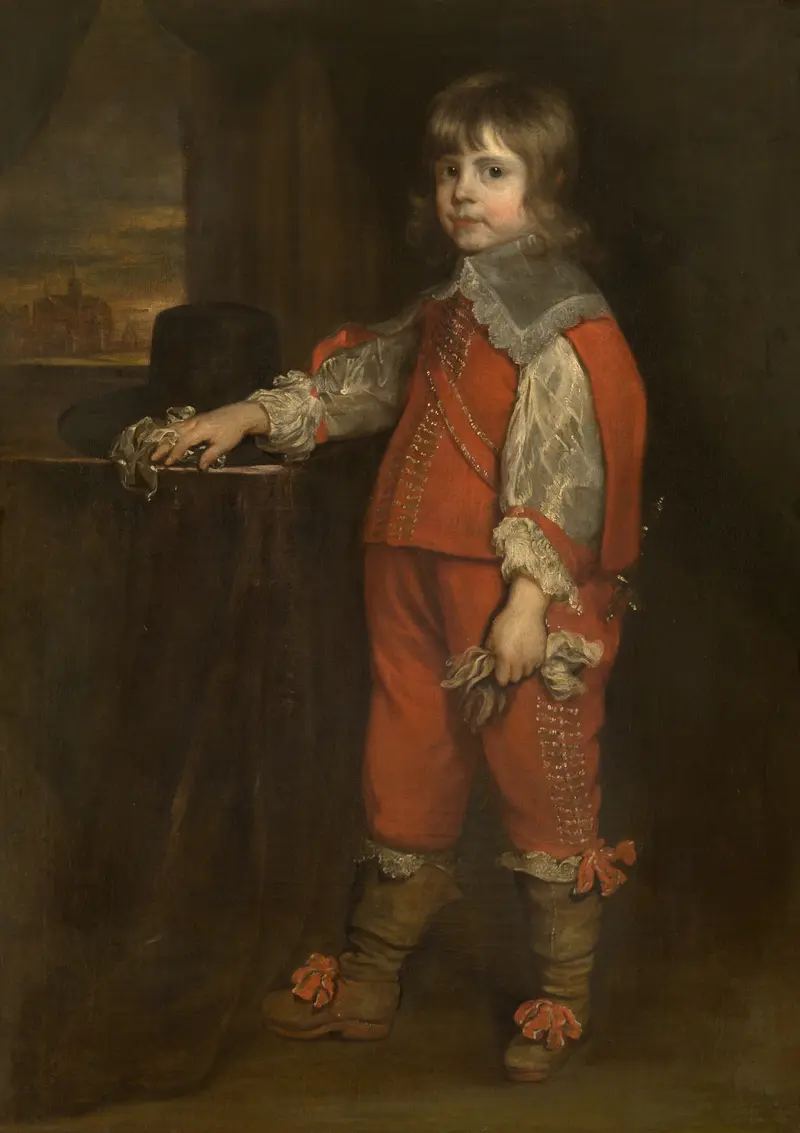
Charles II, when Prince of Wales
Adriaen Hanneman
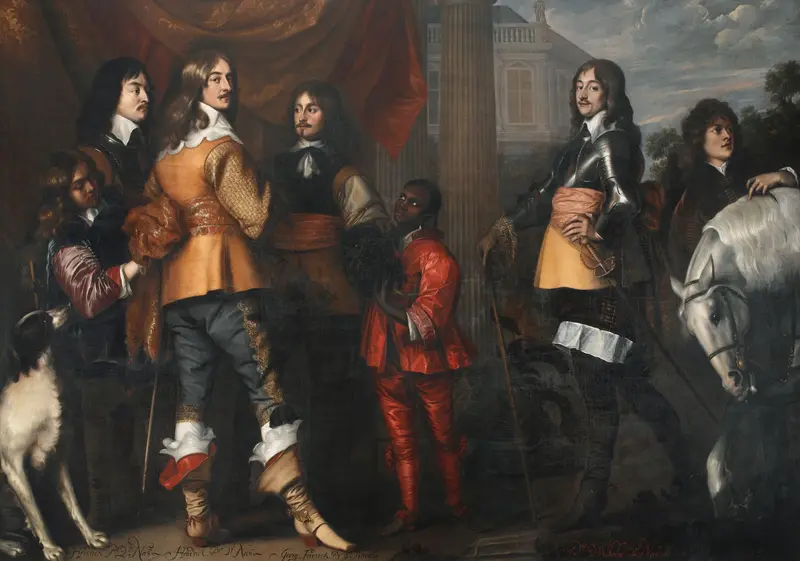
Group portrait Willem Frederik v Nassau-Dietz,Hendrik Casimir I v Nassau-Dietz,Hendrik v Nassau-Siegen,George Frederik v Nassau-Siegen with servants
Adriaen Hanneman
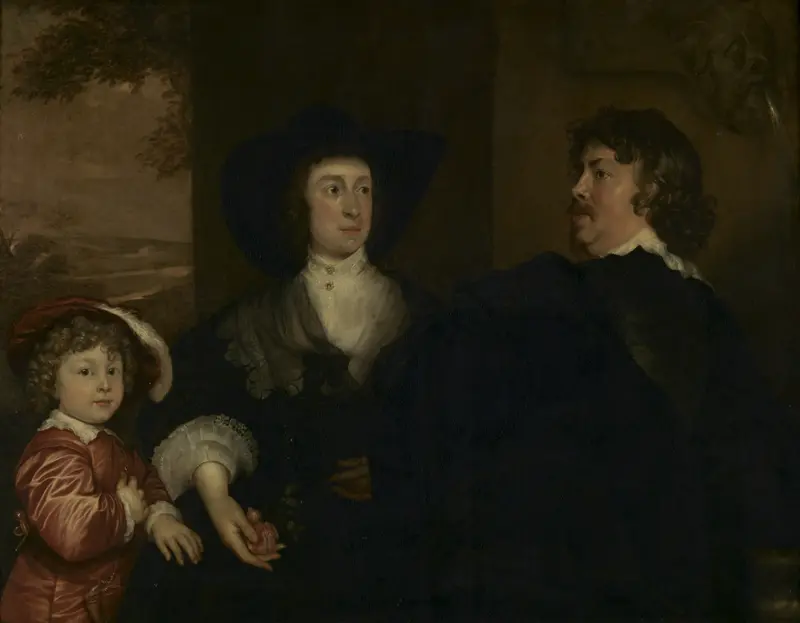
Family portrait of Cornelis Janson van Ceulen (1593-1661), Elisabeth Beck (died 1670) and their son Cornelis Janson van Ceulen (1634-1715)
Adriaen Hanneman
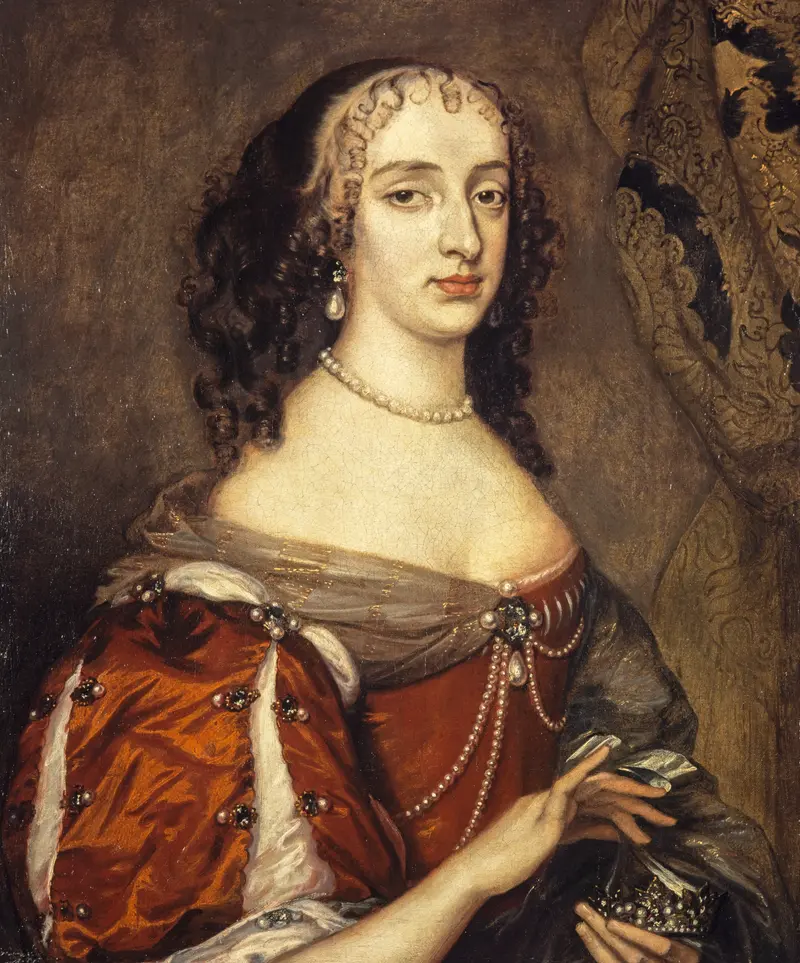
Princess Mary, 1631 - 1660. Eldest daughter of Charles I; Princess of Orange
Adriaen Hanneman
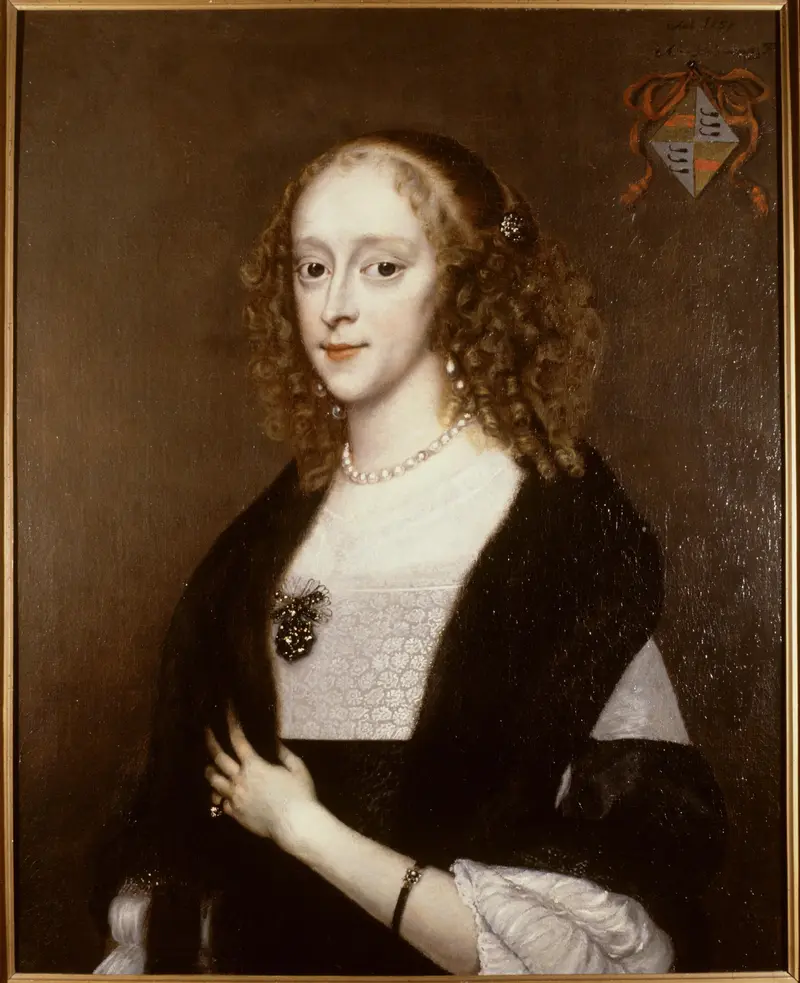
Portrait of Wendela Bicker (1636-1668)
Adriaen Hanneman
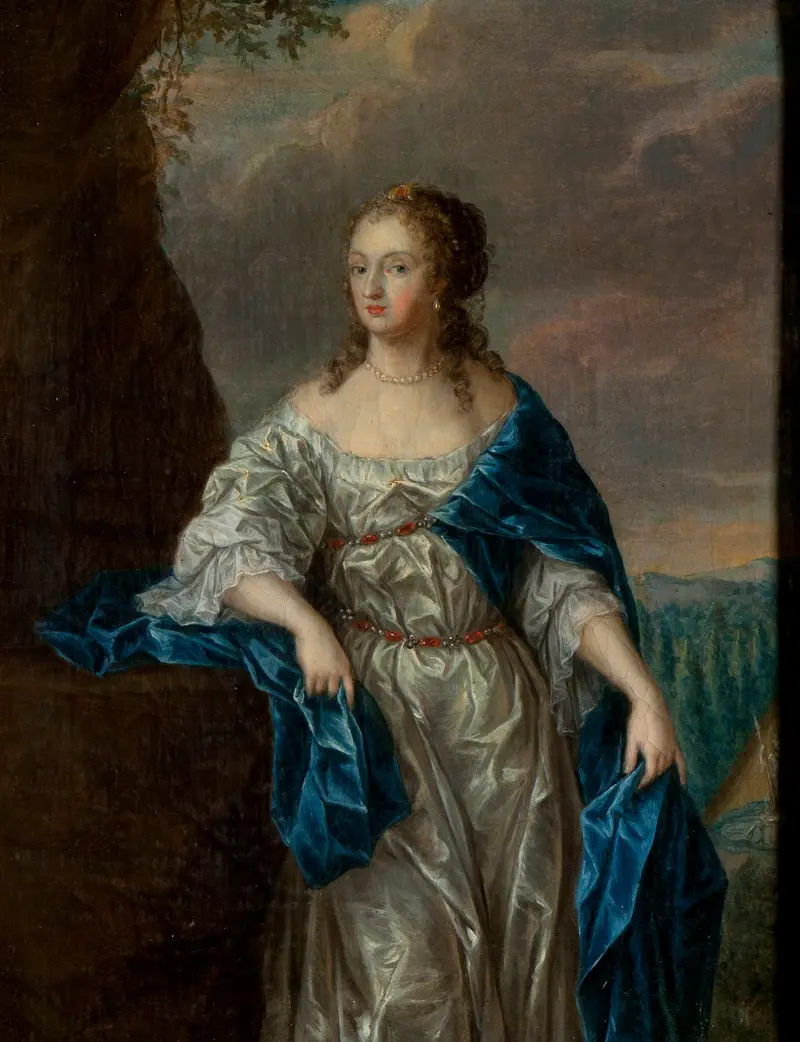
Mary Killegrew (born 1627), Countess of Nassau. Wife of Frederik van Nassau-Zuylenstein
Adriaen Hanneman
Portrait of a Man
Adriaen Hanneman
Self-portrait
Adriaen Hanneman





