
Portrait of Count Nikolay Guryev — History & Facts
When Jean Auguste Dominique Ingres painted Portrait of Count Nikolay Guryev in 1821, he was already attracting the attention of Russian aristocrats eager to be immortalized by the young French artist’s precise hand. Guryev, a high-ranking Russian official and former Minister of Finance under Tsar Alexander I, sat for Ingres during a period of cultural exchange that saw many Russians traveling to Paris for art and style. The commission itself was a mark of status, and the portrait’s journey began in the midst of post-Napoleonic Europe, when the Russian elite sought the prestige of French portraiture. Ingres captures Count Guryev at the height of his influence, seated in formal attire, his gaze direct yet reserved.
The count’s uniform, adorned with medals and a sash, signals his service and honors, while the subtle play of light across his face and hands draws attention to his intelligence and authority. The setting is restrained, focusing all attention on the sitter’s presence—unlike the more theatrical backgrounds favored by Thomas Lawrence in his portraits of British statesmen. Ingres’s meticulous rendering of fabric and flesh, and the cool detachment in Guryev’s expression, reflect the artist’s neoclassical ideals, where clarity and order reign. The painting’s subsequent history is less well documented than its creation.
Like many of Ingres’s portraits of foreign patrons, Portrait of Count Nikolay Guryev likely remained in private Russian hands for much of the nineteenth century, passing through family collections and perhaps surviving the upheavals of the Russian Revolution. Today, it is recognized as an early example of Ingres’s international reputation, painted during his Roman period before his return to Paris. The work stands as a testament to the cosmopolitan networks of the era and to Ingres’s growing mastery of psychological portraiture.
More Artworks by Jean Auguste Dominique Ingres
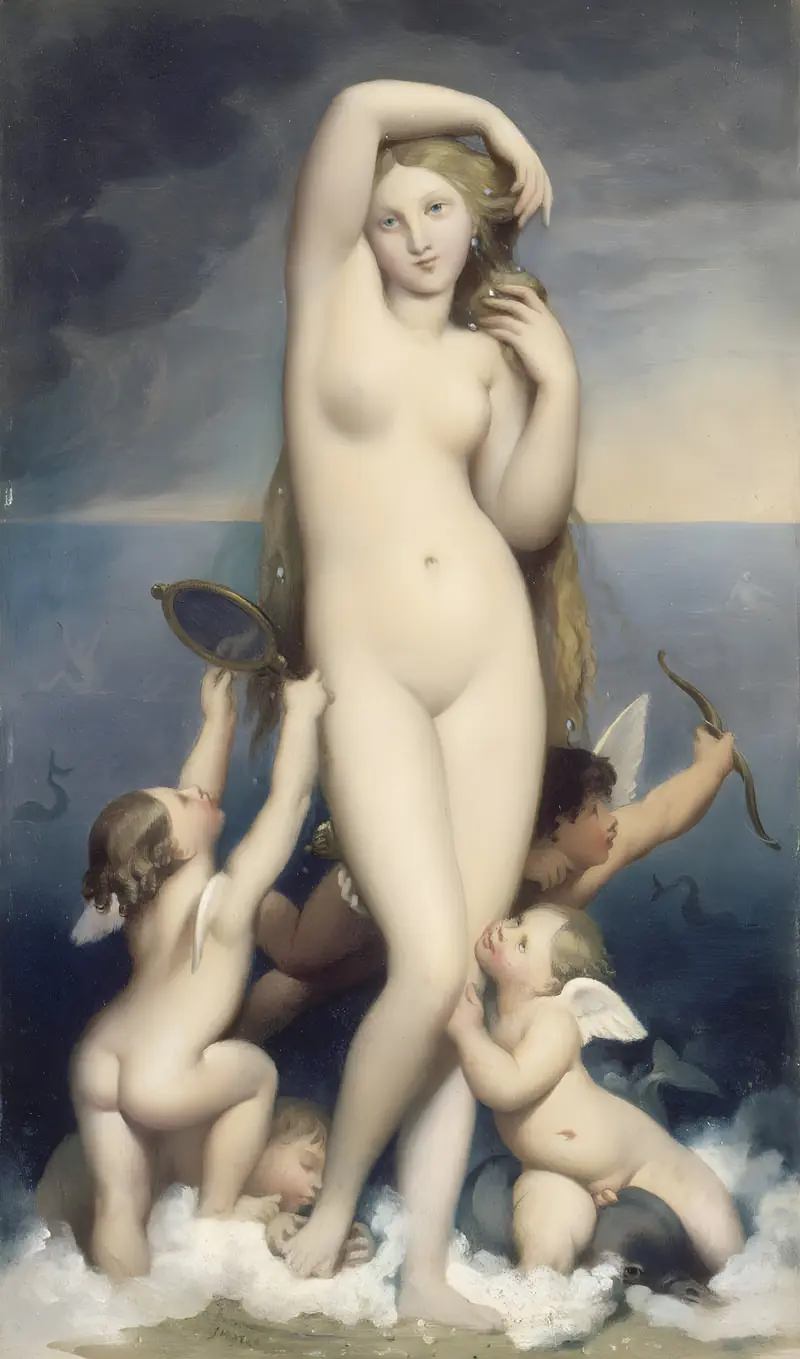
Vénus anadyomène
Jean Auguste Dominique Ingres
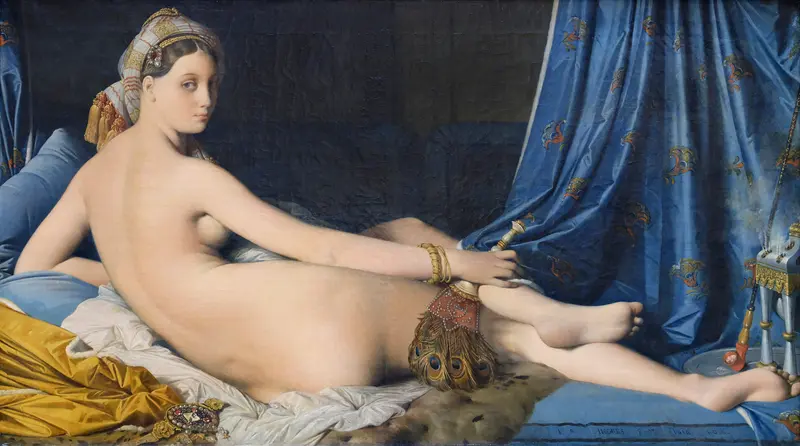
Grande Odalisque
Jean Auguste Dominique Ingres
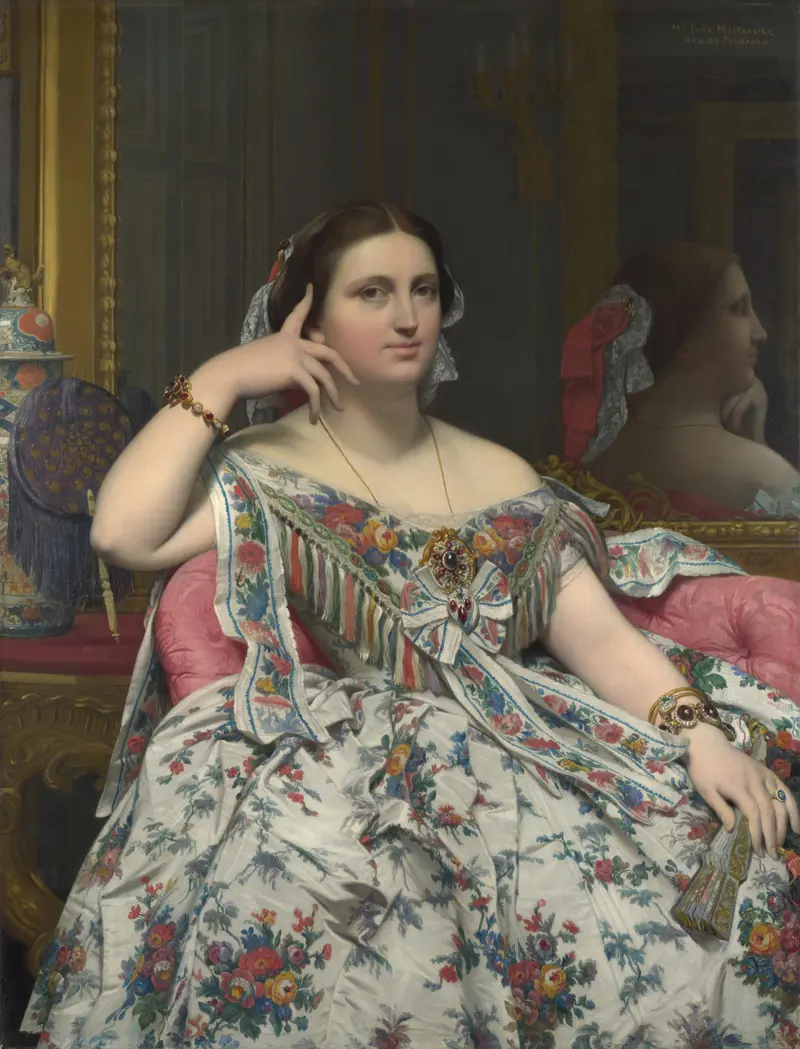
Madame Moitessier (seated)
Jean Auguste Dominique Ingres
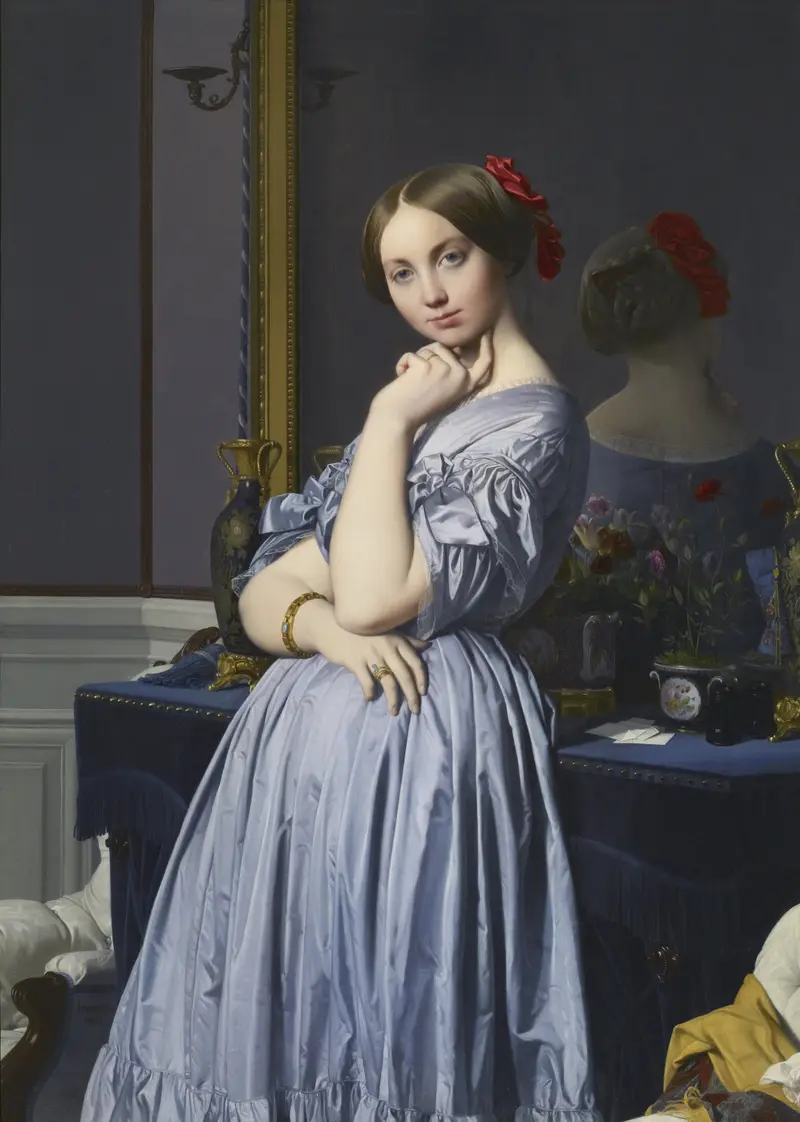
Portrait of Comtesse d’Haussonville
Jean Auguste Dominique Ingres
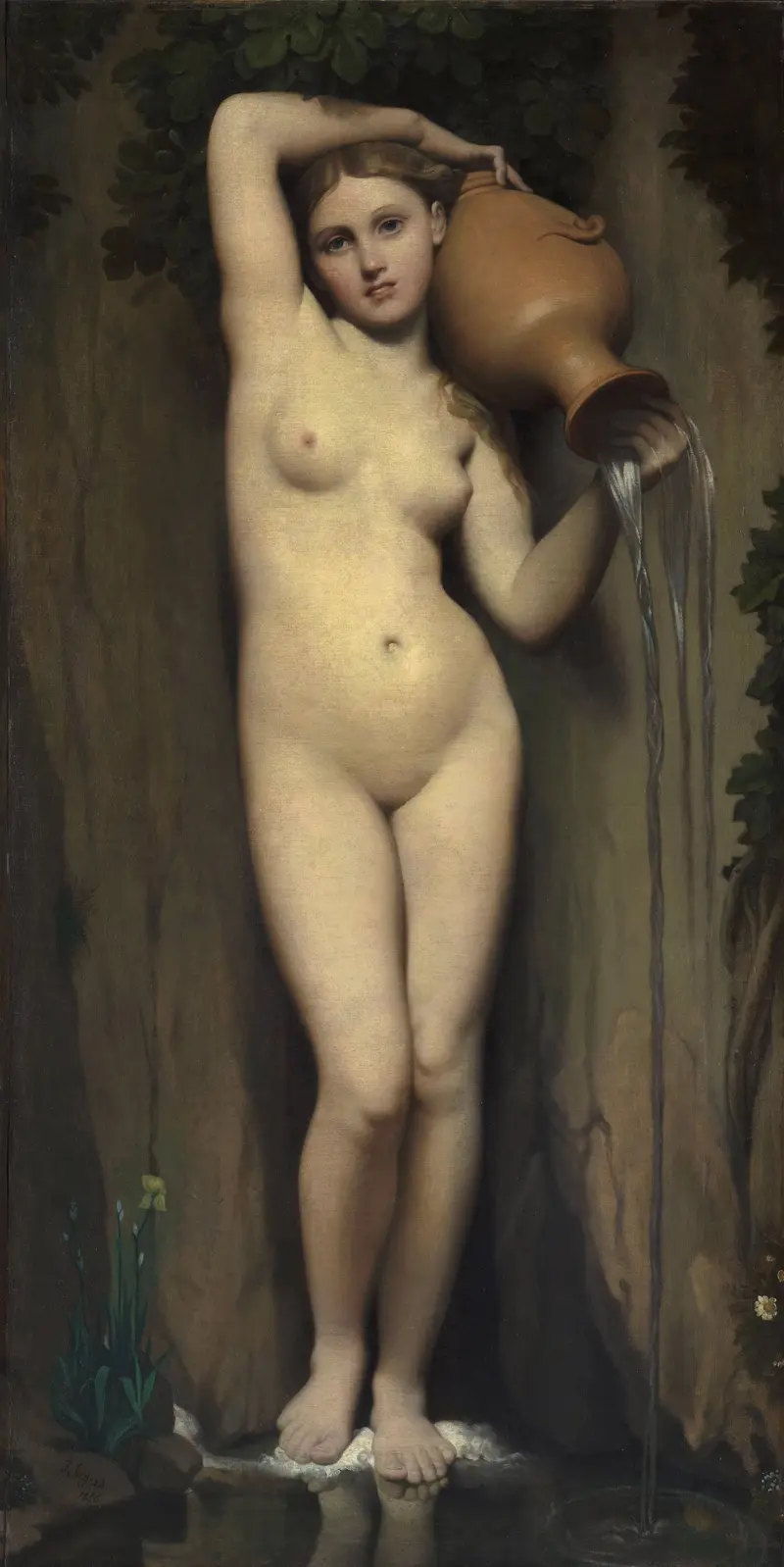
The Source
Jean Auguste Dominique Ingres
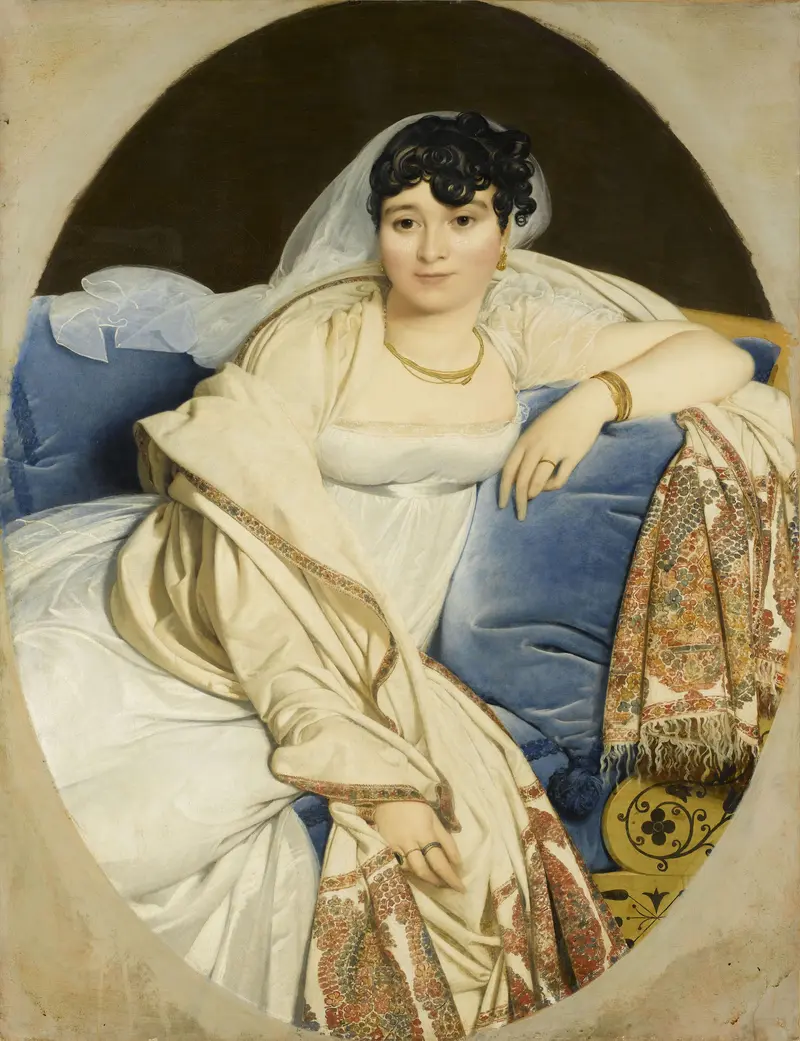
Madame Rivière
Jean Auguste Dominique Ingres

Madame Jean-Auguste-Dominique Ingres, née Madeleine Chapelle
Jean Auguste Dominique Ingres

Portrait of a Lady
Jean Auguste Dominique Ingres
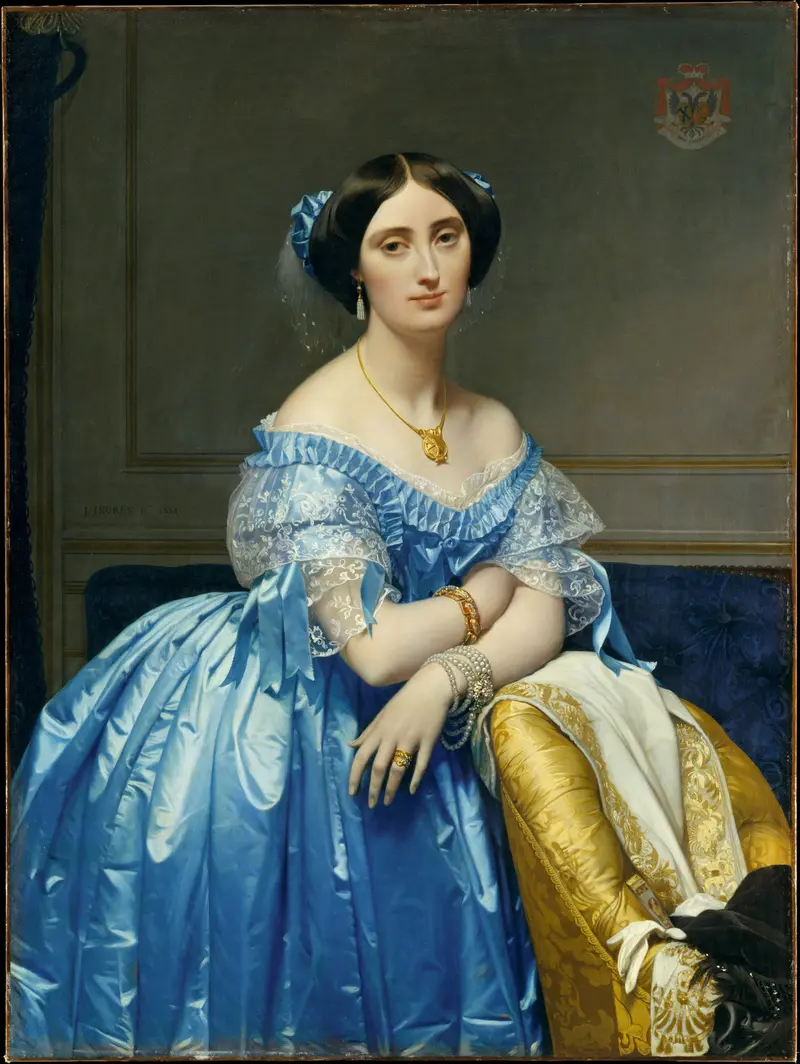
Joséphine-Éléonore-Marie-Pauline de Galard de Brassac de Béarn (1825–1860), Princesse de Broglie
Jean Auguste Dominique Ingres
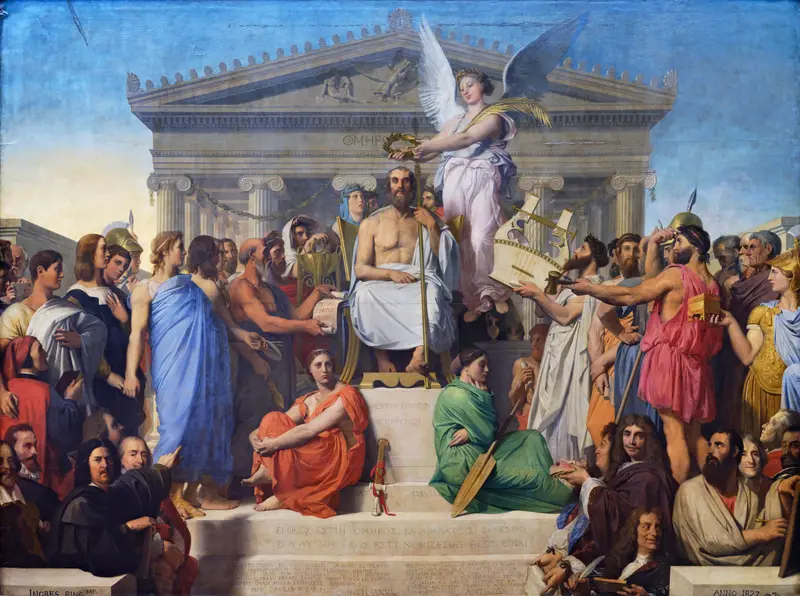
The Apotheosis of Homer
Jean Auguste Dominique Ingres





