
Portrait of Dr. J. L. Dusseau — History & Facts
What first catches the eye in Portrait of Dr. J. L.
Dusseau is the tension held in the sitter’s hands—a quiet drama played out in the subtle grip of one hand over the other, as if the doctor is holding back a thought or a memory. The figure stands at half-length, his left elbow resting on a pedestal that anchors him in the space, yet his gaze is cast away, lost in a direction the viewer can only imagine. The play of light across his face carves out the bone structure and draws attention to his alert, slightly distant expression, suggesting a mind at work.
The crisp white of his shirt and the sharp black of his suit set a formal tone, but the softness of his hair and the almost vulnerable way his fingers intertwine add a note of intimacy. Every detail, from the careful rendering of the skin to the shadowed background, seems designed to focus our attention on the inner life of the sitter. Created in 1870 by Thérèse Schwartze, this portrait belongs to a moment in European art when the conventions of official likeness were being subtly reworked by artists eager to reveal character as much as status. Portraits like this were often commissioned by families or institutions to commemorate achievement or social standing, and the choice of pose and setting was never accidental.
The Netherlands in the late nineteenth century was a place of growing middle-class confidence, and artists such as Schwartze—herself part of a new generation of professional women painters—were adept at capturing both the dignity and the personal presence of their subjects. Today, the painting resides in the Rijksmuseum, a silent witness to the ambitions and anxieties of its era, inviting us to read between the lines of a carefully composed public image.
More Artworks by Thérèse Schwartze

Self-portrait
Thérèse Schwartze
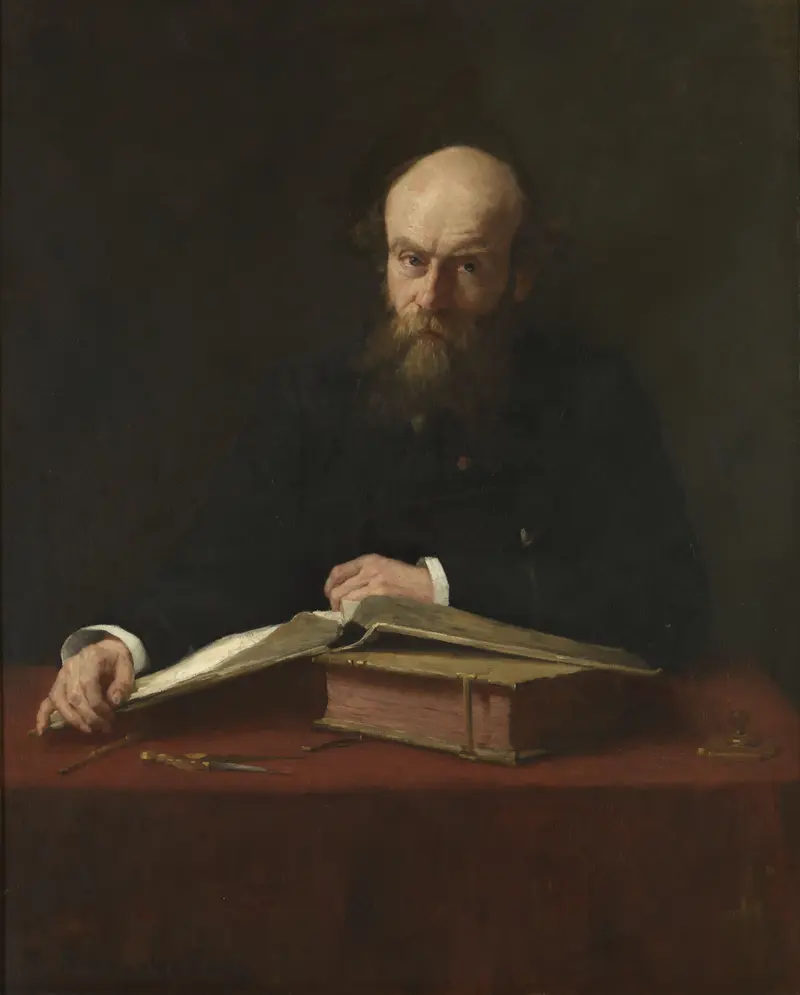
Portrait of Dr. P.J.H. Cuypers (1827-1921)
Thérèse Schwartze
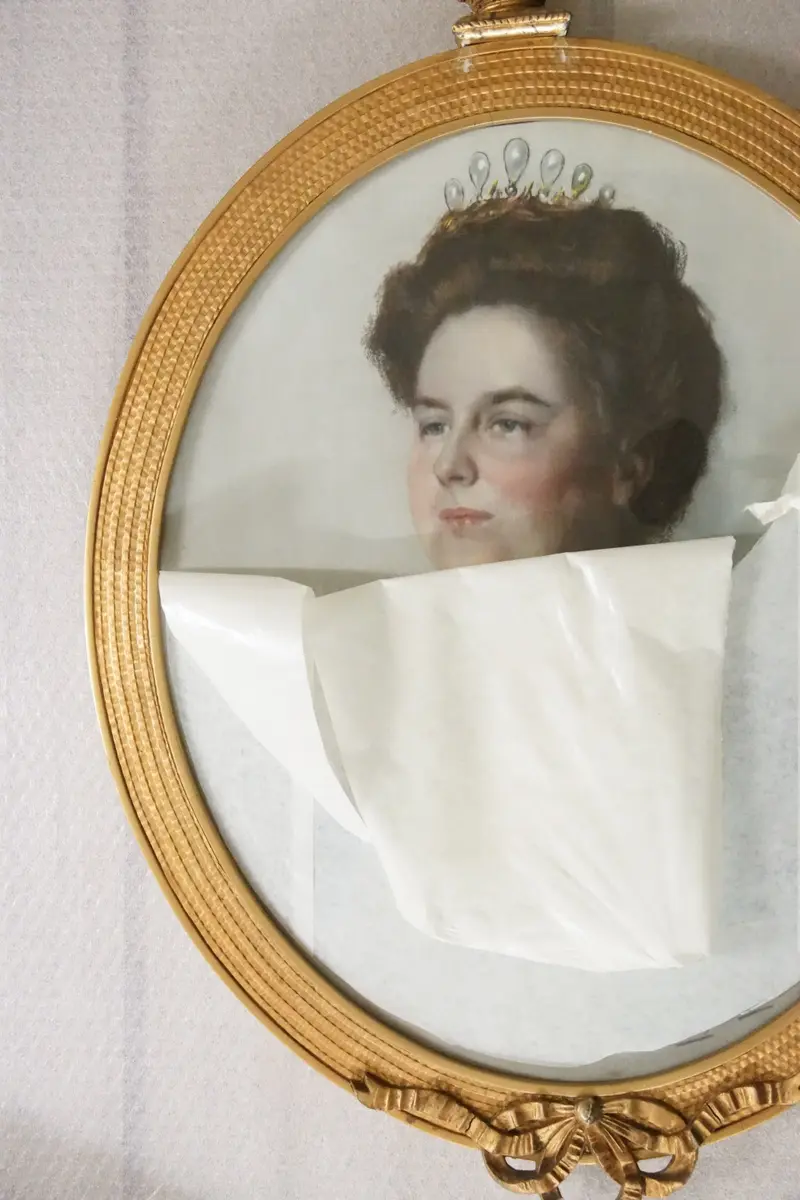
Portret Wilhelmina 020904 Stedelijk Museum Alkmaar
Thérèse Schwartze
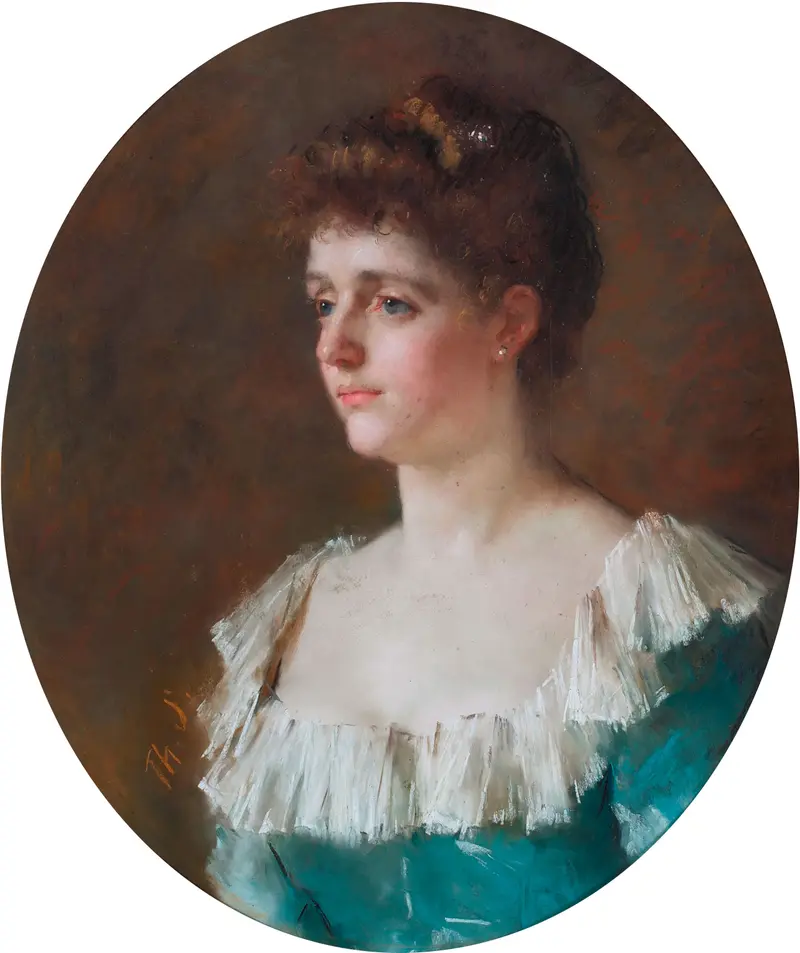
Portrait of Maria Cornelia Schimmelpenninck van der Oye (1857-1891)
Thérèse Schwartze
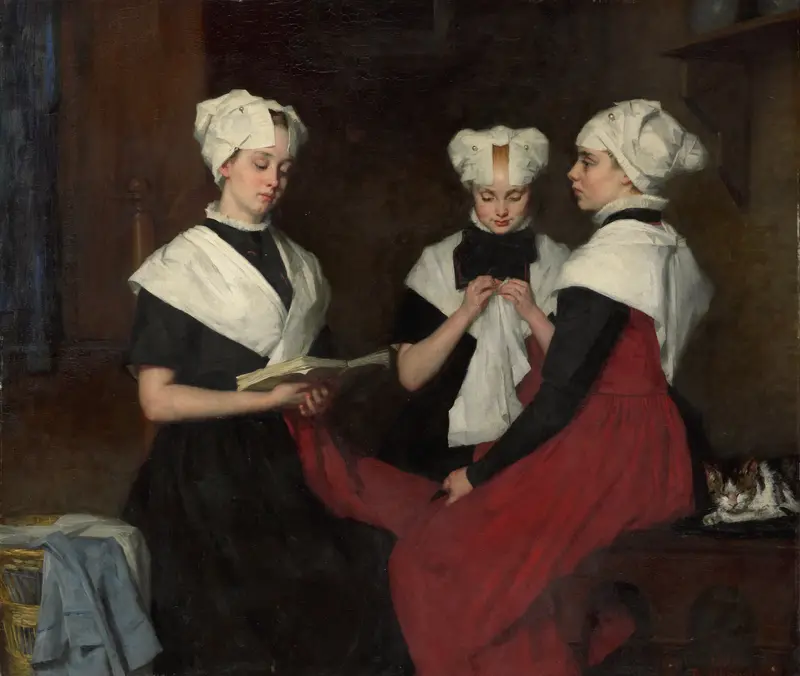
Three girls from the Amsterdam Orphanage
Thérèse Schwartze
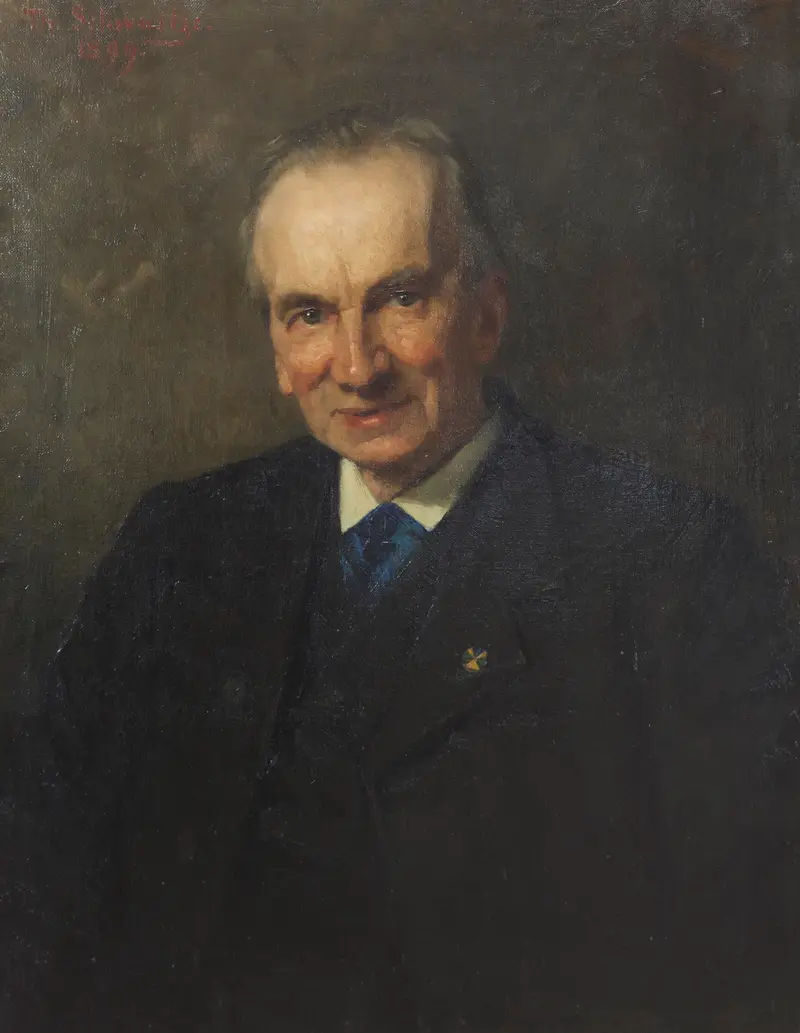
Portrait of Frederik Willem van Eeden
Thérèse Schwartze
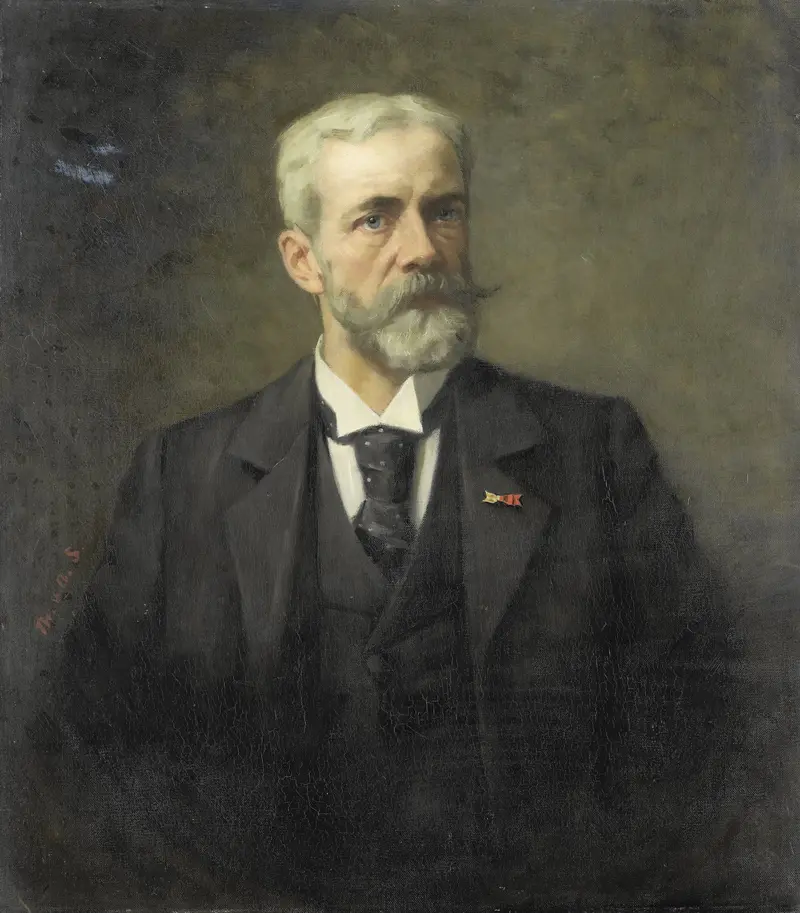
Portrait of Frederik Daniël Otto Obreen (1840-96), director Rijksmuseum
Thérèse Schwartze
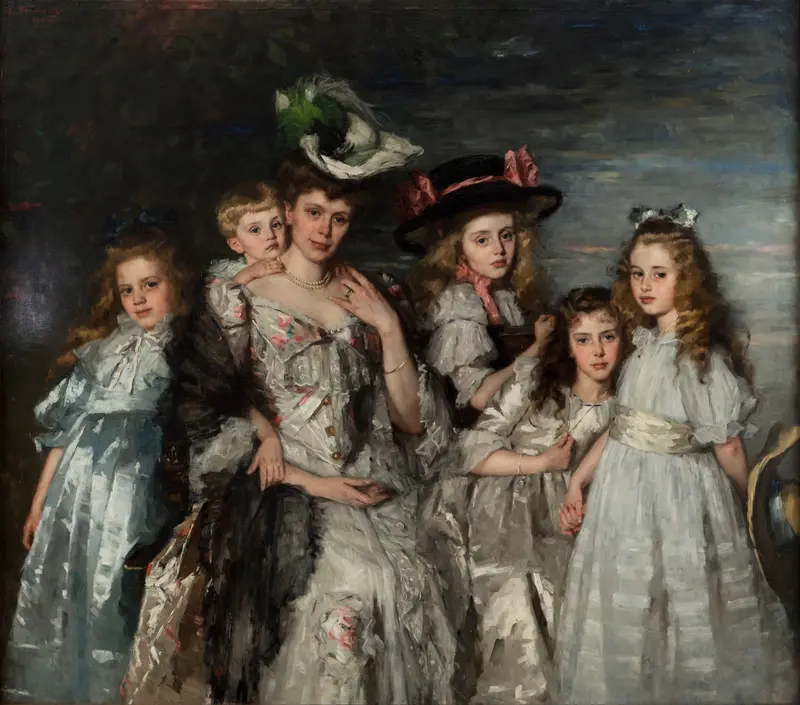
Portrait of Mrs. A.G.M. van Ogtrop-Hanlo (1871-1944) and her five children
Thérèse Schwartze
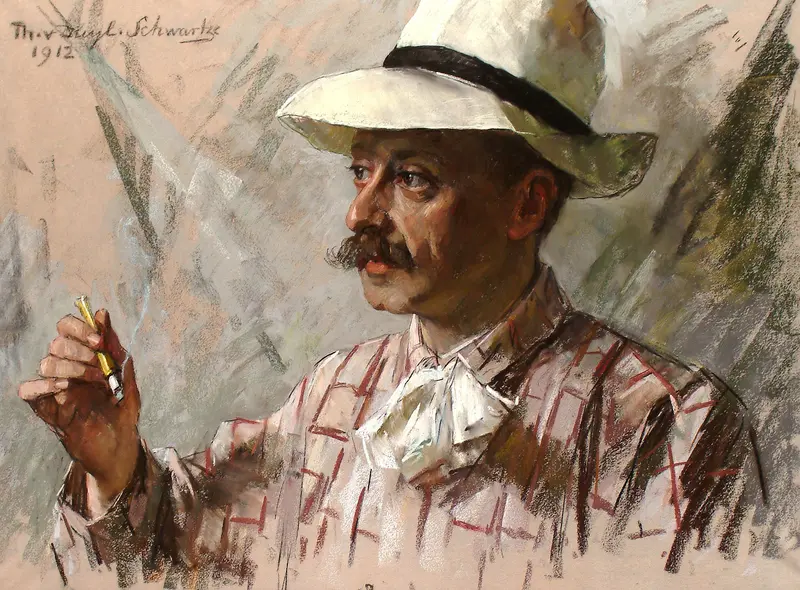
Portrait of Dr. Salomon Benjamin Druif
Thérèse Schwartze
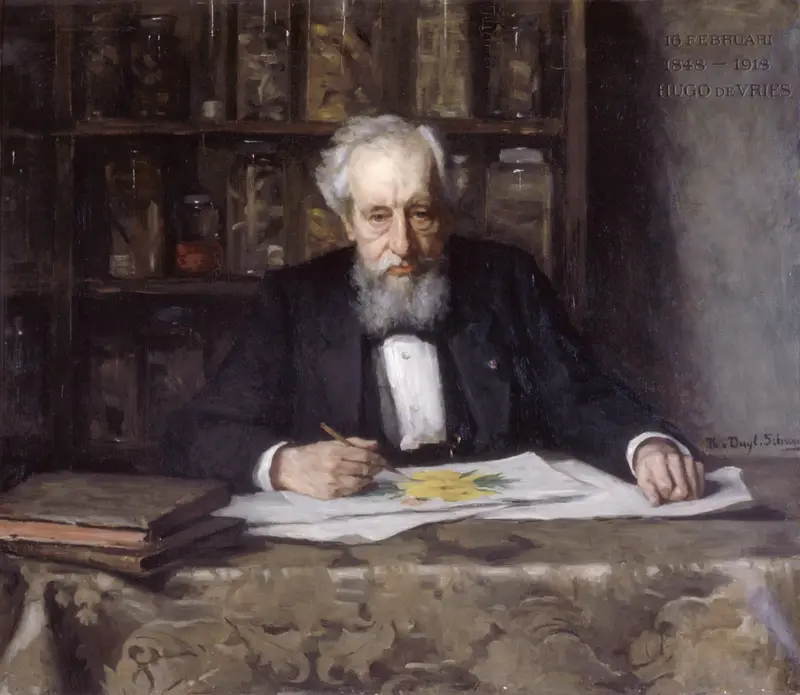
Portrait of Prof. Hugo de Vries
Thérèse Schwartze





