
Portrait of Frederik Willem van Eeden — History & Facts
What draws the viewer first in Portrait of Frederik Willem van Eeden by Thérèse Schwartze is the direct, almost conspiratorial warmth of the sitter’s gaze. The light falls with careful precision on his face, illuminating the gentle lines that speak of age and experience, while the background recedes into a deep, unobtrusive shadow. His faint smile, caught at the corner of his mouth, suggests a mind both alert and amused, inviting us to wonder at the conversation that might have just passed between painter and subject.
The blue of his tie and the small badge on his lapel offer subtle points of color, hinting at personal distinction without ostentation. Schwartze’s brushwork remains confident yet restrained, focusing all attention on the psychological presence of Frederik Willem van Eeden himself. Painted in 1899, this portrait belongs to a world where the formal likeness was both a social marker and a family treasure, often commissioned to honor achievement or preserve memory. In the Netherlands at the turn of the twentieth century, portraiture was a thriving genre, with artists like Thérèse Schwartze celebrated for their ability to capture character as much as likeness.
The sitter here, identified as a biologist and father to the writer Frederik van Eeden, stands as a figure rooted in both science and family legacy. Now held in the collection of the Teylers Museum, the work is a testament to a moment when personal history and public recognition met on canvas. The viewer is left to search the sitter’s eyes for the stories that outlast any written record.
More Artworks by Thérèse Schwartze

Self-portrait
Thérèse Schwartze
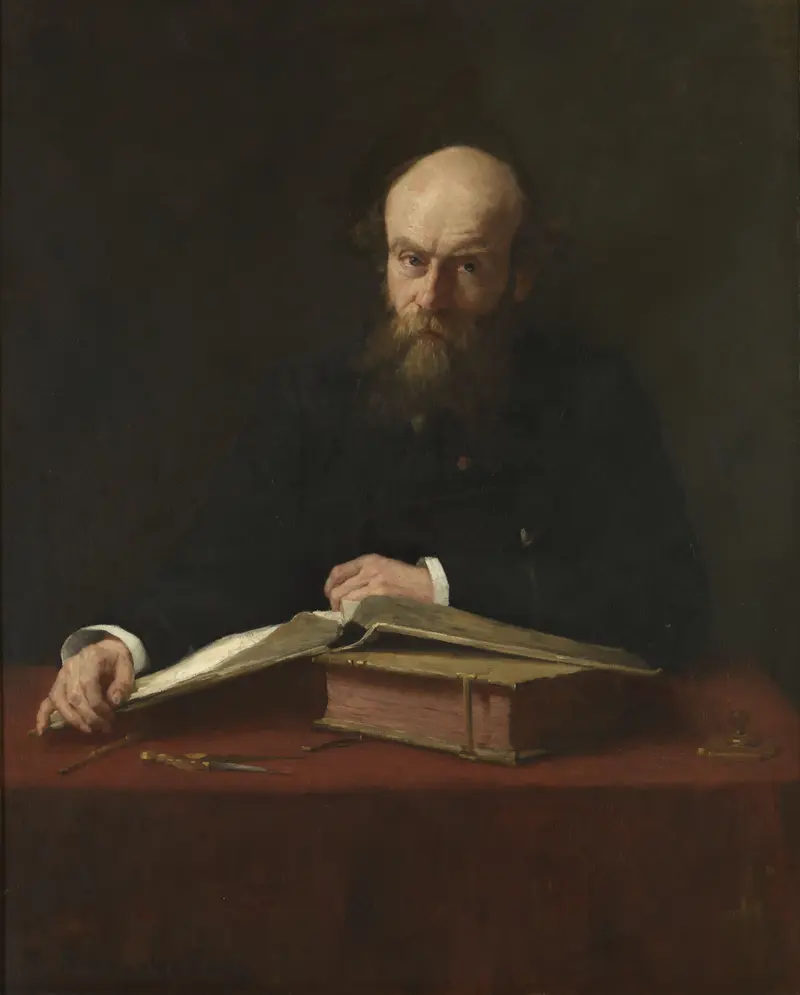
Portrait of Dr. P.J.H. Cuypers (1827-1921)
Thérèse Schwartze
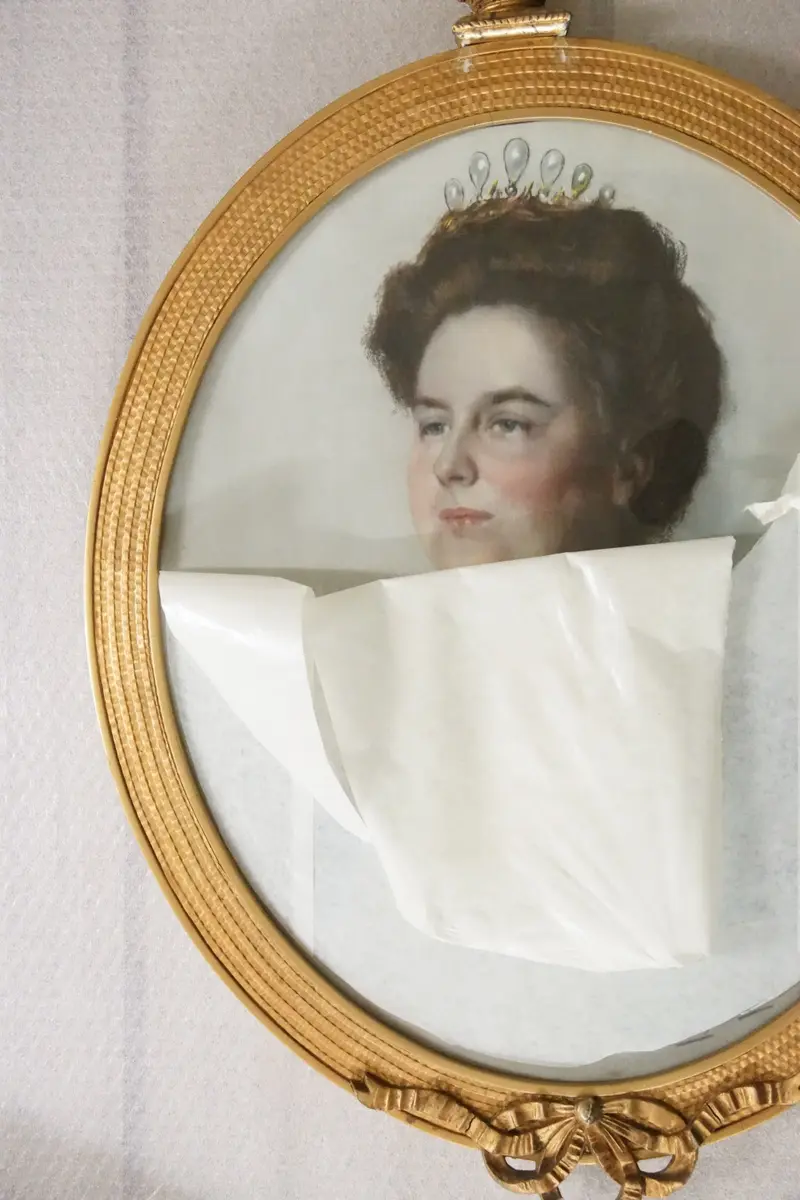
Portret Wilhelmina 020904 Stedelijk Museum Alkmaar
Thérèse Schwartze
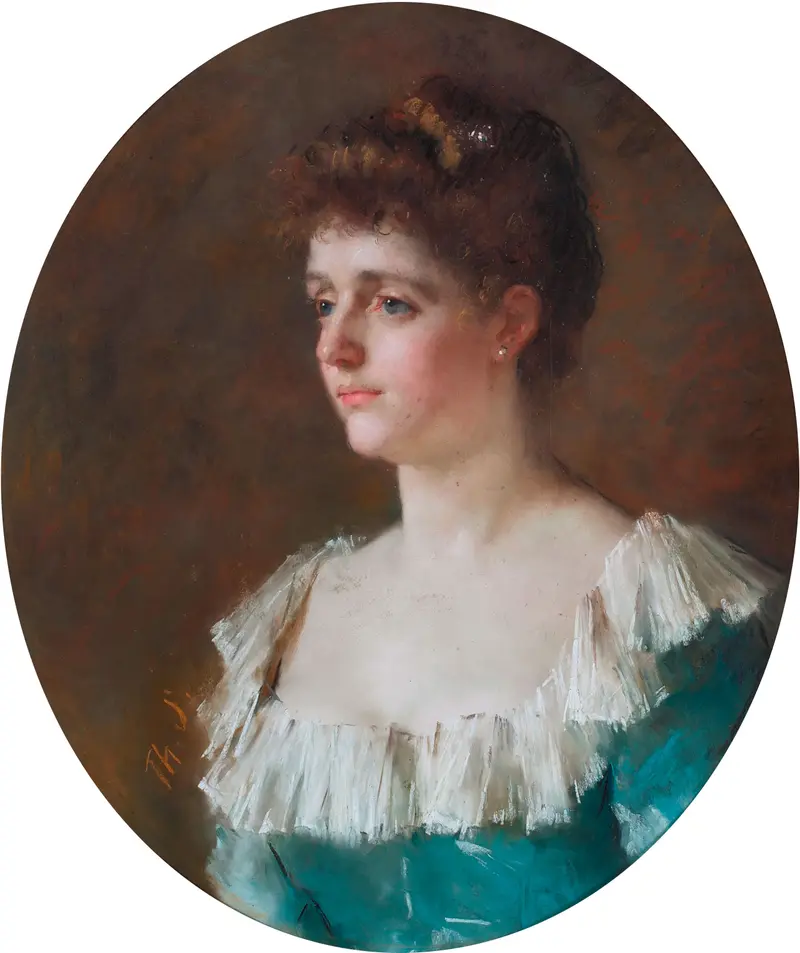
Portrait of Maria Cornelia Schimmelpenninck van der Oye (1857-1891)
Thérèse Schwartze
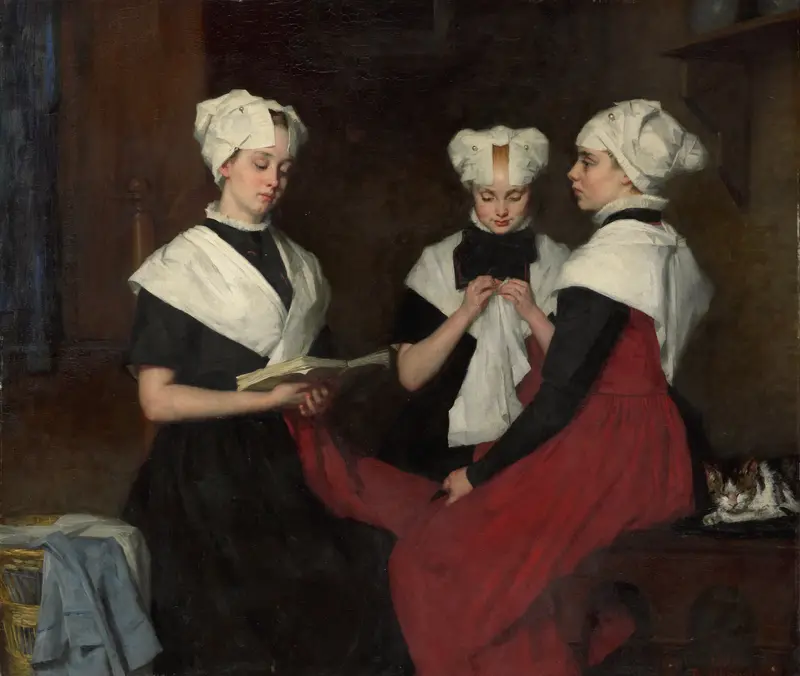
Three girls from the Amsterdam Orphanage
Thérèse Schwartze
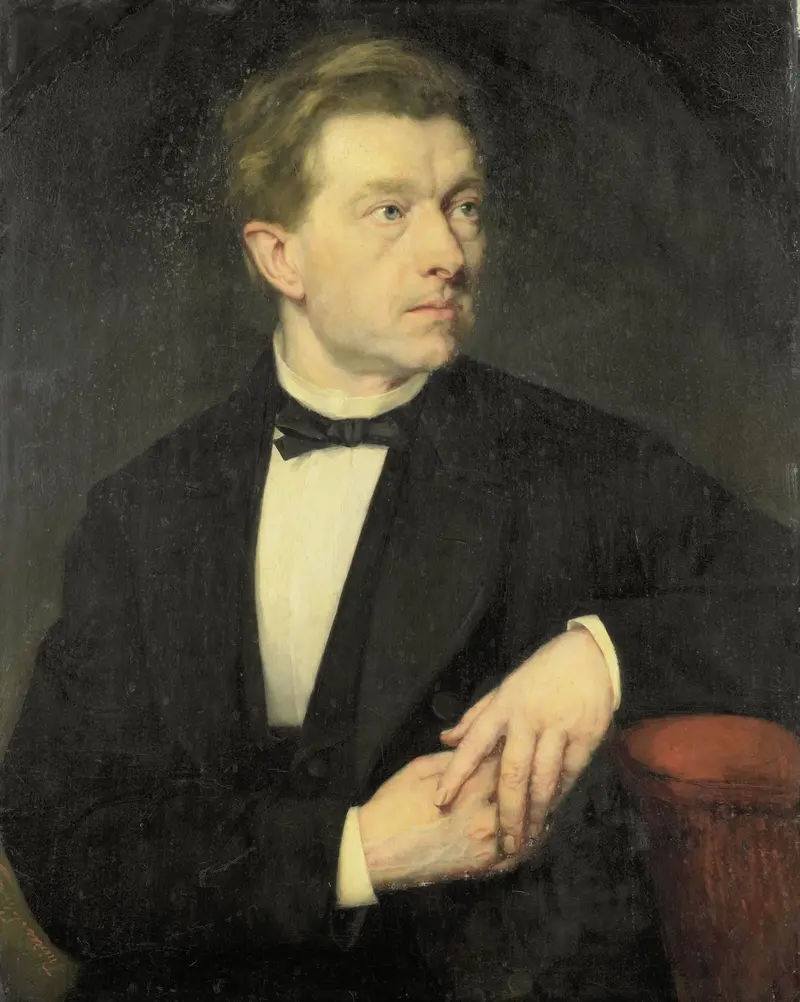
Portrait of Dr. J. L. Dusseau
Thérèse Schwartze
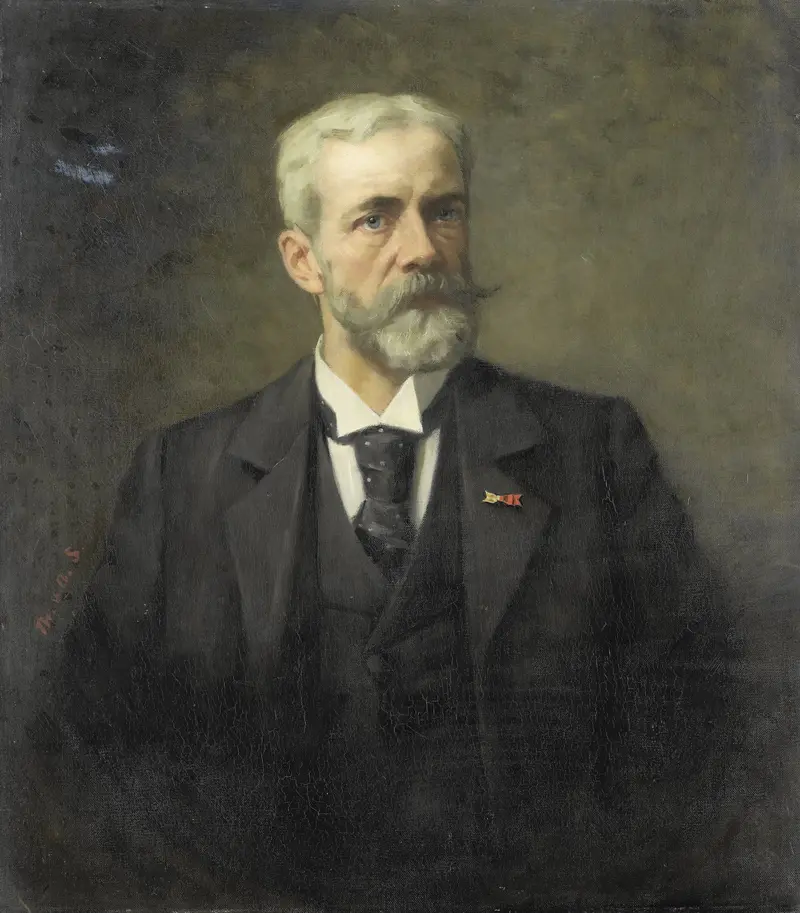
Portrait of Frederik Daniël Otto Obreen (1840-96), director Rijksmuseum
Thérèse Schwartze
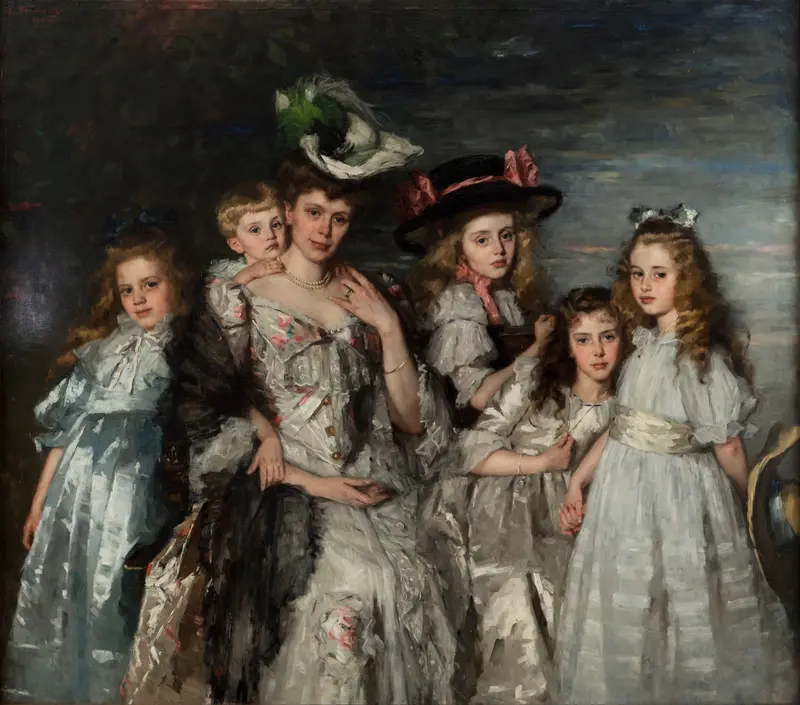
Portrait of Mrs. A.G.M. van Ogtrop-Hanlo (1871-1944) and her five children
Thérèse Schwartze
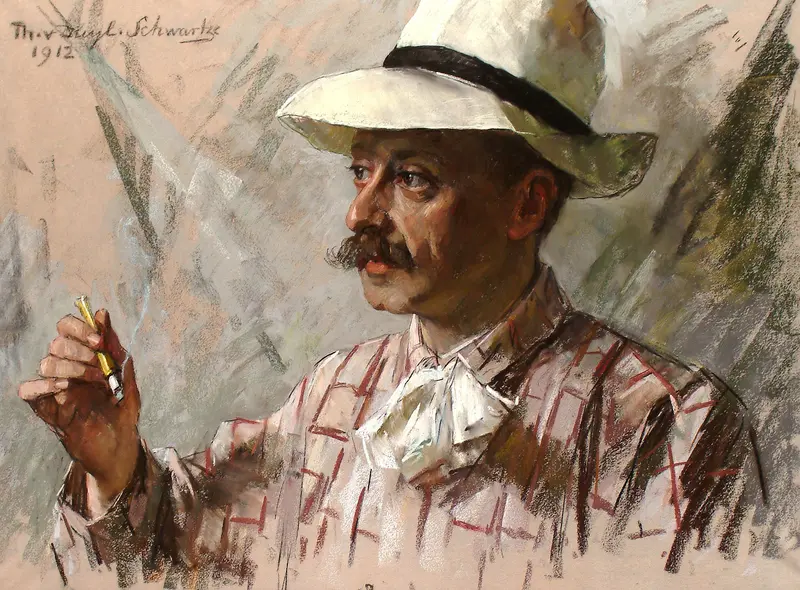
Portrait of Dr. Salomon Benjamin Druif
Thérèse Schwartze
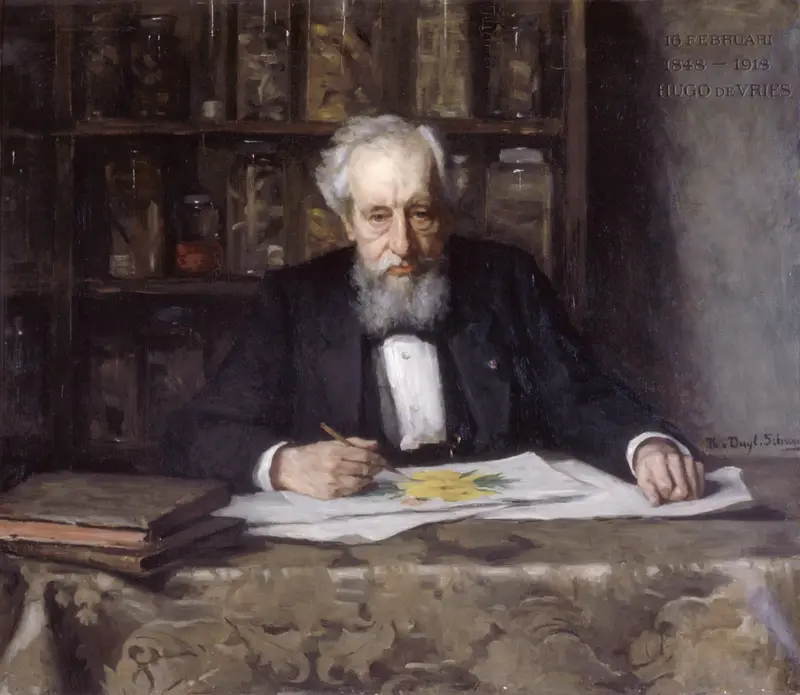
Portrait of Prof. Hugo de Vries
Thérèse Schwartze





