
Three girls from the Amsterdam Orphanage — History & Facts
What draws the eye first in Three girls from the Amsterdam Orphanage is the quiet choreography of hands and glances—a silent conversation unfolding in the hush of an interior. The girl on the left, absorbed in her reading, lets her gaze drift downward, while her companions are caught in the act of sewing, their fingers deftly working the fabric. Each figure is marked by the crisp white of her cap and shawl, their geometric folds catching the light and setting off the deep blacks and reds of their dresses.
The palette is sober, but not cold: the warmth of the wooden bench, the soft fur of the cat curled at the edge, and the faint blush in the girls’ cheeks all speak of a world contained but not joyless. Every detail, from the laundry basket to the shelf above, is placed to evoke order and routine, but also the dignity of daily life. Painted in 1885, this scene belongs to a moment when Dutch artists like Thérèse Schwartze turned their attention to the realities of contemporary society, often focusing on the lives of women and children. Such works were rarely grand commissions; instead, they were intended for civic pride or private admiration, celebrating the institutions and quiet virtues that shaped urban life.
The Amsterdam orphanage, with its distinctive uniforms and strict discipline, was both a symbol of charity and a subject of debate in the changing city. Today, the painting resides in the Rijksmuseum, a reminder of how art can lend grace and individuality to those history often leaves unnamed. Look again at the girls’ faces, and notice how each one holds her own story, even within the sameness of dress.
More Artworks by Thérèse Schwartze

Self-portrait
Thérèse Schwartze
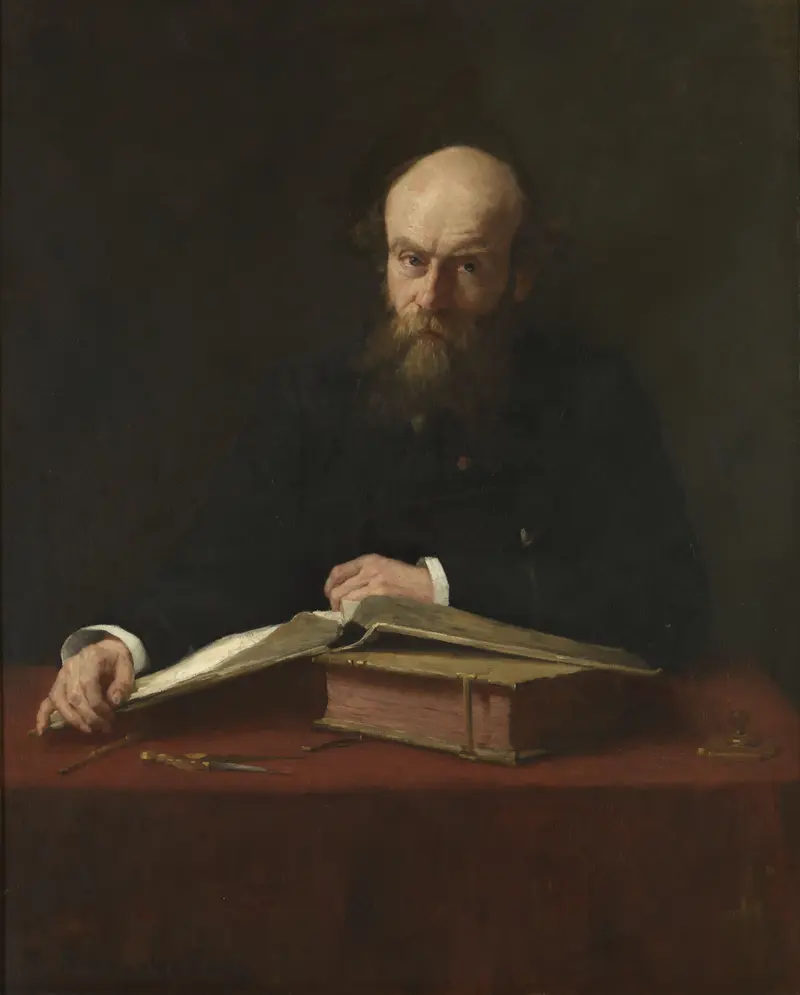
Portrait of Dr. P.J.H. Cuypers (1827-1921)
Thérèse Schwartze
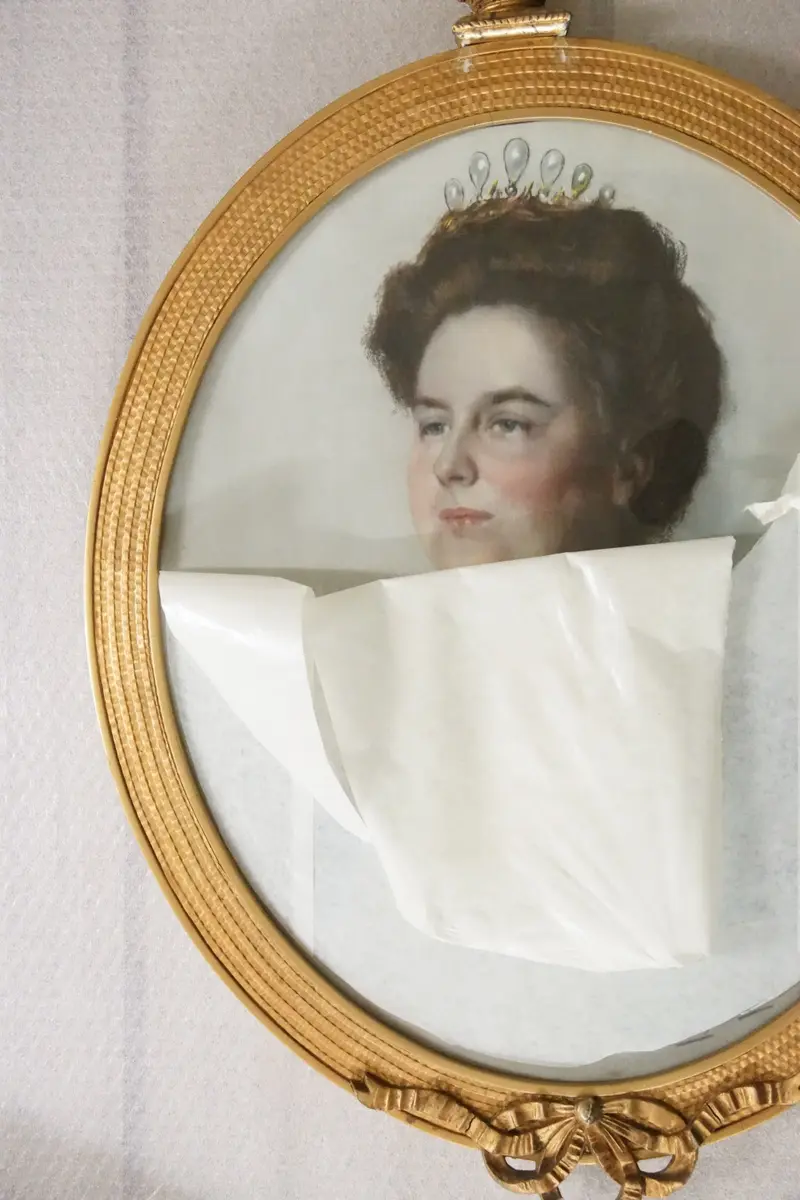
Portret Wilhelmina 020904 Stedelijk Museum Alkmaar
Thérèse Schwartze
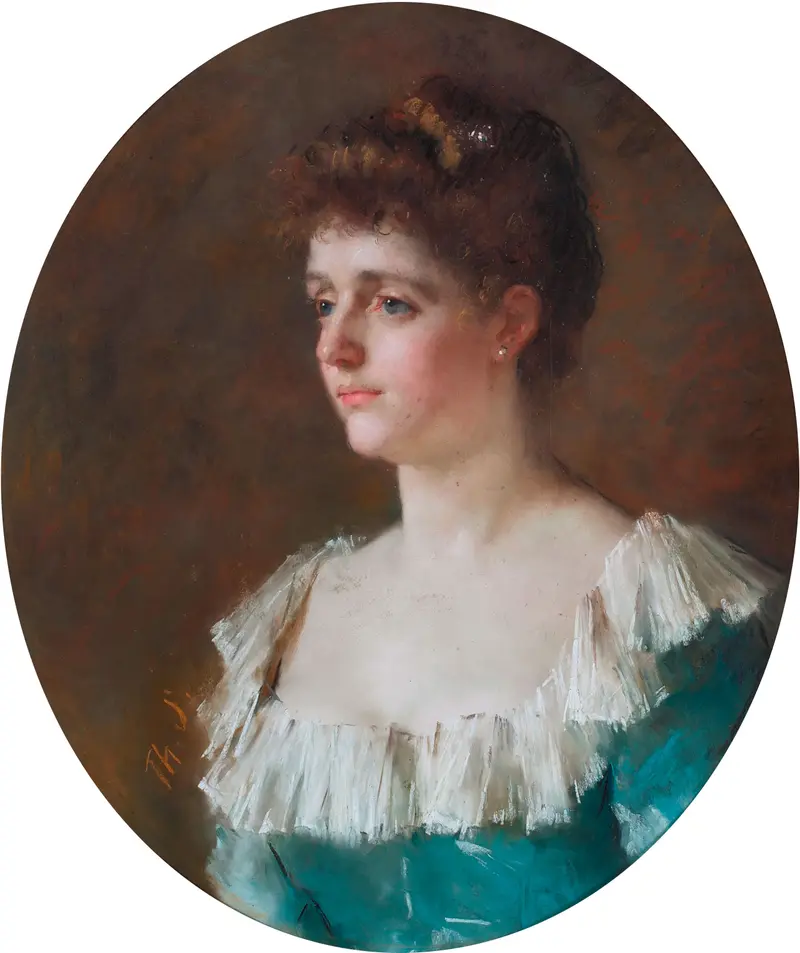
Portrait of Maria Cornelia Schimmelpenninck van der Oye (1857-1891)
Thérèse Schwartze
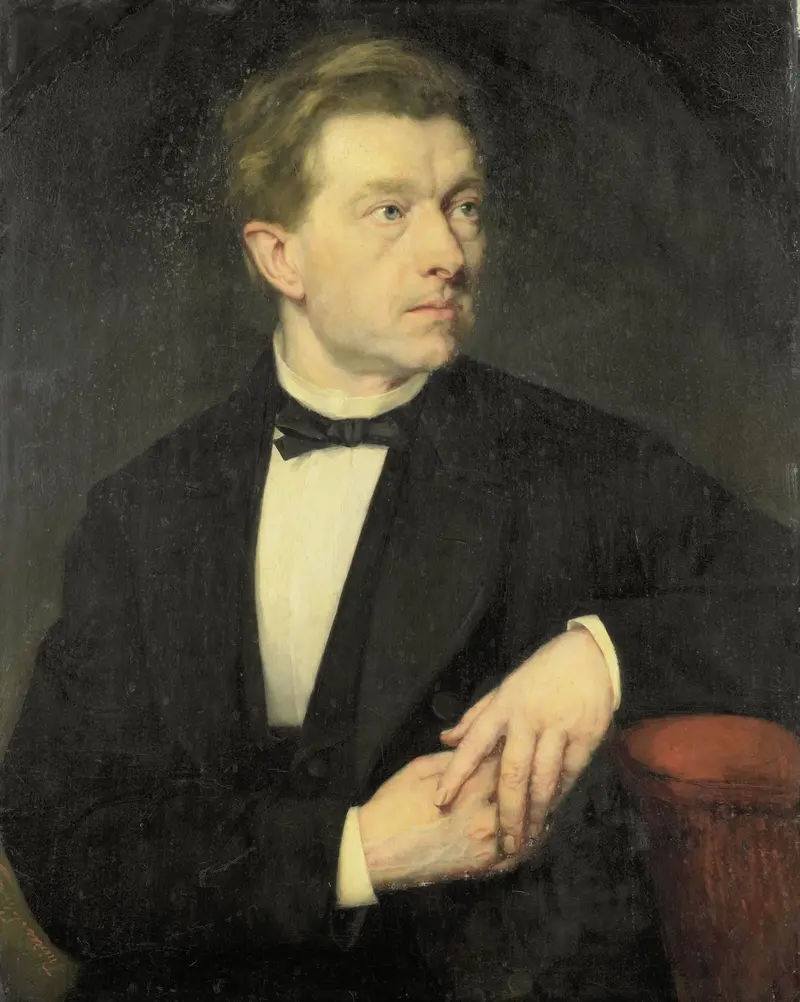
Portrait of Dr. J. L. Dusseau
Thérèse Schwartze
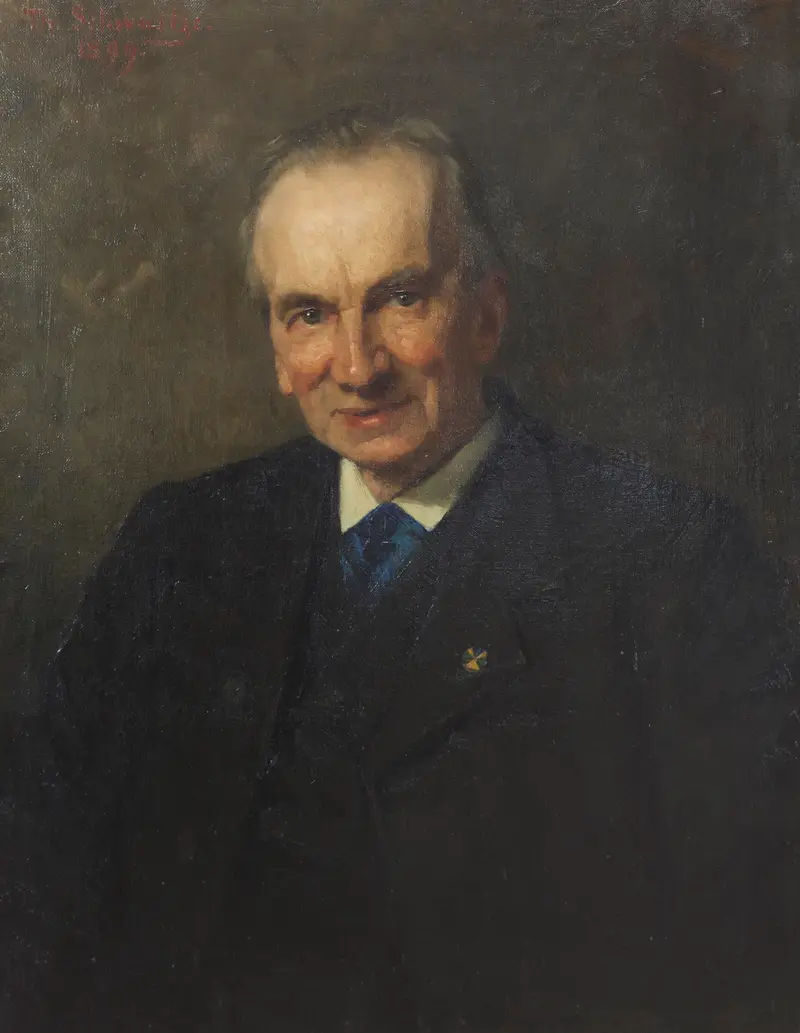
Portrait of Frederik Willem van Eeden
Thérèse Schwartze
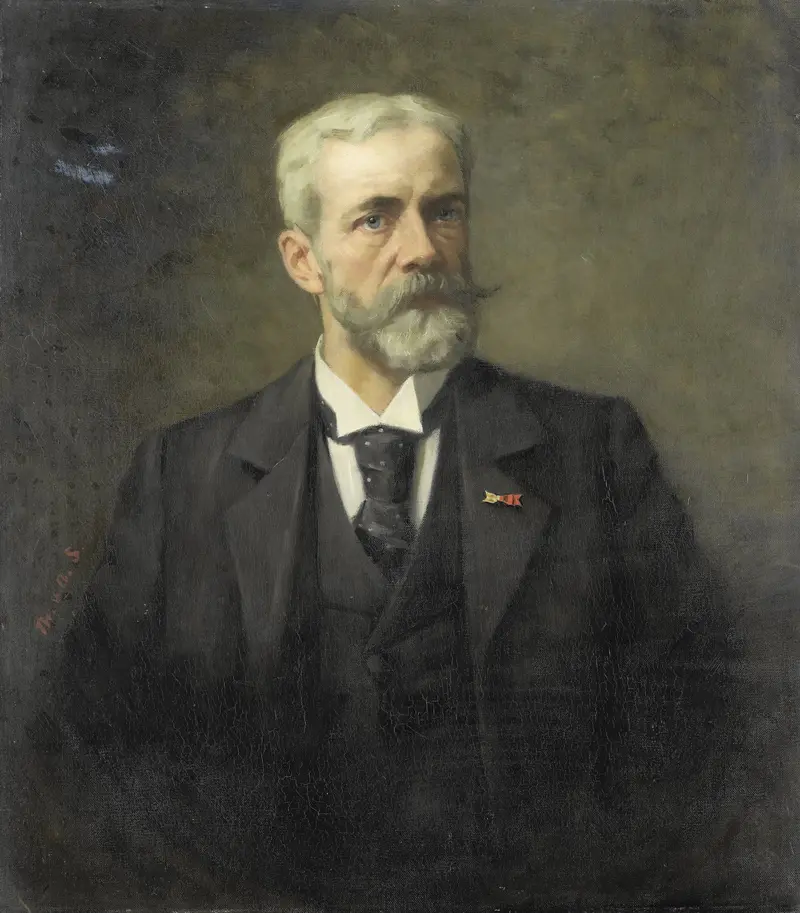
Portrait of Frederik Daniël Otto Obreen (1840-96), director Rijksmuseum
Thérèse Schwartze
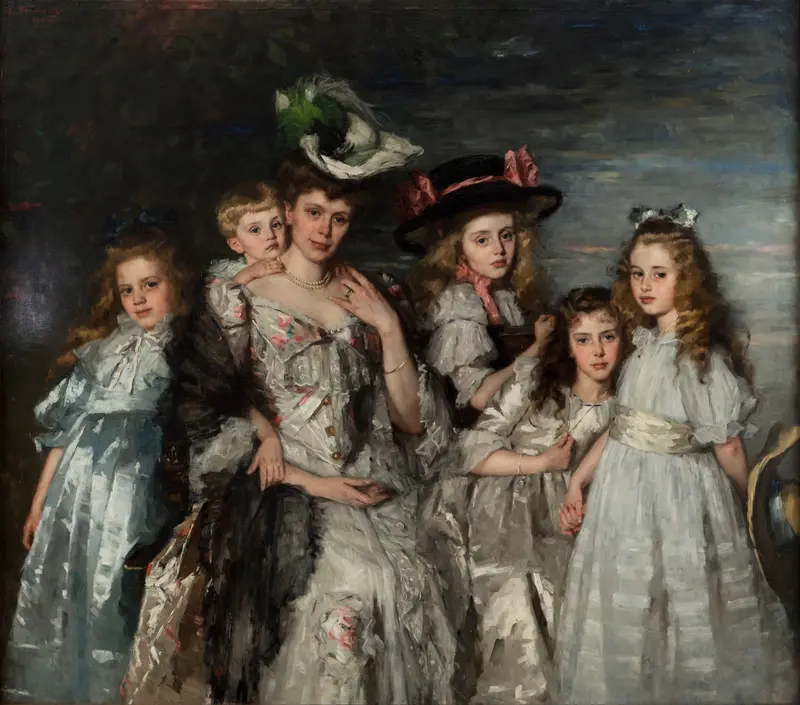
Portrait of Mrs. A.G.M. van Ogtrop-Hanlo (1871-1944) and her five children
Thérèse Schwartze
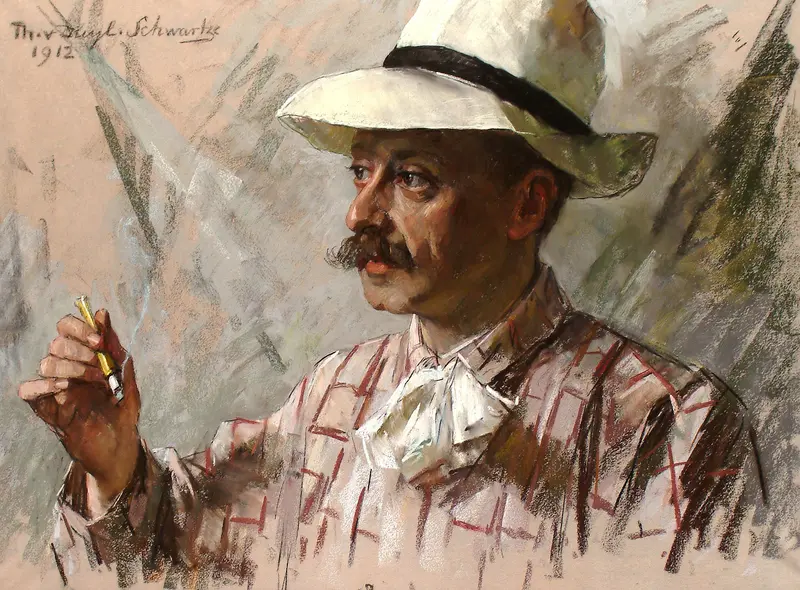
Portrait of Dr. Salomon Benjamin Druif
Thérèse Schwartze
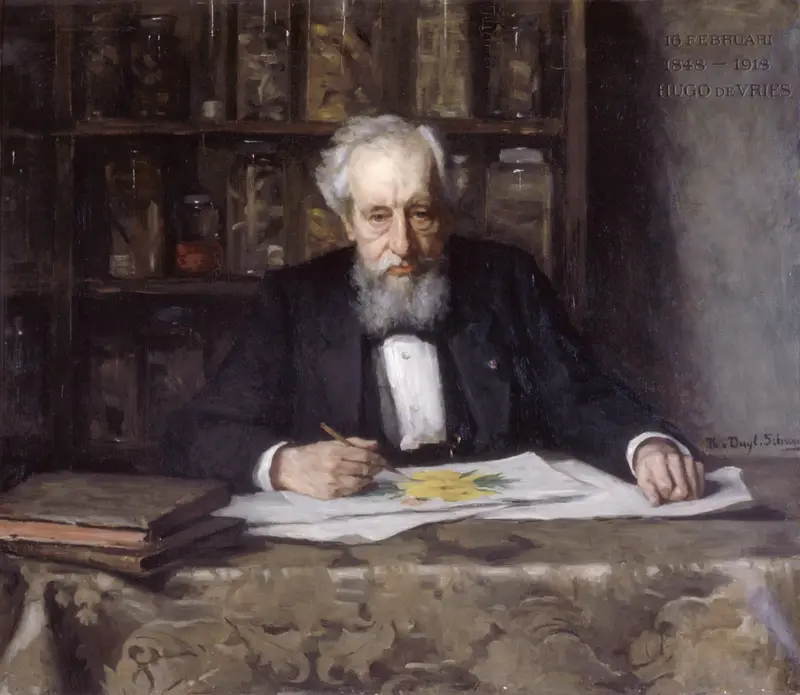
Portrait of Prof. Hugo de Vries
Thérèse Schwartze
More Genre Scene Art

Banquet of the Officers of the St George Civic Guard
Frans Hals

Rembrandt and Saskia in the Scene of the Prodigal Son
Rembrandt van Rijn

Bal du moulin de la Galette
Pierre-Auguste Renoir

Quadrille at the Moulin Rouge
Henri de Toulouse-Lautrec

A Burial at Ornans
Gustave Courbet

When Will You Marry?
Paul Gauguin