
Self-portrait — History & Facts
A plume of blue sweeps across the top of the image, drawing the eye immediately to the hat—a flourish that signals both confidence and individuality. Beneath it, the gaze of Thérèse Schwartze is unwavering, direct, almost challenging. The softness of the brushwork around the edges, especially in the fur muff and the suggestion of violets, contrasts with the precision of her face and the crisp white of her collar.
Every detail seems chosen to declare presence: the tilt of the head, the set of the shoulders, the luminous skin against the shadowed background. This is not a portrait that flatters or flatters itself; it claims space, and asks the viewer to meet its subject as an equal. Painted in 1910, this Self-portrait belongs to a tradition of late nineteenth- and early twentieth-century artists who used their own likenesses to assert both skill and social standing. In an era when women artists often struggled for recognition, such works were more than exercises in self-observation—they were statements of professional identity, sometimes even advertisements for a sitter’s own abilities.
Now housed in the Royal Museum of Fine Arts Antwerp, this painting stands as both a record of its time and a testament to the artist’s resolve. The brushwork, at once loose and controlled, invites viewers to linger, to search for the person behind the paint, and to wonder what it meant, in 1910, to look out at the world with such clear-eyed determination.
More Artworks by Thérèse Schwartze
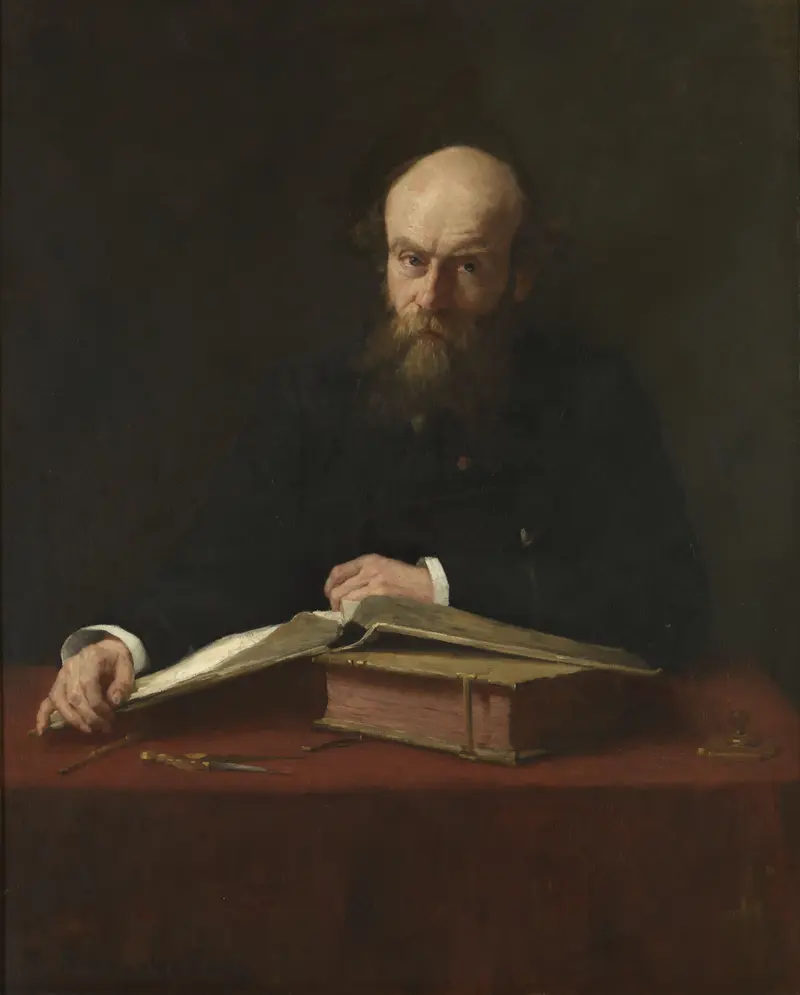
Portrait of Dr. P.J.H. Cuypers (1827-1921)
Thérèse Schwartze
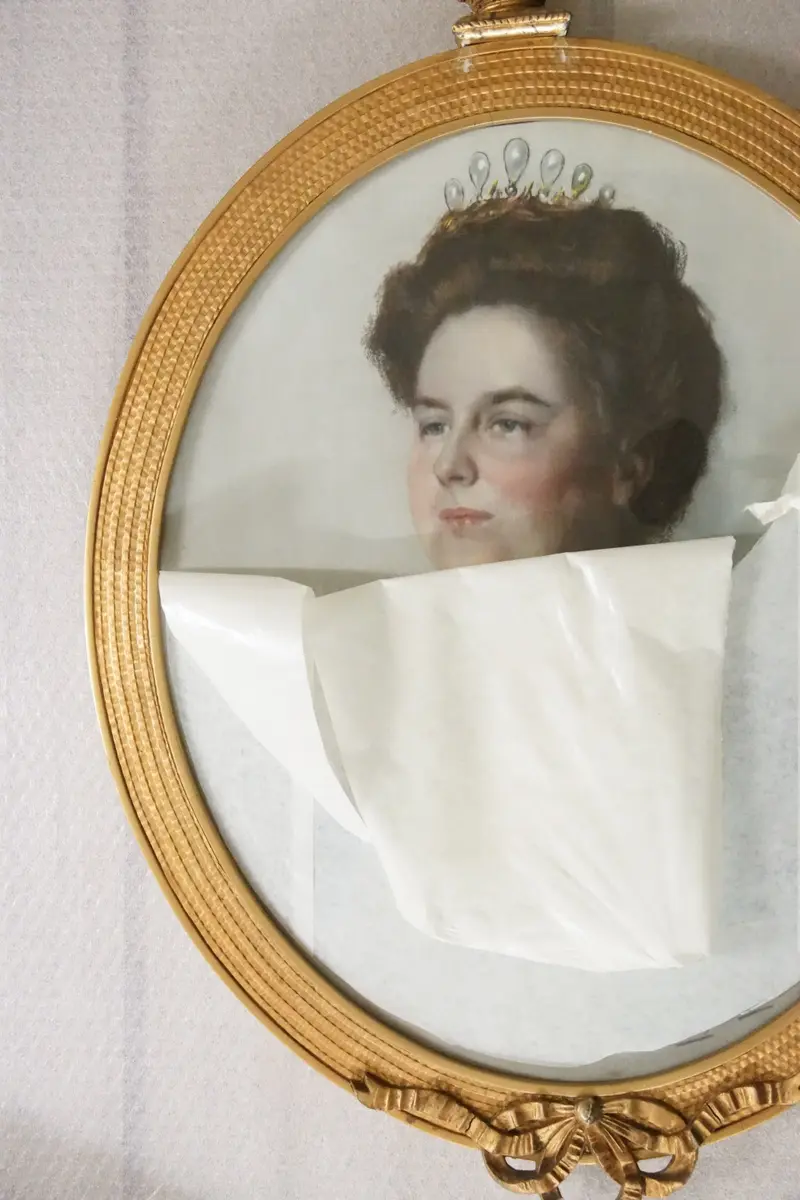
Portret Wilhelmina 020904 Stedelijk Museum Alkmaar
Thérèse Schwartze
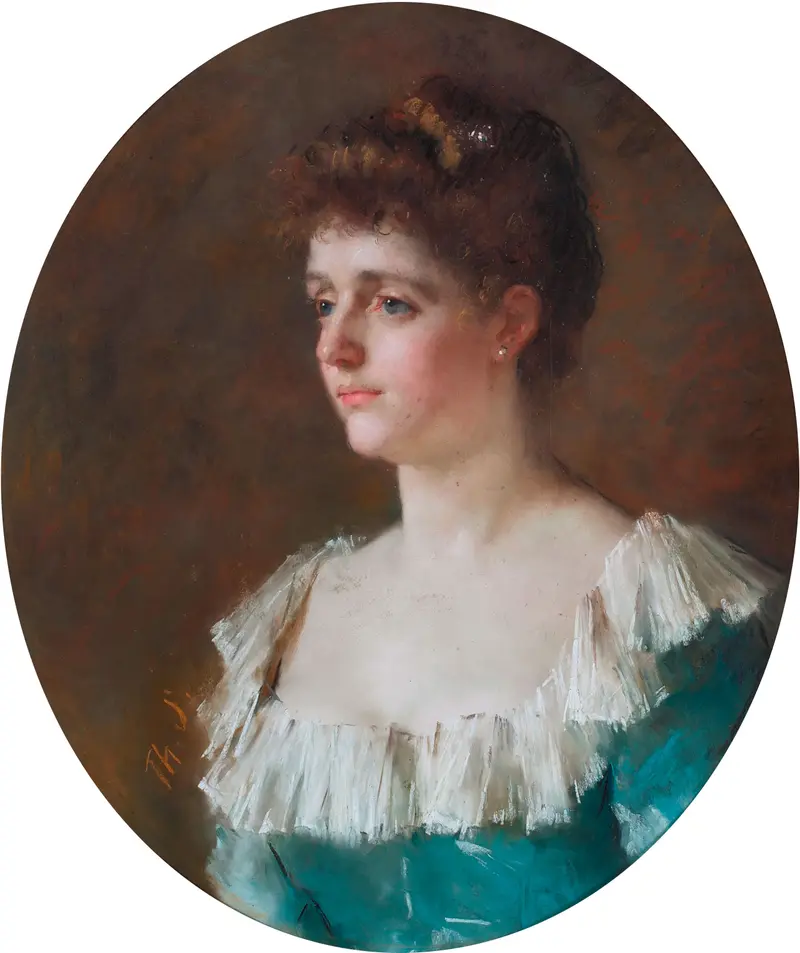
Portrait of Maria Cornelia Schimmelpenninck van der Oye (1857-1891)
Thérèse Schwartze
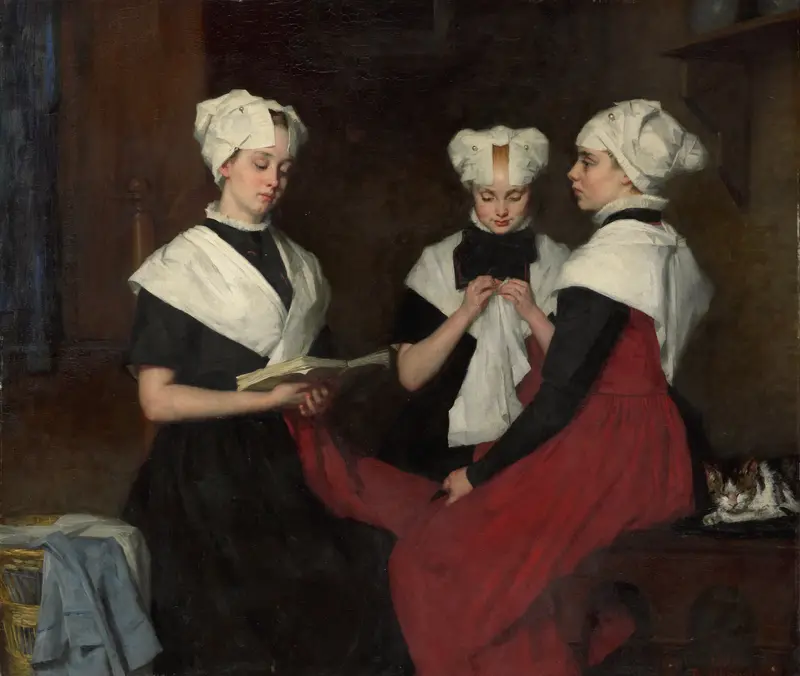
Three girls from the Amsterdam Orphanage
Thérèse Schwartze
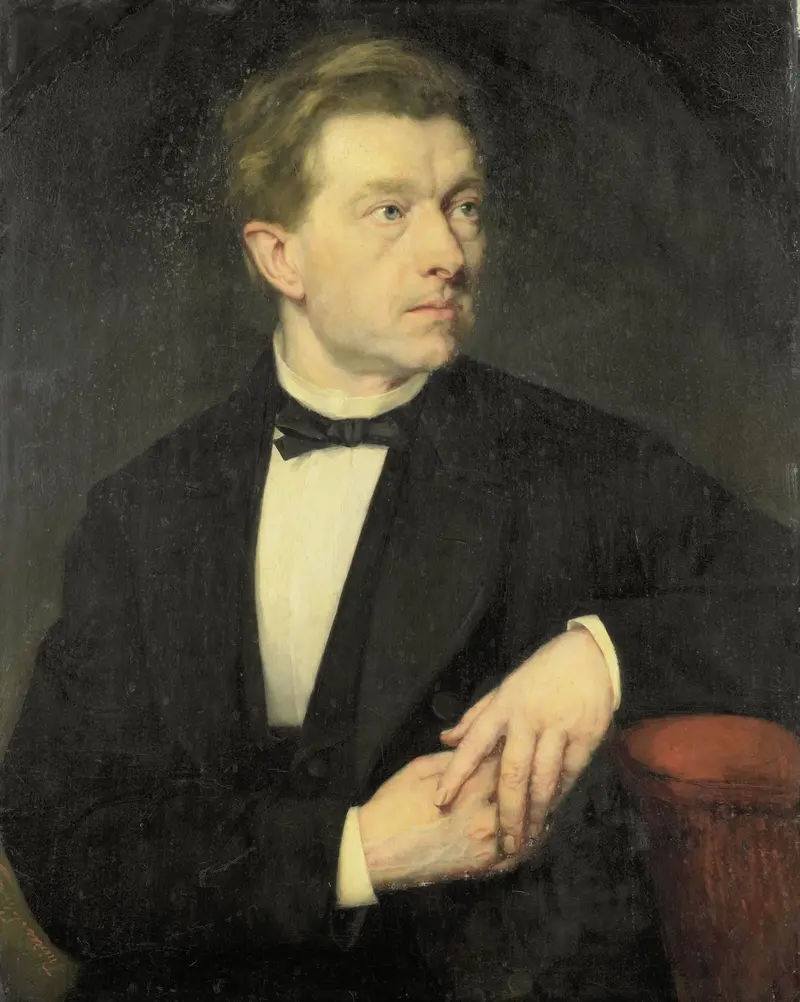
Portrait of Dr. J. L. Dusseau
Thérèse Schwartze
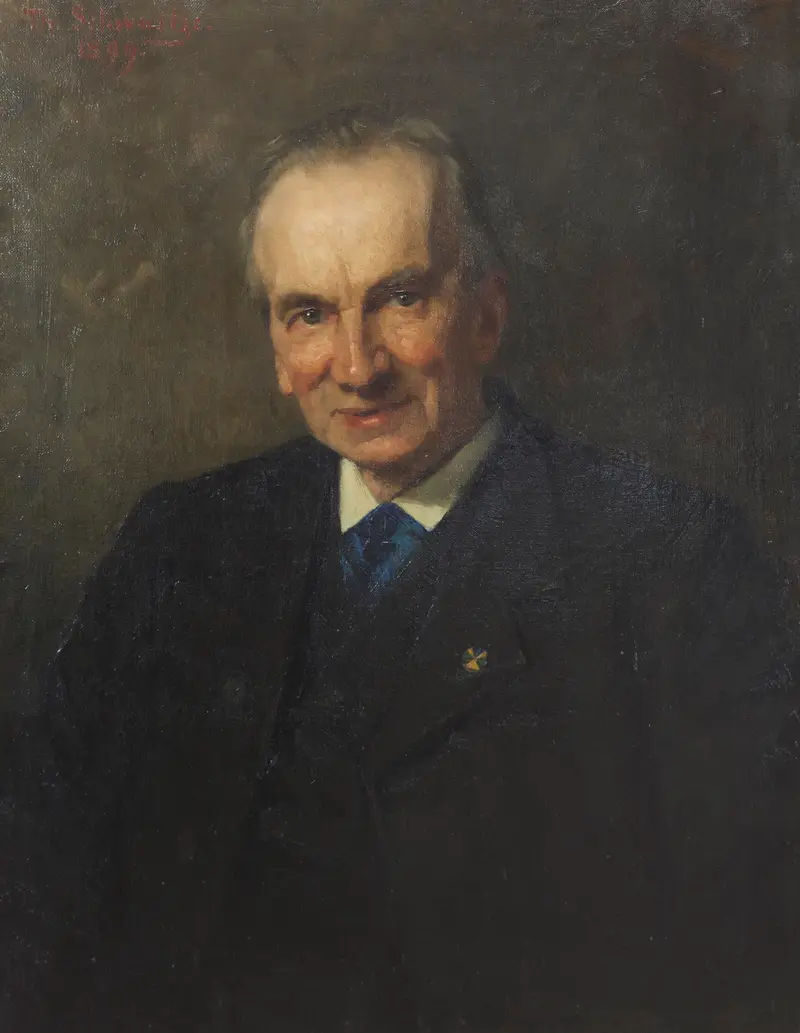
Portrait of Frederik Willem van Eeden
Thérèse Schwartze
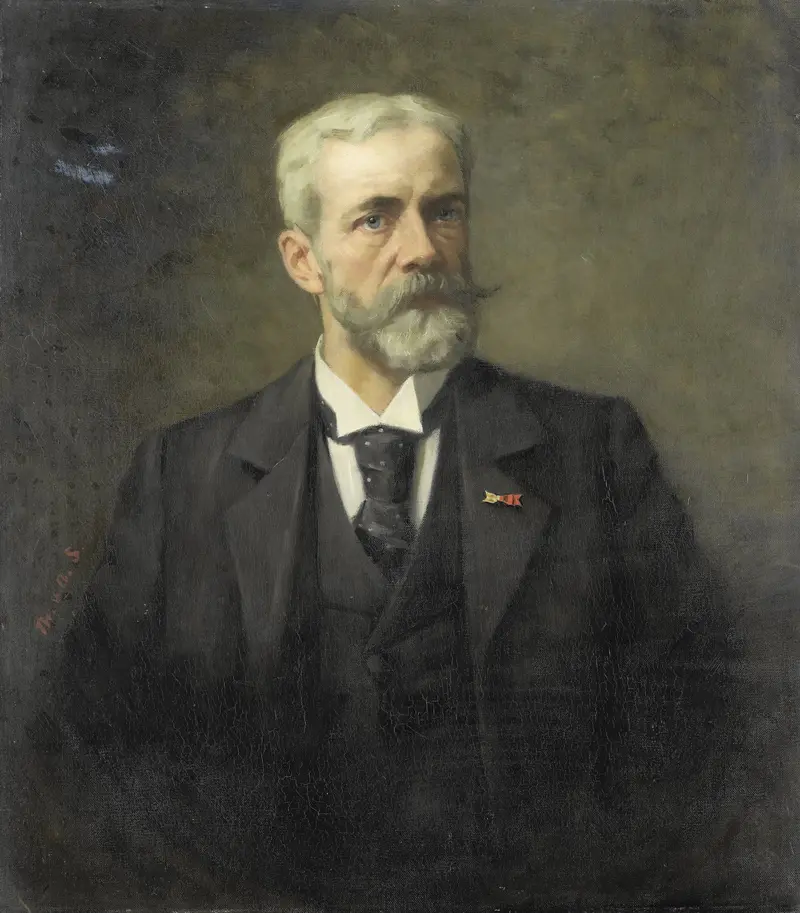
Portrait of Frederik Daniël Otto Obreen (1840-96), director Rijksmuseum
Thérèse Schwartze
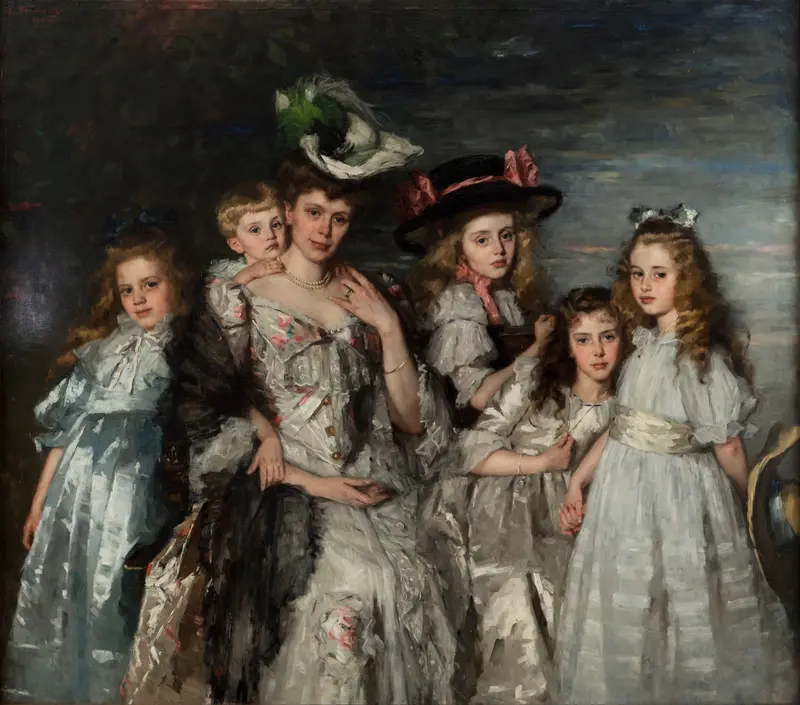
Portrait of Mrs. A.G.M. van Ogtrop-Hanlo (1871-1944) and her five children
Thérèse Schwartze
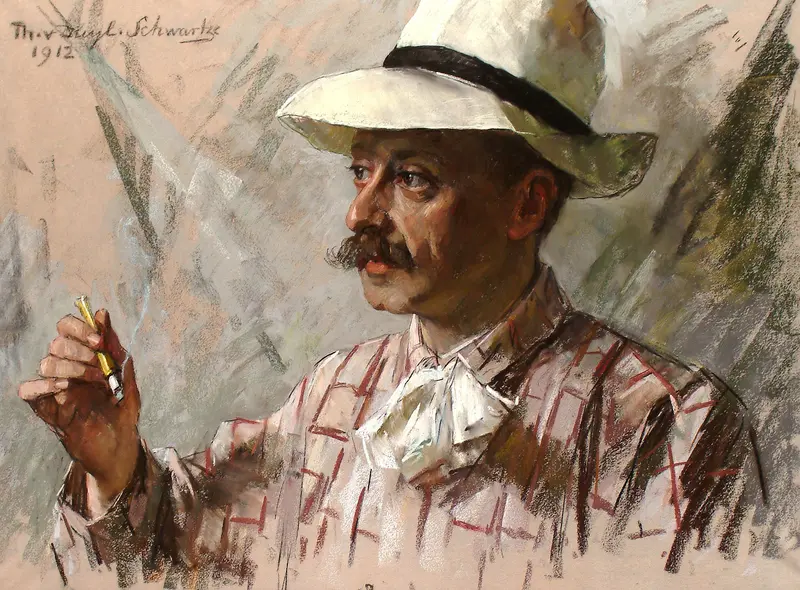
Portrait of Dr. Salomon Benjamin Druif
Thérèse Schwartze
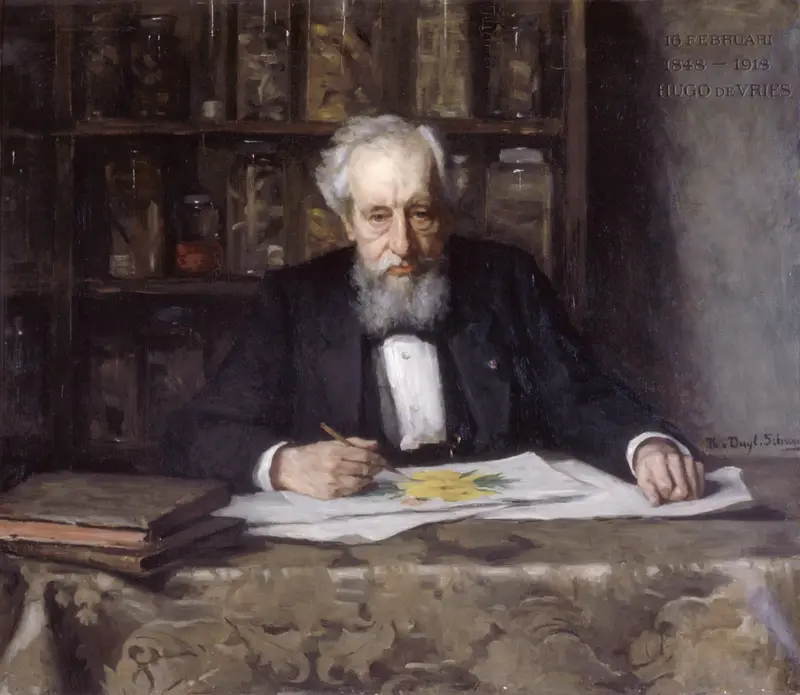
Portrait of Prof. Hugo de Vries
Thérèse Schwartze





