
Portrait of Mrs. A.G.M. van Ogtrop-Hanlo (1871-1944) and her five children — History & Facts
What first catches the eye in Portrait of Mrs. A.G.M. van Ogtrop-Hanlo (1871-1944) and her five children is the orchestration of glances and gestures—a web of relationships, all anchored by the calm, steady gaze of the mother at the center.
Each child radiates a distinct personality, from the self-assured girl on the left, her blue dress shimmering with quick, loose brushwork, to the more reserved siblings clustered protectively at their mother’s side. The youngest, perched on his mother’s shoulder, clings with a mix of curiosity and dependence, his pale face echoing the soft light that falls across the group. The composition draws the viewer in, the figures pressed close together, their forms unified by a cascade of white and pastel fabrics that catch the light in broad, confident strokes. Painted in 1906, this work belongs to a world where family portraiture was both a declaration of status and an intimate record of kinship.
At the turn of the twentieth century, artists like Thérèse Schwartze were in demand among the upper middle class and nobility, who sought to capture their families at a moment of prosperity and stability. The painter’s technique—fluid, almost impressionistic in the handling of fabric and flesh—signals a shift from the rigid formality of earlier portraiture toward something more immediate and psychologically nuanced. History has kept few traces of the sitters’ private lives, but the painting remains a vivid testament to the era’s ideals of family, femininity, and social aspiration.
Stand before it, and let your eye wander from face to face, searching for the stories that flicker in their expressions.
More Artworks by Thérèse Schwartze

Self-portrait
Thérèse Schwartze
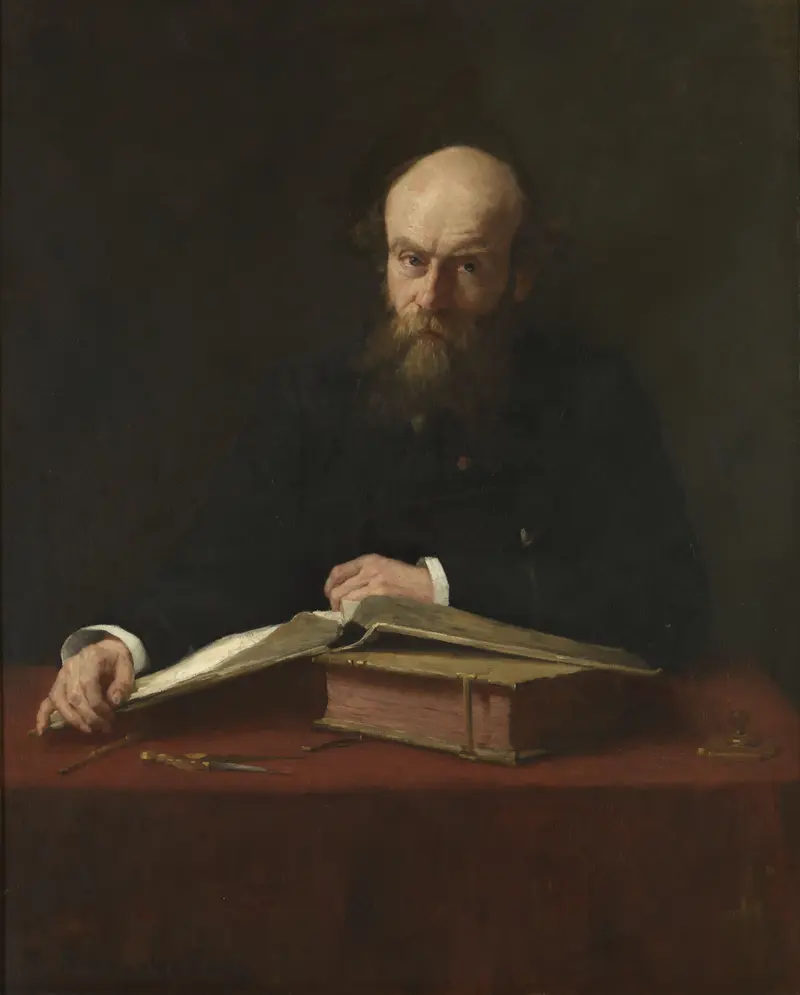
Portrait of Dr. P.J.H. Cuypers (1827-1921)
Thérèse Schwartze
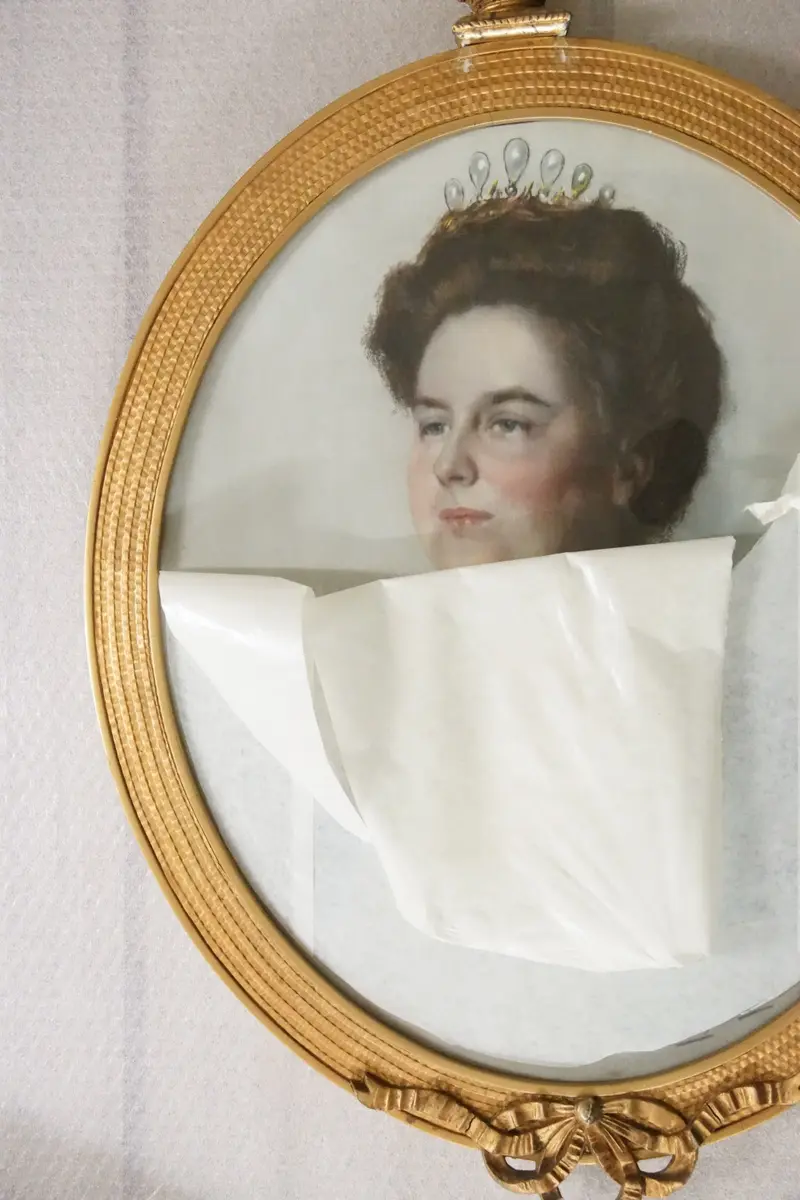
Portret Wilhelmina 020904 Stedelijk Museum Alkmaar
Thérèse Schwartze
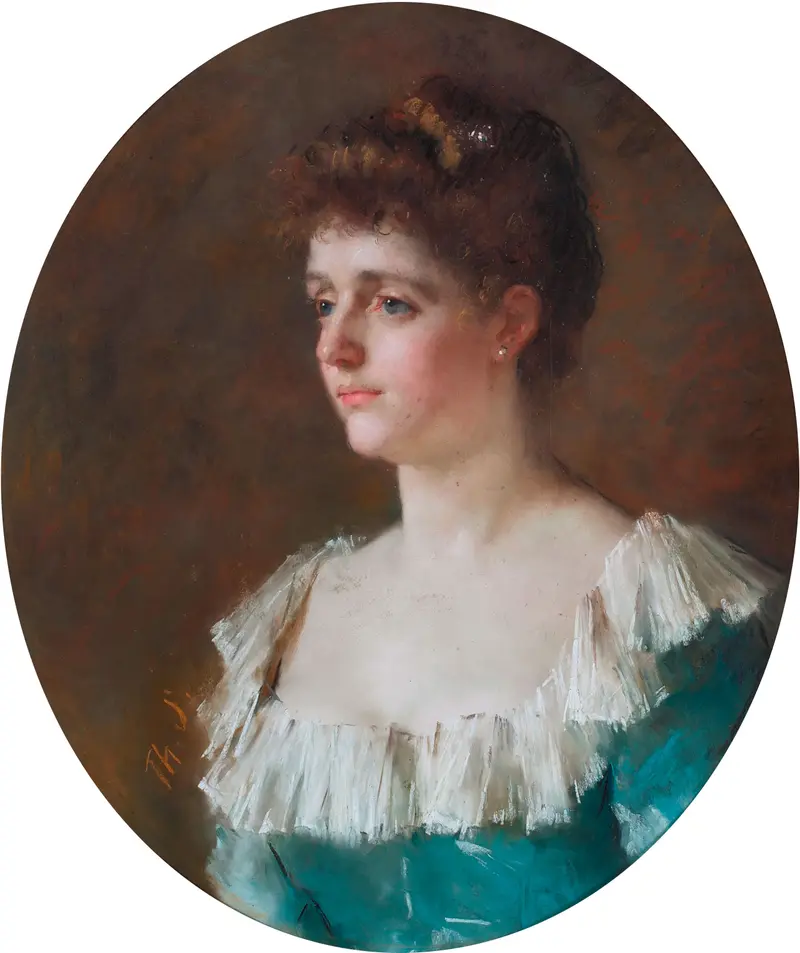
Portrait of Maria Cornelia Schimmelpenninck van der Oye (1857-1891)
Thérèse Schwartze
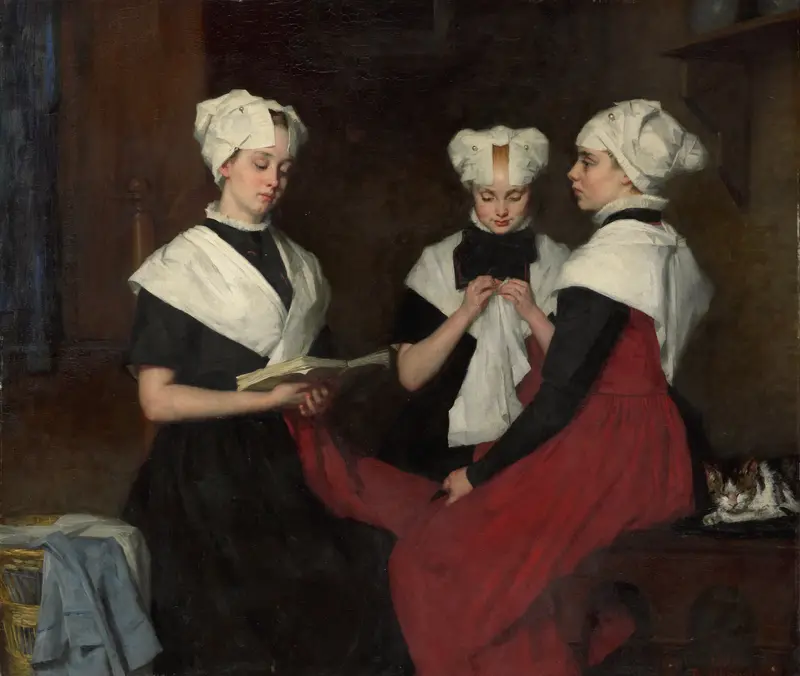
Three girls from the Amsterdam Orphanage
Thérèse Schwartze
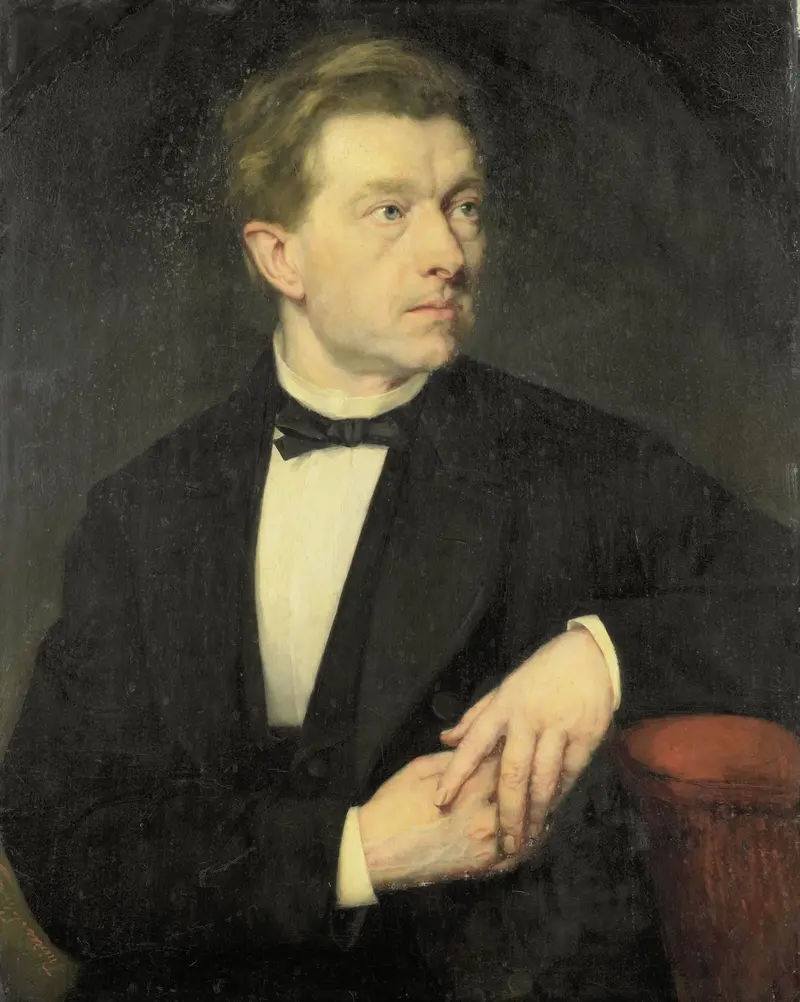
Portrait of Dr. J. L. Dusseau
Thérèse Schwartze
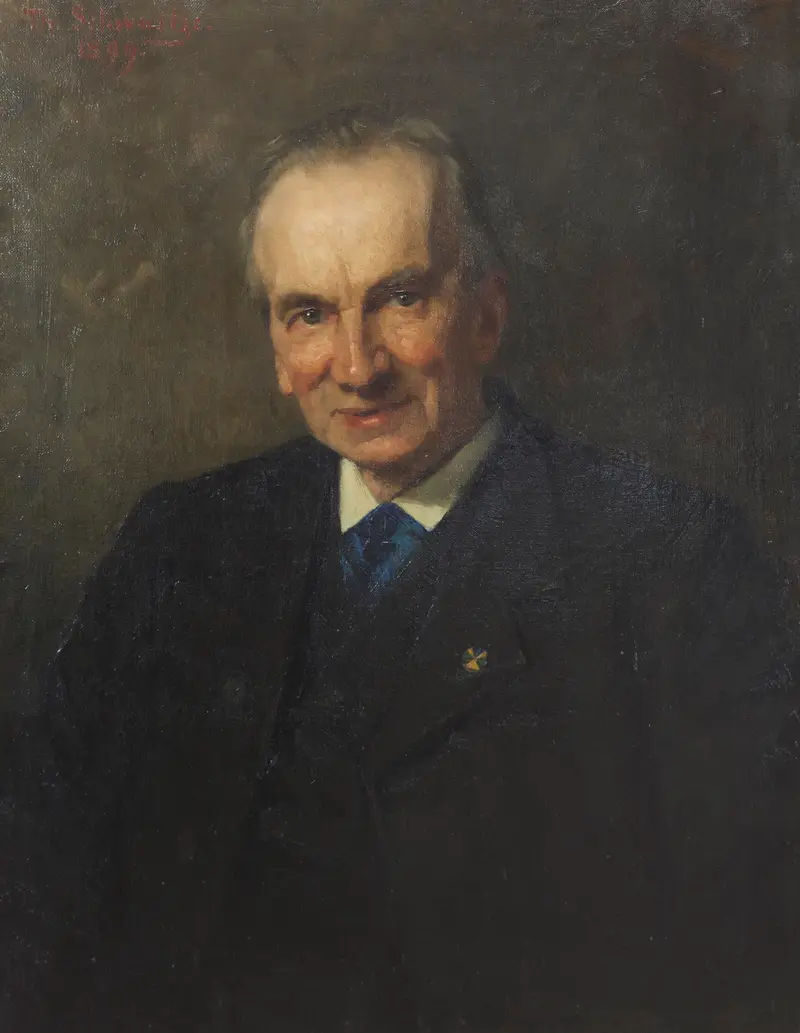
Portrait of Frederik Willem van Eeden
Thérèse Schwartze
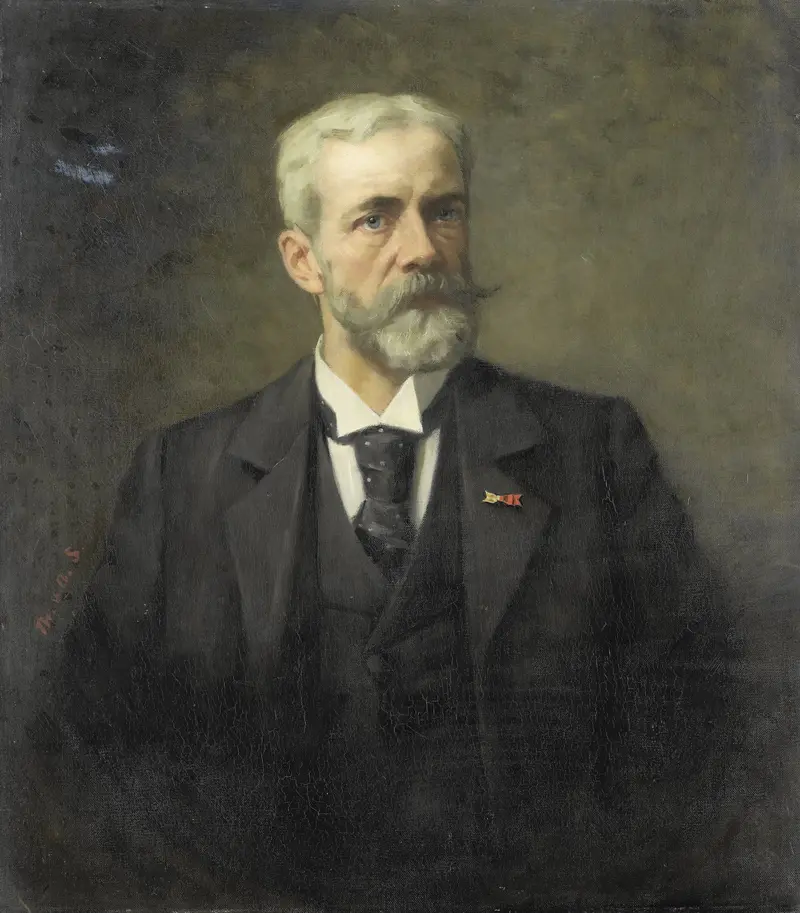
Portrait of Frederik Daniël Otto Obreen (1840-96), director Rijksmuseum
Thérèse Schwartze
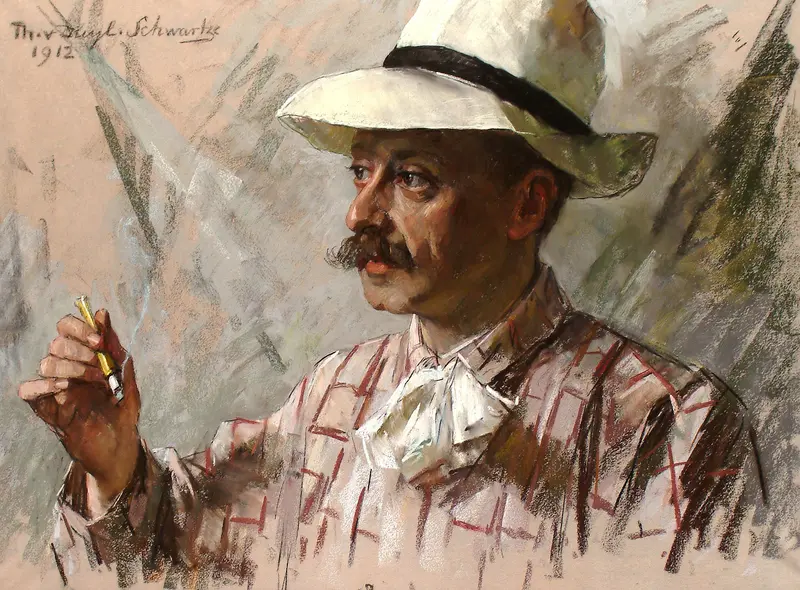
Portrait of Dr. Salomon Benjamin Druif
Thérèse Schwartze
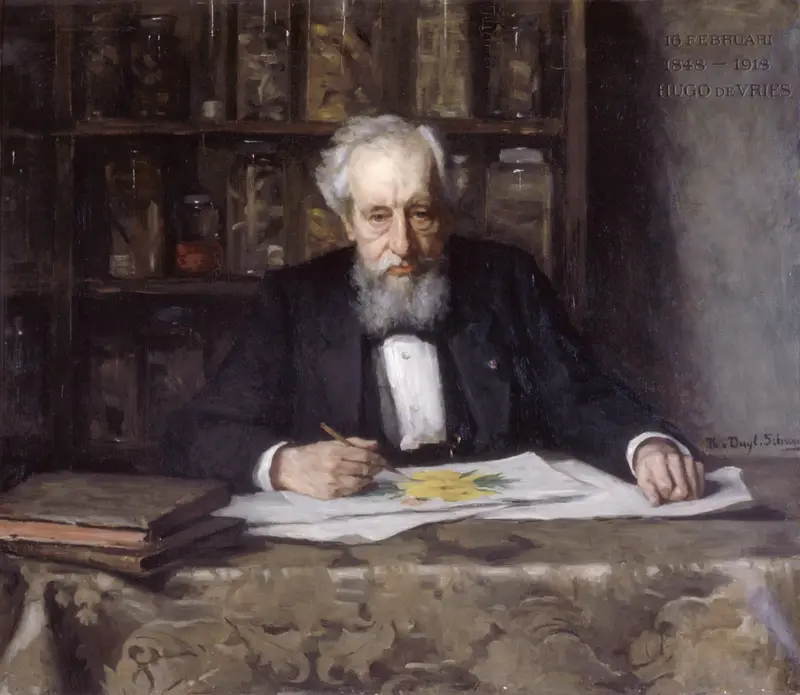
Portrait of Prof. Hugo de Vries
Thérèse Schwartze





