
Portrait of Dr. P.J.H. Cuypers (1827-1921) — History & Facts
It is the gaze that first draws you in: unwavering, deeply thoughtful, almost challenging. The sitter’s eyes, shadowed yet alert, meet the viewer with a mix of intellect and fatigue, as if interrupted in the midst of a demanding calculation or a moment of private reflection. The heavy book, splayed open beneath his hand, is no mere prop—it anchors the composition, suggesting a life spent in study and the weight of accumulated knowledge.
The red tablecloth lends a warmth that offsets the somber palette, while the scattered instruments—a compass, a ruler—hint at a world of design and precision, inviting us to imagine the silent labor behind them. Painted in 1887 by Thérèse Schwartze, this portrait belongs to the late 19th-century tradition of honoring learned professionals and intellectuals, a genre that flourished in the Netherlands as the country modernized and its middle class asserted its cultural presence. Such works were often commissioned to commemorate achievement or to inspire respect for the sitter’s discipline. Schwartze was known for her psychological insight and technical command, and here she uses a restrained, almost monochrome background to focus all attention on the sitter’s face and hands—the tools of his trade.
Now in the Rijksmuseum, the painting stands as both a tribute to its subject and a testament to a period when portraiture sought not only likeness, but the inner life of its subjects. The longer you look, the more the sitter’s world seems to open before you.
More Artworks by Thérèse Schwartze

Self-portrait
Thérèse Schwartze
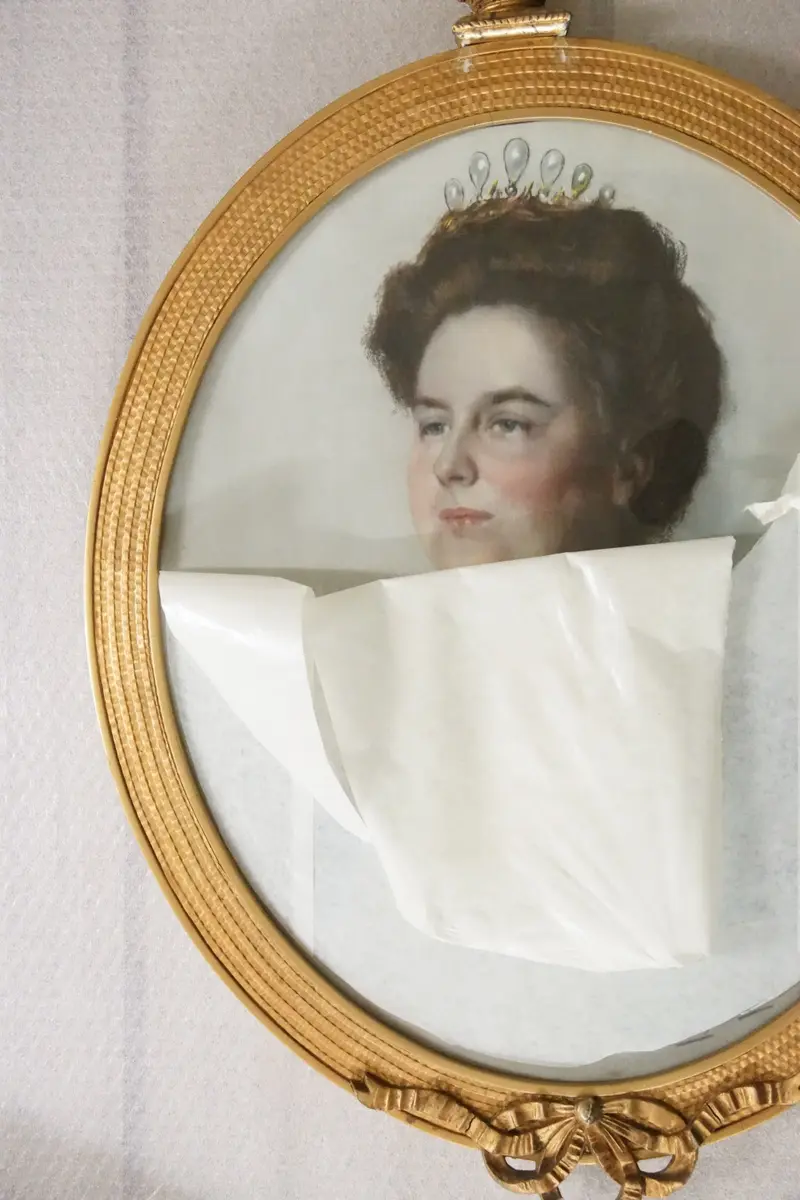
Portret Wilhelmina 020904 Stedelijk Museum Alkmaar
Thérèse Schwartze
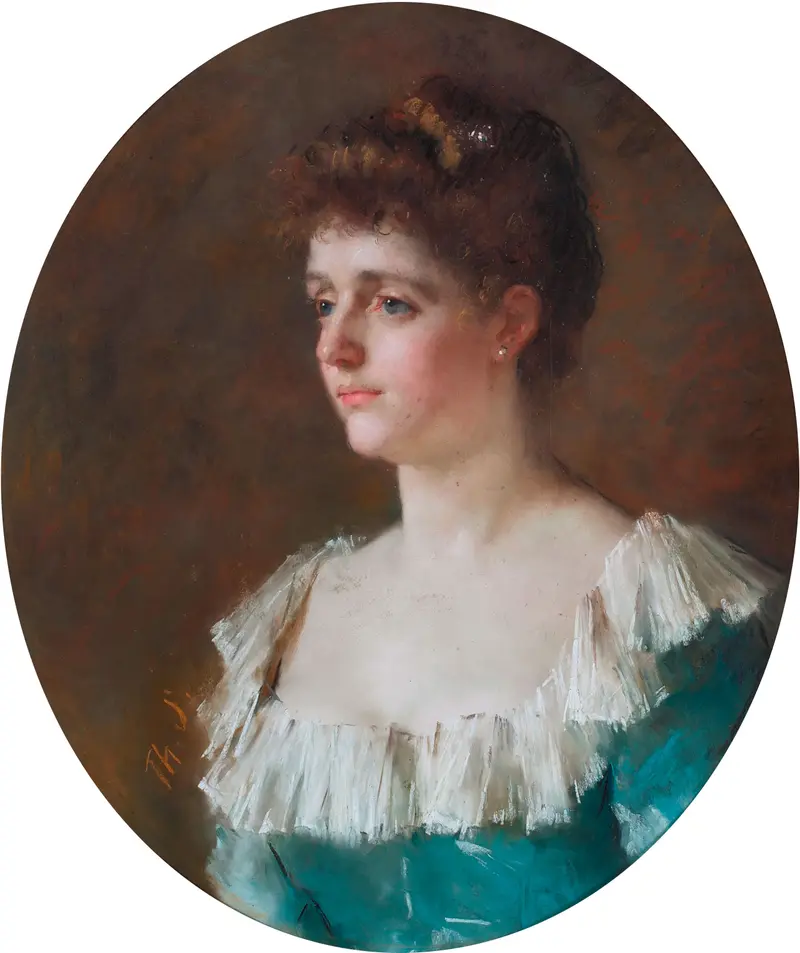
Portrait of Maria Cornelia Schimmelpenninck van der Oye (1857-1891)
Thérèse Schwartze
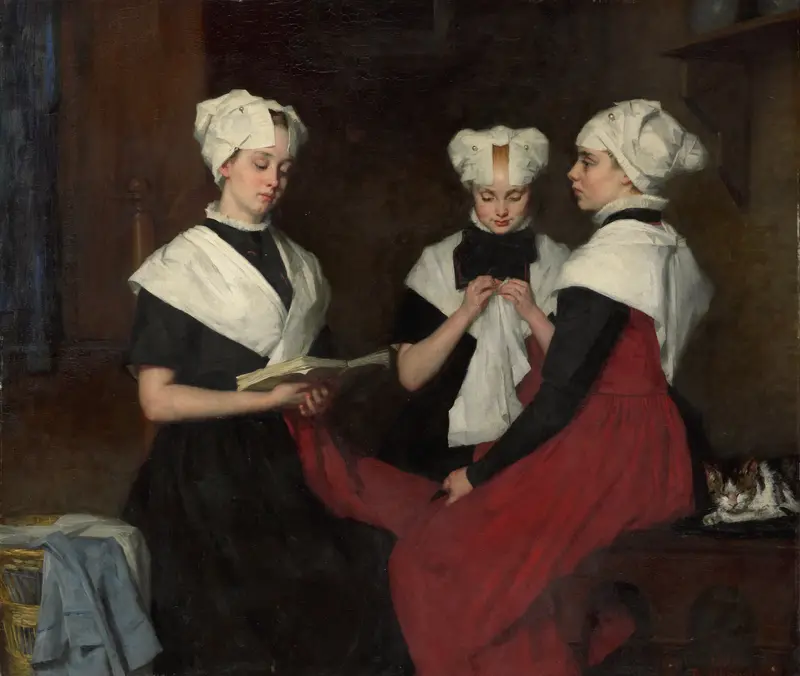
Three girls from the Amsterdam Orphanage
Thérèse Schwartze
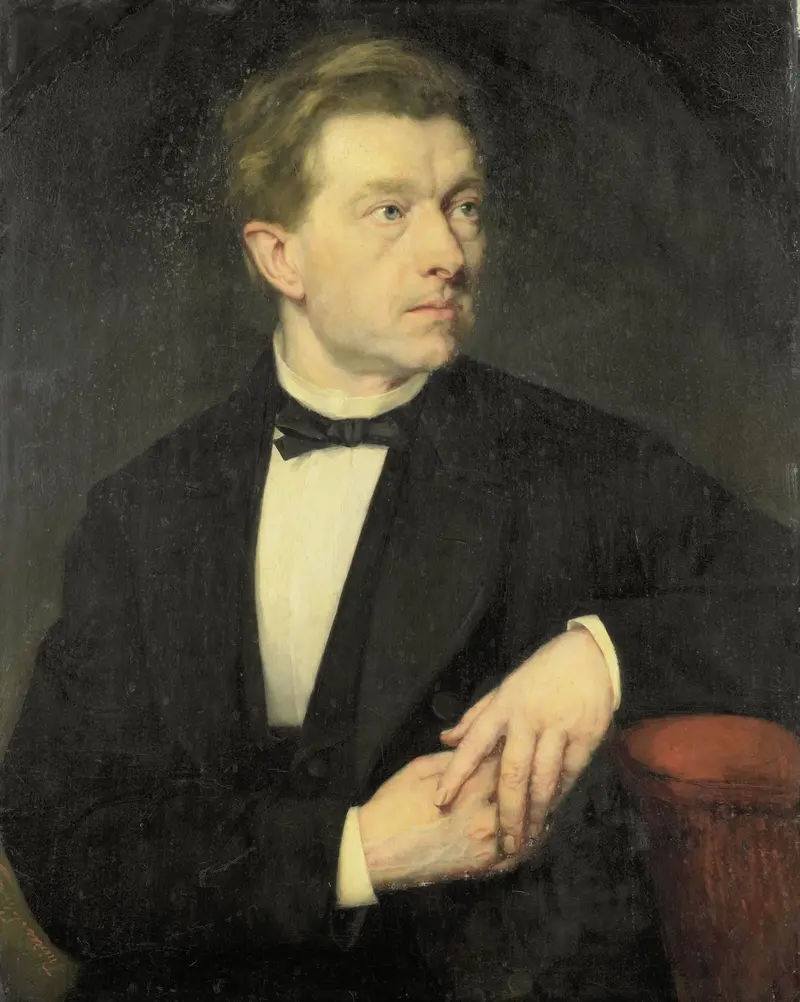
Portrait of Dr. J. L. Dusseau
Thérèse Schwartze
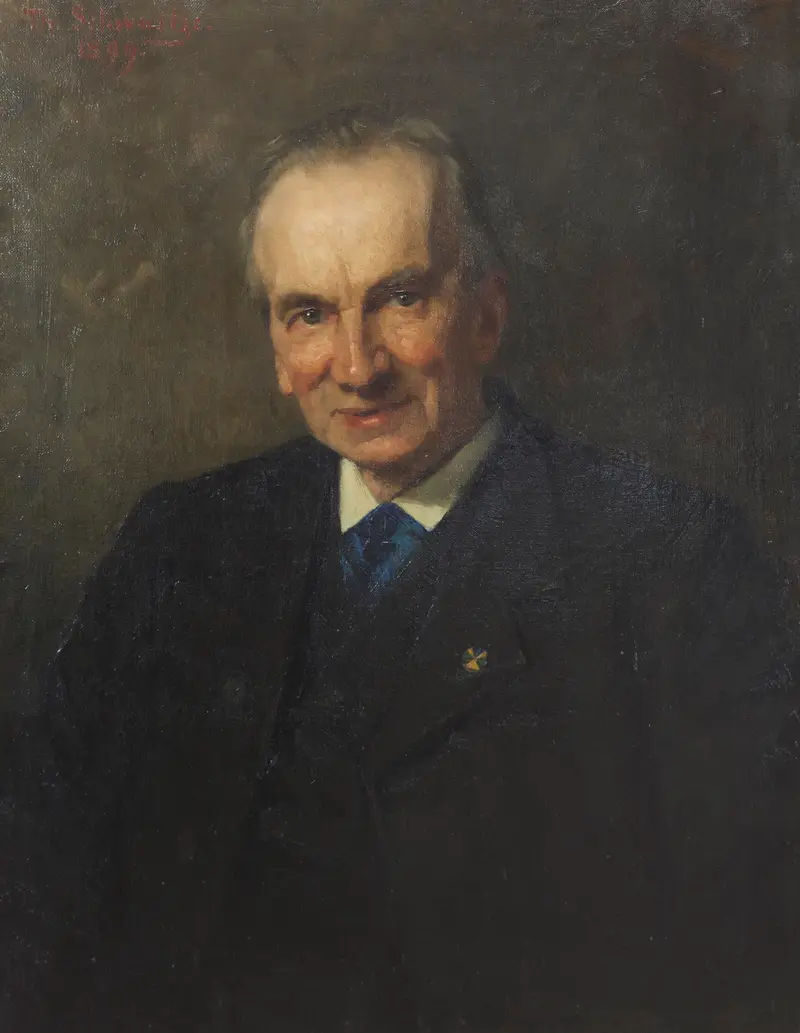
Portrait of Frederik Willem van Eeden
Thérèse Schwartze
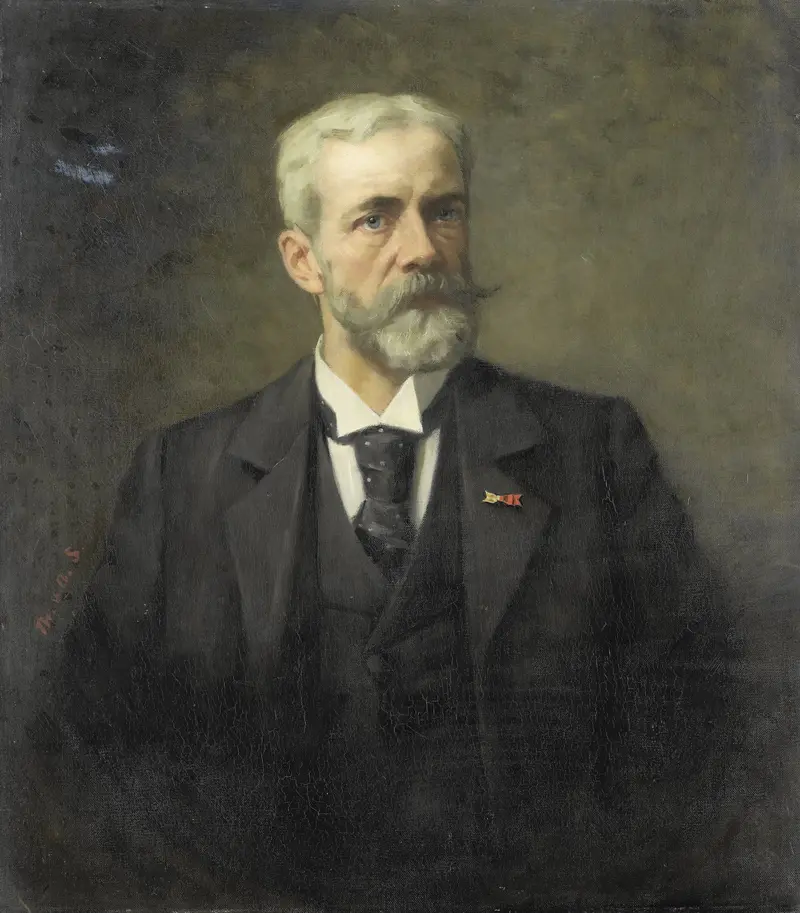
Portrait of Frederik Daniël Otto Obreen (1840-96), director Rijksmuseum
Thérèse Schwartze
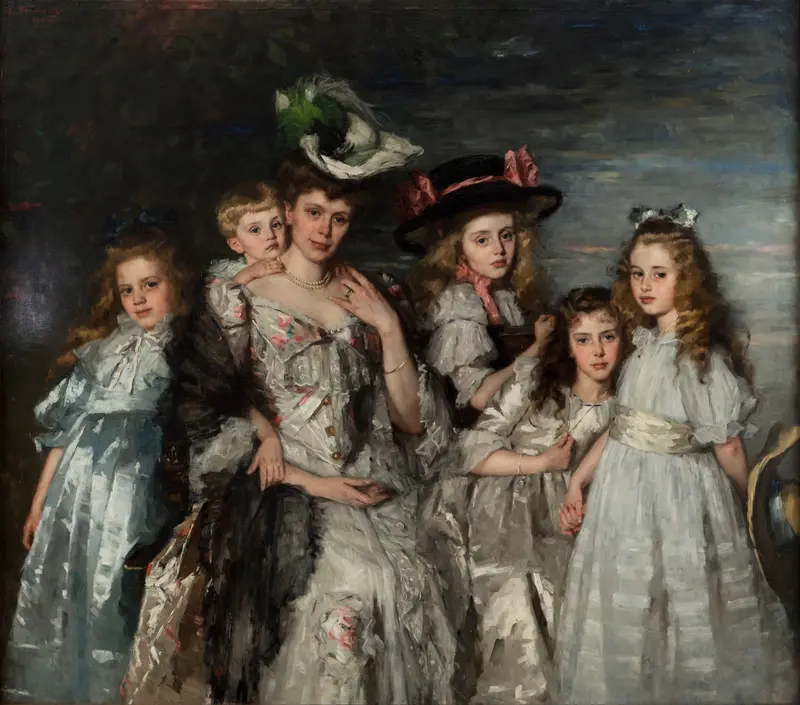
Portrait of Mrs. A.G.M. van Ogtrop-Hanlo (1871-1944) and her five children
Thérèse Schwartze
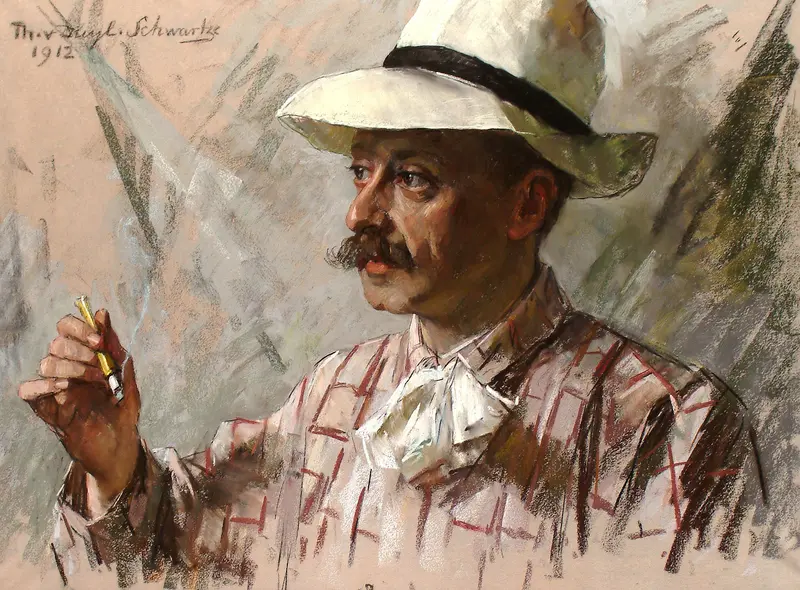
Portrait of Dr. Salomon Benjamin Druif
Thérèse Schwartze
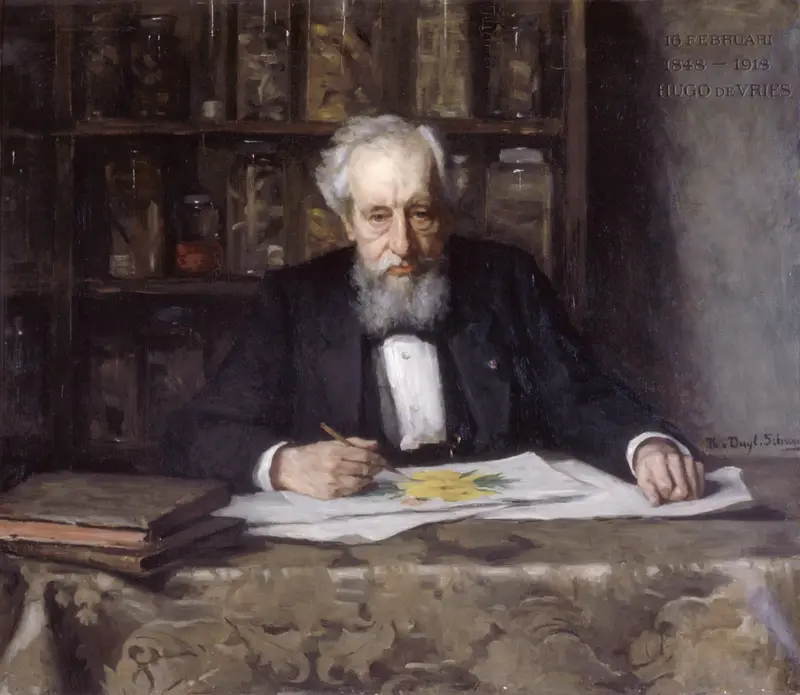
Portrait of Prof. Hugo de Vries
Thérèse Schwartze





