
Portrait of Maria Cornelia Schimmelpenninck van der Oye (1857-1891) — History & Facts
What first catches the eye is the shimmer of the sitter’s dress—an expanse of turquoise and white that seems to flicker against the muted, earthy background. The pastel’s soft, powdery surface lets Thérèse Schwartze conjure both the crispness of ruffled fabric and the delicate flush of skin, drawing the viewer’s gaze upward to the poised, thoughtful face of Maria Cornelia Schimmelpenninck van der Oye. Her gaze, directed just off to the side, holds a quiet resolve, while the gentle modeling of her features and the subtle play of light across her brow and cheekbones suggest a moment of introspection.
The oval format frames her in a private world, isolating her from time and place, yet the fresh immediacy of her expression makes her presence feel close, even contemporary. This portrait, created circa 1880 and now housed at Kasteel Duivenvoorde, belongs to a world where pastel portraiture was enjoying a revival among the upper classes of Europe. In the late nineteenth century, sitters like Maria Cornelia—members of established families—commissioned such works to mark adulthood, marriage, or social standing, favoring the intimacy and vibrancy that pastel could offer over the formality of oil. Thérèse Schwartze, celebrated in her day for her ability to capture both likeness and character, was part of a generation of women artists carving out reputations in a male-dominated field.
Though history has kept few traces of Maria Cornelia’s own life, this portrait preserves a sense of her individuality—inviting us to wonder what thoughts flickered behind those steady eyes.
More Artworks by Thérèse Schwartze

Self-portrait
Thérèse Schwartze
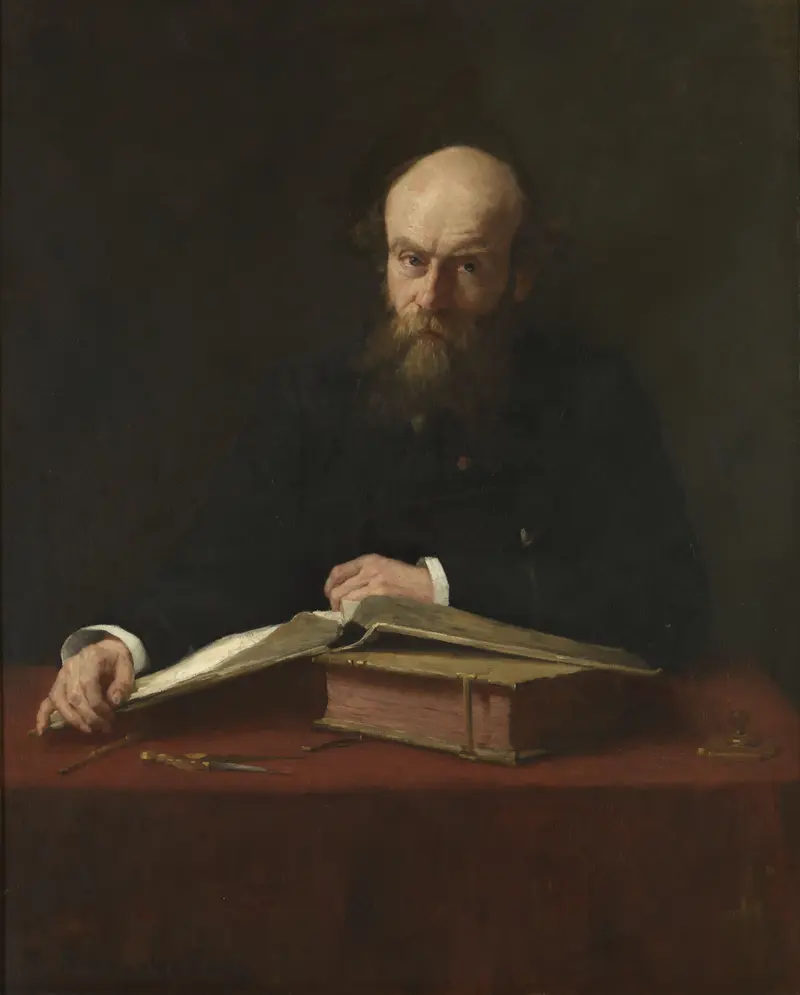
Portrait of Dr. P.J.H. Cuypers (1827-1921)
Thérèse Schwartze
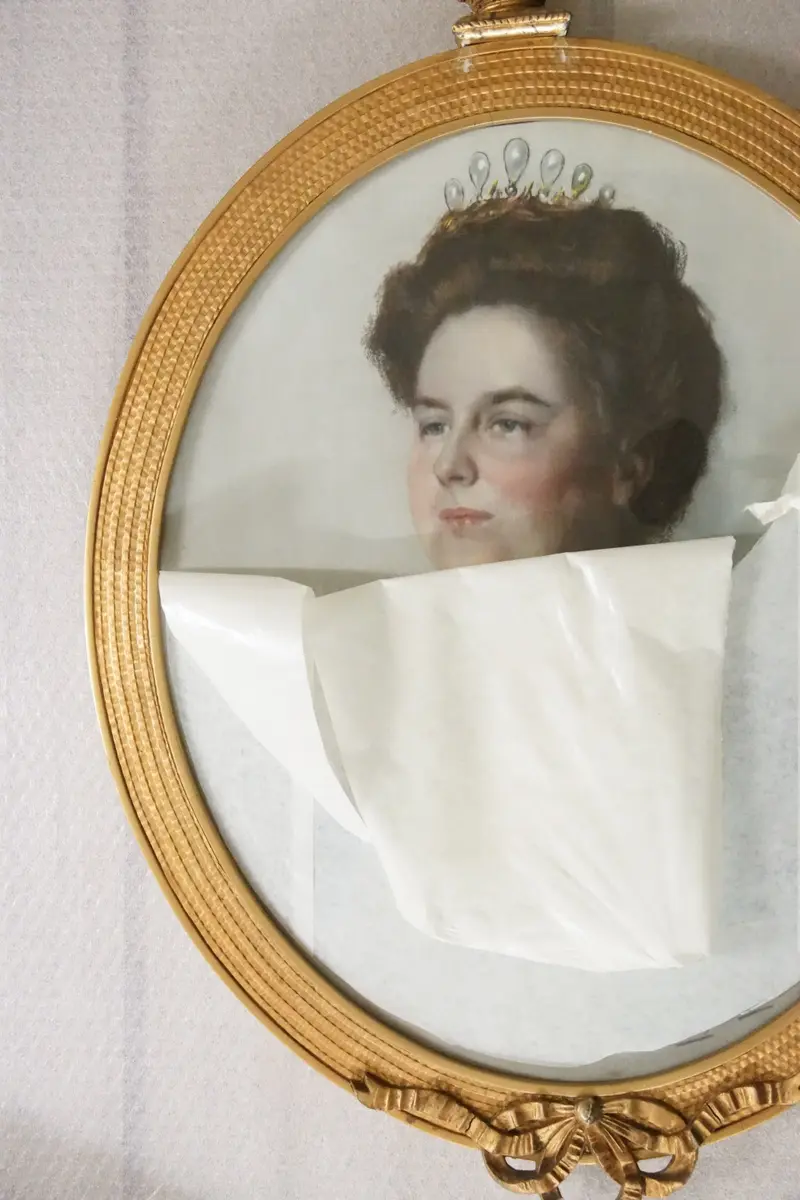
Portret Wilhelmina 020904 Stedelijk Museum Alkmaar
Thérèse Schwartze
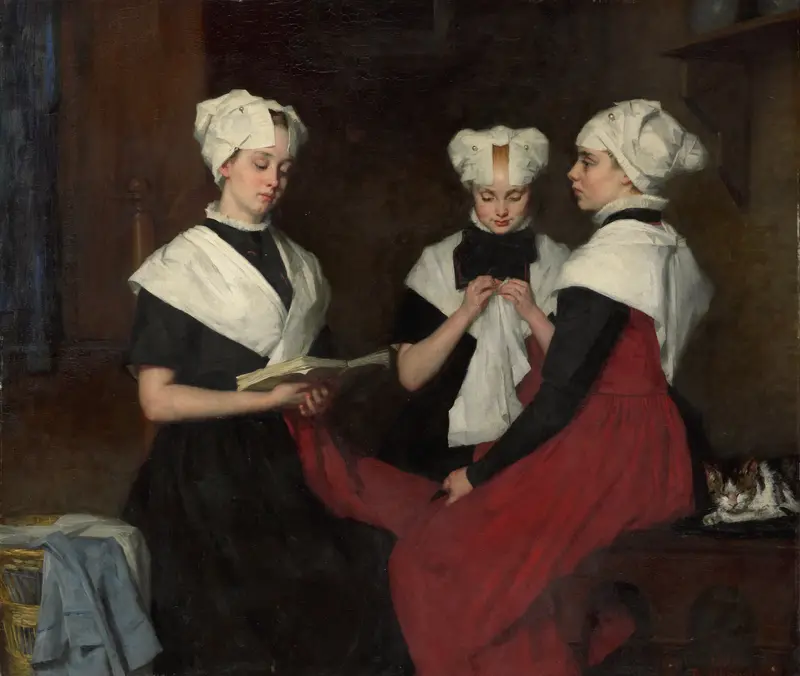
Three girls from the Amsterdam Orphanage
Thérèse Schwartze
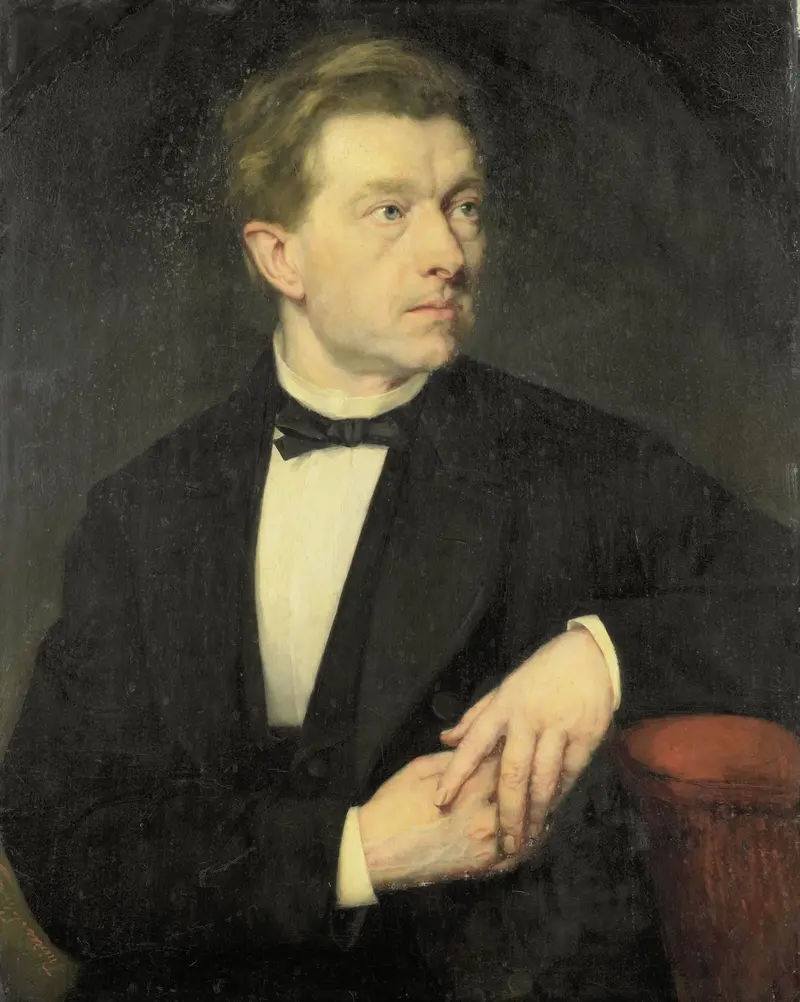
Portrait of Dr. J. L. Dusseau
Thérèse Schwartze
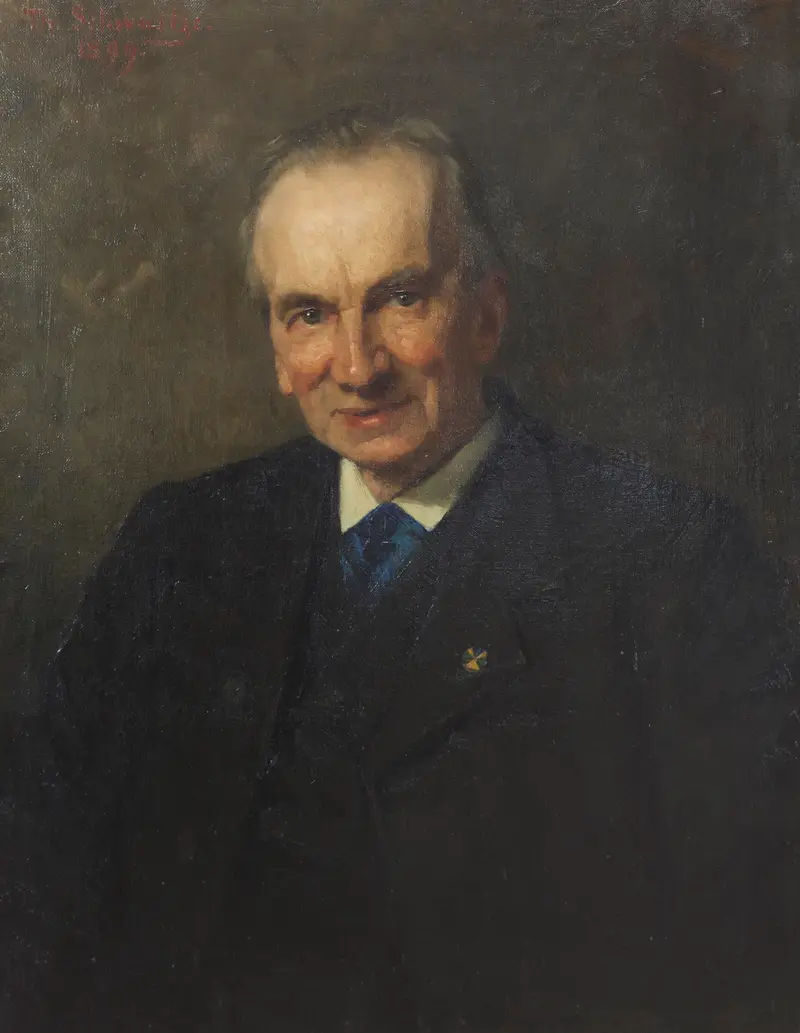
Portrait of Frederik Willem van Eeden
Thérèse Schwartze
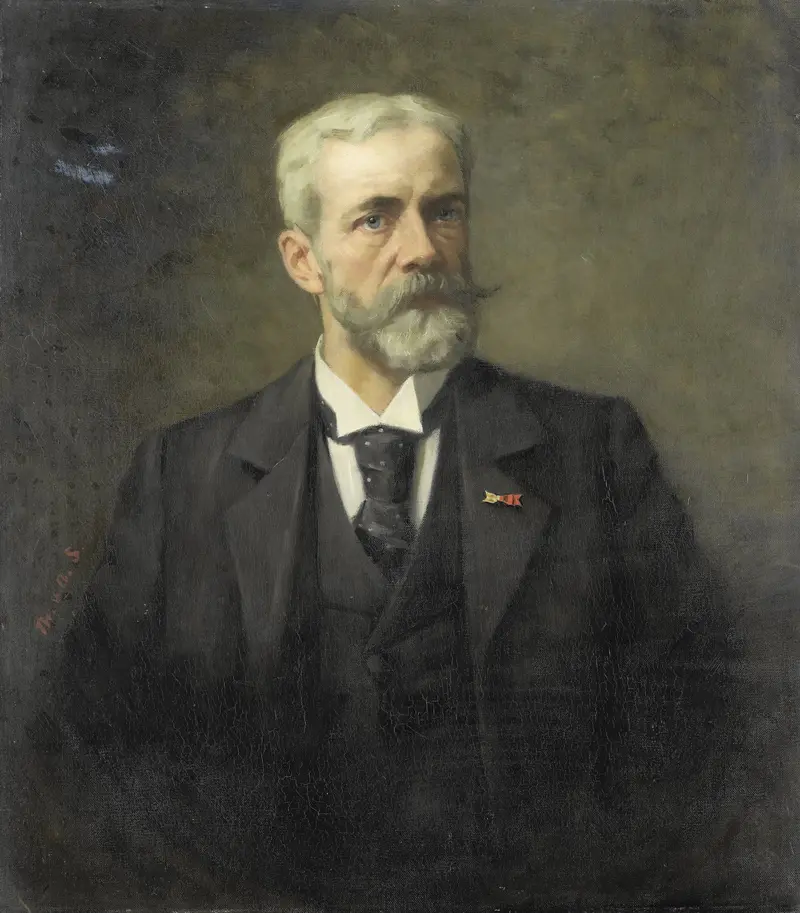
Portrait of Frederik Daniël Otto Obreen (1840-96), director Rijksmuseum
Thérèse Schwartze
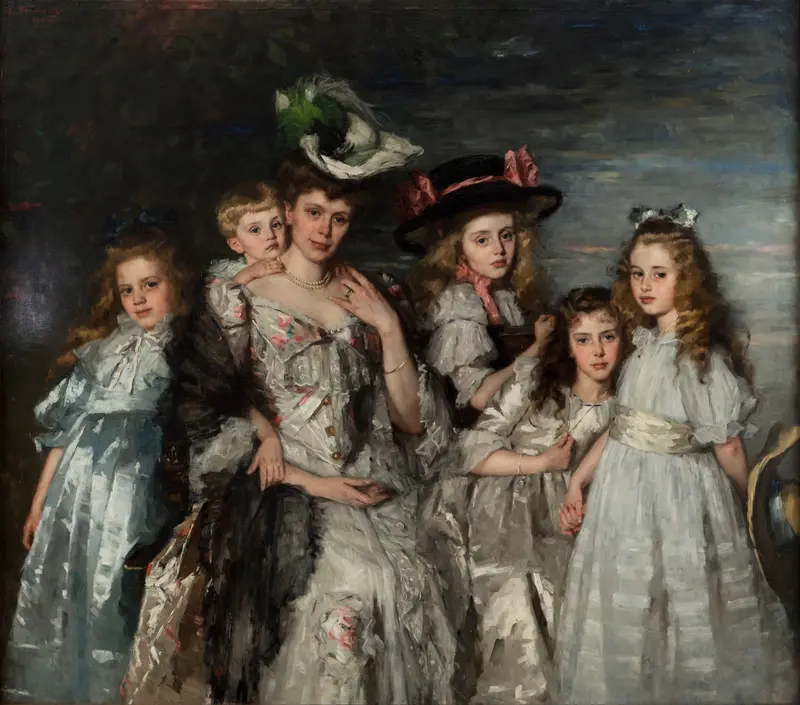
Portrait of Mrs. A.G.M. van Ogtrop-Hanlo (1871-1944) and her five children
Thérèse Schwartze
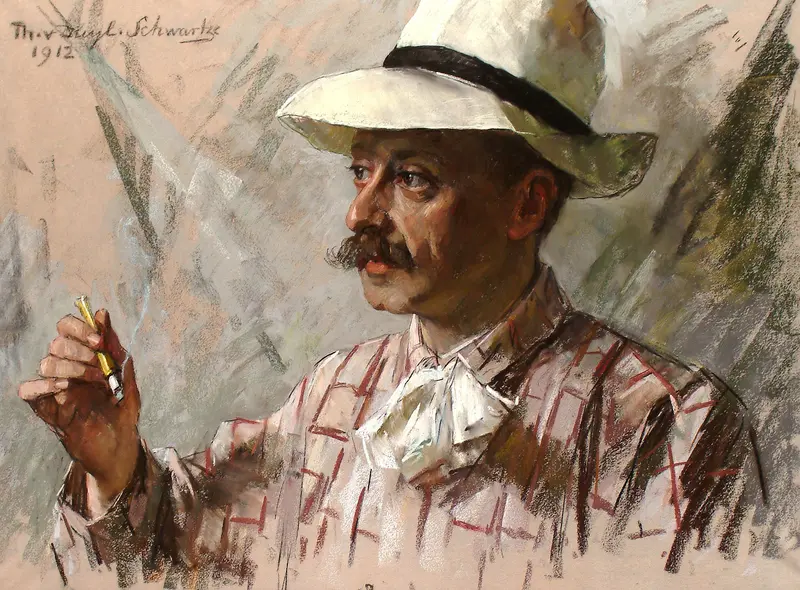
Portrait of Dr. Salomon Benjamin Druif
Thérèse Schwartze
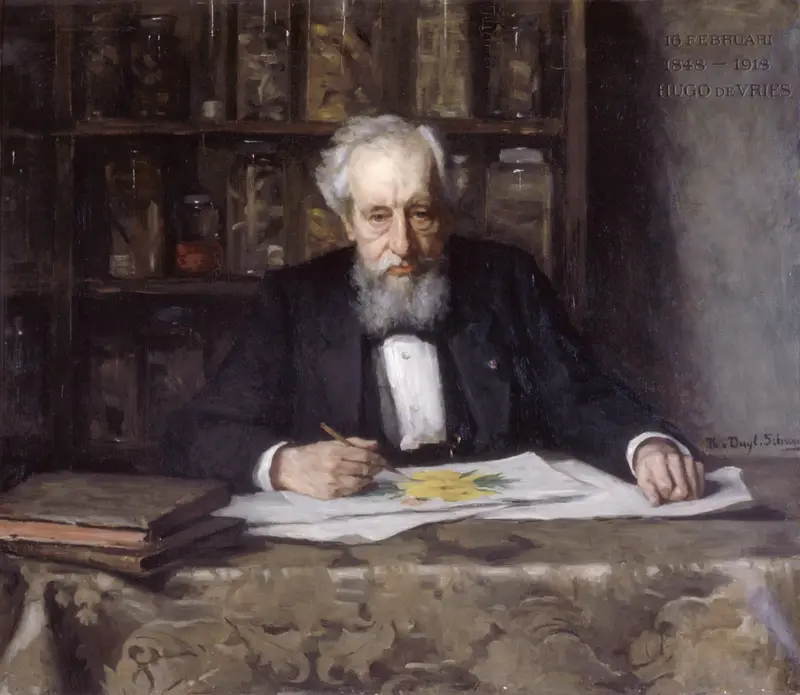
Portrait of Prof. Hugo de Vries
Thérèse Schwartze





