
Portrait of Giovanni Battista di Castaldo — History & Facts
What first grips the viewer in this portrait is the unwavering gaze of the sitter, a look that seems to weigh the viewer as much as he himself is being examined. The man stands out against a muted, almost shadowless background, his form anchored by the heavy fur lining of his cloak and the glint of gold at his chest and waist. Every detail is a signal: the chain and medallion marking status, the richly embroidered sleeve, and above all, the firm grip on the sword hilt—a gesture that speaks of command and readiness.
The light falls from the left, carving the sitter’s features with a sculptor’s care, drawing the eye to the sharp intelligence in his eyes and the careful grooming of his beard. The palette is restrained, but the textures—fur, metal, flesh—are rendered with a precision that rewards close looking. Painted circa 1550, this work belongs to the world of sixteenth-century European portraiture, when rulers, nobles, and military men sought to have their likenesses fixed for posterity by the leading artists of the day. Antonis Mor was renowned for his ability to balance psychological presence with the trappings of rank, and this painting, now in the Thyssen-Bornemisza Museum, is a testament to that skill.
In an age when portraiture was both a tool of diplomacy and a declaration of power, such images were commissioned to assert identity and authority in a rapidly changing Europe. Little is recorded about the specific journey of this painting, but its survival allows us to stand face-to-face with a figure whose world was shaped by ambition, hierarchy, and the careful negotiation of appearances. The sitter’s eyes still meet ours—steady, appraising, and very much alive.
More Artworks by Antonis Mor

Portrait of a Man
Antonis Mor
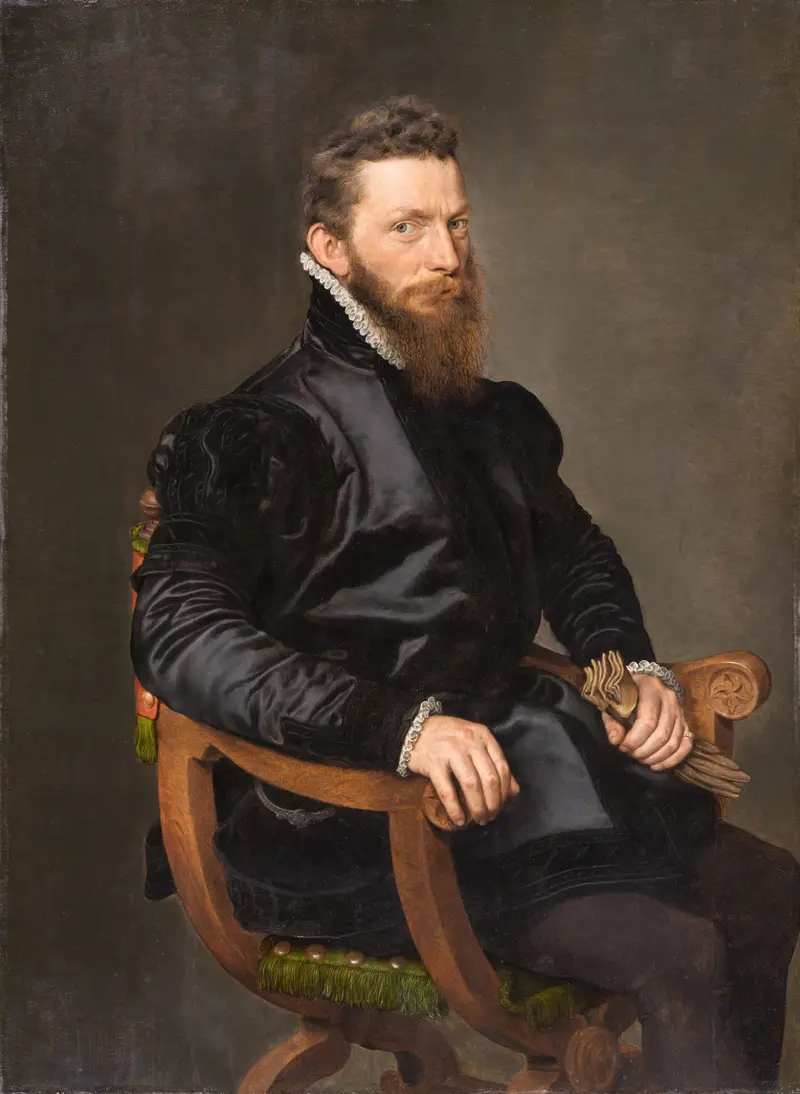
Portrait of a Gentleman
Antonis Mor
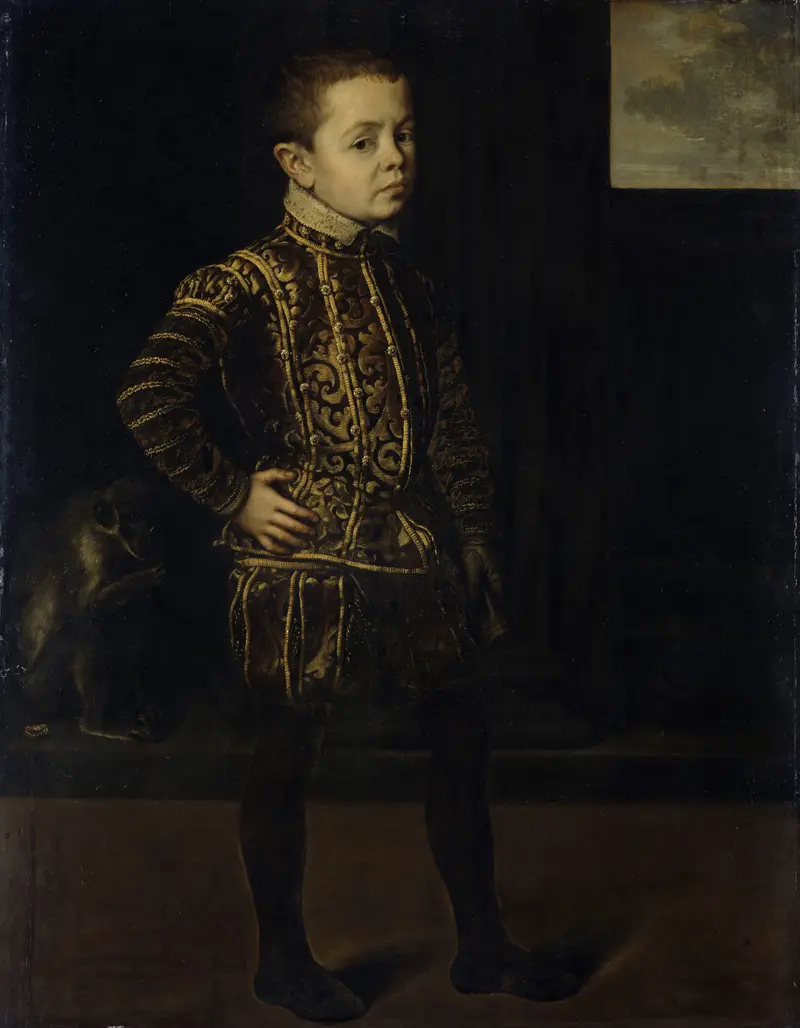
Portrait of a young prince
Antonis Mor
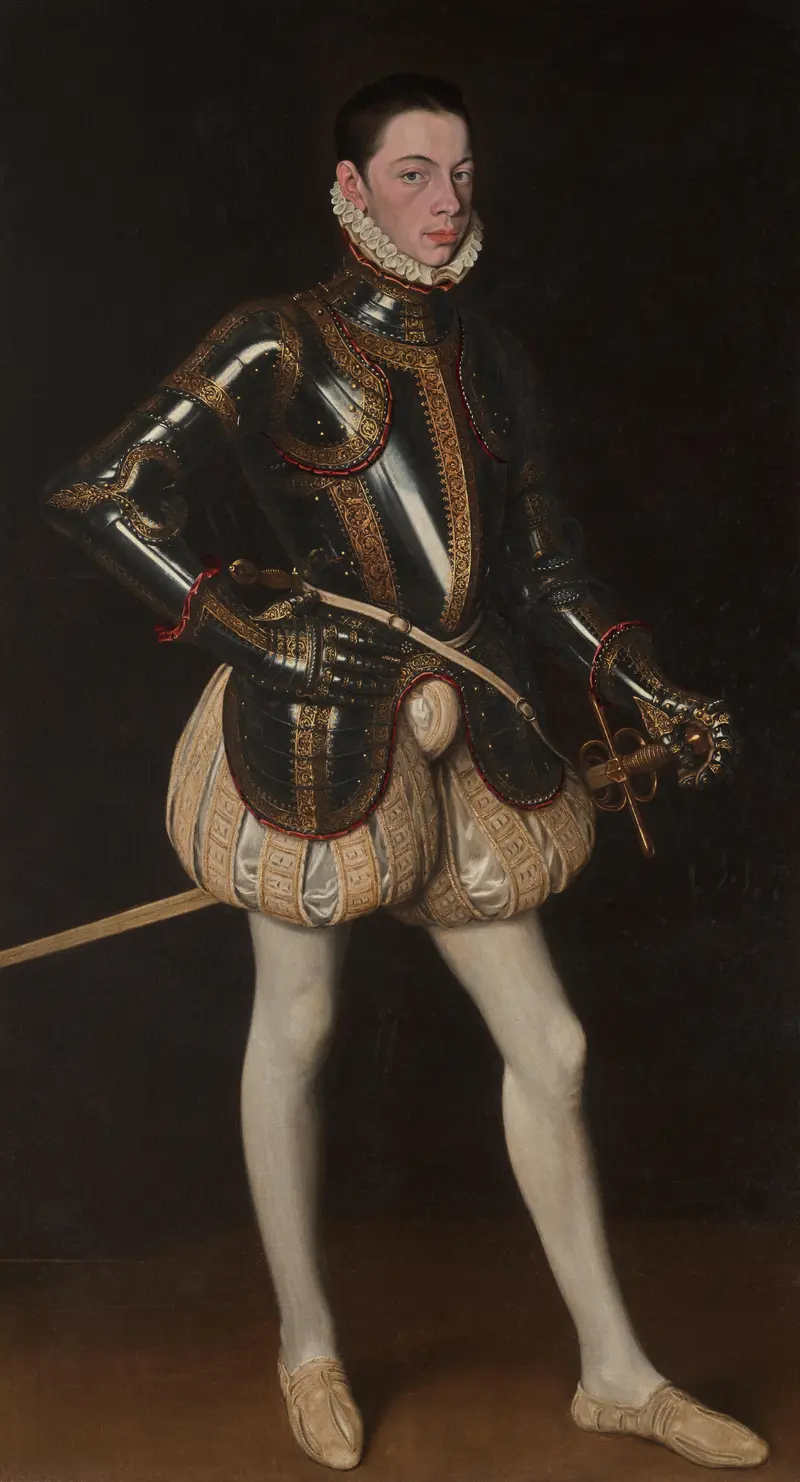
Alessandro Farnese in Armor
Antonis Mor
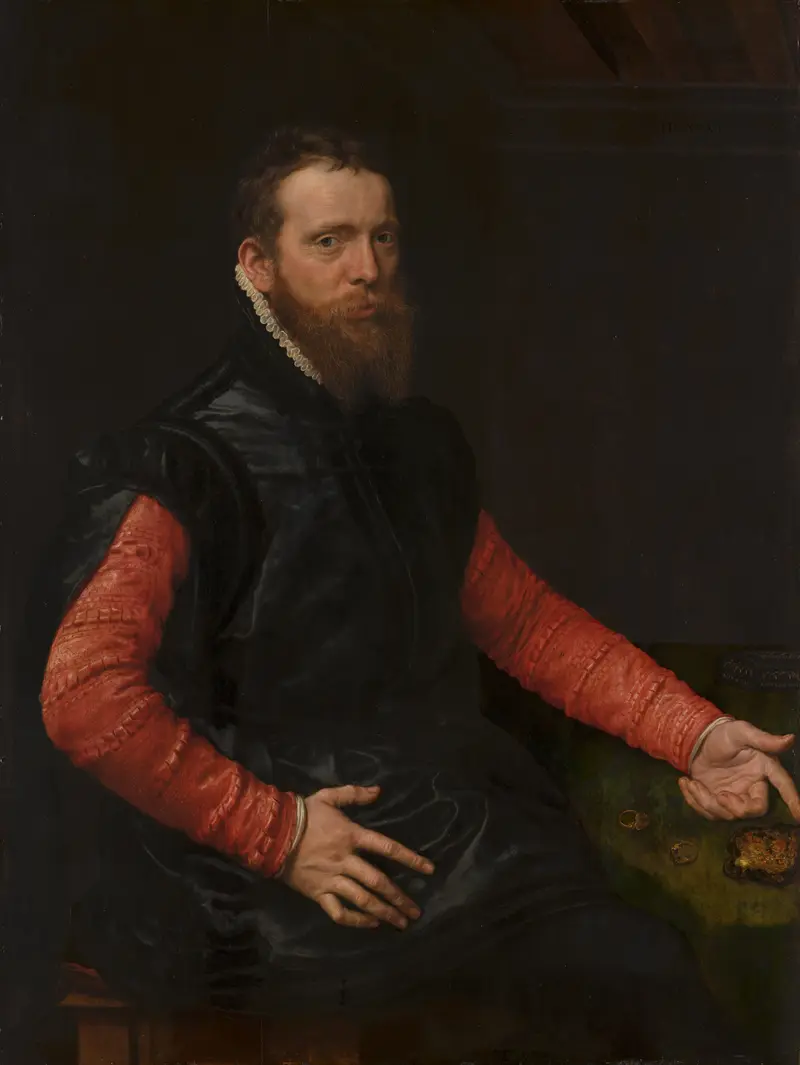
Steven van Herwijck
Antonis Mor
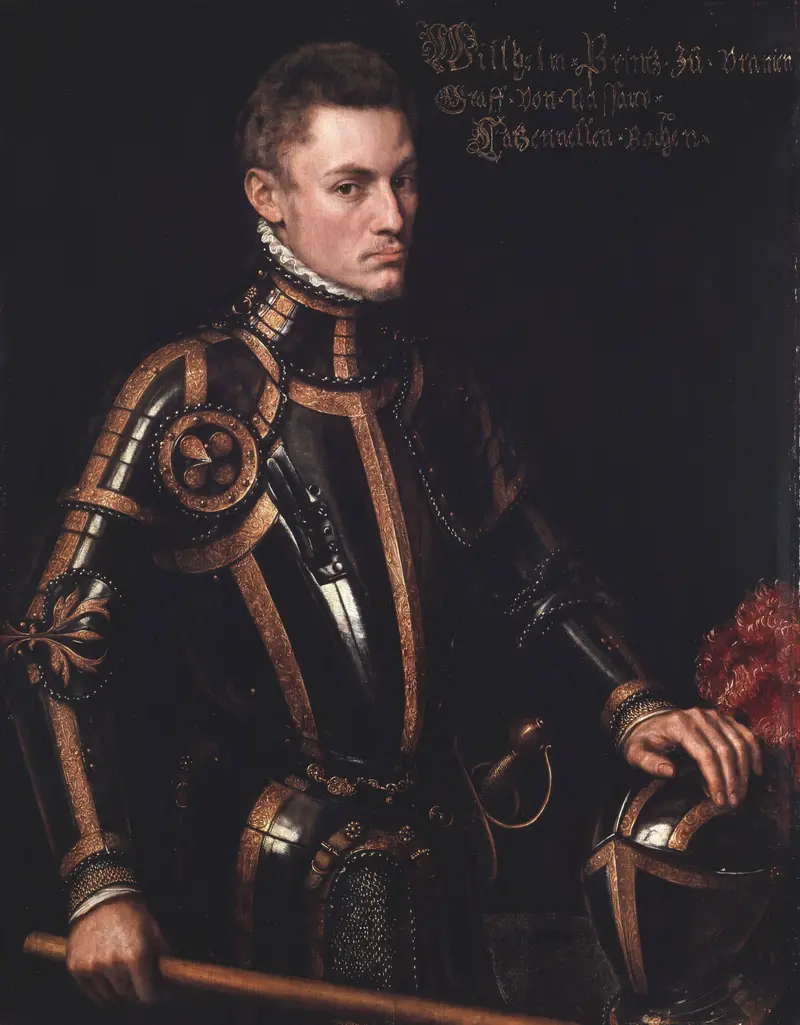
Portrait of William I of Nassau
Antonis Mor
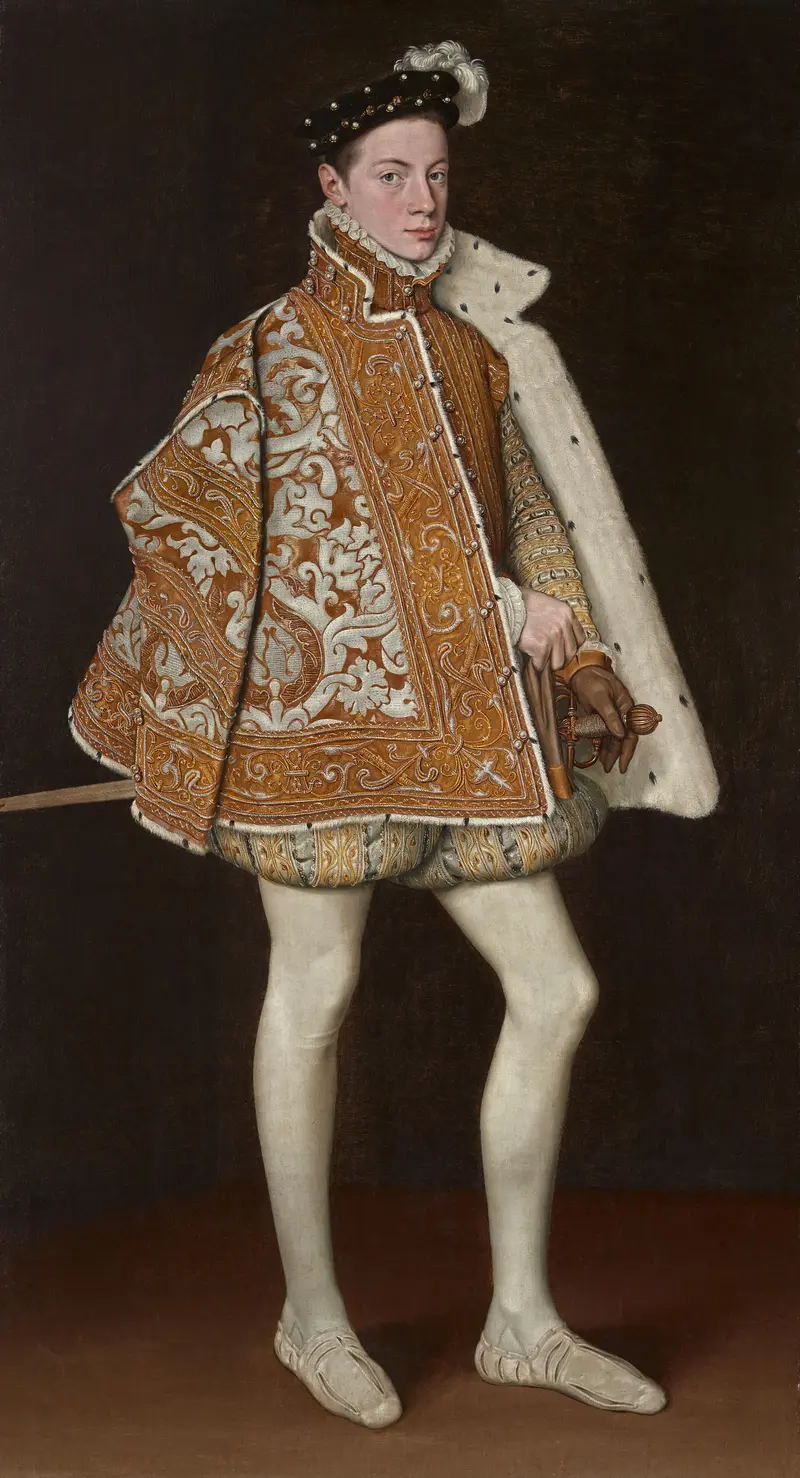
Portrait of Alessandro Farnese in Cape and Black Cap
Antonis Mor
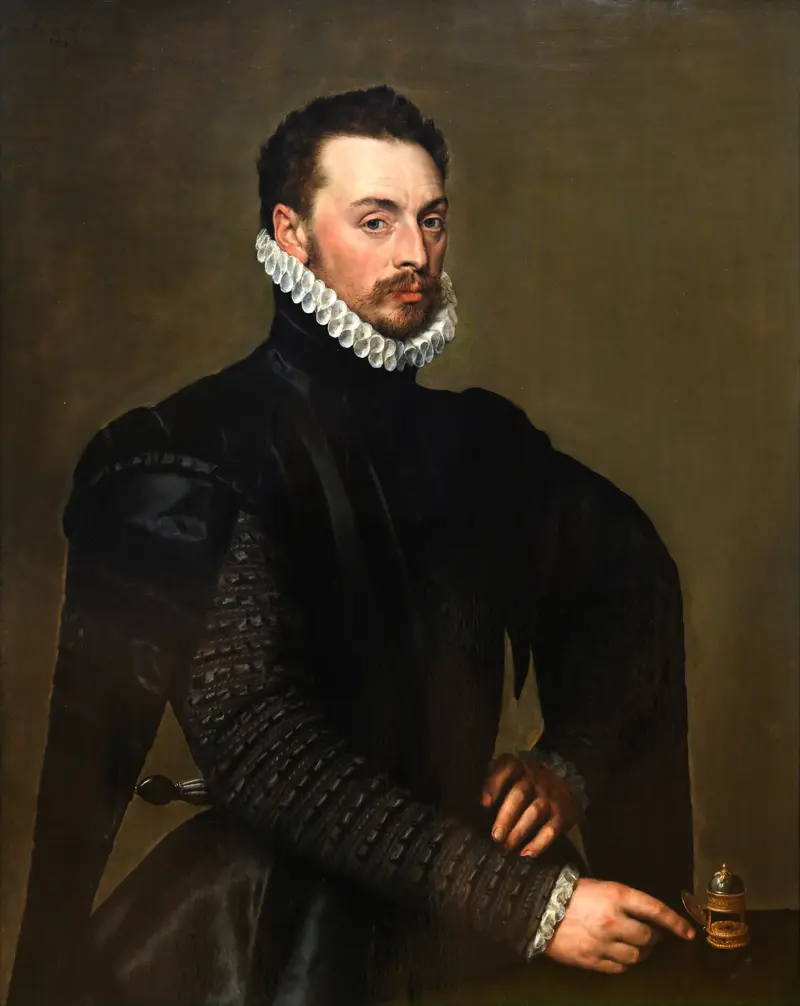
Portrait d'homme désignant une pendule Antonio Moro Musée du Louvre Peintures INV 1582 ; MR 880
Antonis Mor
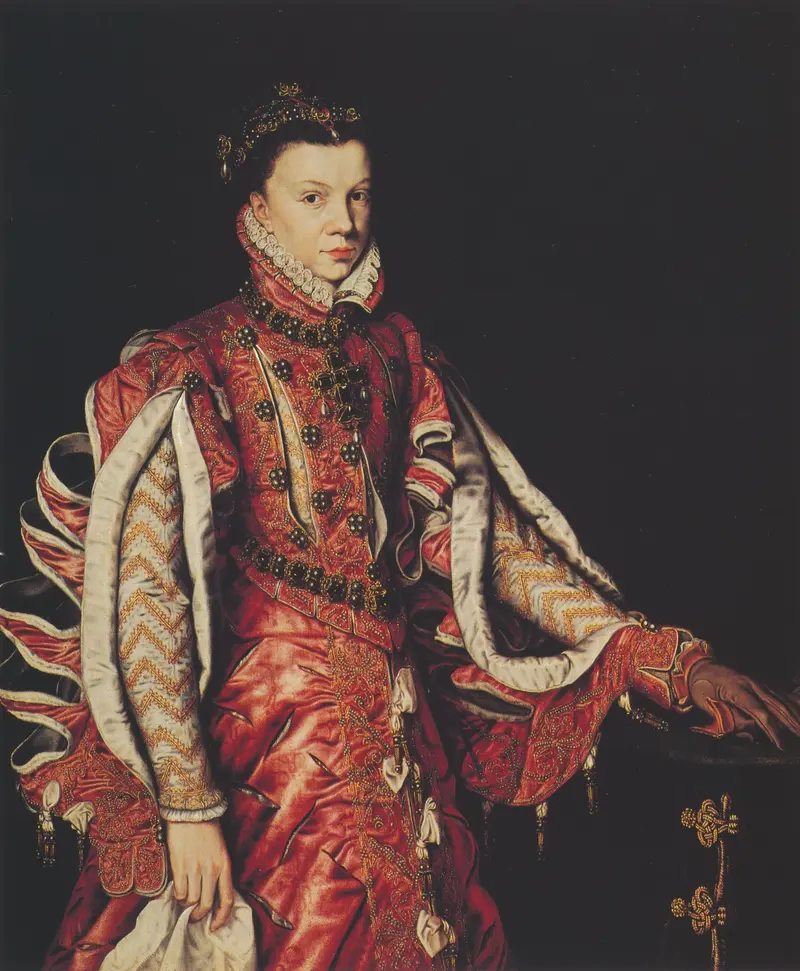
Portrait of Elisabeth of Valois, third wife of King Philip II of Spain
Antonis Mor
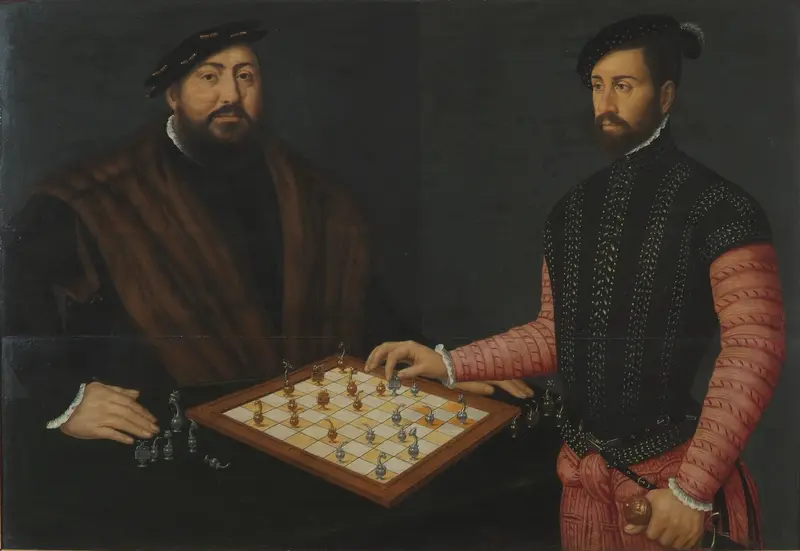
Von Sachsen vs. a Spaniard
Antonis Mor





