
Portrait of Jeanne Lullier, wife of Simon Renard — History & Facts
What first draws the eye in Portrait of Jeanne Lullier, wife of Simon Renard is the quiet force of her gaze—steady, reserved, and almost private, as if she is weighing the viewer with the same careful judgment that shaped her own world. The light falls with precision, illuminating her face and the crisp white of her cap and ruff, while the rest of her figure recedes into the deep, velvety darkness of her gown. Her hands, gently clasped, rest just within the frame, their subtle tension suggesting both composure and self-possession.
The fur collar and the delicate ring on her finger are not mere ornament; they signal status, restraint, and the codes of a society where every detail spoke volumes. There is no background to distract—only the sitter and the silence she inhabits. Painted in 1557, this portrait belongs to a world where the art of likeness was a declaration of identity and allegiance. The mid-sixteenth century saw the rise of the formal portrait across Europe, especially in the courts and merchant circles of the Habsburg Netherlands and Spain, where artists like Antonis Mor became sought-after chroniclers of power and reputation.
Such portraits were often commissioned to mark marriages, alliances, or moments of social ascent, their sober elegance reflecting the values of a changing age. Today, Portrait of Jeanne Lullier, wife of Simon Renard resides in the Musée du Temps in Besançon—a quiet testament to a woman whose name survives through paint and presence, inviting us to read her story in the language of dress, gesture, and gaze.
More Artworks by Antonis Mor

Portrait of a Man
Antonis Mor
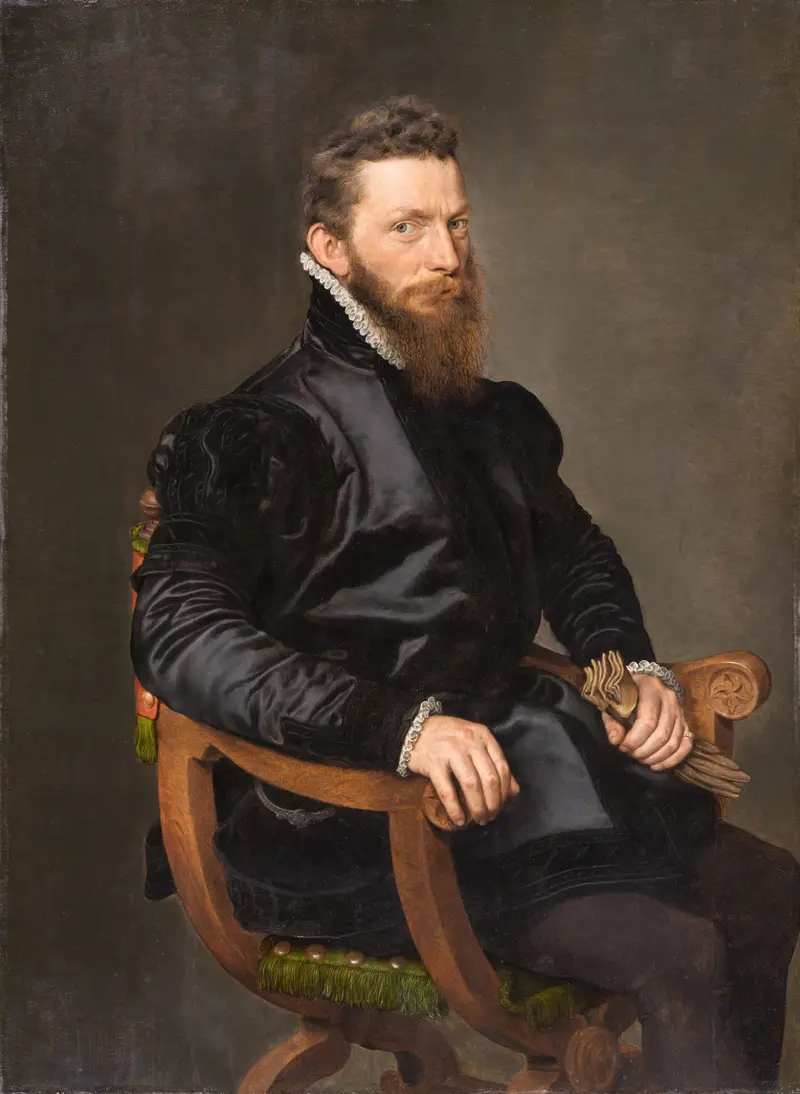
Portrait of a Gentleman
Antonis Mor
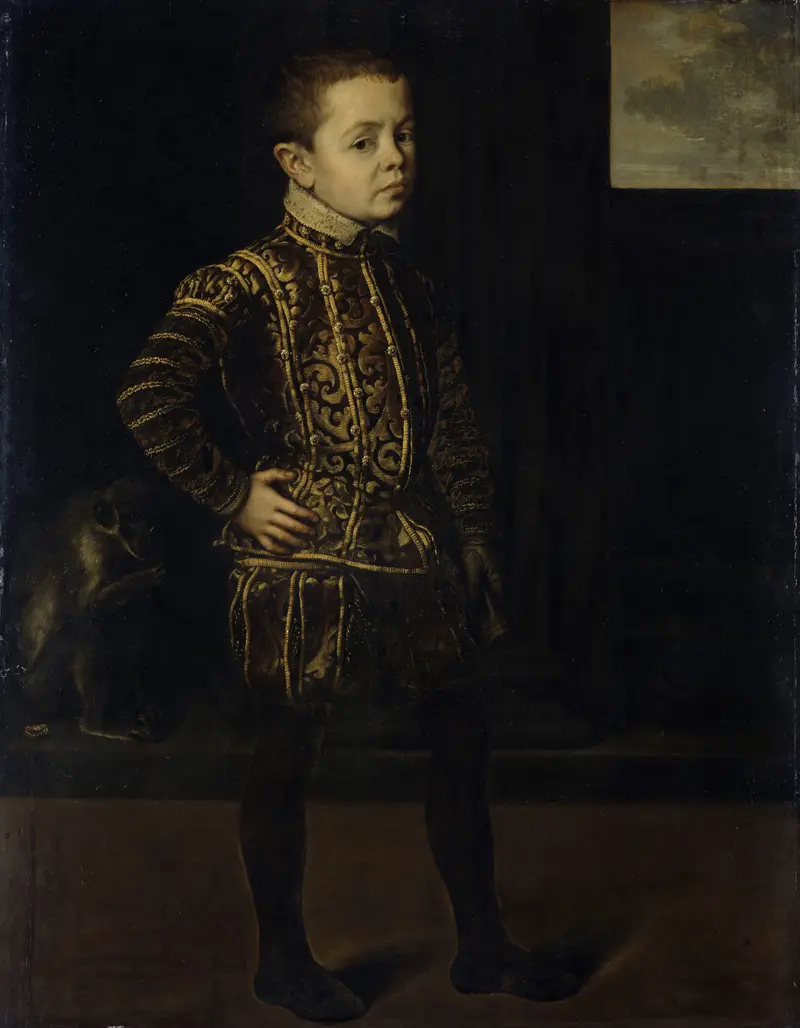
Portrait of a young prince
Antonis Mor
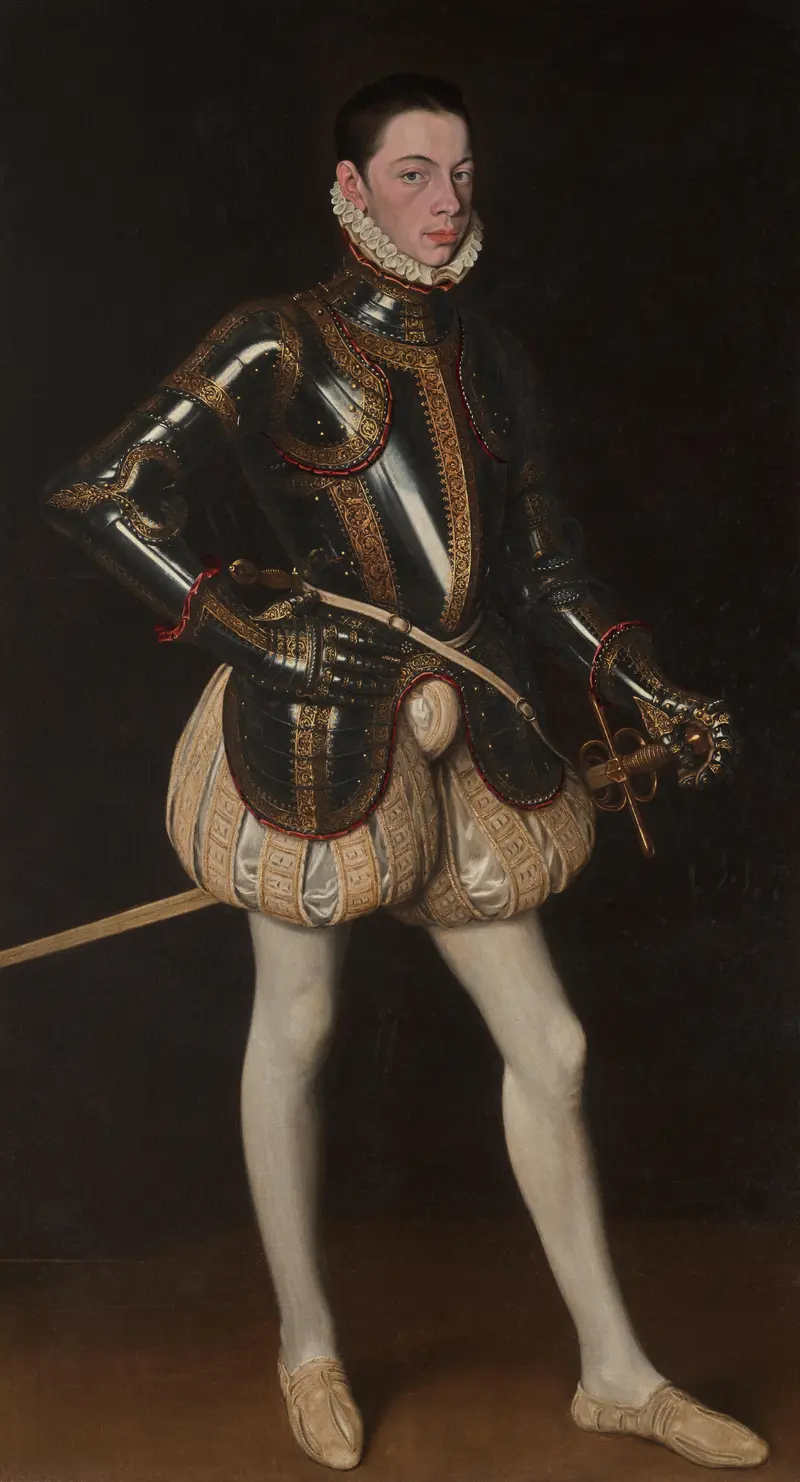
Alessandro Farnese in Armor
Antonis Mor
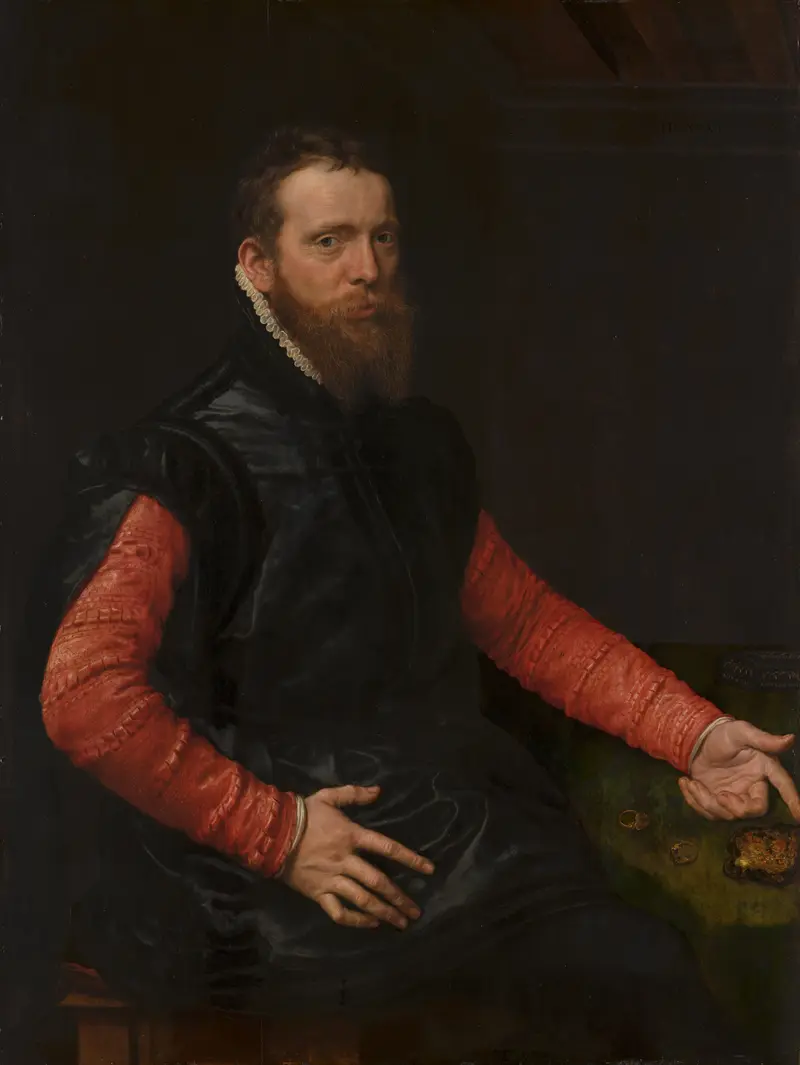
Steven van Herwijck
Antonis Mor
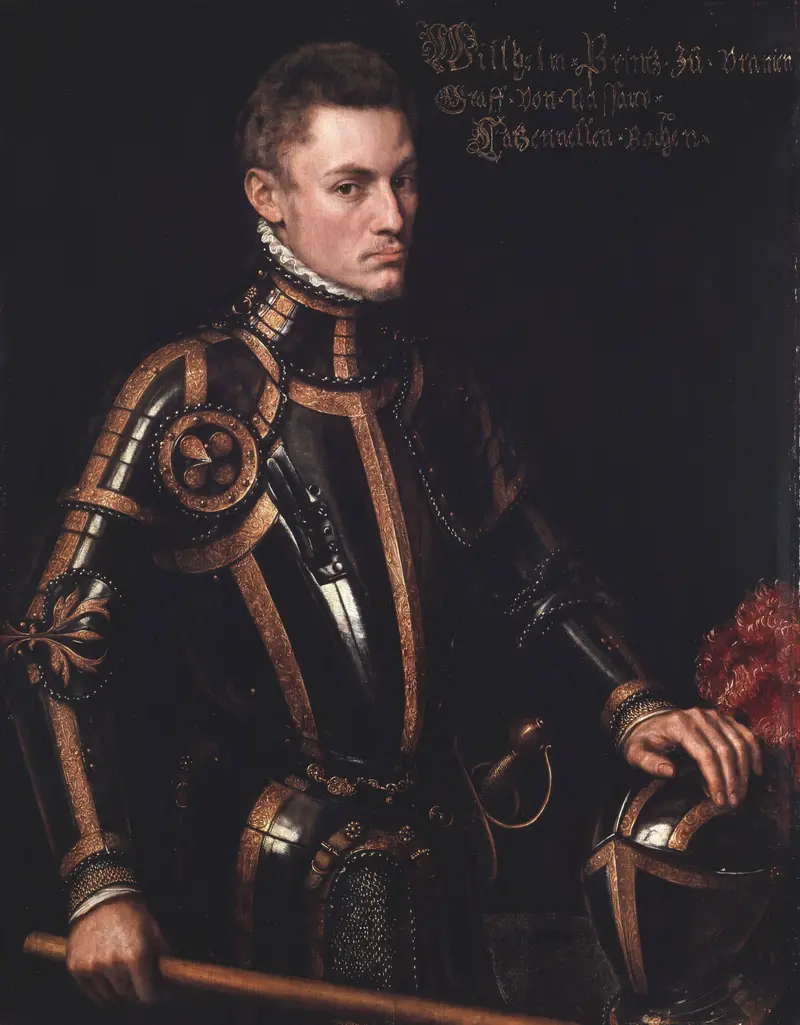
Portrait of William I of Nassau
Antonis Mor
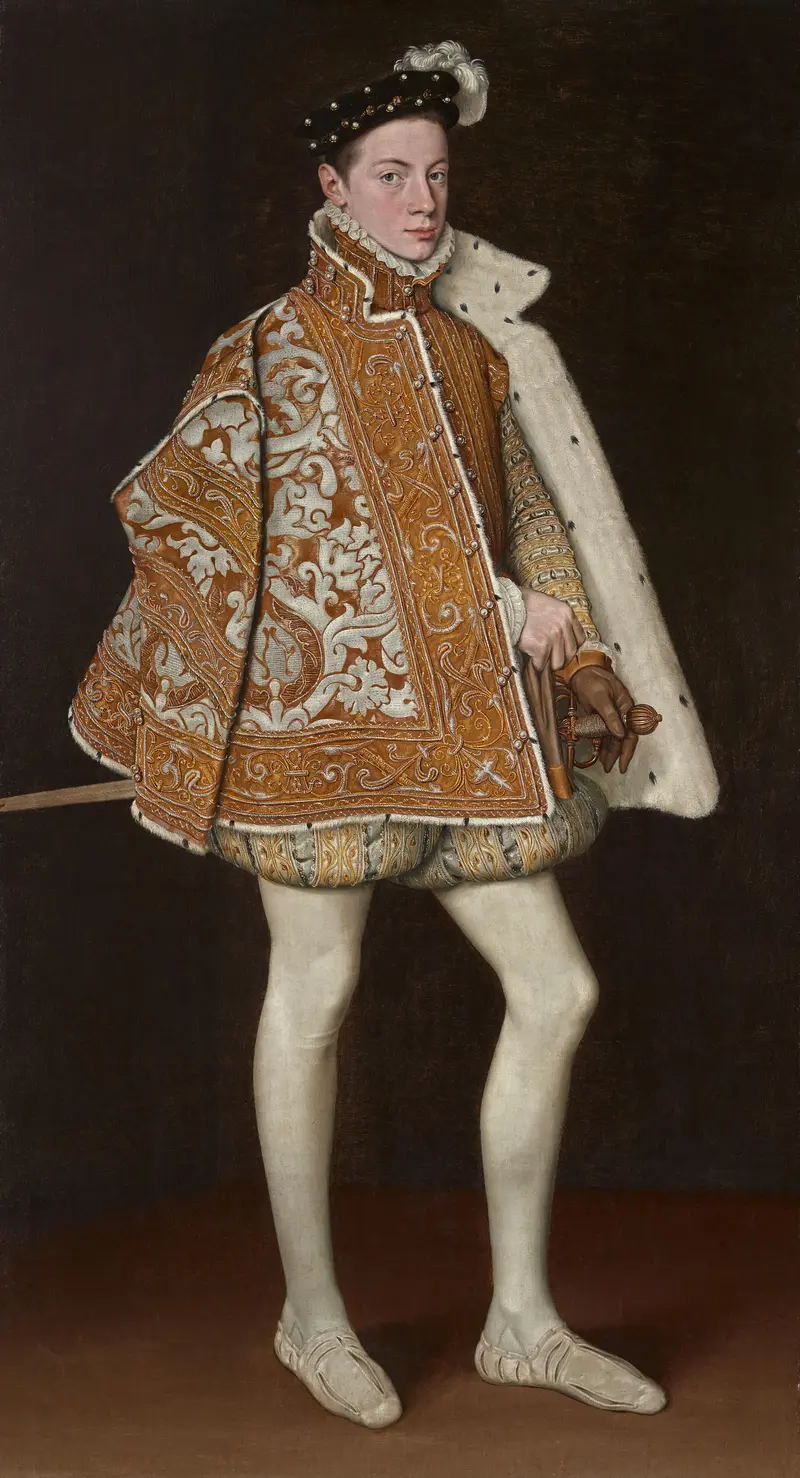
Portrait of Alessandro Farnese in Cape and Black Cap
Antonis Mor
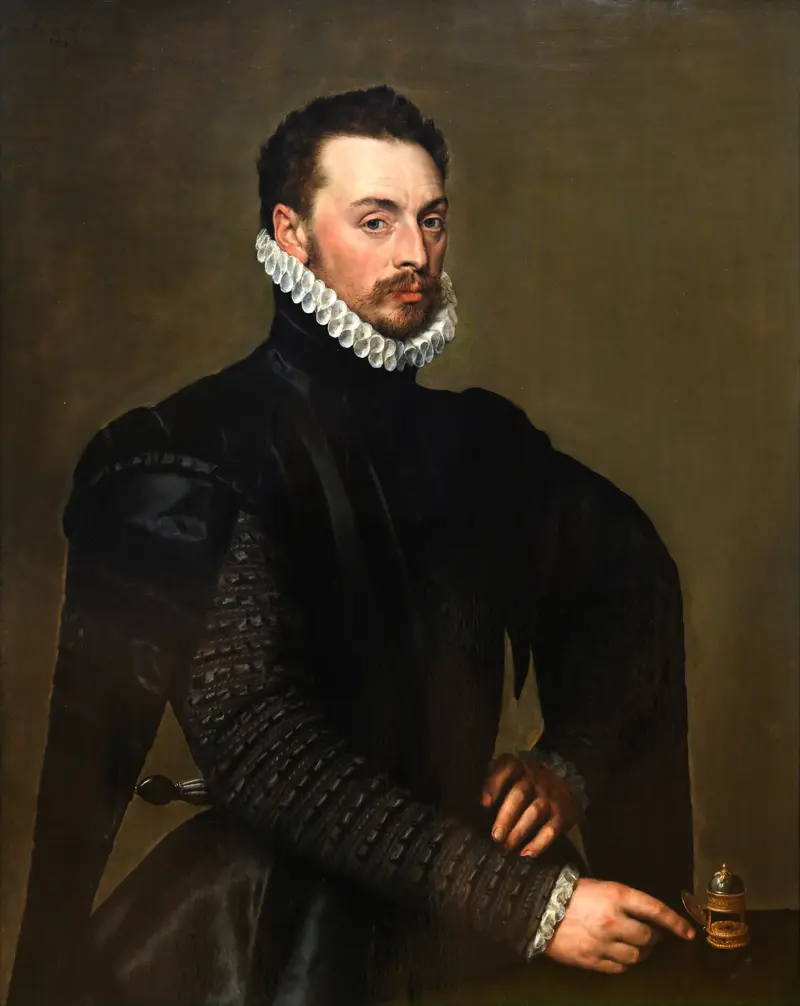
Portrait d'homme désignant une pendule Antonio Moro Musée du Louvre Peintures INV 1582 ; MR 880
Antonis Mor
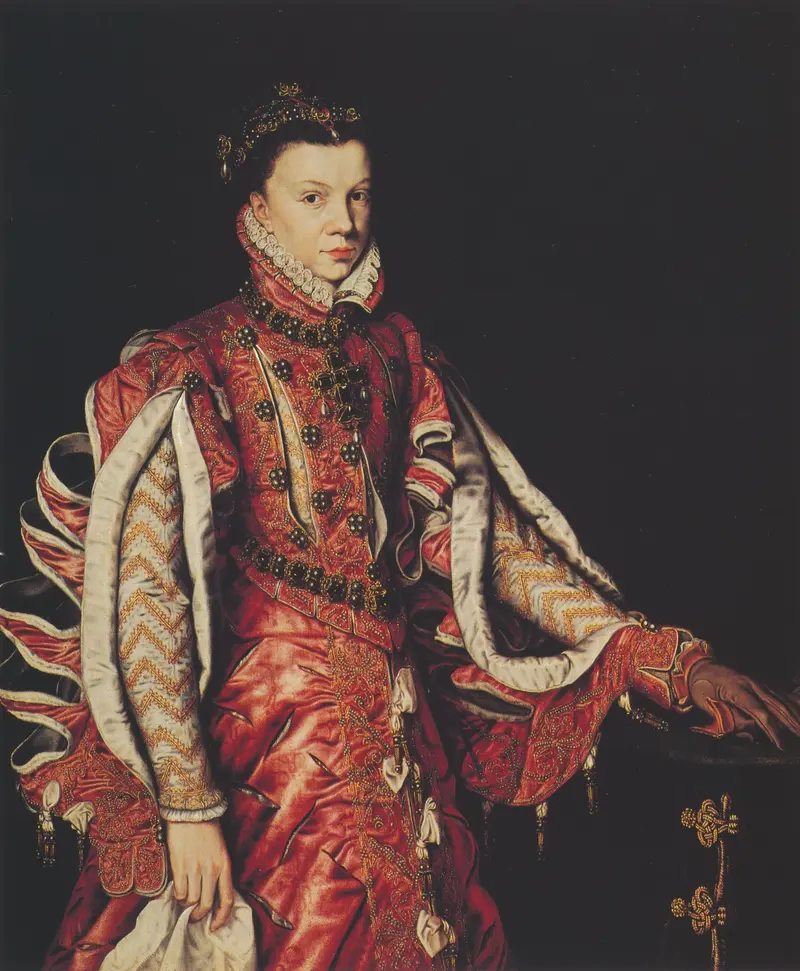
Portrait of Elisabeth of Valois, third wife of King Philip II of Spain
Antonis Mor
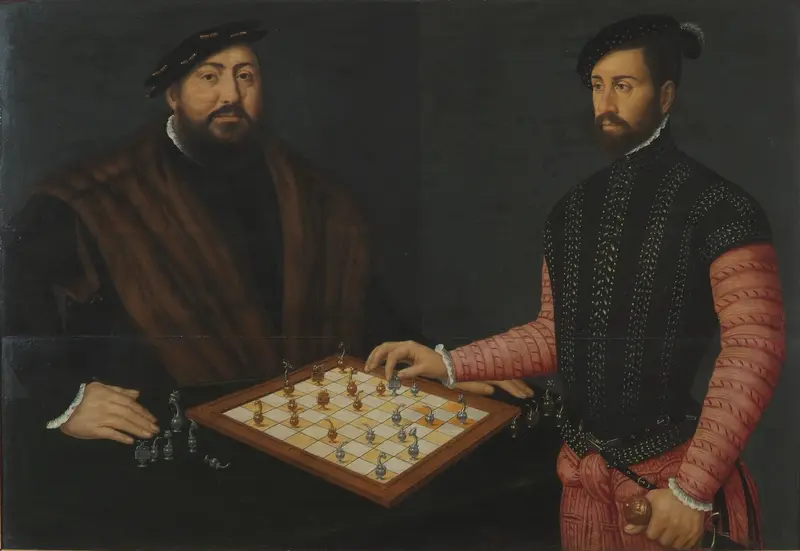
Von Sachsen vs. a Spaniard
Antonis Mor





