
Portrait of Lorenzo Bartolini — History & Facts
When Jean Auguste Dominique Ingres painted Portrait of Lorenzo Bartolini in 1805, he was just twenty-four and newly arrived in Rome, a city pulsing with artistic rivalry. The sitter, Lorenzo Bartolini, was himself a young Florentine sculptor, later renowned for his Romantic sensibility, but at this moment both men were ambitious outsiders, forging friendships that would shape their futures. This portrait is a rare record of their camaraderie: Bartolini would later recall that Ingres "painted me as he saw me, with the seriousness of a man who knows his own path." The painting stands as a testament to a moment when two future luminaries were still finding their artistic voices. Ingres chooses an intimate, almost severe moment for Bartolini’s likeness.
The sculptor sits in three-quarter view, his gaze direct but reserved, lips pressed in a line that suggests both determination and introspection. The background is plain, focusing all attention on Bartolini’s sharply modeled features and the crisp white collar that frames his face—a device Ingres often used to highlight intellectual clarity, as seen in his later Portrait of Monsieur Bertin. The light falls cleanly across Bartolini’s brow, emphasizing the sculptor’s thoughtful temperament.
There are no tools or symbols of his craft, only the man and his presence, a choice that speaks to Ingres’s belief in the primacy of character over profession. The medium of Portrait of Lorenzo Bartolini remains uncertain, though it is likely oil on canvas, typical for Ingres’s early Roman portraits. The painting’s early history is not well documented, but it is known that Ingres and Bartolini remained in contact throughout their lives, suggesting the work may have stayed within Bartolini’s circle for some years. Today, the portrait is recognized as a key work from Ingres’s formative Roman period, when he was absorbing both the neoclassical rigor of Jacques-Louis David and the psychological depth of Renaissance masters.
Its restrained composition and psychological acuity foreshadow the direction Ingres’s portraiture would take in later decades, making it a touchstone for understanding his early development.
More Artworks by Jean Auguste Dominique Ingres
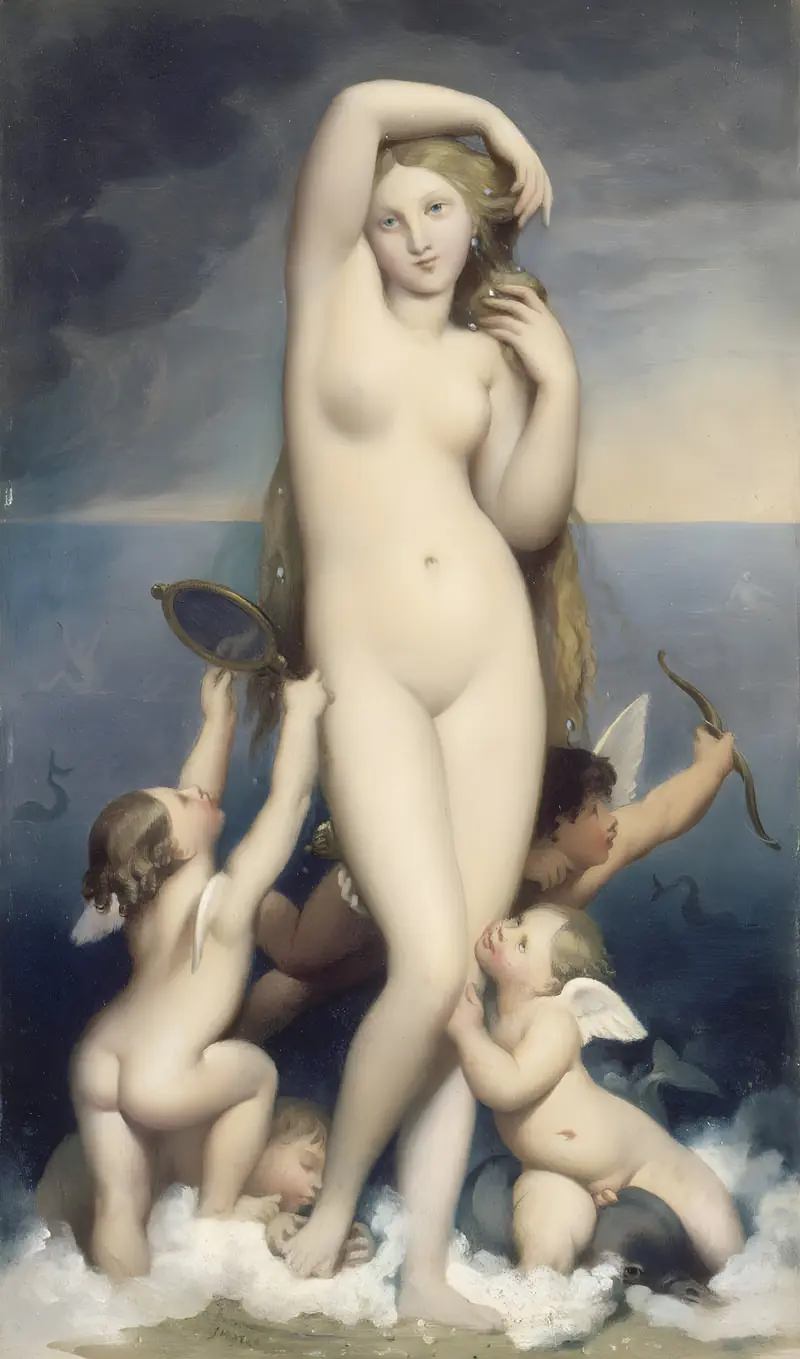
Vénus anadyomène
Jean Auguste Dominique Ingres
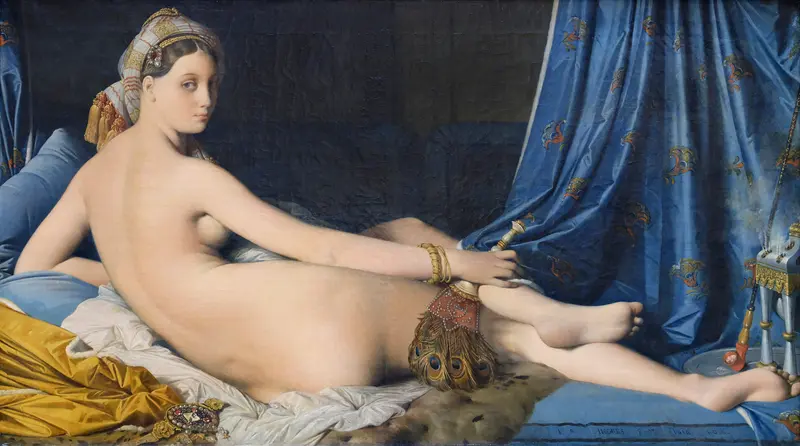
Grande Odalisque
Jean Auguste Dominique Ingres
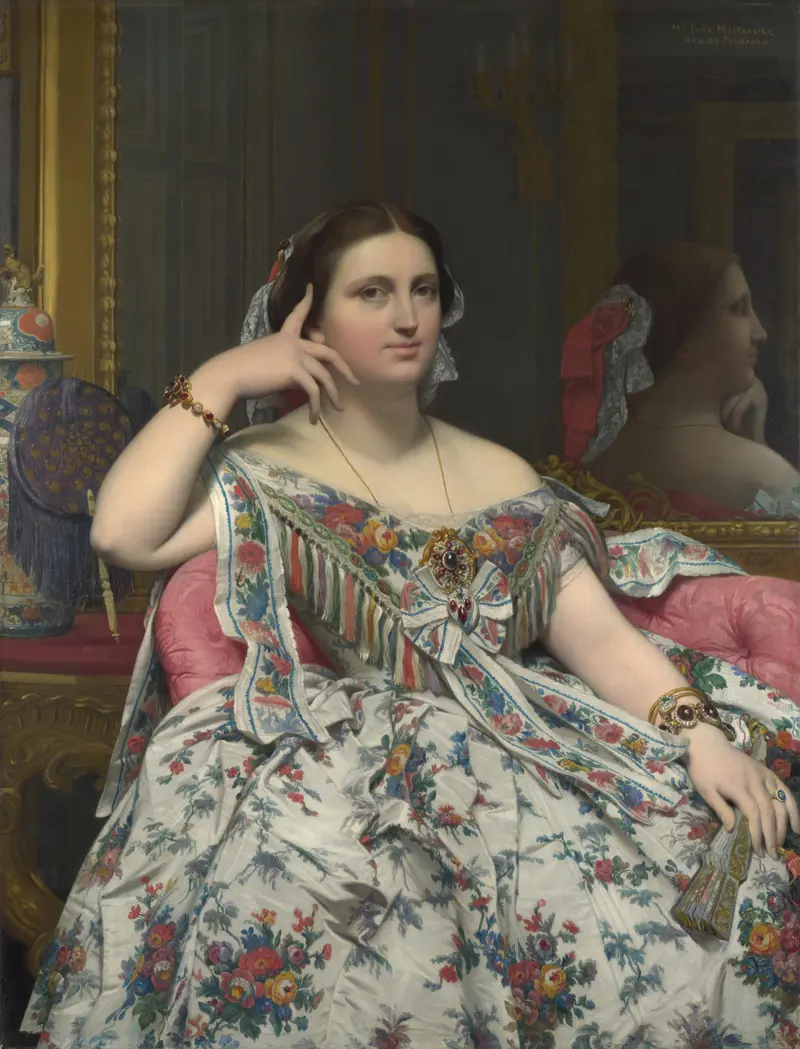
Madame Moitessier (seated)
Jean Auguste Dominique Ingres
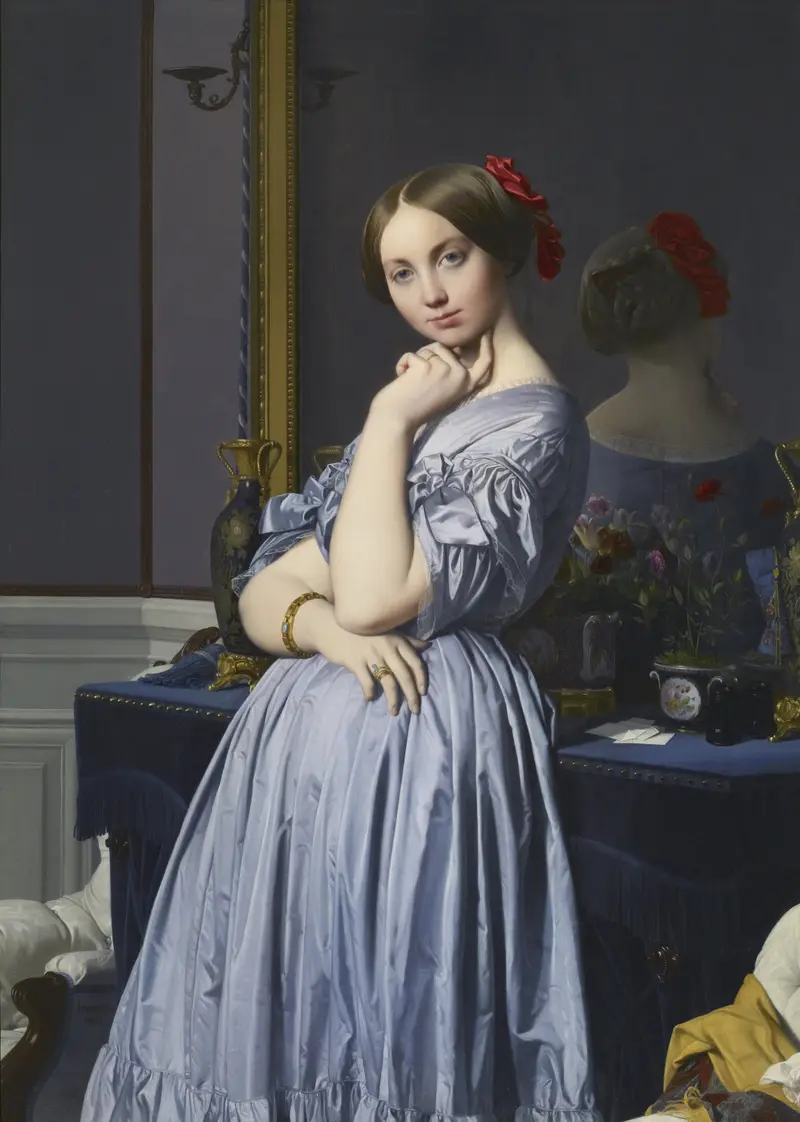
Portrait of Comtesse d’Haussonville
Jean Auguste Dominique Ingres
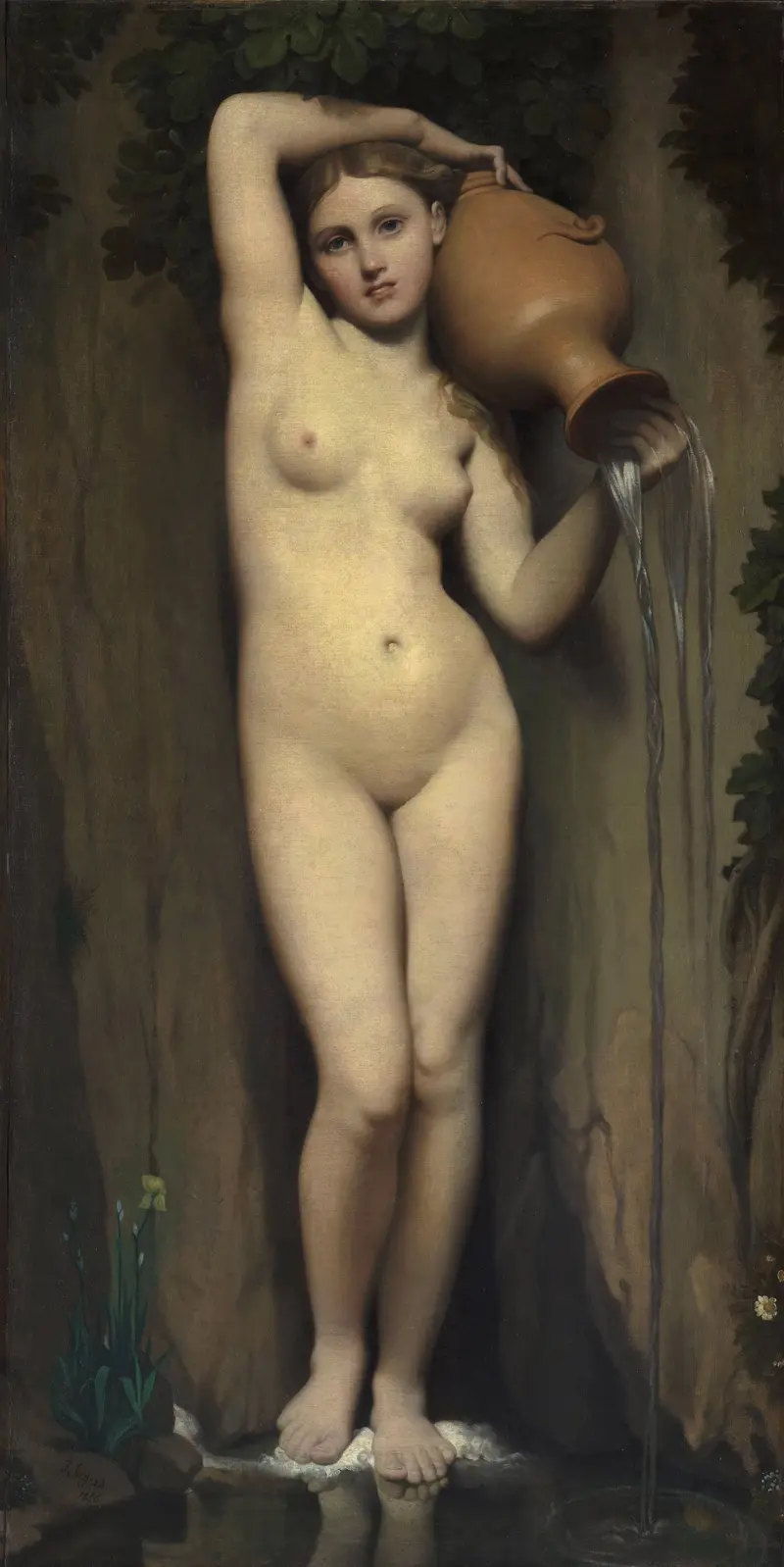
The Source
Jean Auguste Dominique Ingres
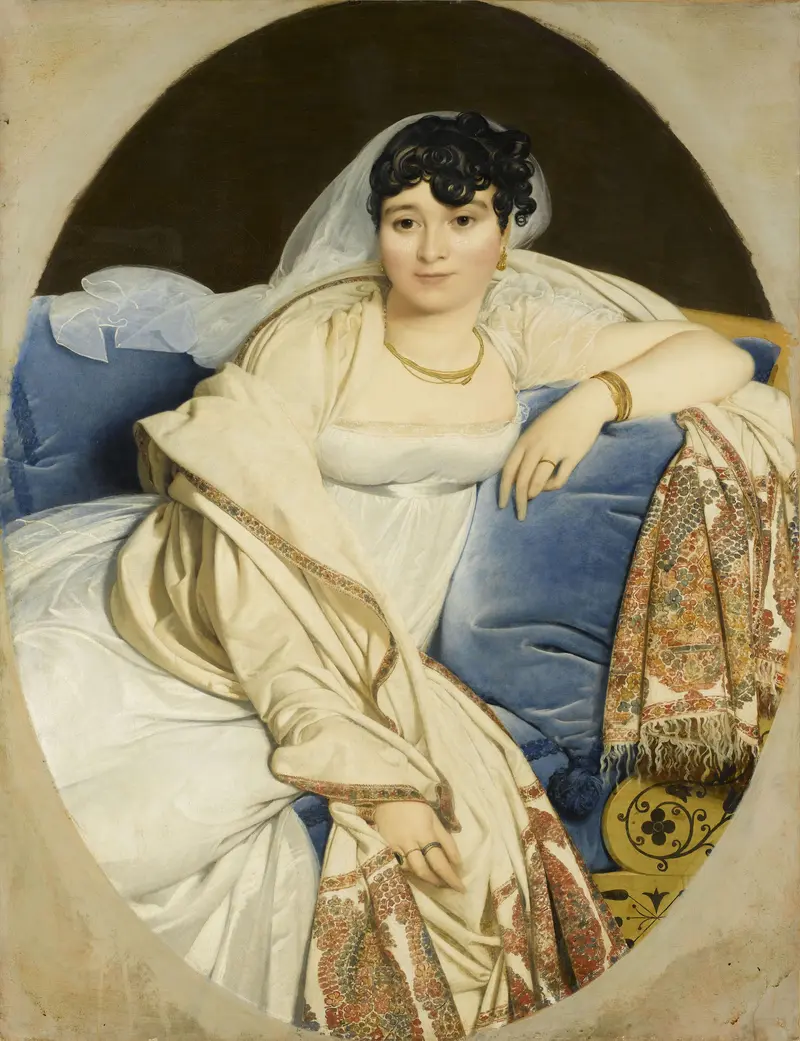
Madame Rivière
Jean Auguste Dominique Ingres

Madame Jean-Auguste-Dominique Ingres, née Madeleine Chapelle
Jean Auguste Dominique Ingres

Portrait of a Lady
Jean Auguste Dominique Ingres
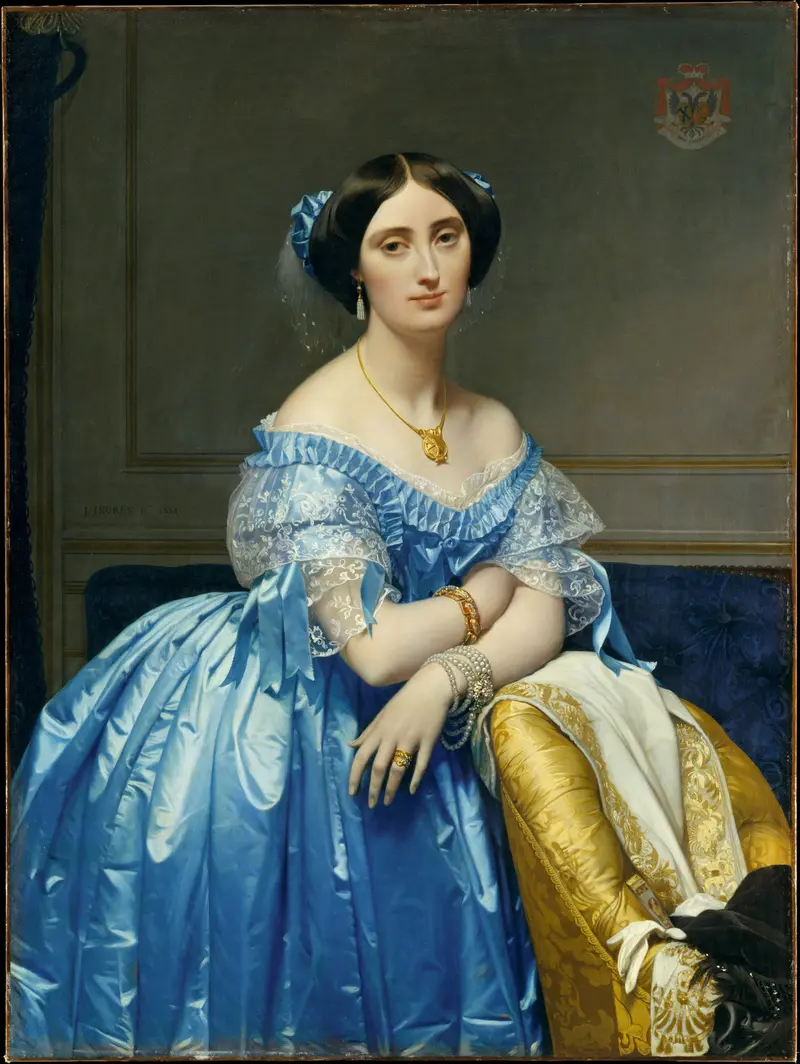
Joséphine-Éléonore-Marie-Pauline de Galard de Brassac de Béarn (1825–1860), Princesse de Broglie
Jean Auguste Dominique Ingres
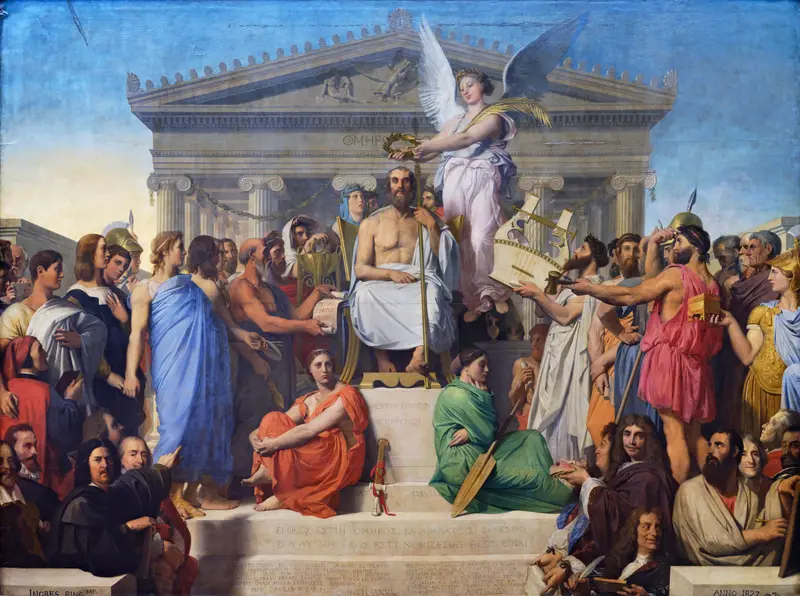
The Apotheosis of Homer
Jean Auguste Dominique Ingres





