
Portrait of Lorenzo di Medici, Duke of Urbino — History & Facts
When Raphael painted Portrait of Lorenzo di Medici, Duke of Urbino in 1517, he was capturing not just a man, but a pivotal figure in the Medici dynasty’s bold gamble for power. Lorenzo, nephew of Pope Leo X, had just been installed as Duke of Urbino after a costly military campaign—an episode that saw papal armies clash with local rulers, and Florence’s ambitions laid bare for all of Italy to see. The portrait was likely commissioned to mark Lorenzo’s new status, a visual assertion of legitimacy at a time when his rule was still contested.
The painting thus stands at the crossroads of art and politics, a calculated display of Medici authority. Raphael chooses to show Lorenzo not in armor or at the head of an army, but seated, turned slightly, his gaze cool and reserved. The rich costume—dark velvet, gold chain, and the subtle glint of a ring—signals both wealth and the burden of office. His hand rests on the hilt of a sword, a quiet reminder of the violence that secured his position, while the neutral background draws attention to the sitter’s face: youthful, yet already marked by the cares of power.
Unlike Titian’s later, more psychological portraits of rulers, Raphael’s approach is restrained, emphasizing dignity over drama. The light falls gently, modeling the features without harshness, as if to present Lorenzo as both approachable and unassailable. The painting’s subsequent history is less dramatic than its subject’s. After Lorenzo’s early death in 1519, the portrait remained within Medici circles, its precise movements through collections not fully documented.
It is now housed in the Uffizi Gallery in Florence, a testament to the Medici legacy and the Florentine origins of Raphael himself. This work stands near the end of Raphael’s career, painted just three years before his own untimely death, and shows the artist at the height of his powers as a portraitist—balancing the demands of likeness, status, and the subtle psychology of Renaissance statecraft.
More Artworks by Raphael

Madonna of the Goldfinch
Raphael

Madonna with the Fish
Raphael
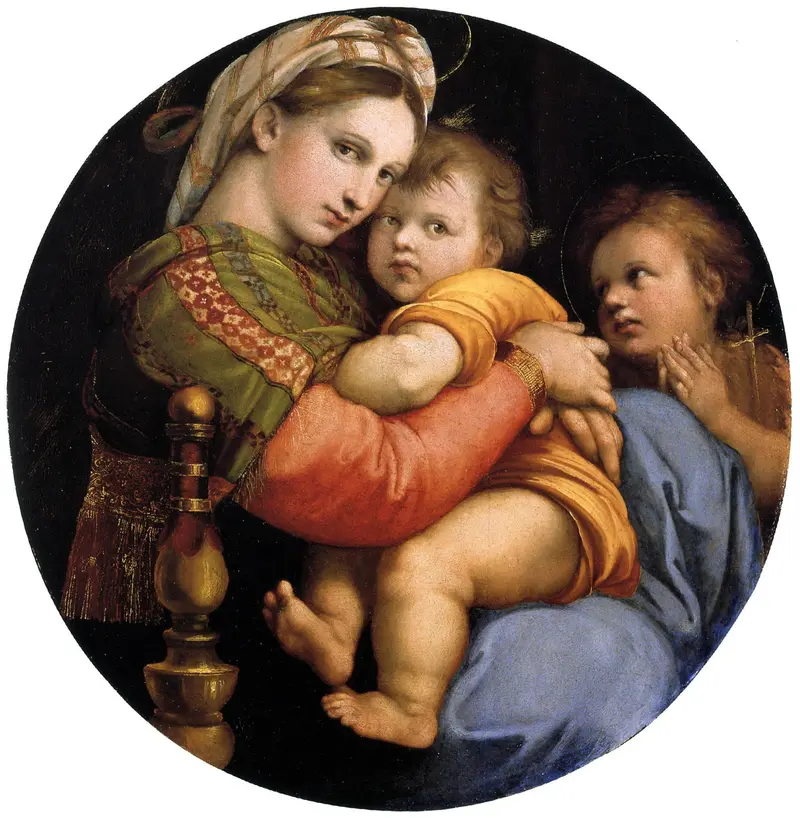
Madonna and Child (Madonna della Seggiola)
Raphael
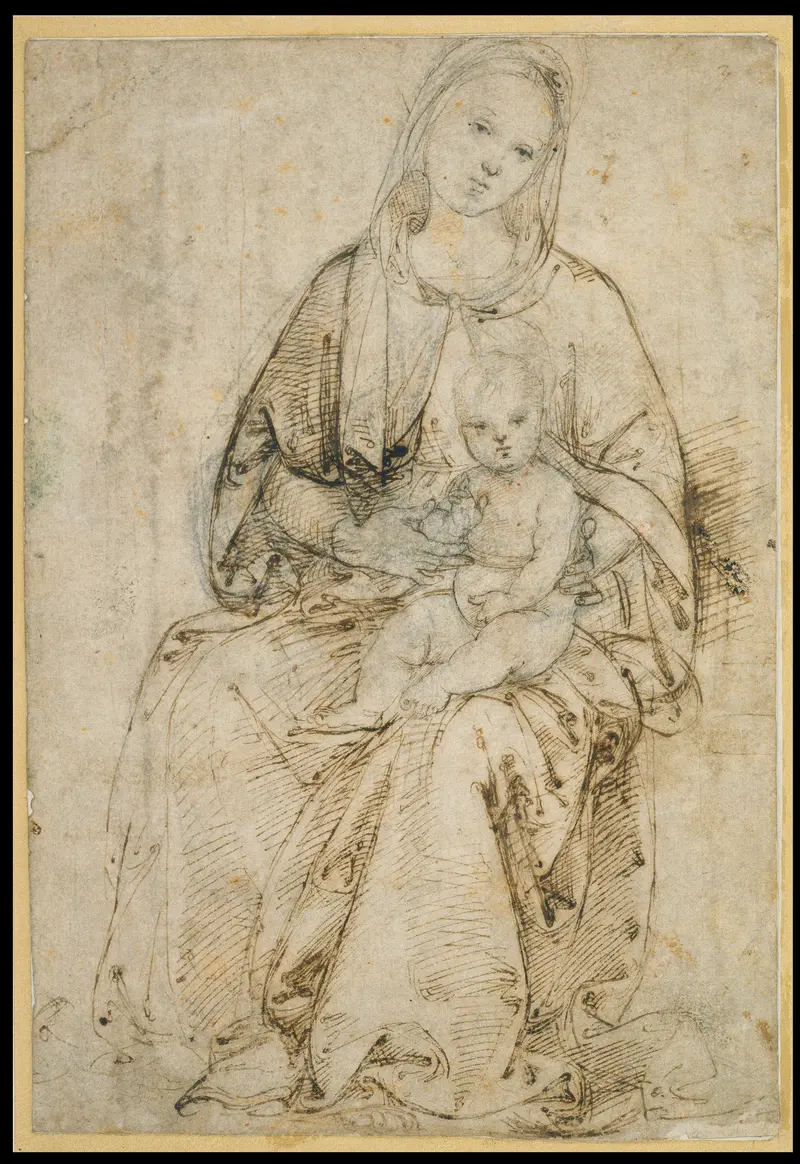
Seated Madonna and Child
Raphael
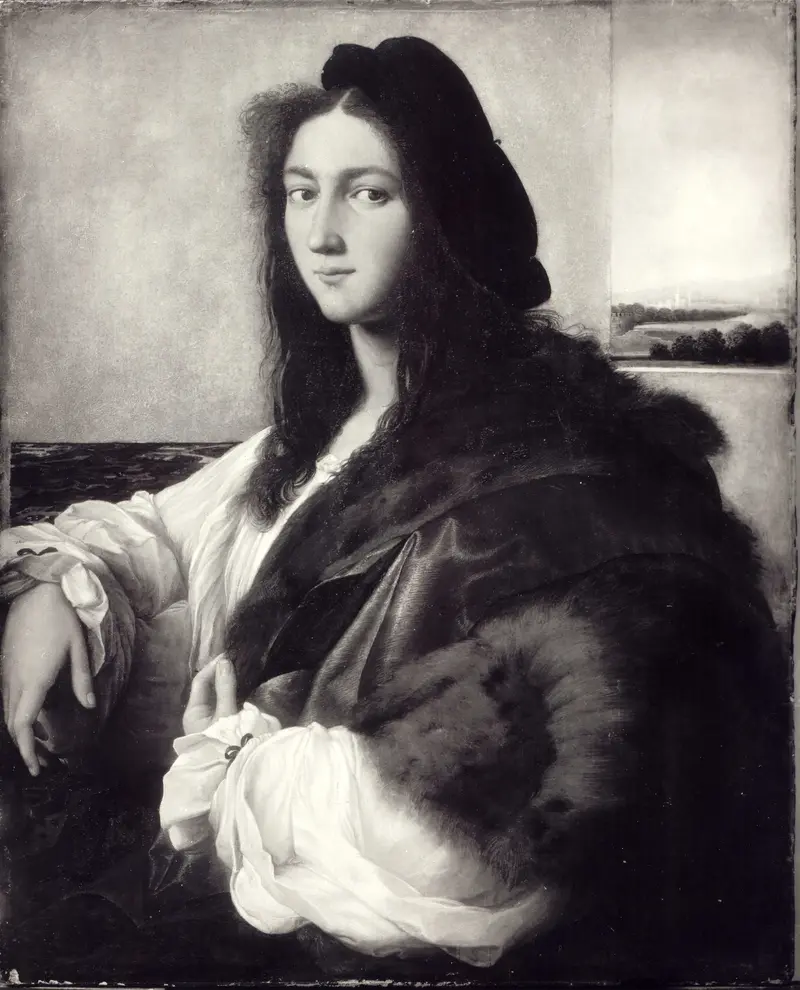
Portrait of a Young Man
Raphael
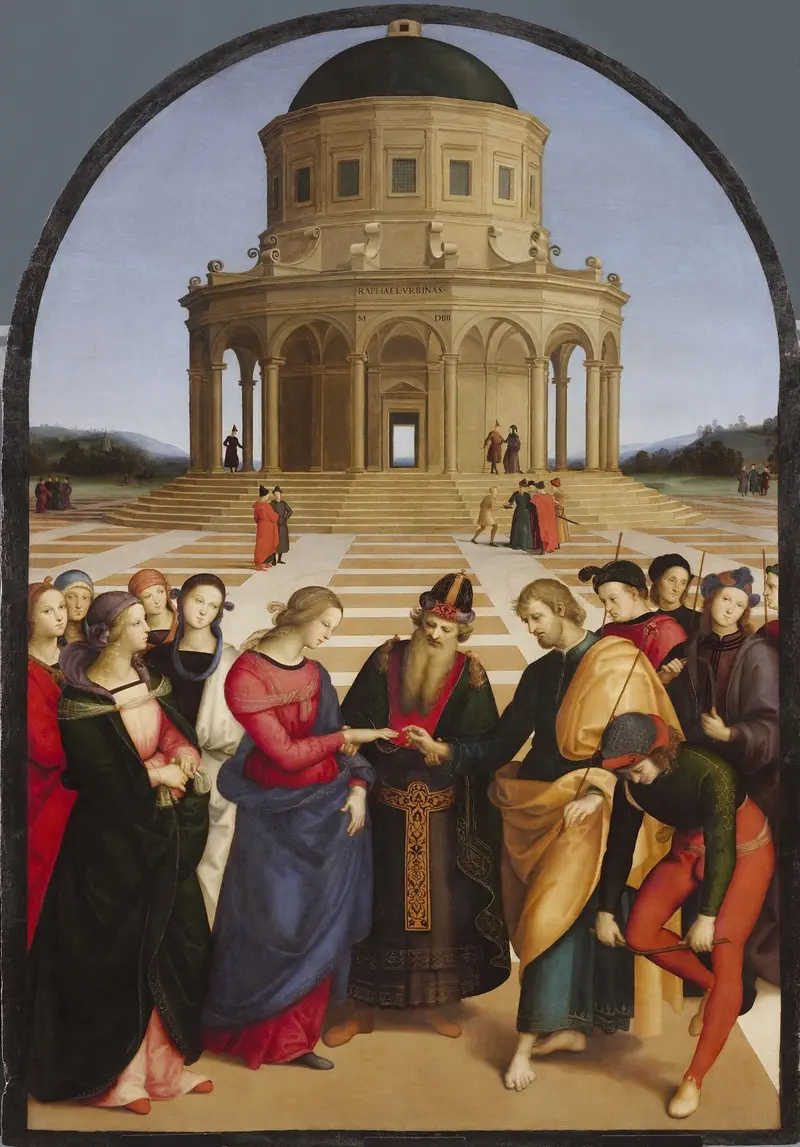
The Marriage of the Virgin
Raphael
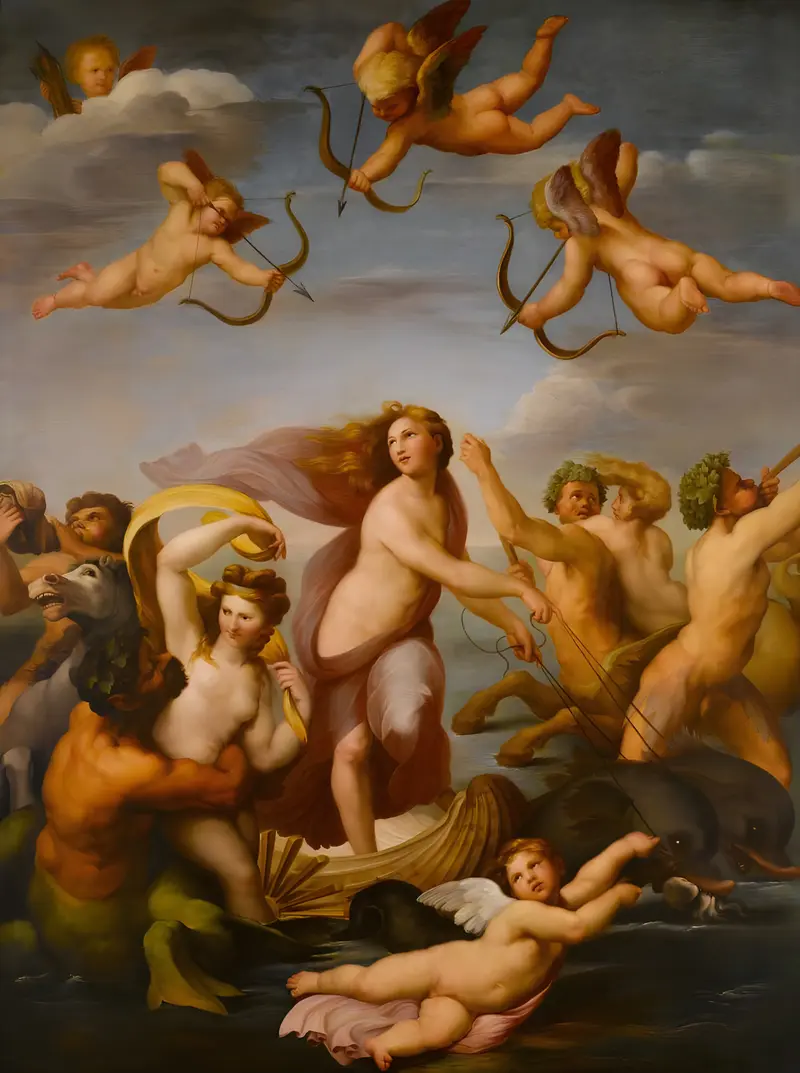
The Triumph of Galatea (copy after Raphael)
Raphael
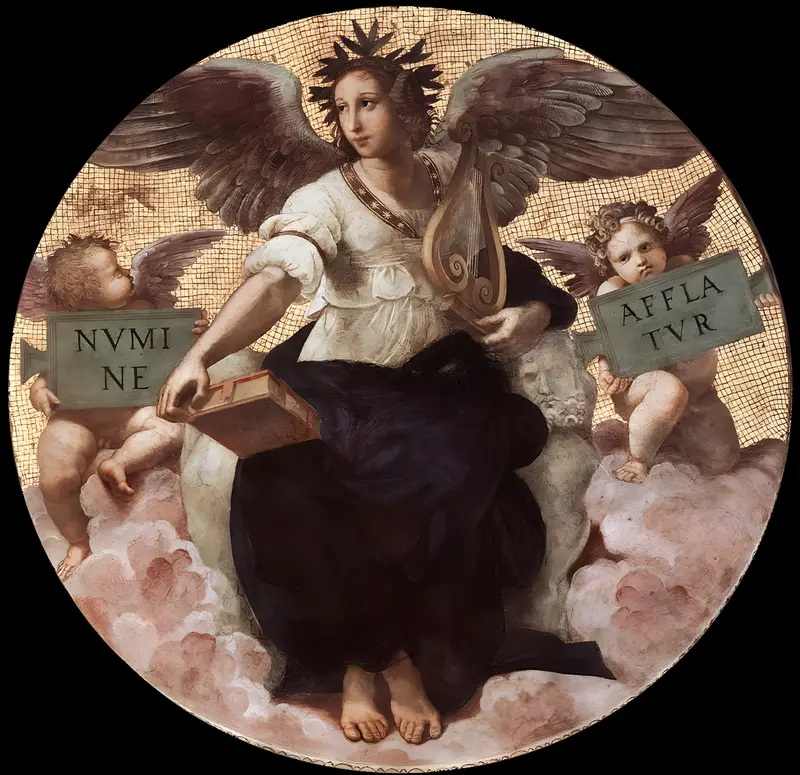
Poetry
Raphael
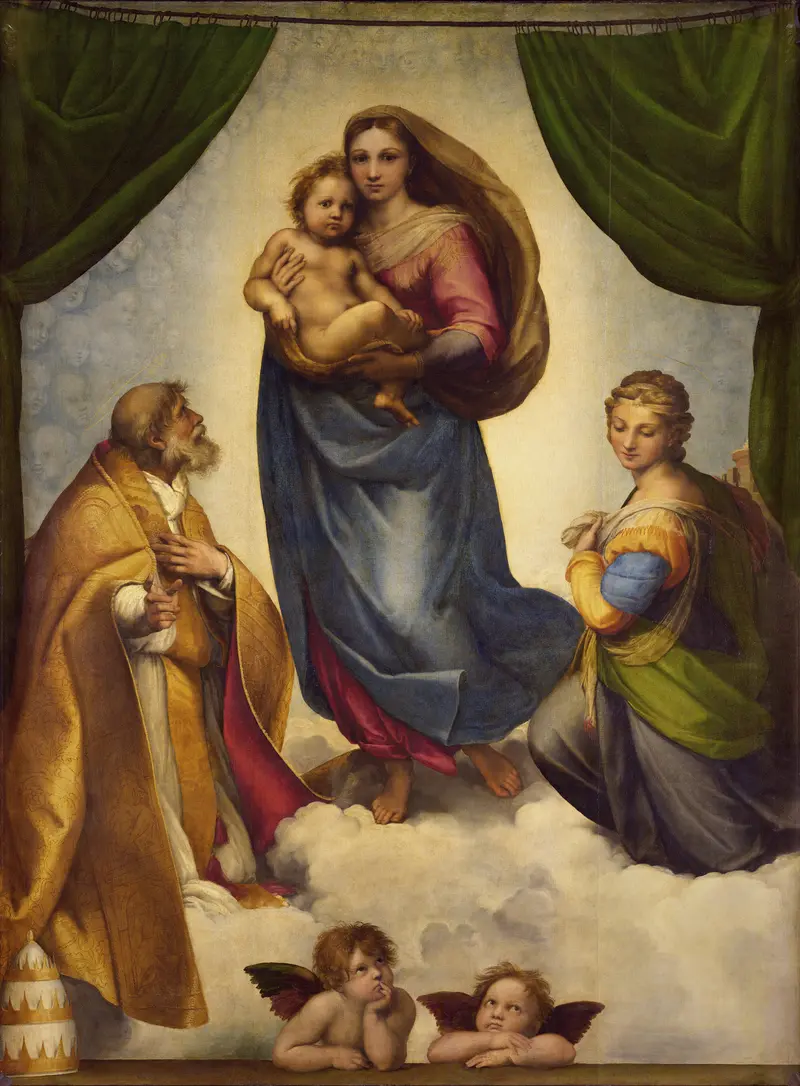
Sistine Madonna
Raphael
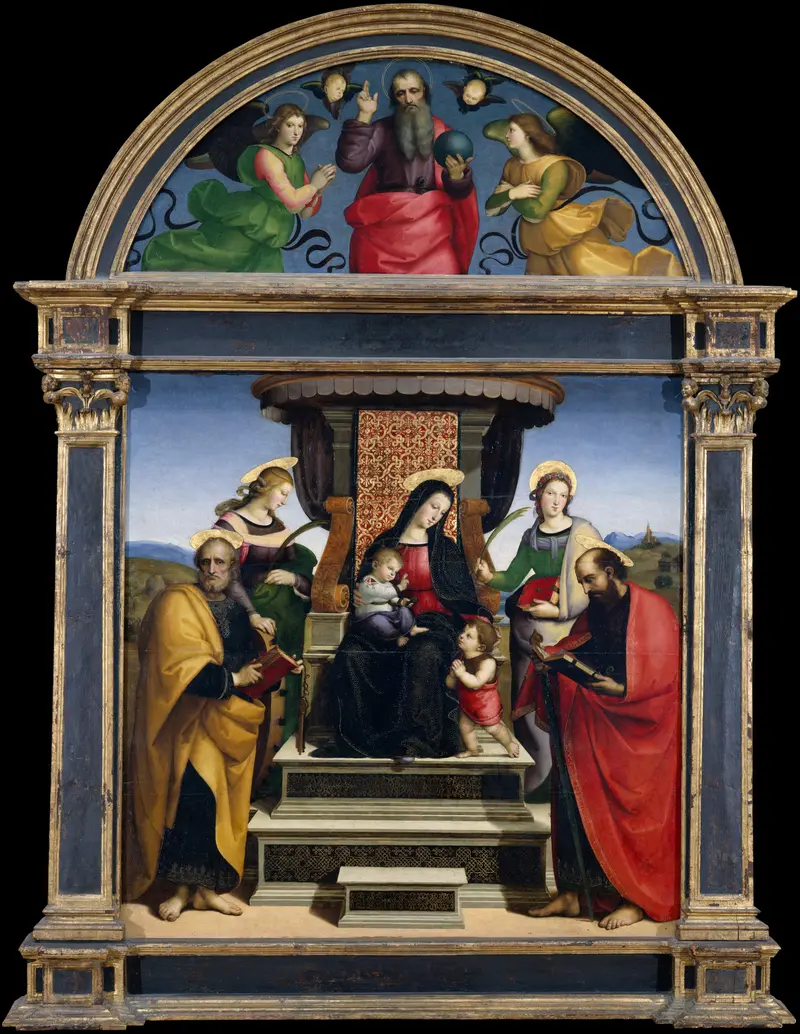
Madonna and Child Enthroned with Saints
Raphael





