
Portrait of Lubbert Adolf Torck (1687-1758) — History & Facts
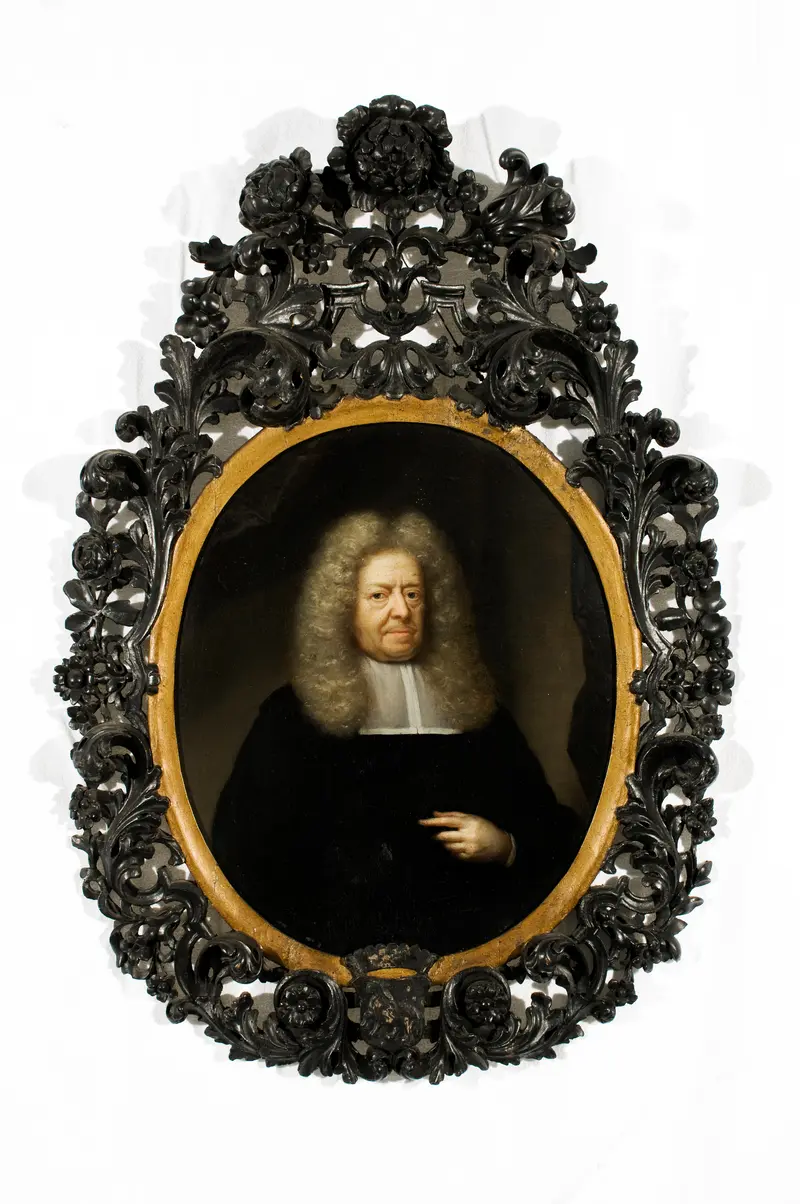
What first arrests the eye in Portrait of Lubbert Adolf Torck is the commanding directness of the sitter’s gaze, set against a dark, almost theatrical void. The light falls squarely on his face and powdered wig, drawing the viewer into a silent conversation across centuries. His hand, emerging from a swirl of deep red drapery, pauses mid-gesture—suggesting both poise and a certain self-assurance, as if he has just turned from important business to meet our eyes.
The blue sash and gold details at his collar hint at status, but it is the careful rendering of textures—crisp lace, soft velvet, flesh—that gives the portrait its quiet drama. This work, painted in 1722 by Arnold Boonen, belongs to a world where portraiture was both a declaration and a negotiation of identity. In the early eighteenth-century Dutch Republic, patrons commissioned such images to secure their place in memory and society, often displaying them in grand interiors as signs of lineage and achievement. The painting is now part of the Geldersch Landschap en Kasteelen collection, a reminder of the networks of land, power, and taste that shaped lives in this era.
History has kept few traces of Torck’s personal story, but the portrait’s presence invites us to imagine the ambitions and realities behind that steady, appraising look.
More Artworks by Arnold Boonen

Portrait of Jan van Huysum
Arnold Boonen
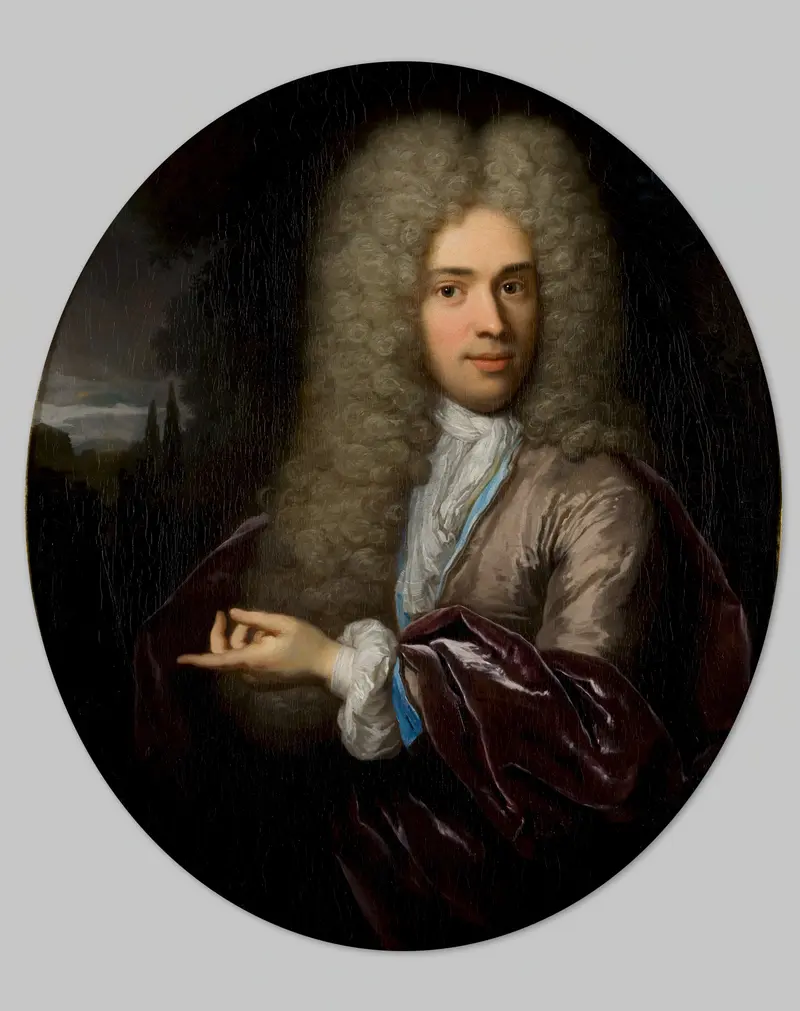
Daniël Deutz
Arnold Boonen
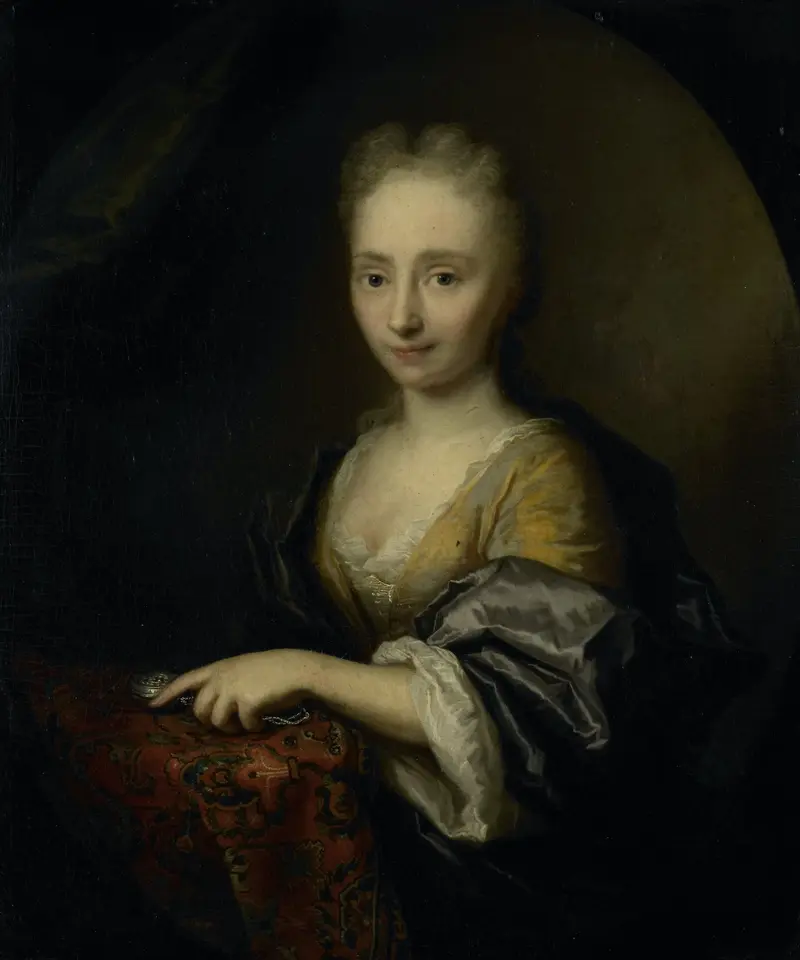
Portrait of a Woman SK-A-
Arnold Boonen
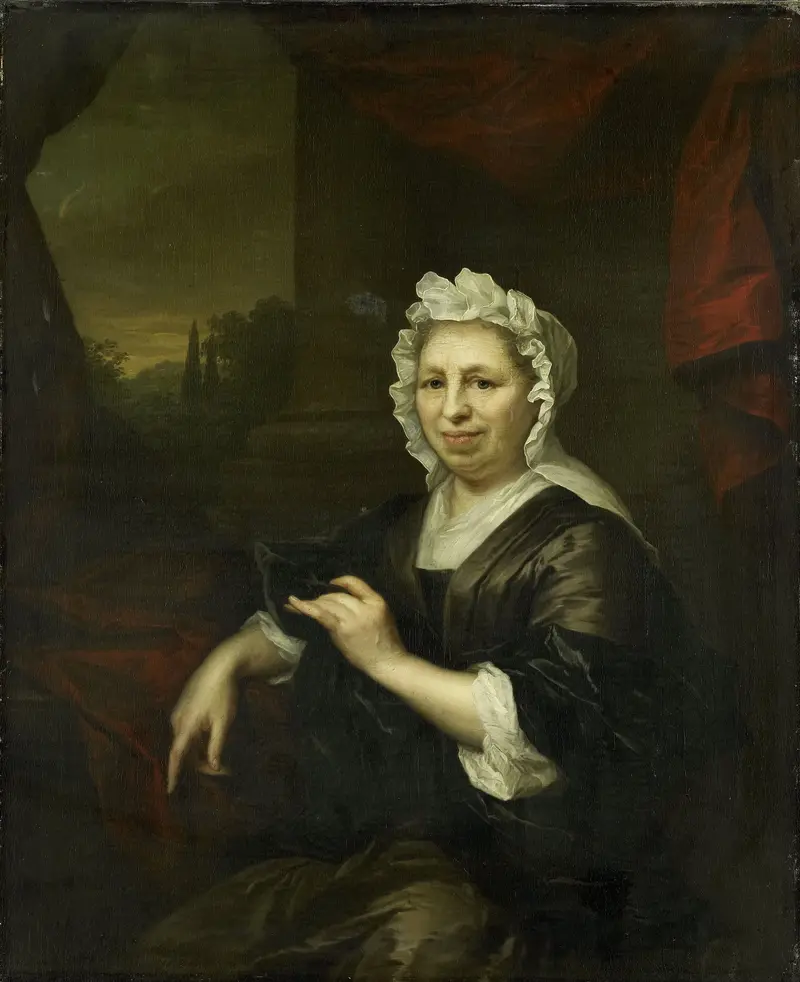
Portrait Brechje Hooft (1640-1721). Widow of Harmen van de Poll
Arnold Boonen
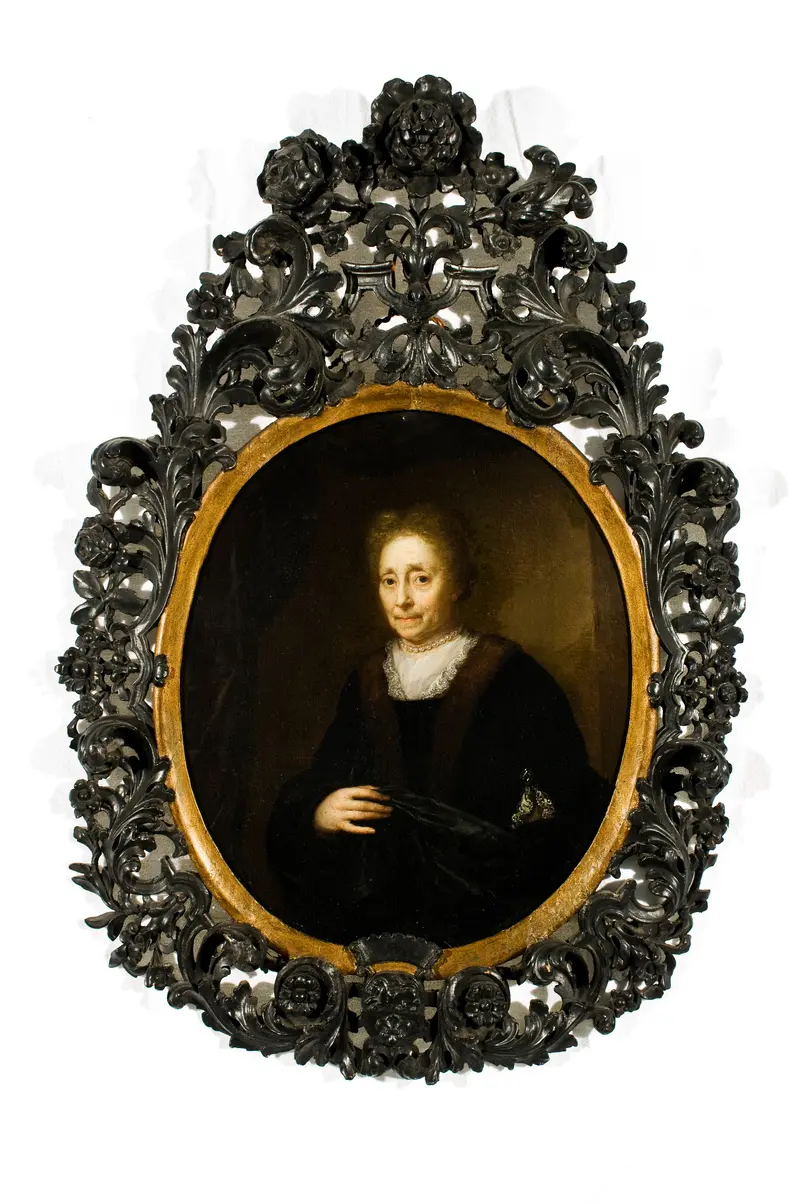
Portret van Elisabeth Schaep van Strijen, echtgenote van Mr. Pieter Schaep DM 011 980 Dordrechts Museum
Arnold Boonen
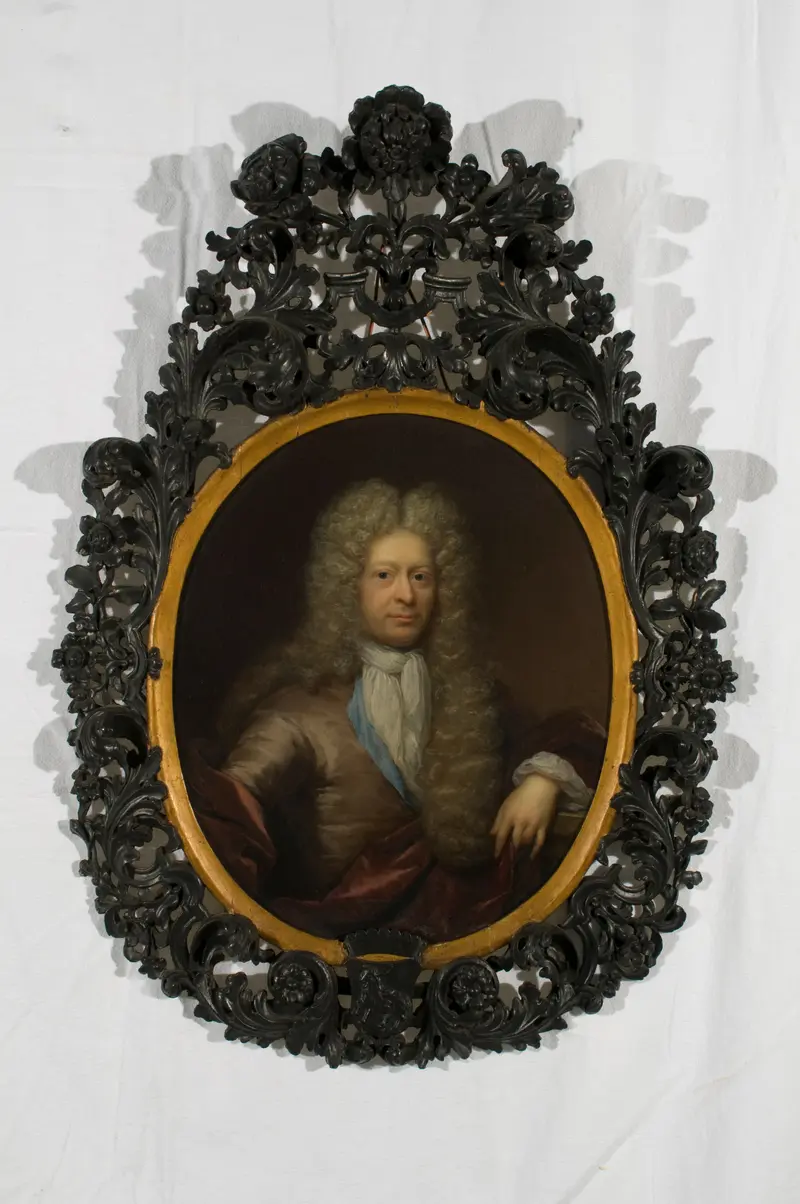
Portret van Mr Reynier Schaep DM 011 981 Dordrechts Museum
Arnold Boonen
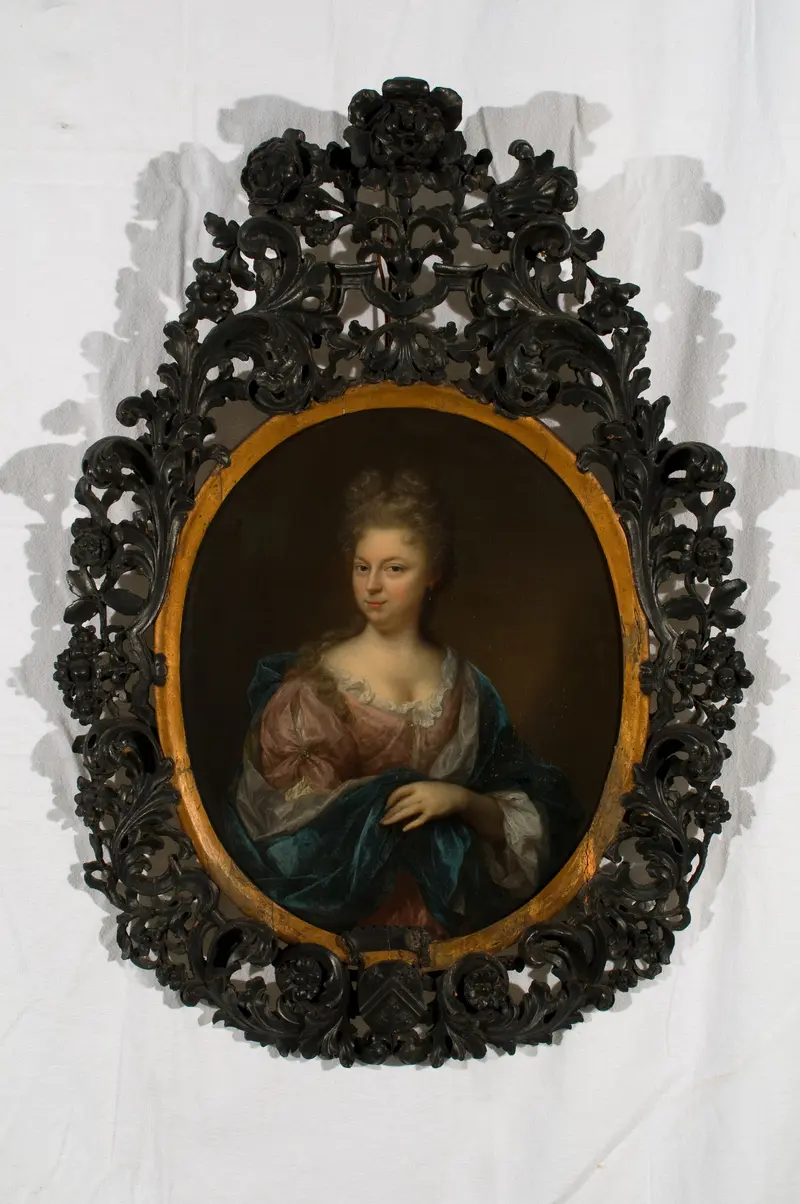
Portret van Eva Maria Muilman DM 011 982 Dordrechts Museum
Arnold Boonen
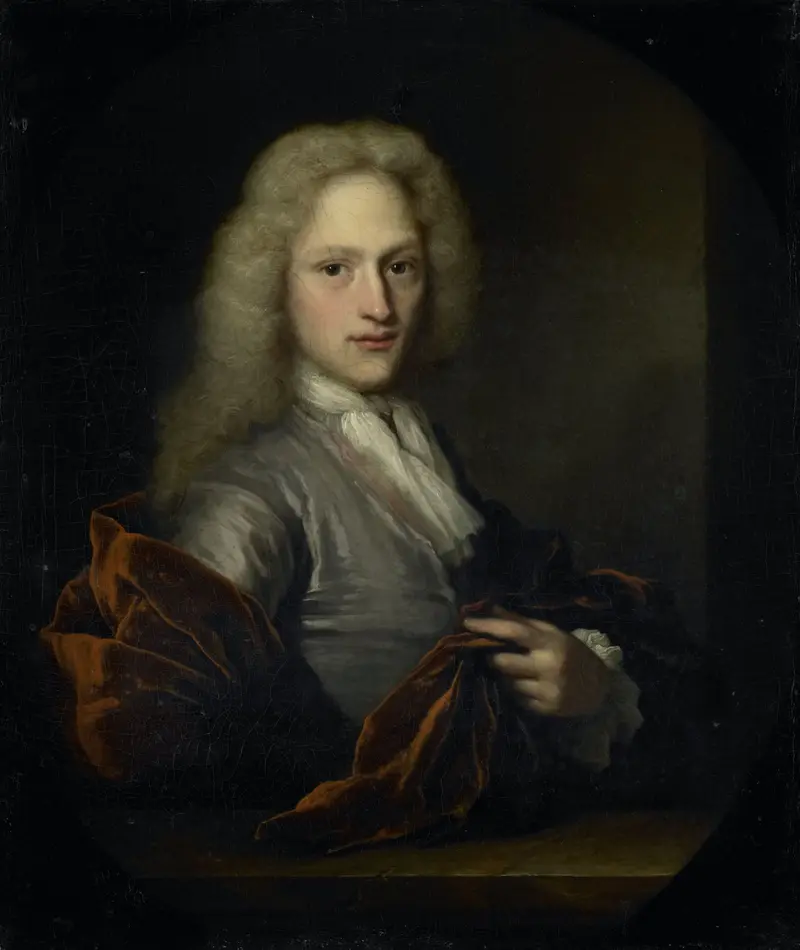
Portrait of a Man SK-A-
Arnold Boonen
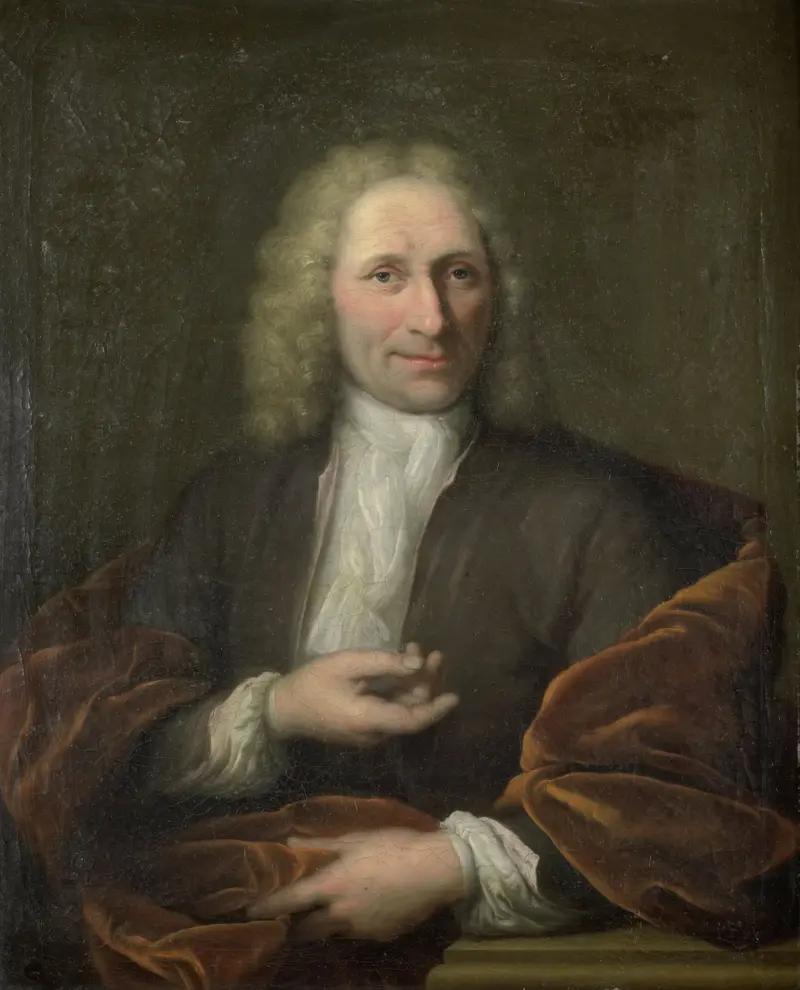
Portrait of a Man
Arnold Boonen
Portret van Mr. Pieter Schaep DM 011 979 Dordrechts Museum
Arnold Boonen





