
Portrait of Madame de Flesselles — History & Facts
What first draws the eye in Portrait of Madame de Flesselles is the sitter’s calm, assured gaze, meeting the viewer with a gentle confidence that seems both personal and theatrical. Her pale skin glows against the deep green drapery that swirls around her, as if she has just emerged from a myth or allegory rather than a Parisian salon. The artist, Jean-Marc Nattier, frames her in a lush, almost dreamlike landscape, with reeds and flowing water at her side, and a classical urn spilling its contents as a subtle nod to abundance or perhaps to the sitter’s own cultivated persona.
Every fold of fabric and glint of her pearl necklace is rendered with a precision that invites the eye to linger, suggesting both luxury and ease. This kind of portrait was the currency of status and taste in mid-eighteenth-century France, a time when the court and its imitators commissioned likenesses that flattered as much as they recorded. Nattier was celebrated for transforming his sitters into mythological or allegorical figures, blurring the line between reality and ideal. The world that produced this painting was one of shifting roles for women of rank, who used portraiture to shape their public image as much as their private memory.
While little is documented about this particular work’s journey, we know it was recorded in a private collection as of late 2016—history has kept few traces, but the painting itself remains a vivid testament to the aspirations and artistry of its time. Look again at the way her hand rests on the urn: it is a gesture at once composed and symbolic, inviting us to imagine the stories behind the sitter’s serene façade.
More Artworks by Jean-Marc Nattier

Madame Crozat de Thiers and Her Daughter
Jean-Marc Nattier
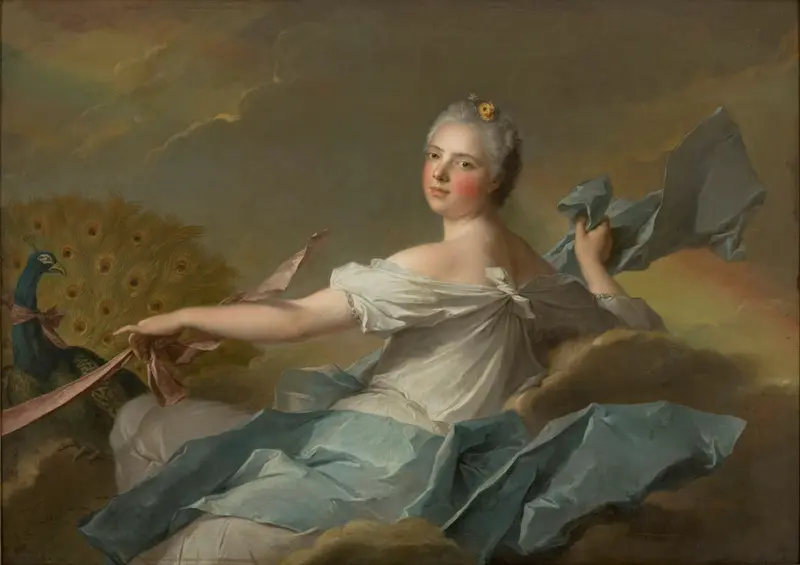
Princess Marie Adélaïde of France - The Air
Jean-Marc Nattier
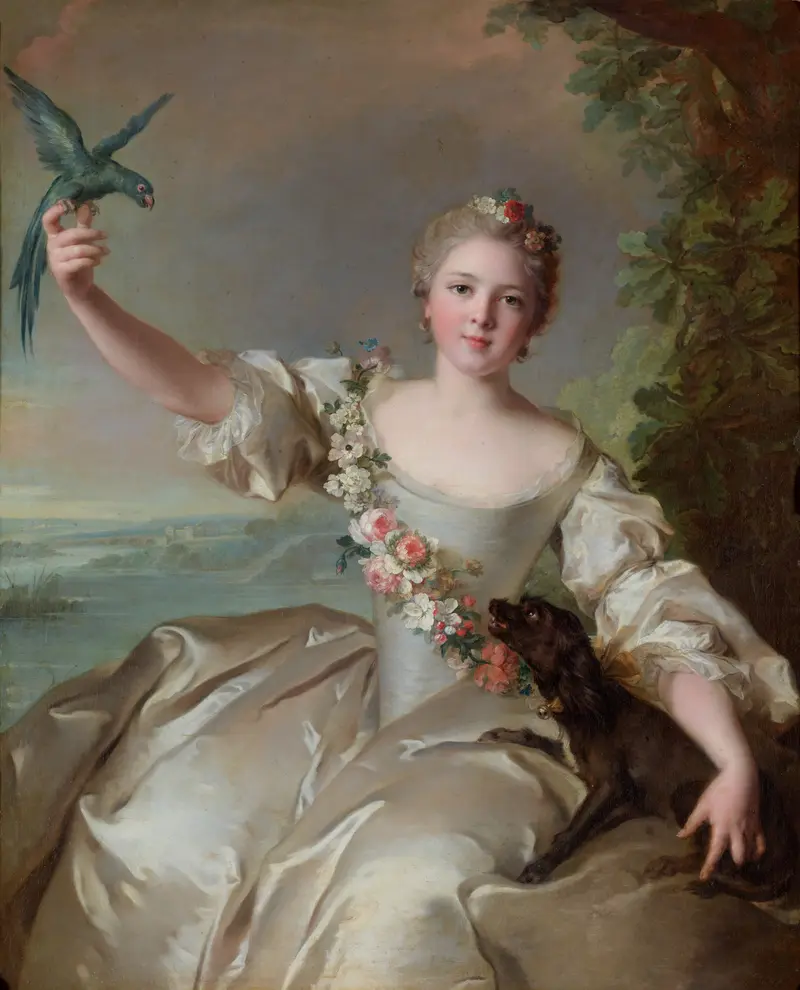
Portrait de Mathilde de Canisy, marquise d'Antin
Jean-Marc Nattier
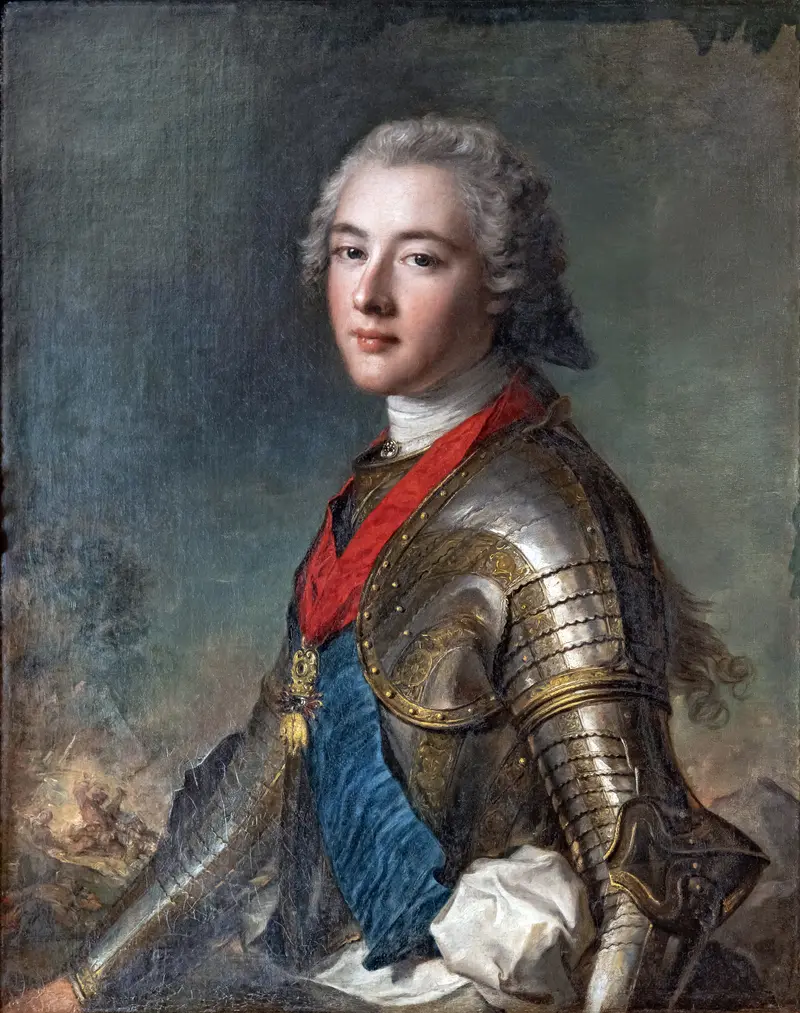
Bemberg Fondation Toulouse - Portrait de Louis Jean Marie de Bourbon, Duc de Penthièvre - Jean Marc Nattier inv.1158 82x65.4
Jean-Marc Nattier
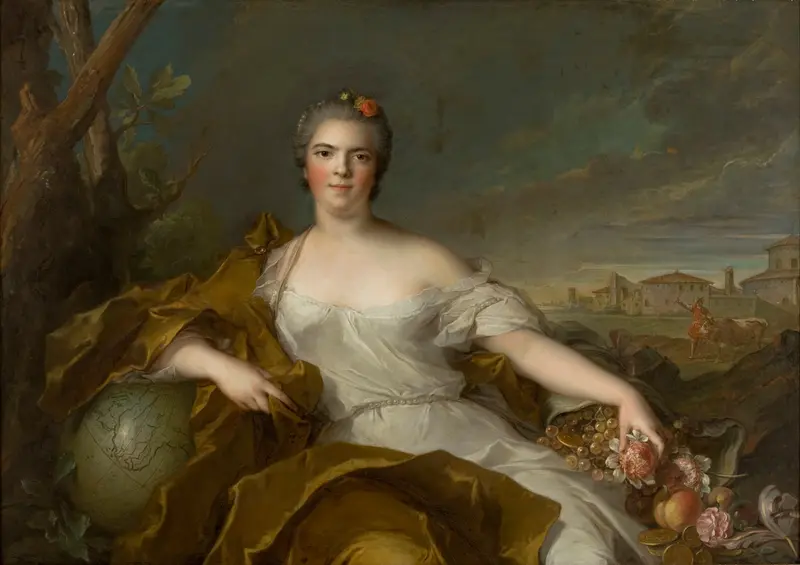
Princess Louise-Élisabeth of France - The Earth
Jean-Marc Nattier
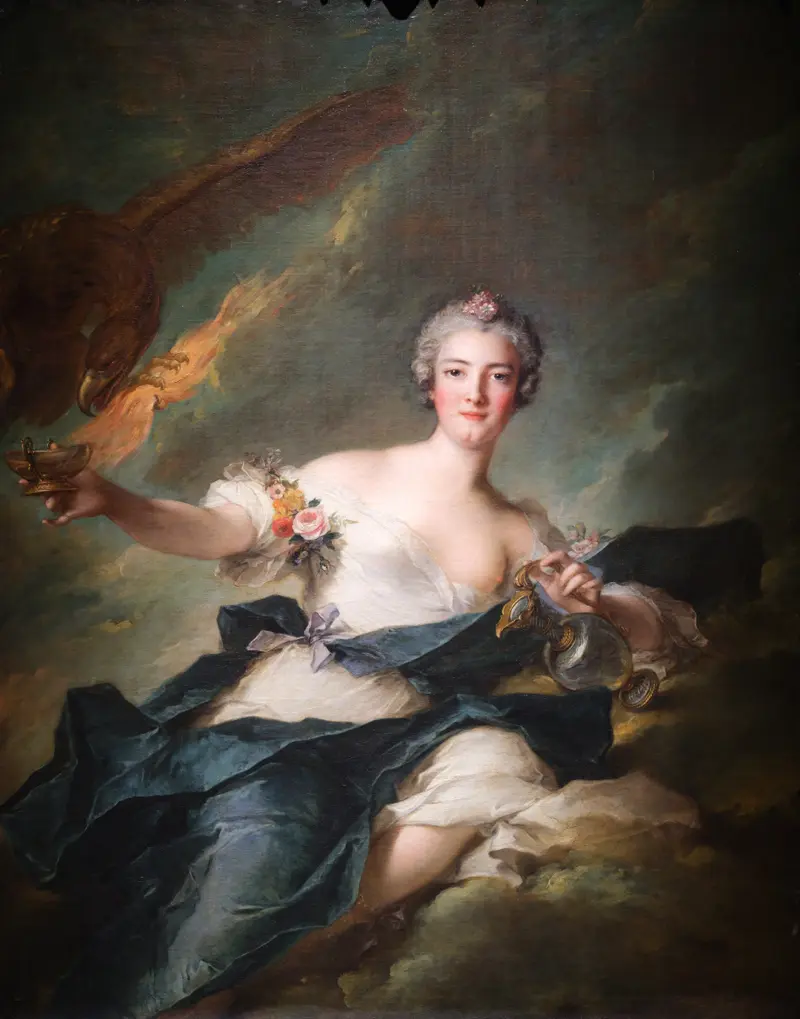
The Duchess of Chaulnes Represented as Hebe
Jean-Marc Nattier
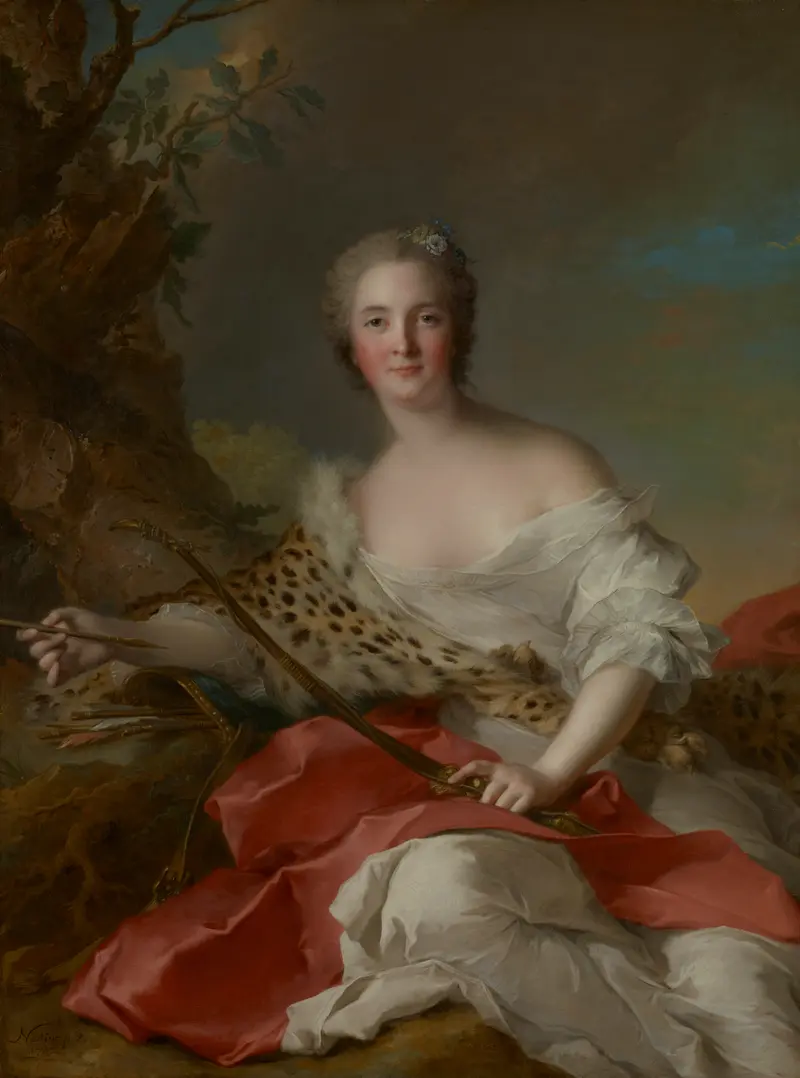
Portrait of Madame Bonnier de la Mosson as Diana (Constance-Gabrielle-Magdeleine du Monciel de Lauraille
Jean-Marc Nattier
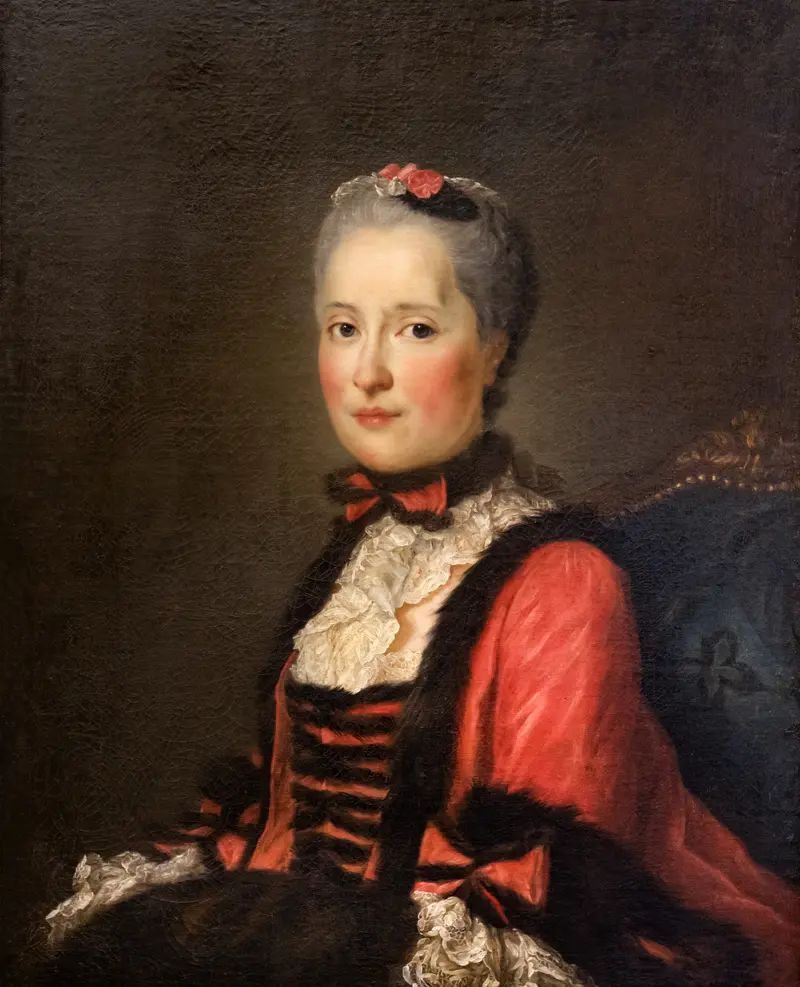
Portrait of Marie-Josephe of Saxony, Dauphine of France
Jean-Marc Nattier
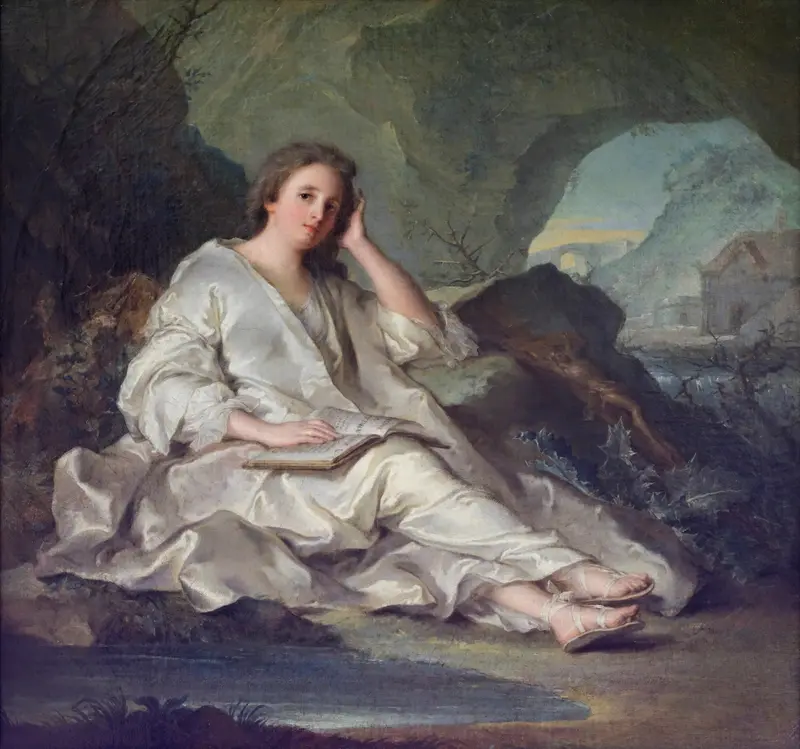
La Madeleine, ou Une Pénitente dans le désert Musée du Louvre Peintures INV 6880 ; MR
Jean-Marc Nattier
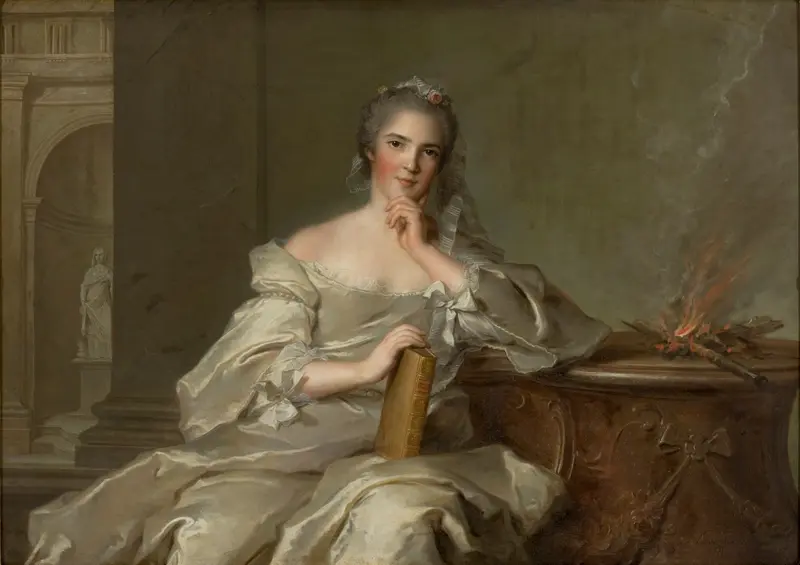
Princess Anne-Henriette of France - The Fire
Jean-Marc Nattier





