
Portrait of Margaret of Parma — History & Facts
What first catches the eye here is not just the richness of the costume, but the poised self-possession of the sitter. The woman’s gaze is steady, her lips pressed in a faint, knowing smile. Gold threads spiral around her sleeves, catching the light and drawing your attention to her hands—one delicately gloved, the other bare, resting with practiced ease.
The black velvet of her overdress, patterned with golden rosettes, signals both wealth and a certain restraint, while the lace-edged ruff frames her face with a crisp precision. In the upper left, a coat of arms floats against the plain background, quietly announcing her rank. This is a portrait from the world of mid-16th-century European courts, where power was as much a matter of image as of bloodline. Painted around 1559, and now in the Philadelphia Museum of Art, the work belongs to a tradition where rulers and high nobility commissioned likenesses to assert their authority and lineage.
The sitter, Margaret of Parma, was duchess and governor—a woman whose life unfolded at the crossroads of dynastic ambition and political intrigue. Portraits like this, especially by artists such as Antonis Mor, were more than personal mementos: they were statements to be read by rivals and allies alike. Look again at her expression; it invites you to wonder what secrets and strategies might be concealed behind that composed exterior.
More Artworks by Antonis Mor

Portrait of a Man
Antonis Mor
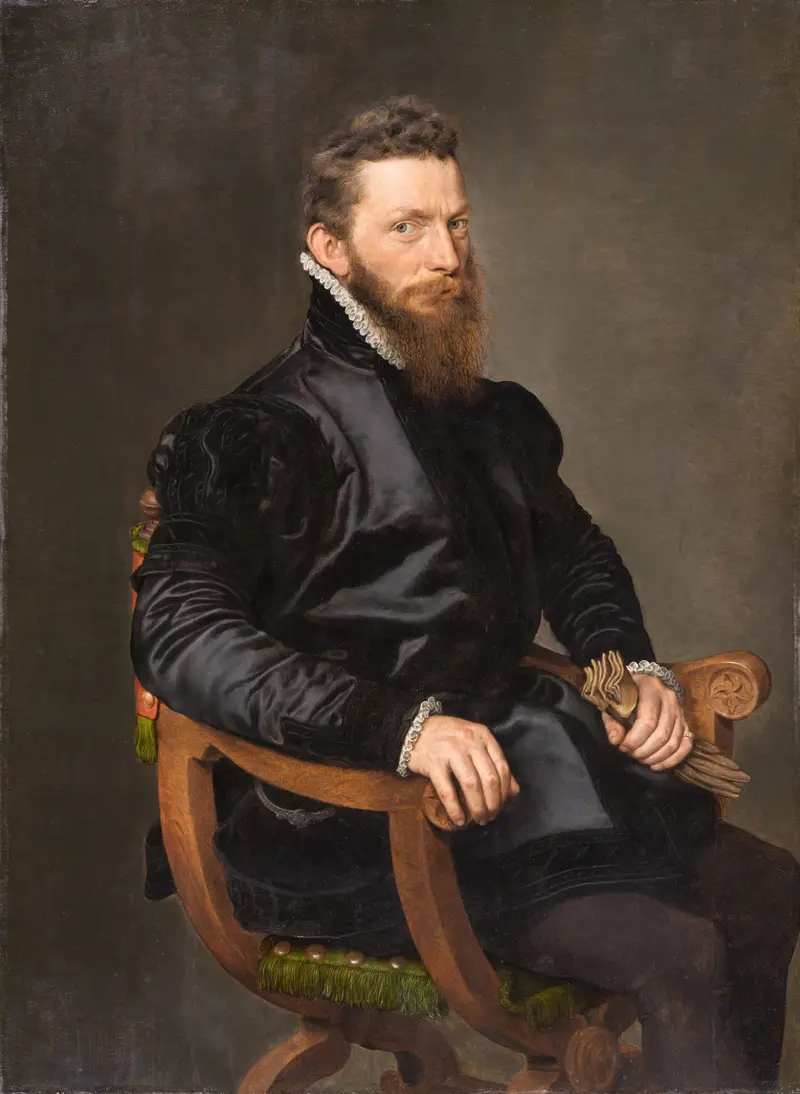
Portrait of a Gentleman
Antonis Mor
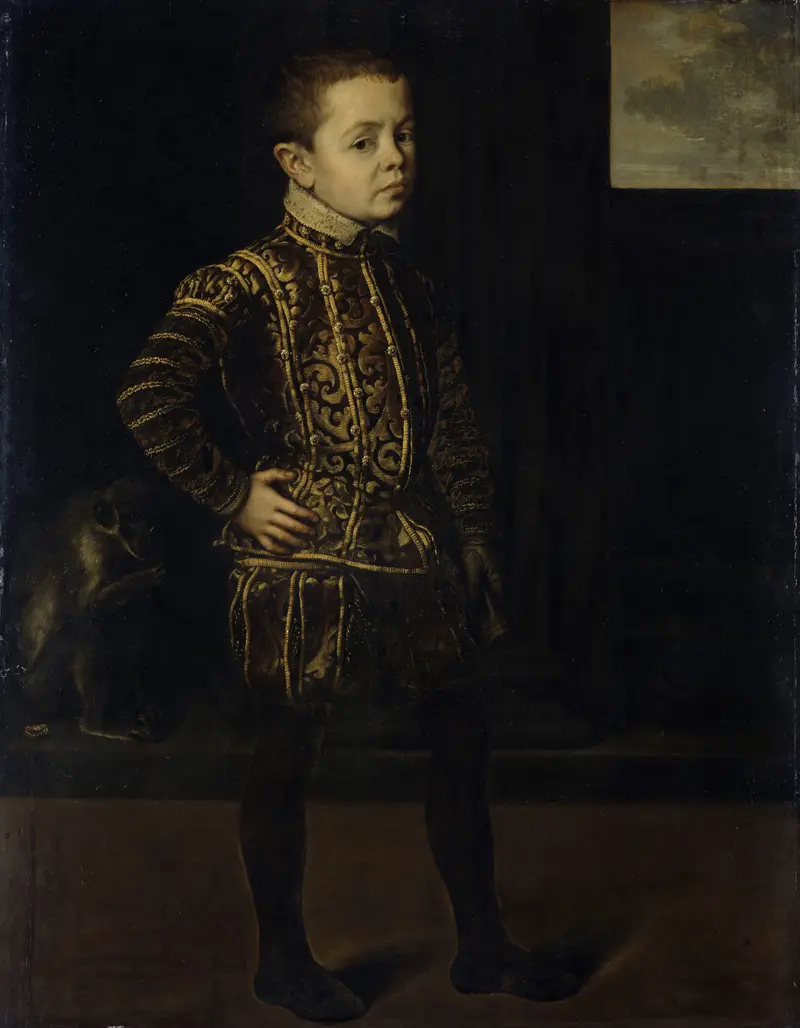
Portrait of a young prince
Antonis Mor
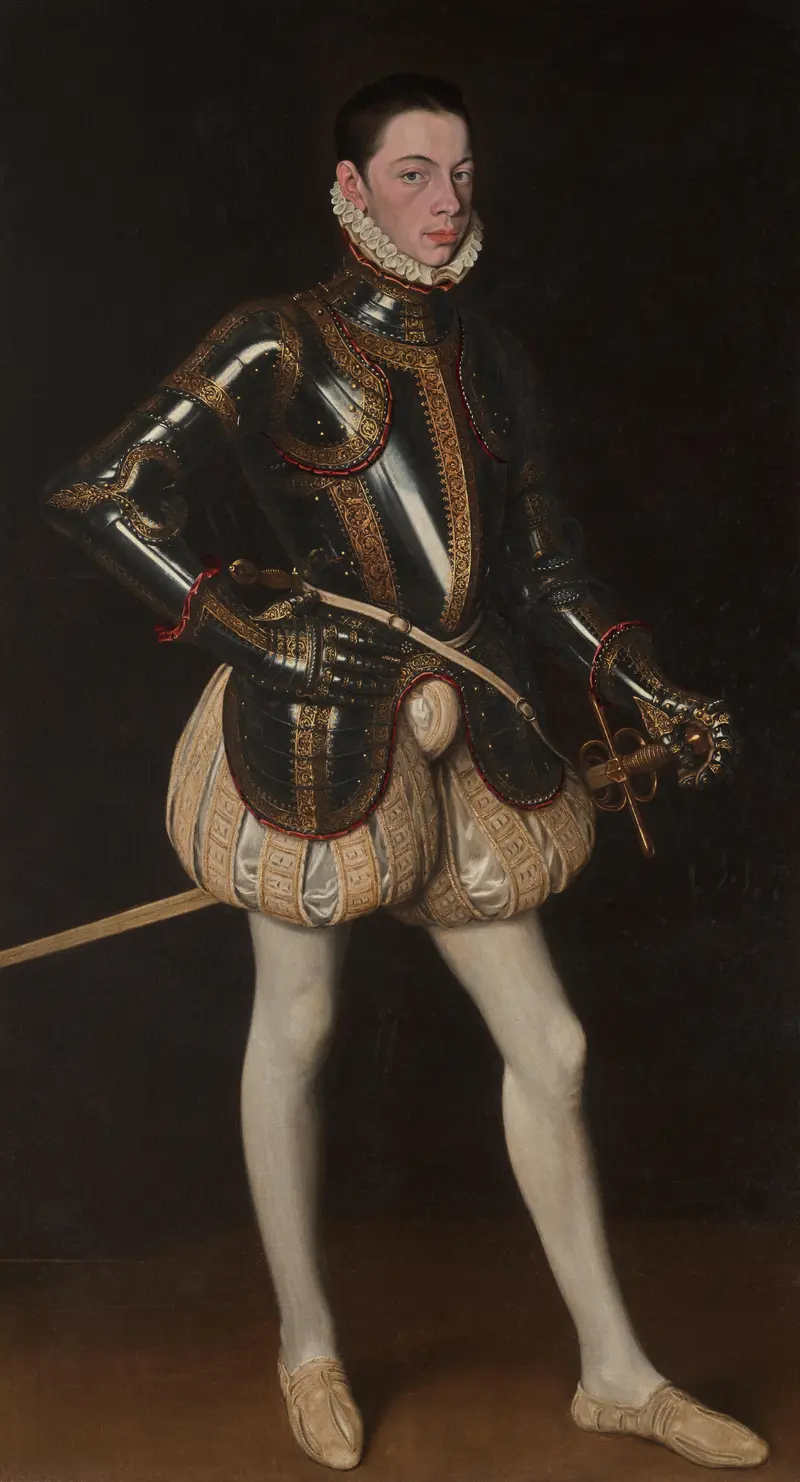
Alessandro Farnese in Armor
Antonis Mor
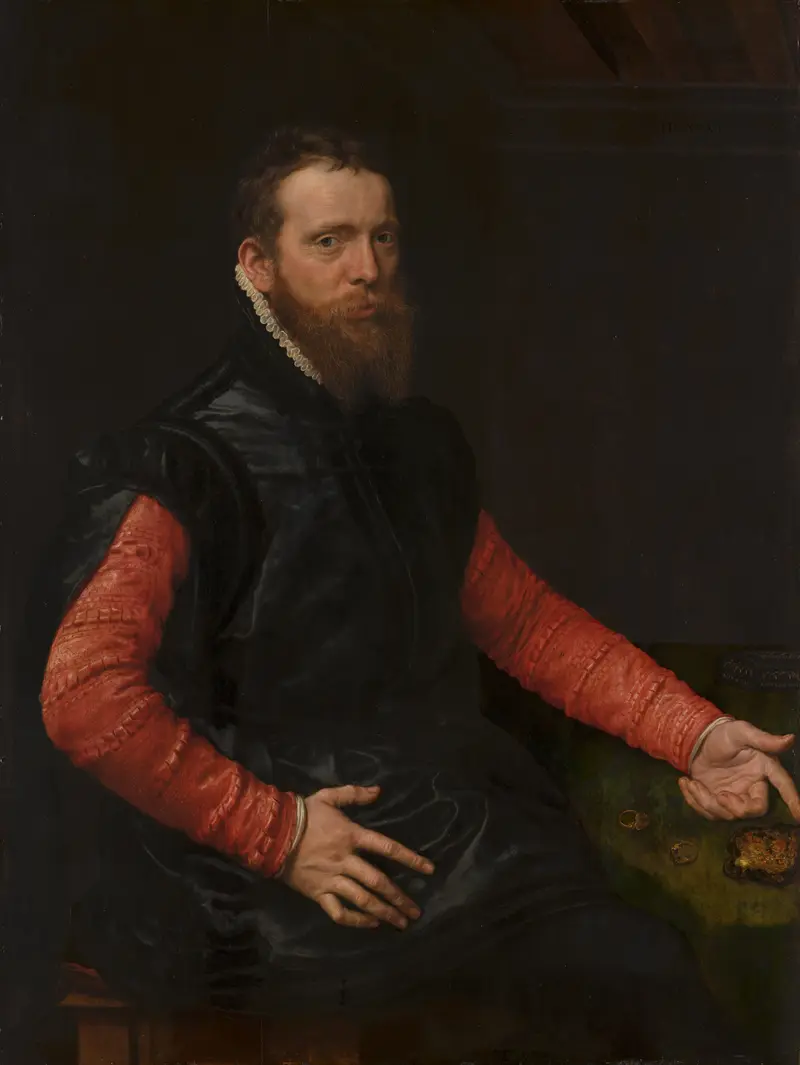
Steven van Herwijck
Antonis Mor
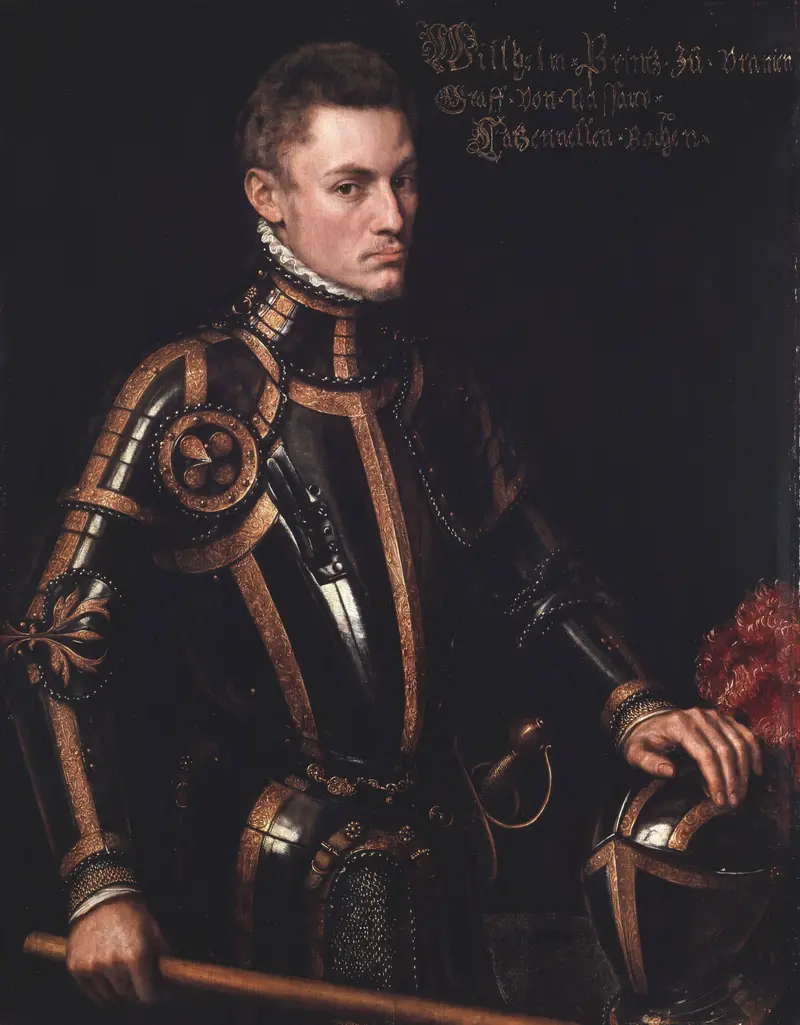
Portrait of William I of Nassau
Antonis Mor
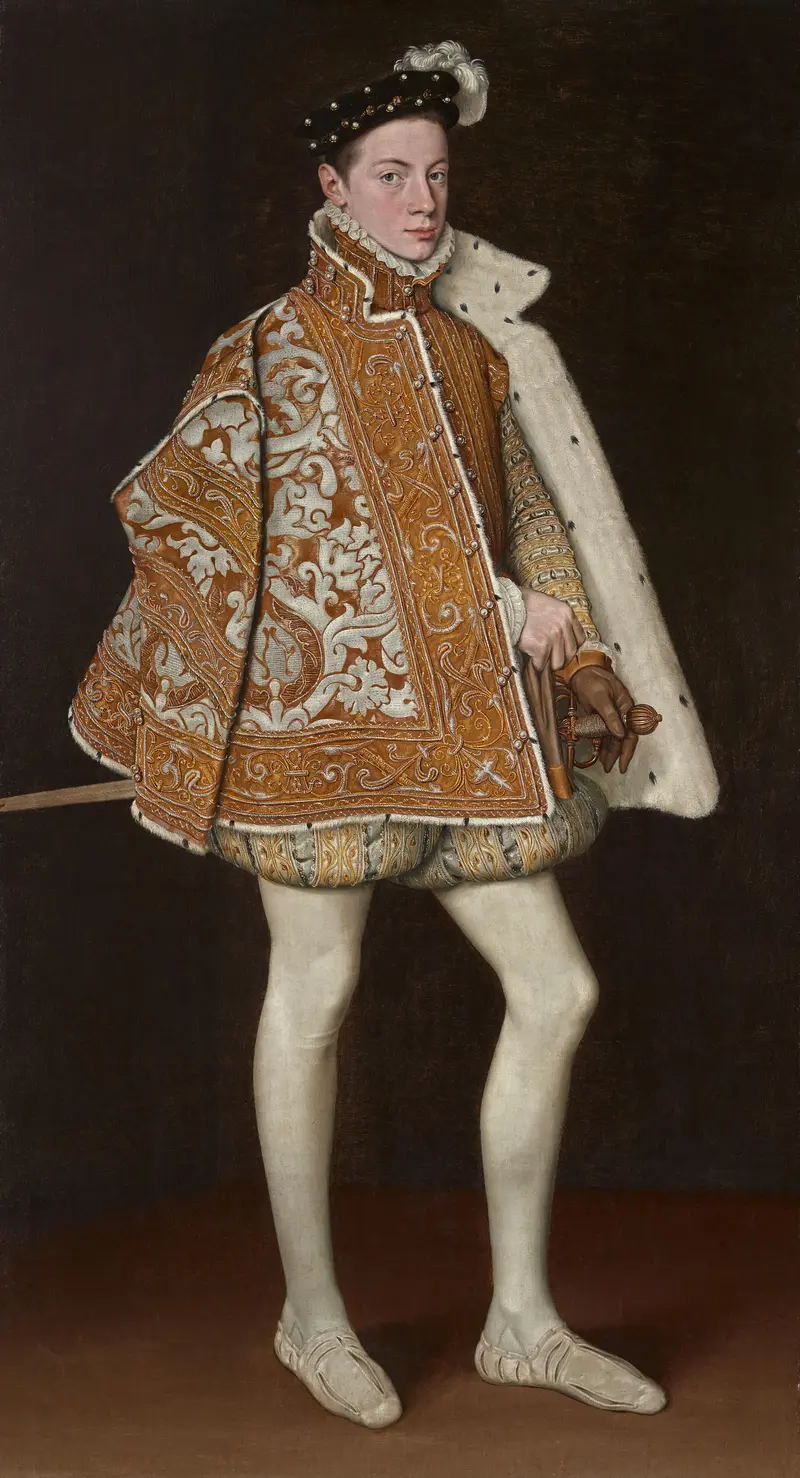
Portrait of Alessandro Farnese in Cape and Black Cap
Antonis Mor
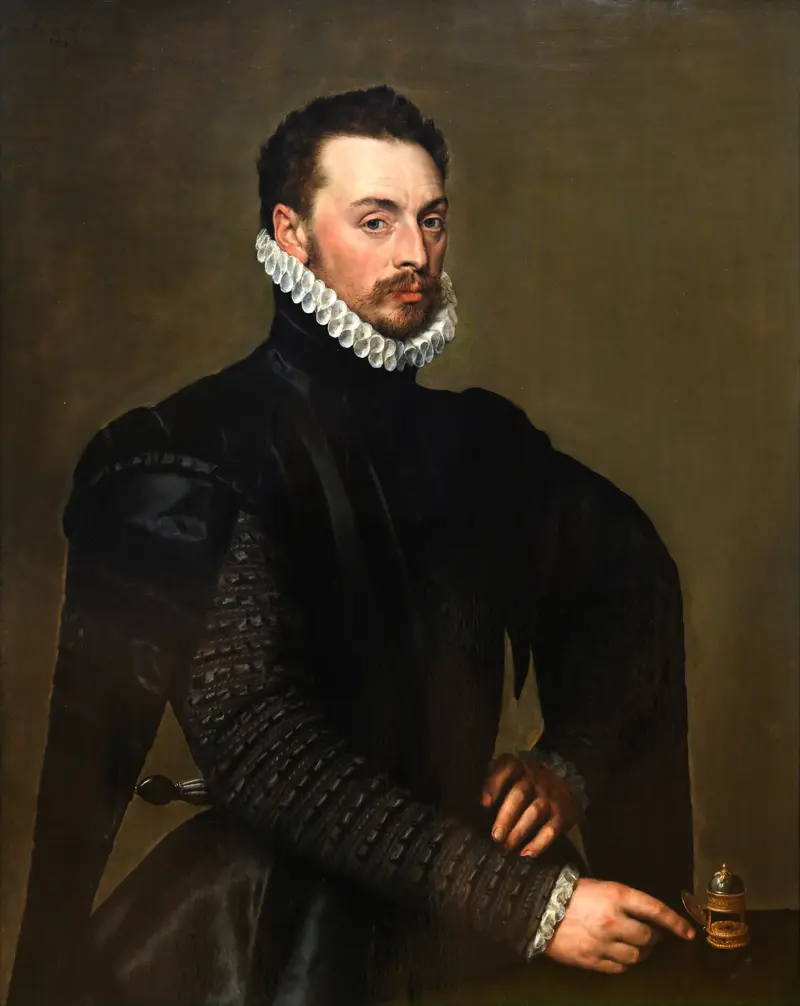
Portrait d'homme désignant une pendule Antonio Moro Musée du Louvre Peintures INV 1582 ; MR 880
Antonis Mor
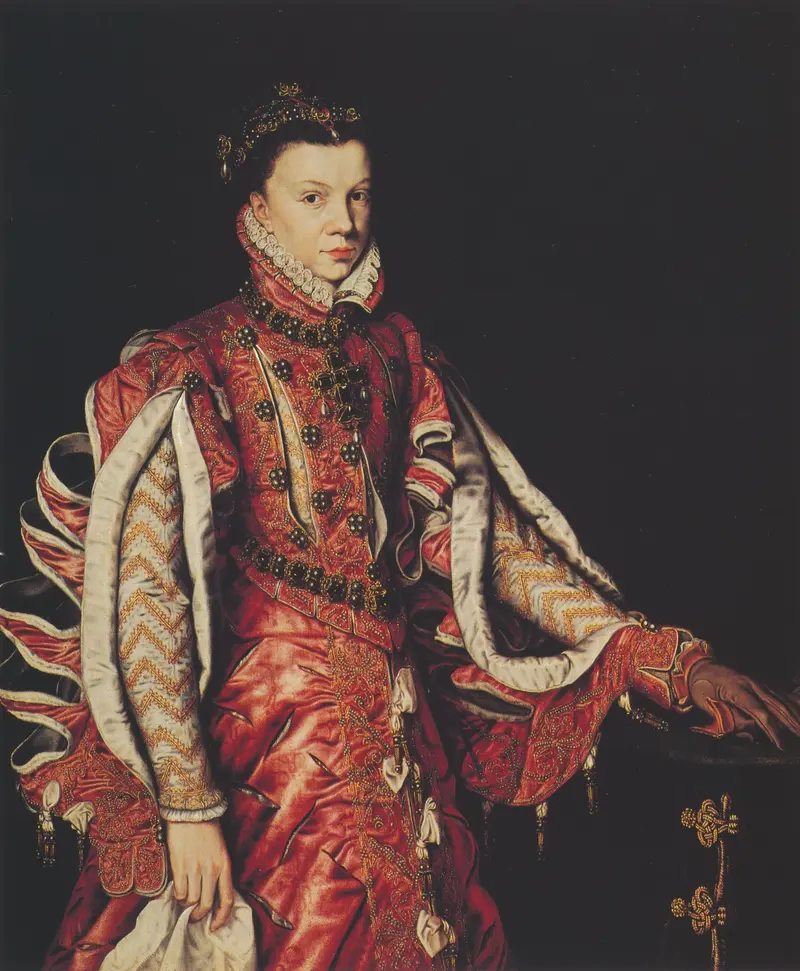
Portrait of Elisabeth of Valois, third wife of King Philip II of Spain
Antonis Mor
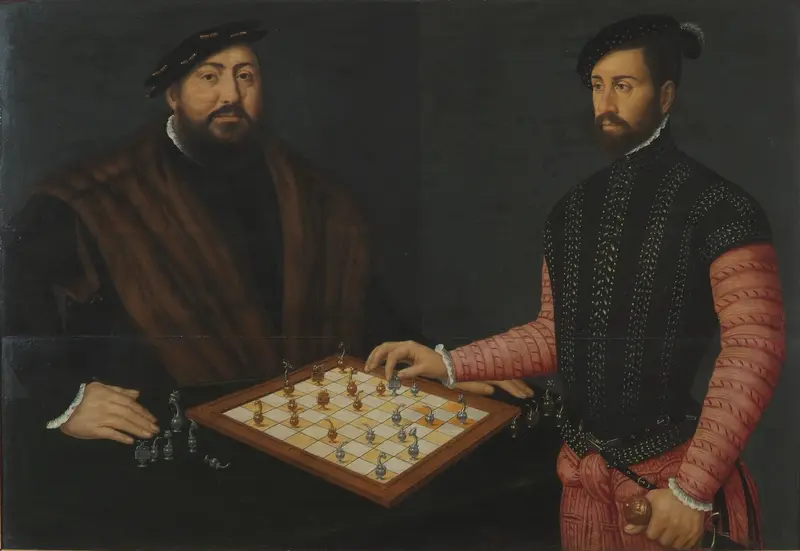
Von Sachsen vs. a Spaniard
Antonis Mor





