
Portrait of Michael Tarchaniota Marullus — History & Facts
Few portraits from Renaissance Florence hold as much mystery as Portrait of Michael Tarchaniota Marullus by Sandro Botticelli. The sitter, Michael Marullus, was a celebrated Greek humanist and poet who fled the fall of Constantinople and became a fixture in the intellectual circles of Italy. Scholars have long debated whether this work truly captures Marullus himself—no contemporary descriptions survive, and the painting’s attribution to Botticelli has sometimes been questioned, yet its style and psychological intensity are unmistakably Florentine, circa 1497. The portrait presents Marullus at a moment of introspection, his gaze turned away from the viewer, suggesting a mind occupied by distant thoughts or memories.
His features are sharply defined, the lips set with determination, echoing his reputation as both a soldier and a scholar. The dark background isolates the sitter, focusing attention on the expressive face and the elegant drape of his clothing, which hints at both his Greek heritage and his integration into Italian society. Unlike Leonardo da Vinci’s more enigmatic Portrait of a Musician, Botticelli here seems intent on conveying the inner resolve of a man shaped by exile and ambition. The painting’s early history is shrouded in uncertainty; no contemporary records mention its commission, and its provenance before the 19th century is unclear.
What is certain is that by the late 1800s, the portrait was recognized as a work of the Florentine Renaissance and attributed to Botticelli, though some have suggested it may be the product of his workshop. Today, Portrait of Michael Tarchaniota Marullus is valued as a rare glimpse into the world of Renaissance humanism, capturing the intellectual ferment and personal drama of a generation caught between worlds.
More Artworks by Sandro Botticelli
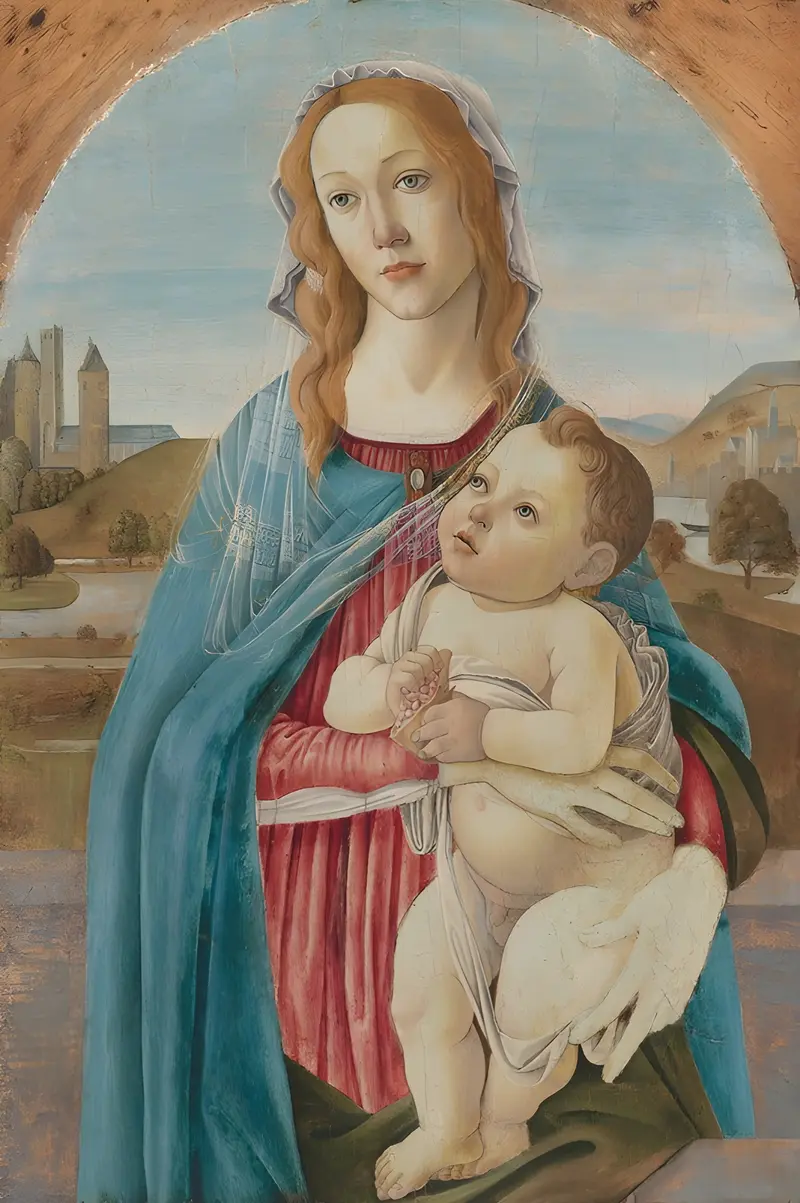
Virgin and Child
Sandro Botticelli
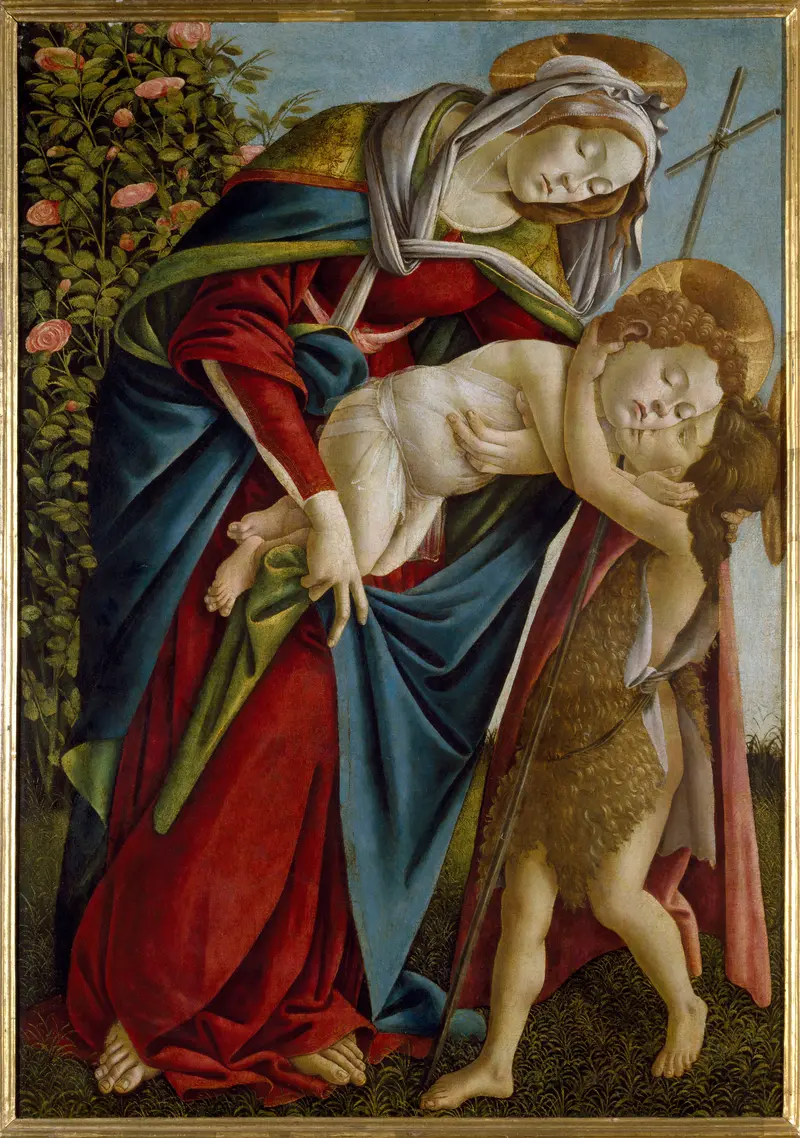
Madonna and Child and the Young St John the Baptist
Sandro Botticelli
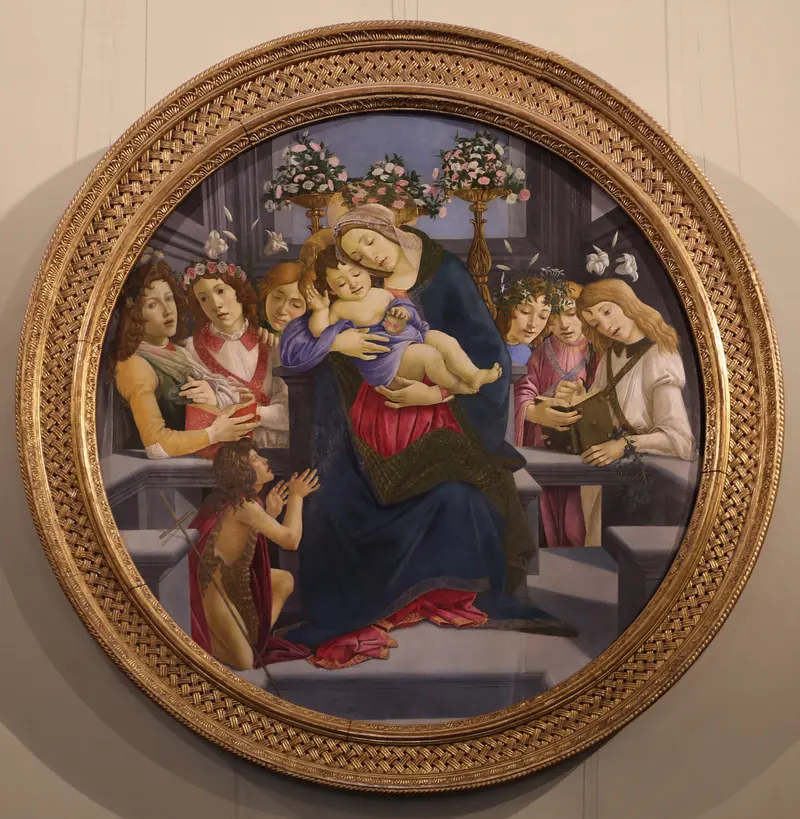
Madonna and Child with six angels and Saint John the Baptist as Child
Sandro Botticelli
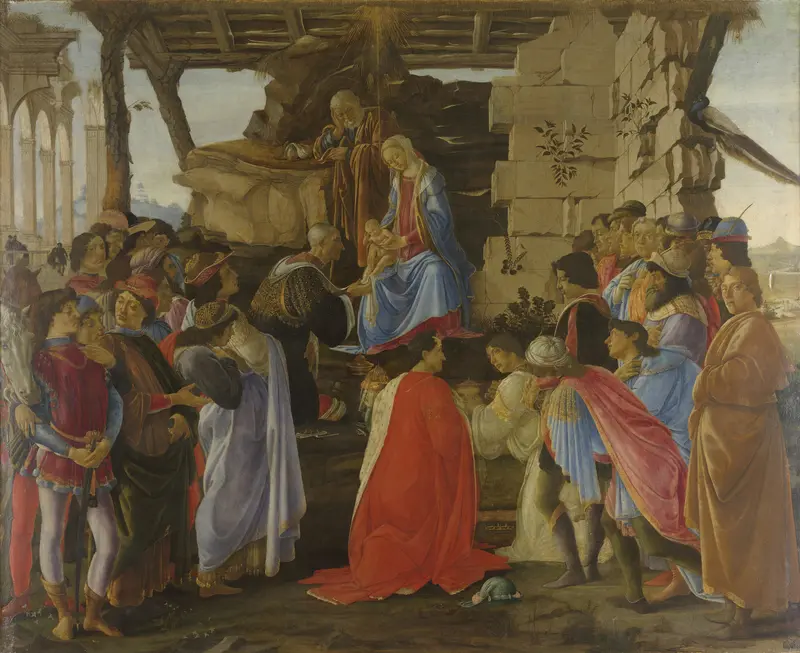
Adoration of the Magi
Sandro Botticelli

Virgin and Child with the Young Saint John the Baptist
Sandro Botticelli
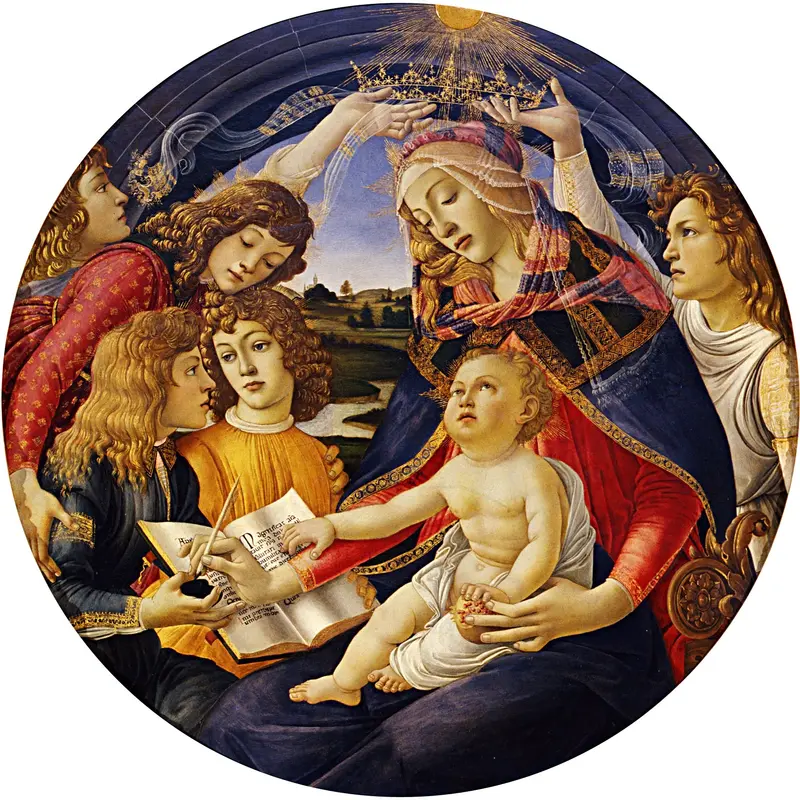
Madonna of the Magnificat
Sandro Botticelli
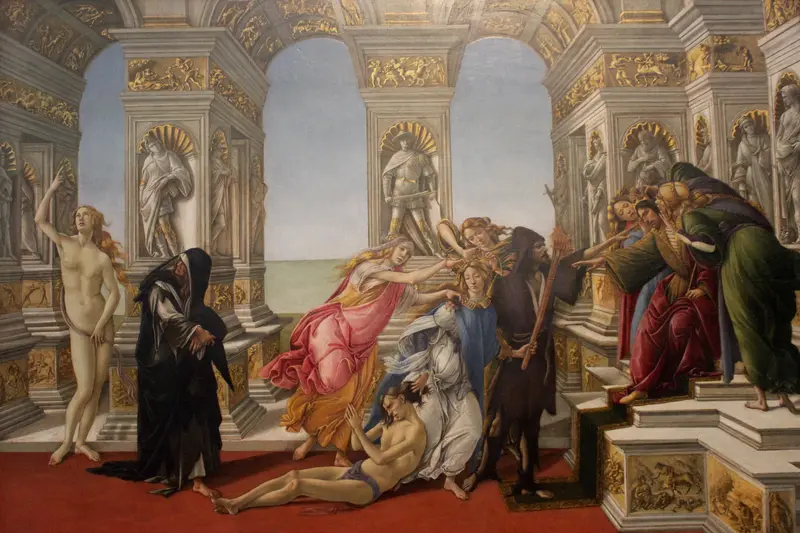
Calumny of Apelles
Sandro Botticelli
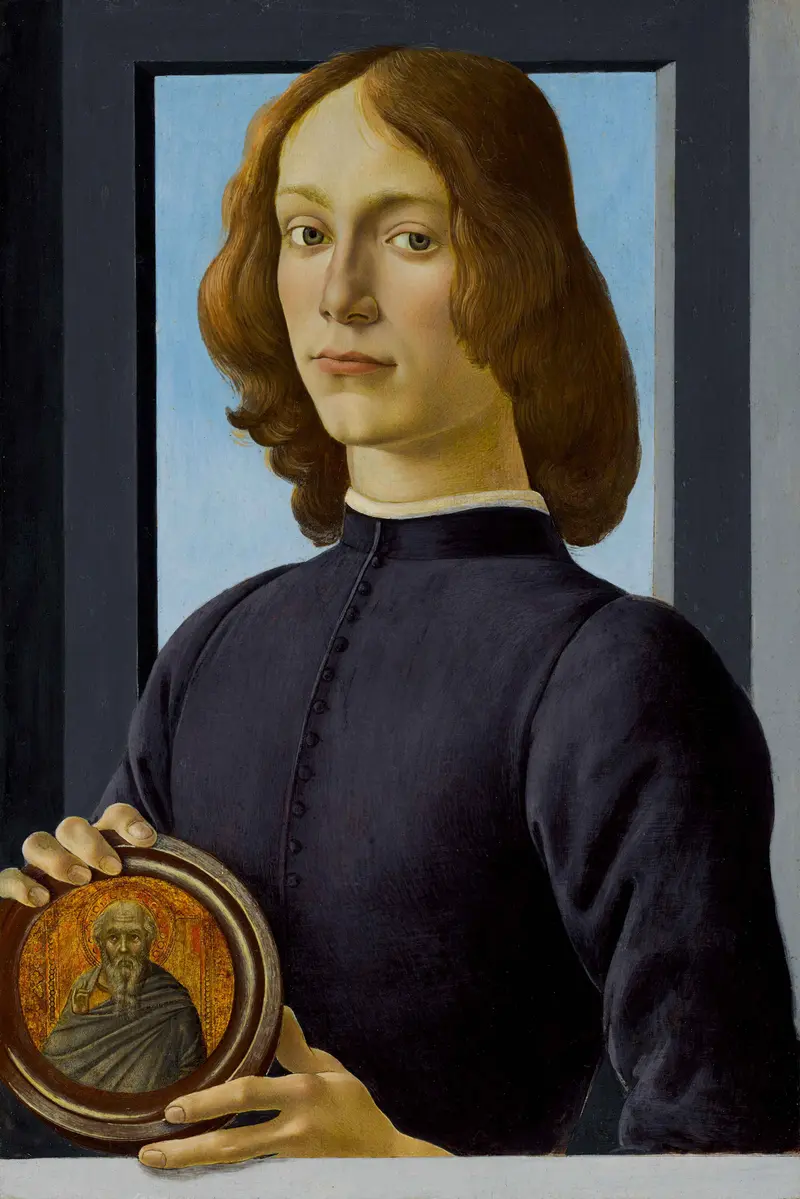
Portrait of a young man holding a roundel
Sandro Botticelli

The Trinity with Saint Mary Magdalene and Saint John the Baptist, the Archangel Raphael and Tobias
Sandro Botticelli
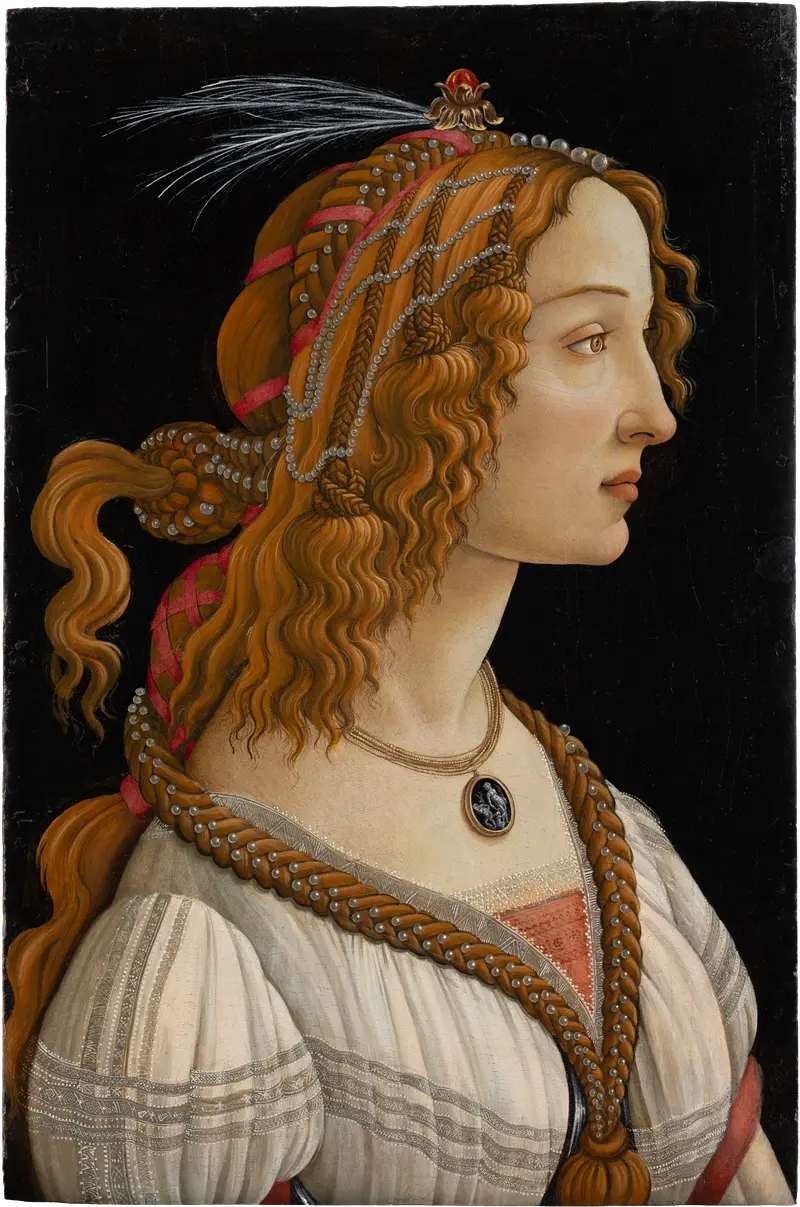
Idealized Portrait of a Lady (Portrait of Simonetta Vespucci as Nymph)
Sandro Botticelli





