
Portrait of Mrs. Bodolphe — History & Facts
The identity of Mrs. Bodolphe, the sitter immortalized by Frans Hals in 1643, remains a puzzle that has tempted generations of art historians. No record of a Bodolphe family in Haarlem has been found, and the sitter’s first name is lost to time.
This mystery has made the portrait a touchstone for debates about the social world of Hals, whose clientele ranged from wealthy burghers to guild officials. The painting’s date places it among the artist’s late works, a period marked by looser brushwork and a more introspective mood. Mrs. Bodolphe sits turned slightly toward the viewer, her gaze direct but softened by age and reserve.
Her black dress, trimmed with delicate white lace, and the modest cap signal her status as a respectable matron, likely of the Dutch Reformed faith. The heavy gold chain across her chest suggests comfortable means, while her hands—one gloved, one bare—rest calmly in her lap, a gesture of composure and dignity. The cool, silvery light caresses her features, emphasizing the wrinkles and the gentle downturn of her mouth, a hallmark of Hals’ late portraits.
Unlike the idealized women of Anthony van Dyck, Hals presents his sitter with unvarnished honesty, capturing both her strength and vulnerability. The painting’s early provenance is unclear, as is often the case with Dutch portraits of the seventeenth century. It likely remained in private hands for centuries before entering the public sphere; records show it was in a European collection by the late nineteenth century. Scholars have debated its attribution, but the lively brushwork and psychological depth are now widely accepted as the work of Frans Hals.
Today, Portrait of Mrs. Bodolphe is recognized as a significant example of Hals’ late style, offering a window into the lives of Haarlem’s citizens and the artist’s enduring fascination with character.
More Artworks by Frans Hals

Banquet of the Officers of the St George Civic Guard
Frans Hals

Portrait of Jacob Pietersz Olycan (1596-1638)
Frans Hals

Laughing Cavalier
Frans Hals

Militia Company of District XI under the Command of Captain Reynier Reael, Known as ‘The Meagre Company’
Frans Hals

Regentesses of the Old Men's Alms House
Frans Hals
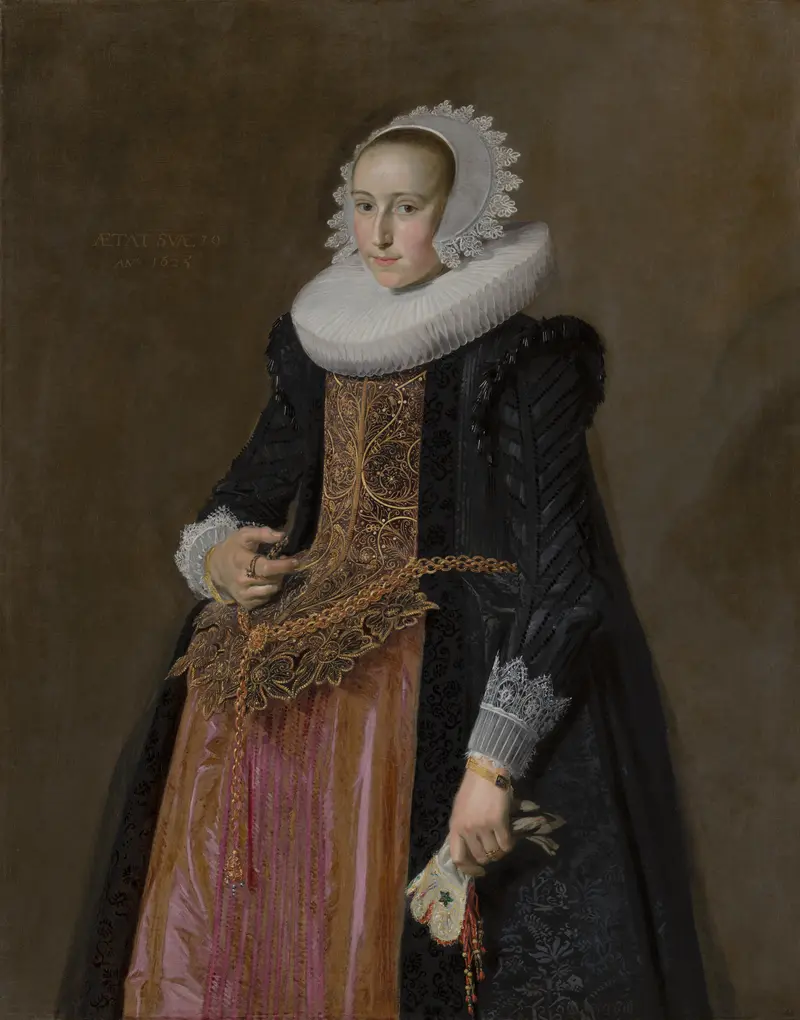
Portrait of Aletta Hanemans (1606–1653)
Frans Hals

Portrait of a Married Couple, Likely Isaac Abrahamsz Massa and Beatrix van der Laen
Frans Hals
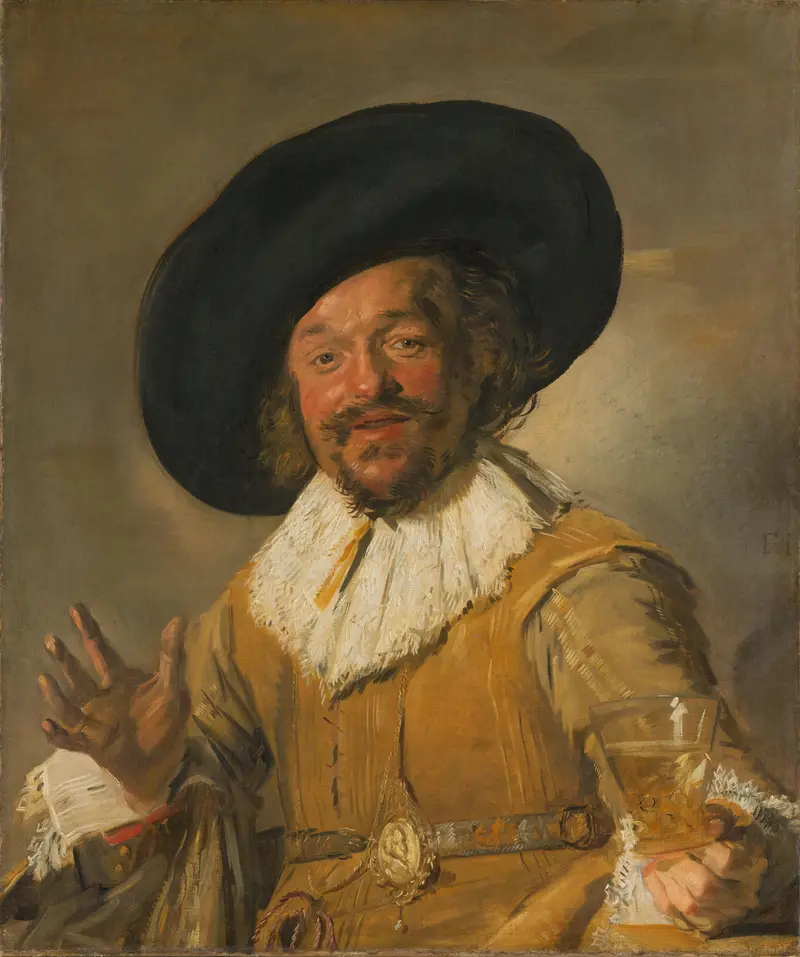
The Merry Drinker
Frans Hals

Portrait of Paulus Verschuur
Frans Hals

Portrait of Pieter van den Broecke
Frans Hals





