
Portrait of Philibert Rivière — History & Facts
When Jean Auguste Dominique Ingres painted Portrait of Philibert Rivière in 1805, he was just twenty-four and still unknown outside Parisian artistic circles. The commission came from Philibert Rivière’s wife, who would soon ask Ingres to paint herself and their daughter as well, creating a unique family trio. The series quickly became a touchstone for debates about realism and idealization in French portraiture, with critics divided over Ingres’s “icy precision” and the almost statuesque calm of his sitters.
The Rivières were rising figures in Napoleonic administration, and their portraits were meant to signal both status and modern taste. Ingres captures Philibert Rivière at rest, seated against a neutral background, his body turned slightly but his gaze direct and unblinking. The sitter’s black coat and white cravat are rendered with a clarity that borders on the clinical, while his hands, folded in his lap, echo the calm restraint of his expression. Light falls evenly across the face, flattening the features and emphasizing the sitter’s pale skin—an effect that recalls the clarity of early Renaissance portraiture, such as Raphael’s Portrait of Baldassare Castiglione, which Ingres admired.
The absence of overt symbols or background detail focuses all attention on character and presence: this is a portrait of intellect, composure, and the new rationality of Napoleonic France. After its completion, Portrait of Philibert Rivière remained with the family for decades, surviving the political upheavals of the 19th century. The three Rivière portraits were eventually acquired by the French state and today all hang together at the Louvre, a rare example of a family group preserved intact. For Ingres, these works marked a turning point: their cool, linear style set him apart from his Romantic contemporaries and helped establish his reputation as a leader of the Neoclassical movement.
The painting’s meticulous finish and psychological restraint continue to attract both admiration and debate among scholars and visitors alike.
More Artworks by Jean Auguste Dominique Ingres
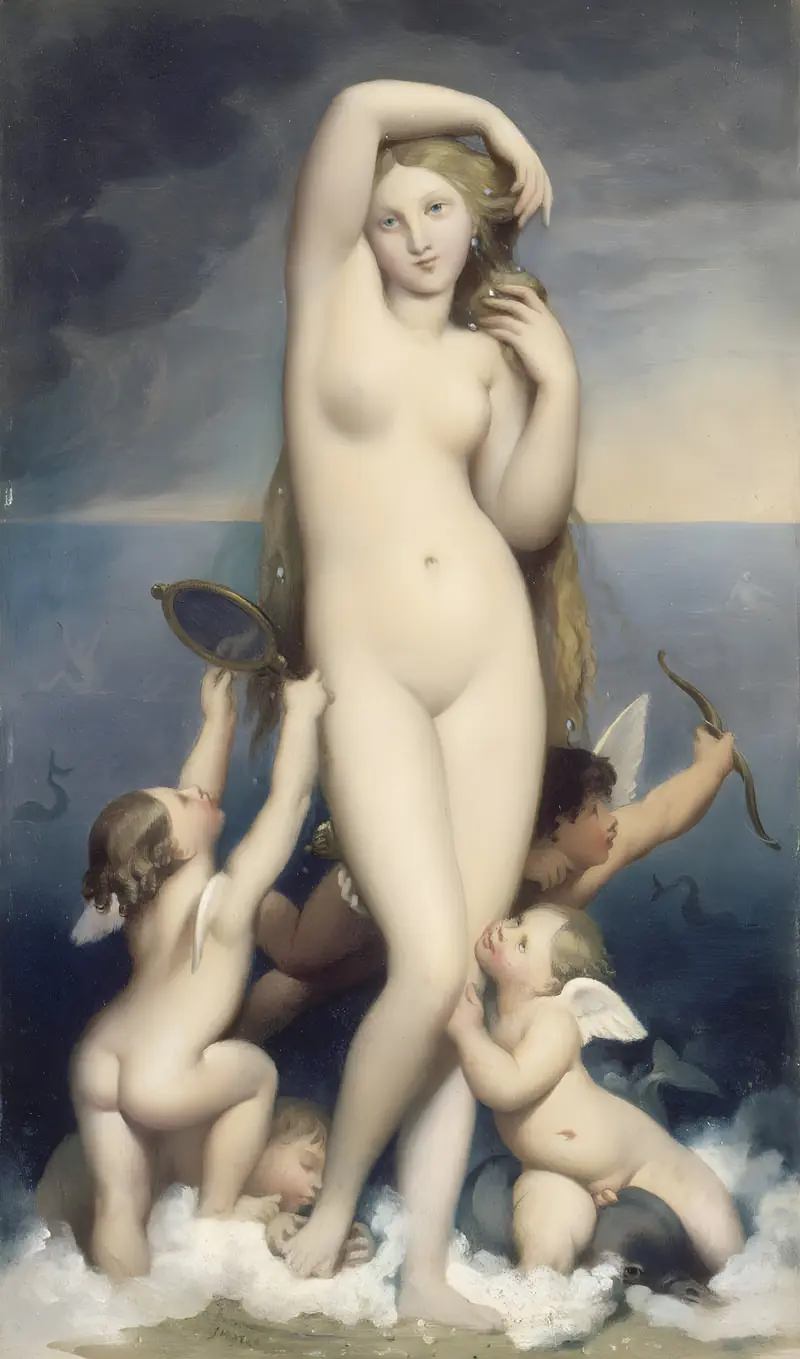
Vénus anadyomène
Jean Auguste Dominique Ingres
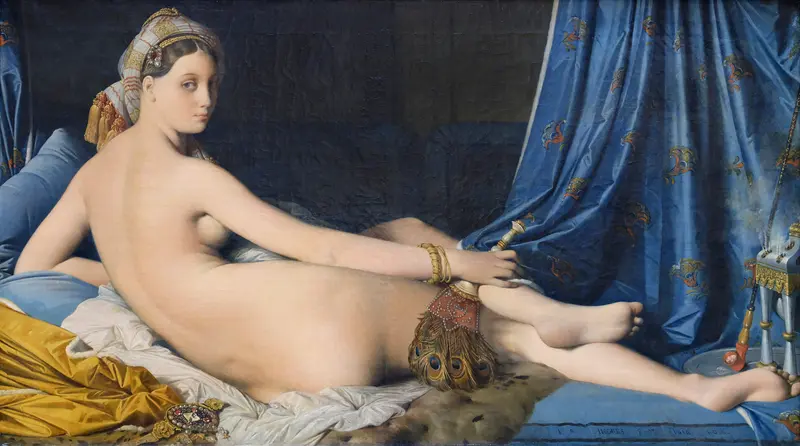
Grande Odalisque
Jean Auguste Dominique Ingres
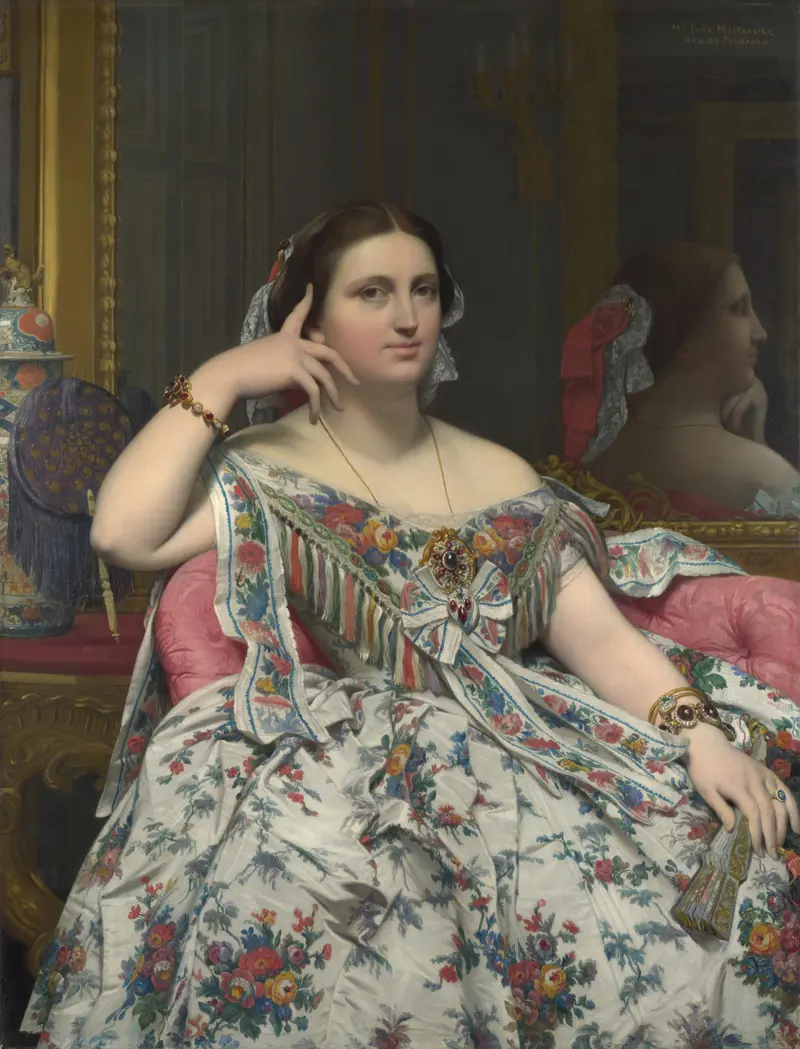
Madame Moitessier (seated)
Jean Auguste Dominique Ingres
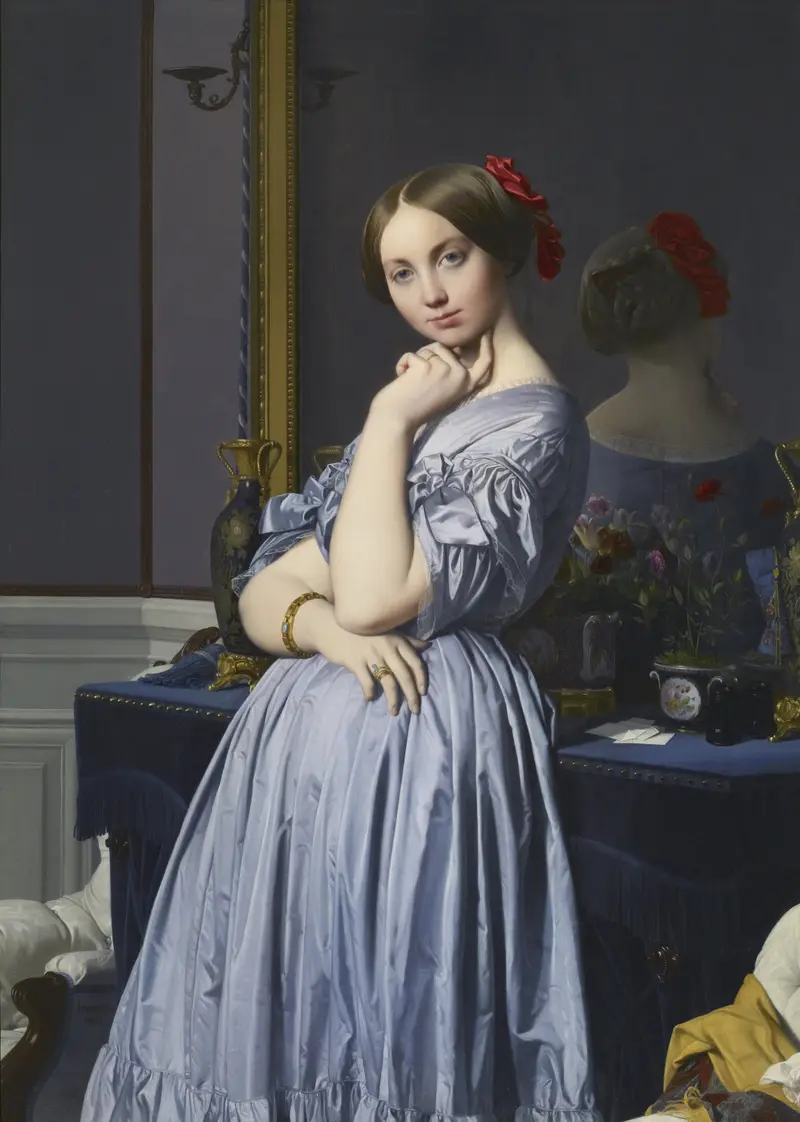
Portrait of Comtesse d’Haussonville
Jean Auguste Dominique Ingres
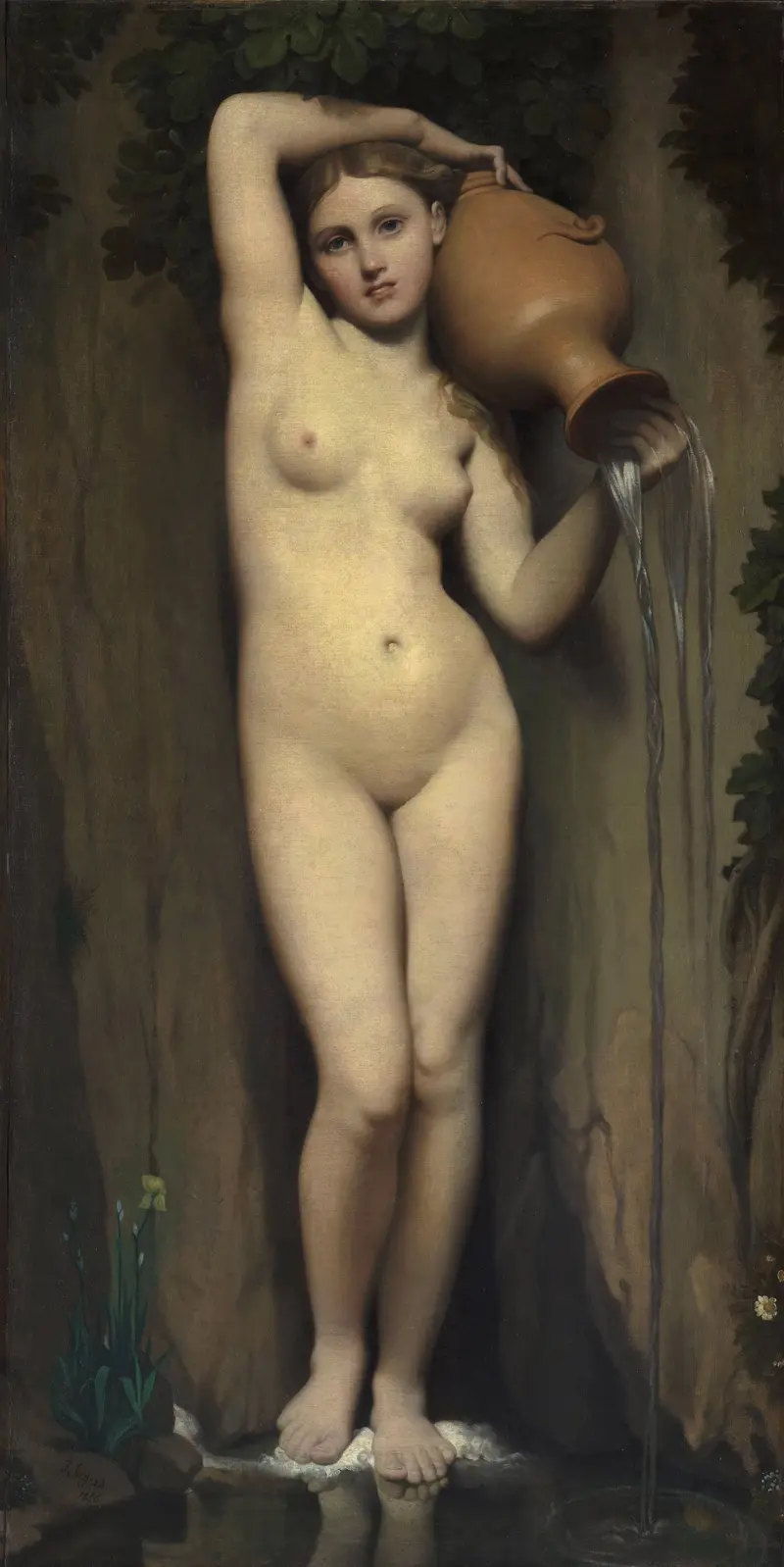
The Source
Jean Auguste Dominique Ingres
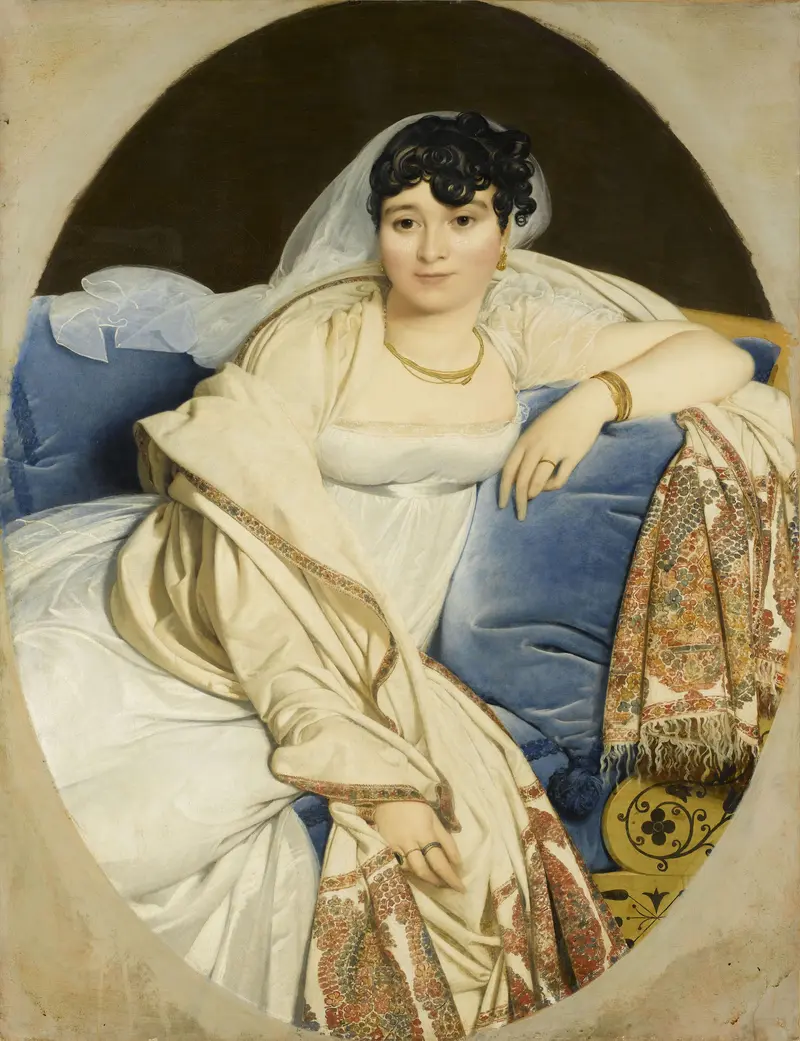
Madame Rivière
Jean Auguste Dominique Ingres

Madame Jean-Auguste-Dominique Ingres, née Madeleine Chapelle
Jean Auguste Dominique Ingres

Portrait of a Lady
Jean Auguste Dominique Ingres
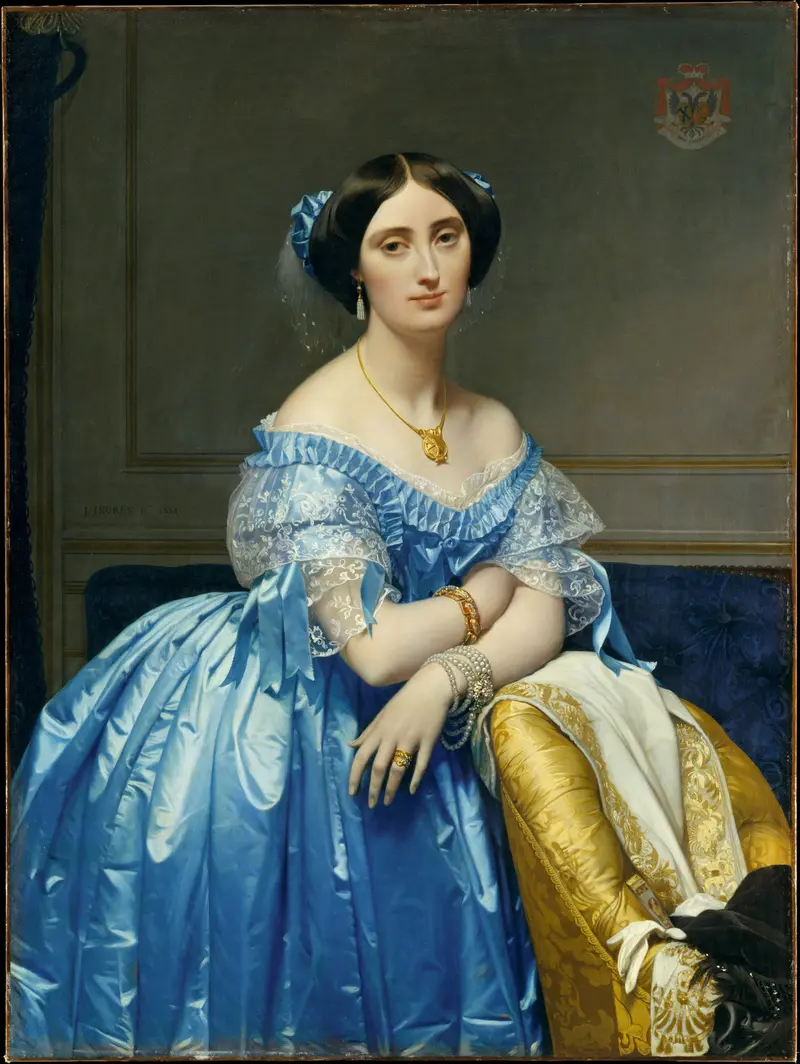
Joséphine-Éléonore-Marie-Pauline de Galard de Brassac de Béarn (1825–1860), Princesse de Broglie
Jean Auguste Dominique Ingres
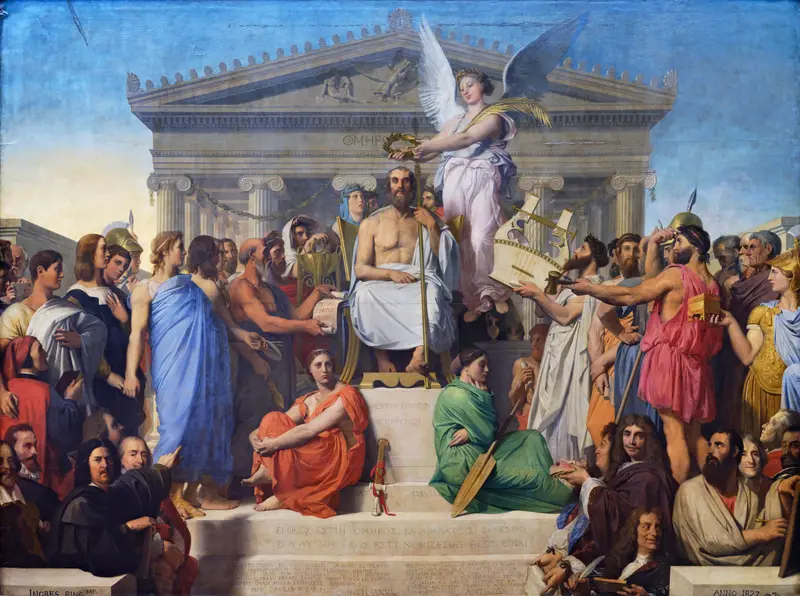
The Apotheosis of Homer
Jean Auguste Dominique Ingres





