
Portrait of Pieter Calkoen (1705-1747) — History & Facts
What first arrests the eye in Portrait of Pieter Calkoen (1705-1747) is the sweep of that vivid red drapery, a flourish that seems almost to move of its own accord, drawing the viewer’s gaze to the poised, self-assured figure at its center. The sitter’s powdered wig and tailored silver-grey coat speak of a man deeply invested in the fashions and codes of early eighteenth-century society, but it is his stance—one hand extended in a delicate, almost conversational gesture, the other resting with easy confidence on his hip—that reveals a personality both composed and quietly assertive. The light, cool and clear, picks out the sheen of his garments and the soft modeling of his face, inviting us to wonder at the world he commands.
Behind him, a dusky landscape recedes into mist, a reminder of the distance between the sitter’s cultivated presence and the untamed world beyond. Works like this, painted between 1725 and 1730 by Arnold Boonen, belonged to a flourishing tradition of Dutch portraiture that balanced individual likeness with the aspirations of an emerging bourgeoisie. In the Netherlands of this period, portraits were not merely records; they were declarations—of status, of taste, of belonging to a new, self-made elite. The Dordrechts Museum, where this painting now resides, preserves such images as windows onto a society in flux, shaped by commerce, civic pride, and the subtle negotiations of identity.
History has kept few traces of the sitter’s daily life, but the painting’s careful attention to gesture and costume invites us to imagine the ambitions and anxieties of Pieter Calkoen’s world, and to look again for the stories that flicker in the meeting of gaze and canvas.
More Artworks by Arnold Boonen

Portrait of Jan van Huysum
Arnold Boonen
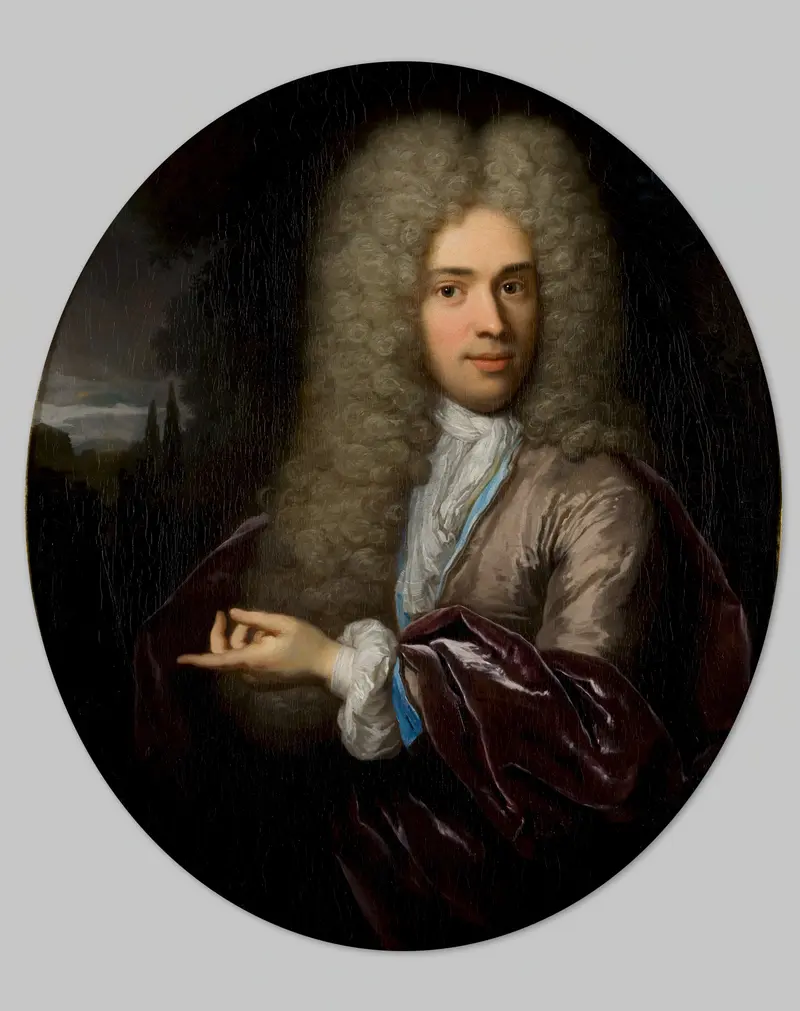
Daniël Deutz
Arnold Boonen
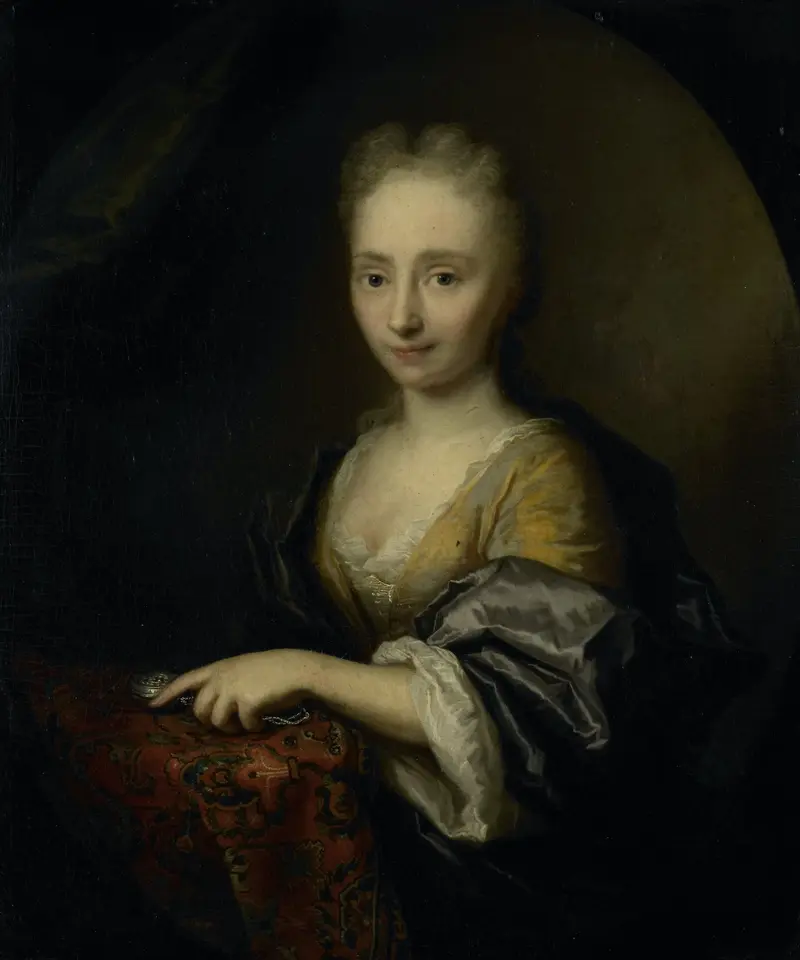
Portrait of a Woman SK-A-
Arnold Boonen
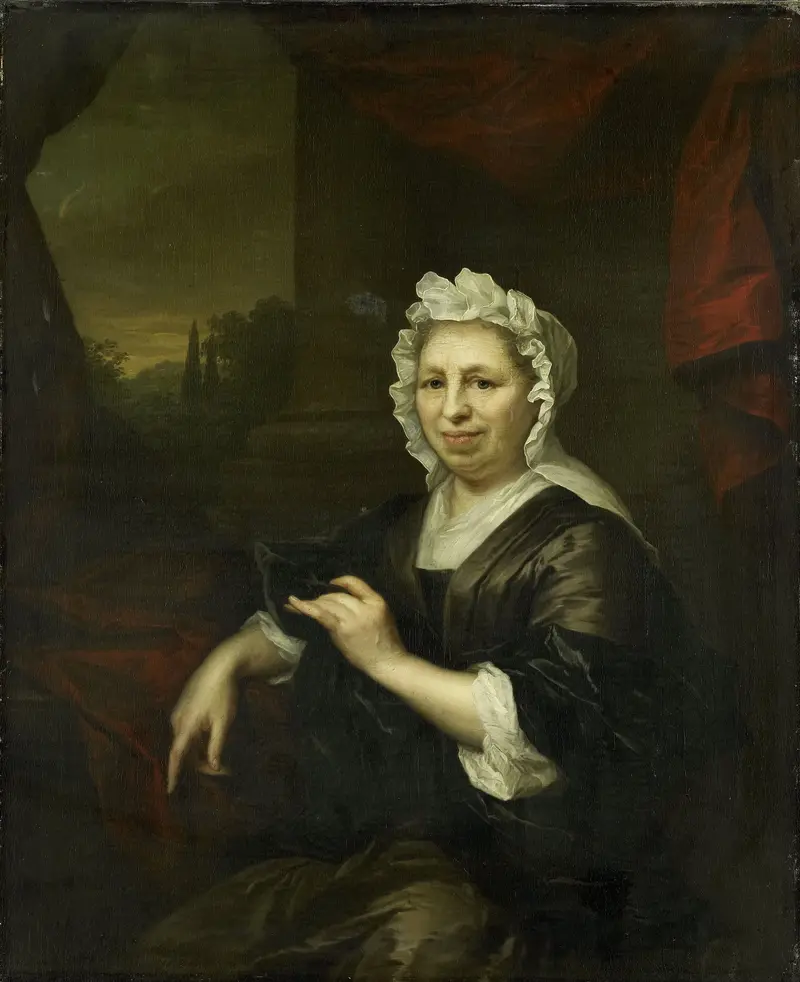
Portrait Brechje Hooft (1640-1721). Widow of Harmen van de Poll
Arnold Boonen
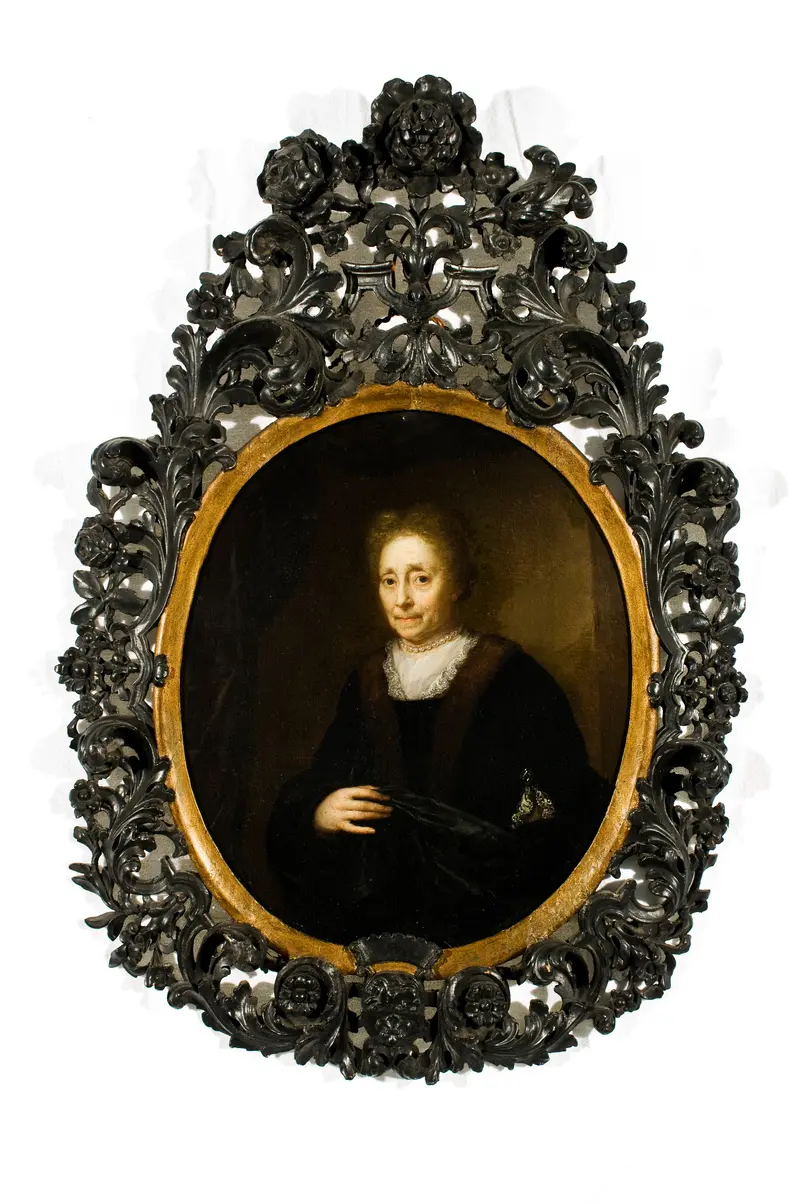
Portret van Elisabeth Schaep van Strijen, echtgenote van Mr. Pieter Schaep DM 011 980 Dordrechts Museum
Arnold Boonen
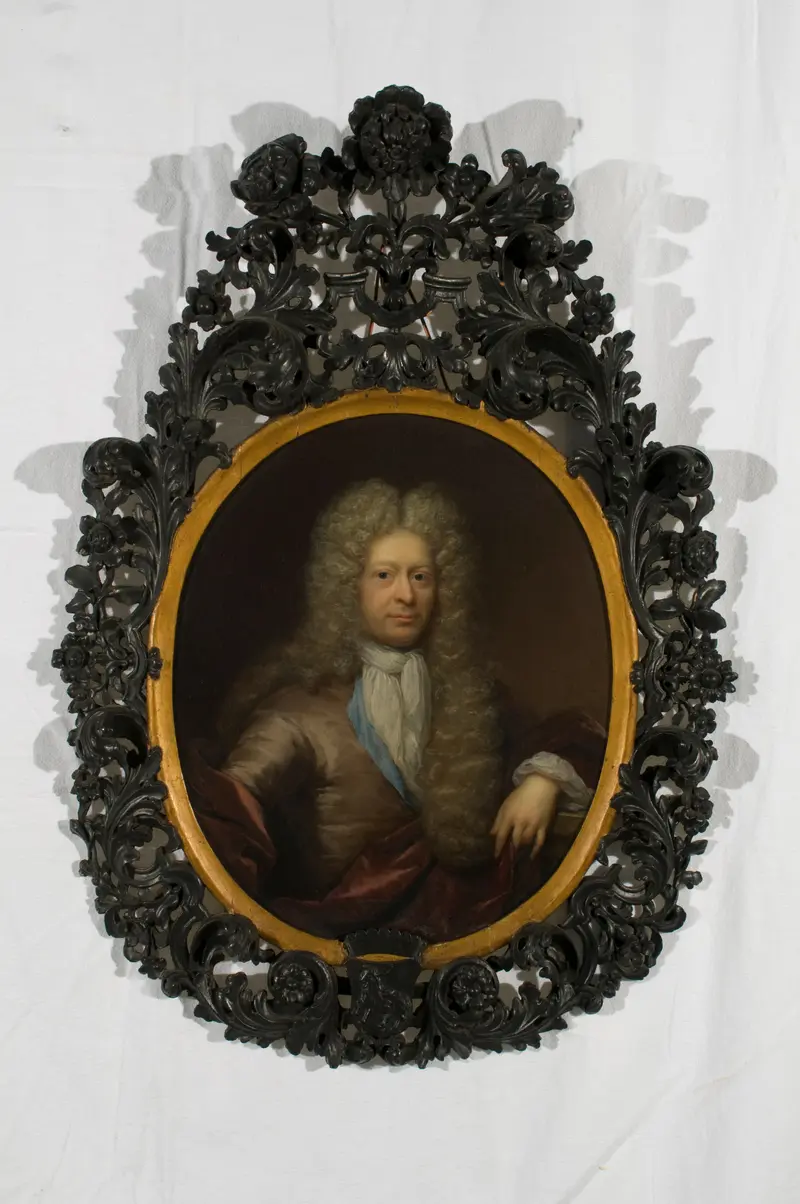
Portret van Mr Reynier Schaep DM 011 981 Dordrechts Museum
Arnold Boonen
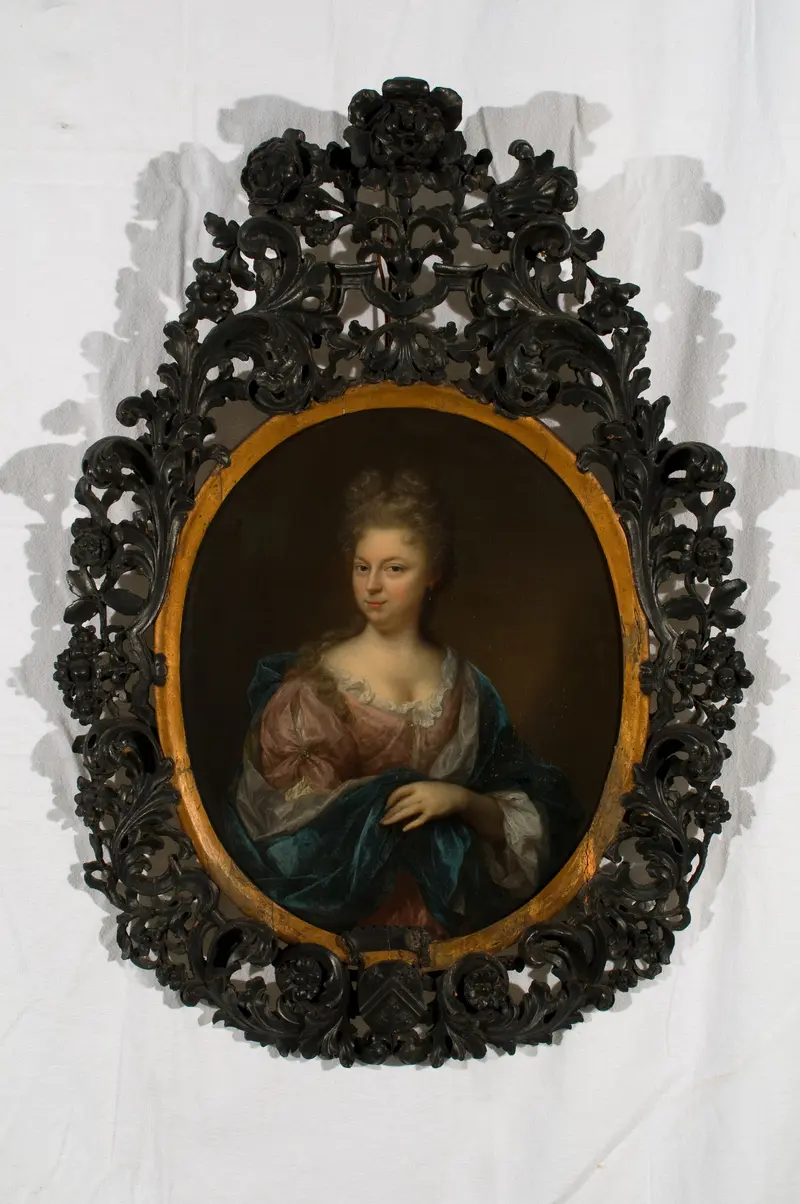
Portret van Eva Maria Muilman DM 011 982 Dordrechts Museum
Arnold Boonen
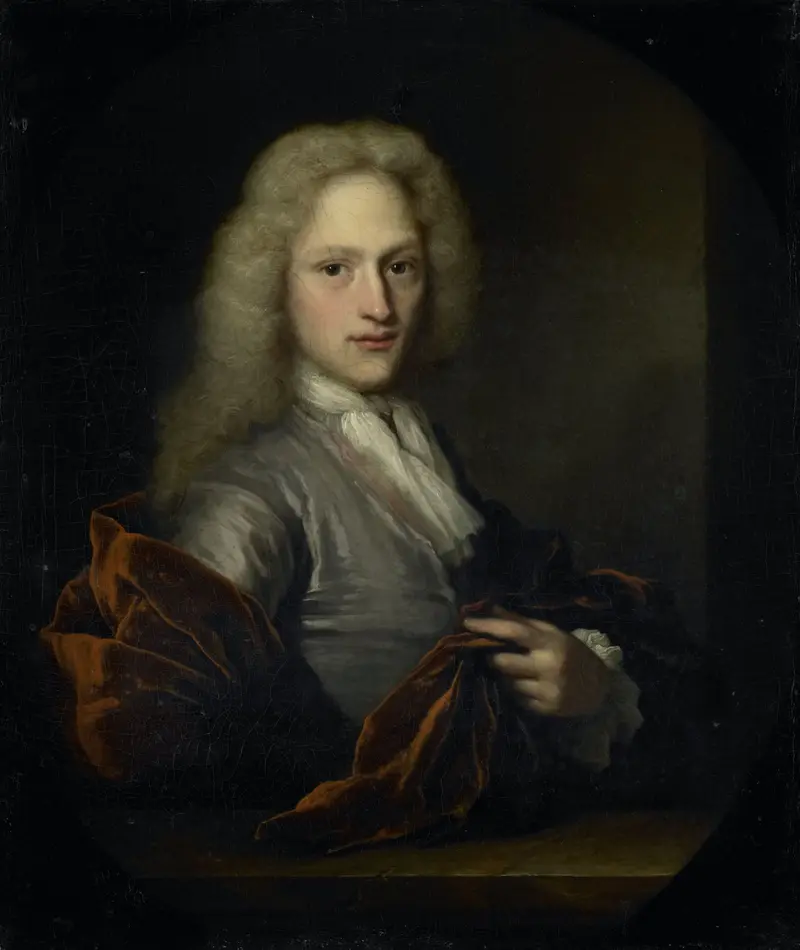
Portrait of a Man SK-A-
Arnold Boonen
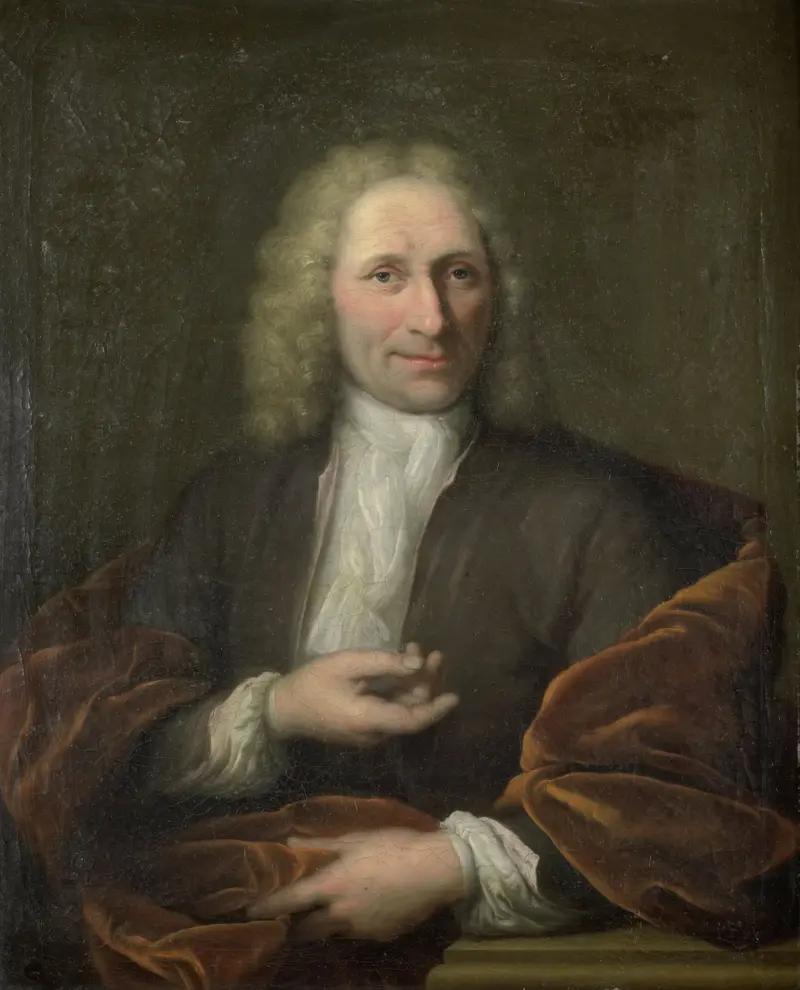
Portrait of a Man
Arnold Boonen
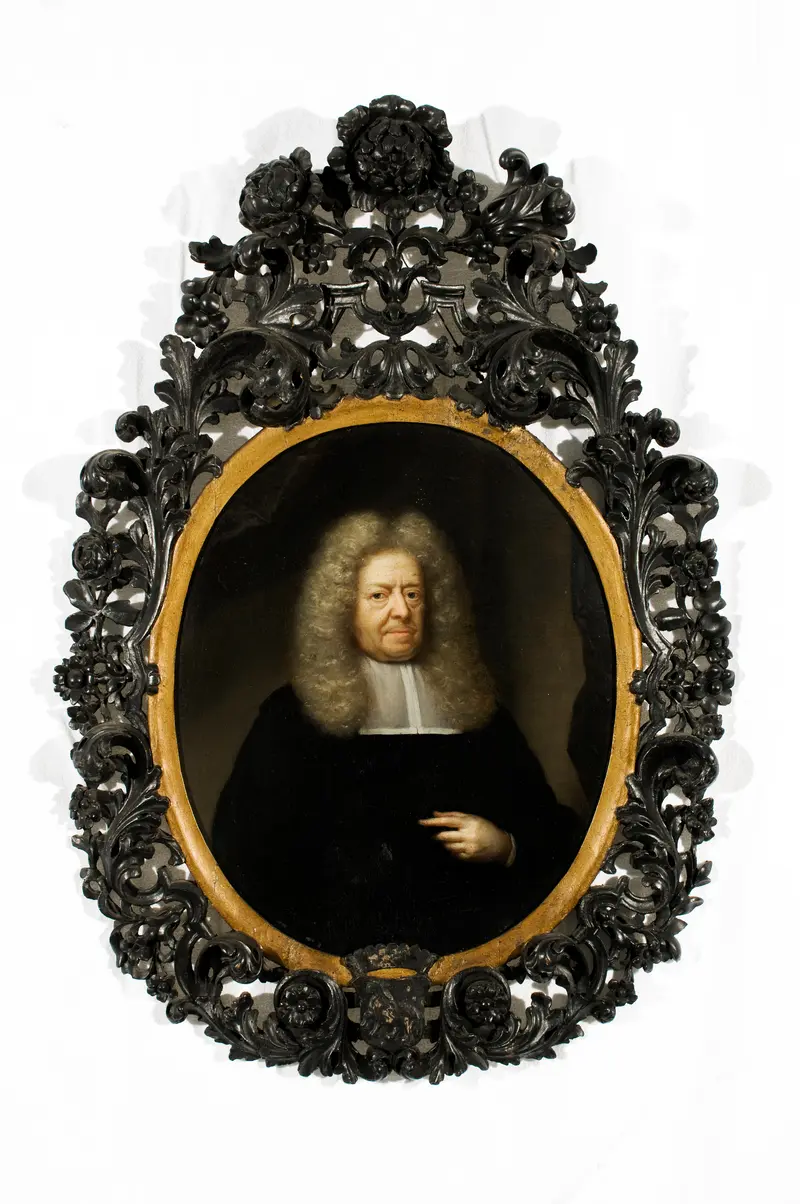
Portret van Mr. Pieter Schaep DM 011 979 Dordrechts Museum
Arnold Boonen





