
Portrait of Pieter van de Poel — History & Facts
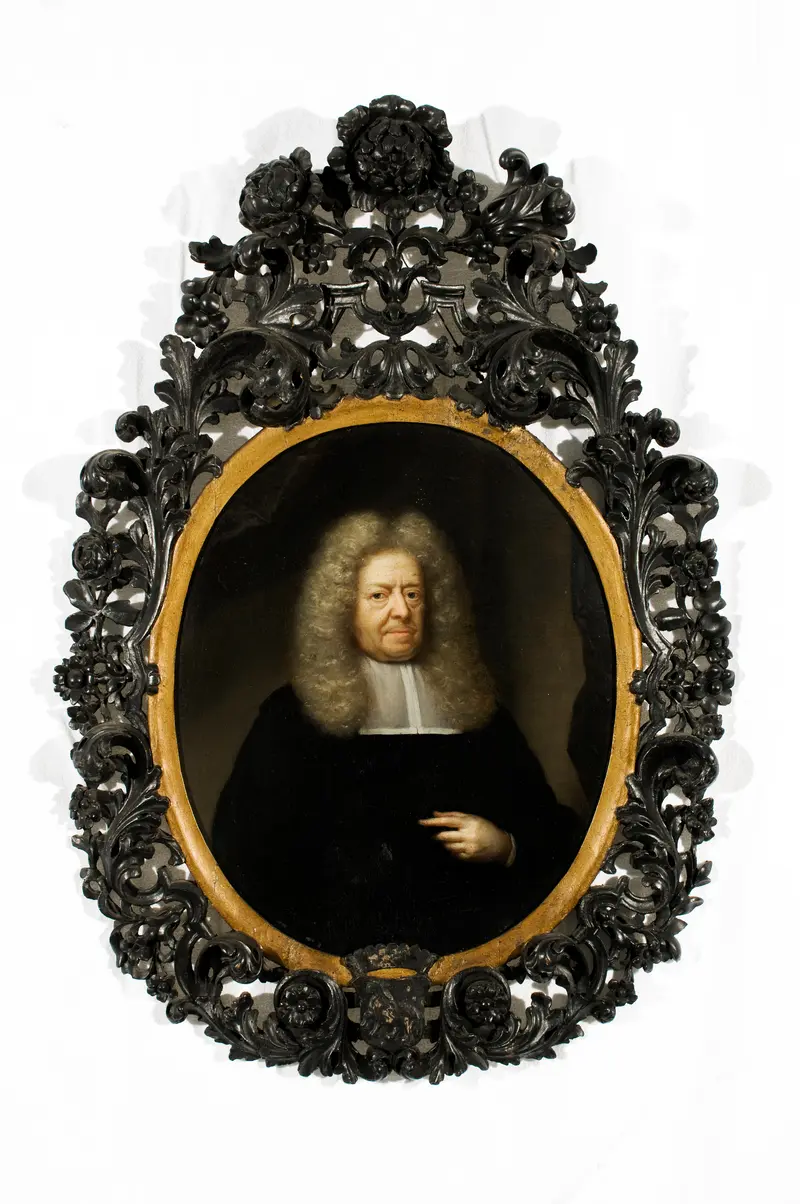
A face framed by an extravagant cascade of grey curls meets the viewer with a gaze at once direct and reserved, as if weighing the gravity of the moment. What draws the eye, however, is not just the sitter’s steady look, but the crisp white document he holds, its wax seal and the image of a ship pressed into the paper. The careful rendering of the hand and the subtle glint of the seal suggest this is no idle prop: it signals authority, perhaps a connection to maritime trade or official business, and invites us to imagine the world of decisions and fortunes that hinge on such documents.
The play of light across the blue velvet and the sitter’s face sharpens the sense of presence, making the figure seem almost tangible, caught in the act of presenting his credentials to posterity. Portraits like this from the late seventeenth and early eighteenth centuries were more than likenesses; they were declarations of status, profession, and trustworthiness. In the Dutch Republic, a thriving center of commerce and civic life, men of business and government often commissioned such works to mark their place in society or commemorate their achievements. Arnold Boonen was active in this world, painting between 1690 and 1729, and his sitters are often shown with the emblems of their trade or office.
The painting now resides in the Rijksmuseum, a reminder of an age when the fortunes of cities and families were bound up in paper, seals, and the ships that carried their hopes across the sea. Look again at the folds of that document—how much of a life, and a nation, is pressed into a single sheet.
More Artworks by Arnold Boonen

Portrait of Jan van Huysum
Arnold Boonen
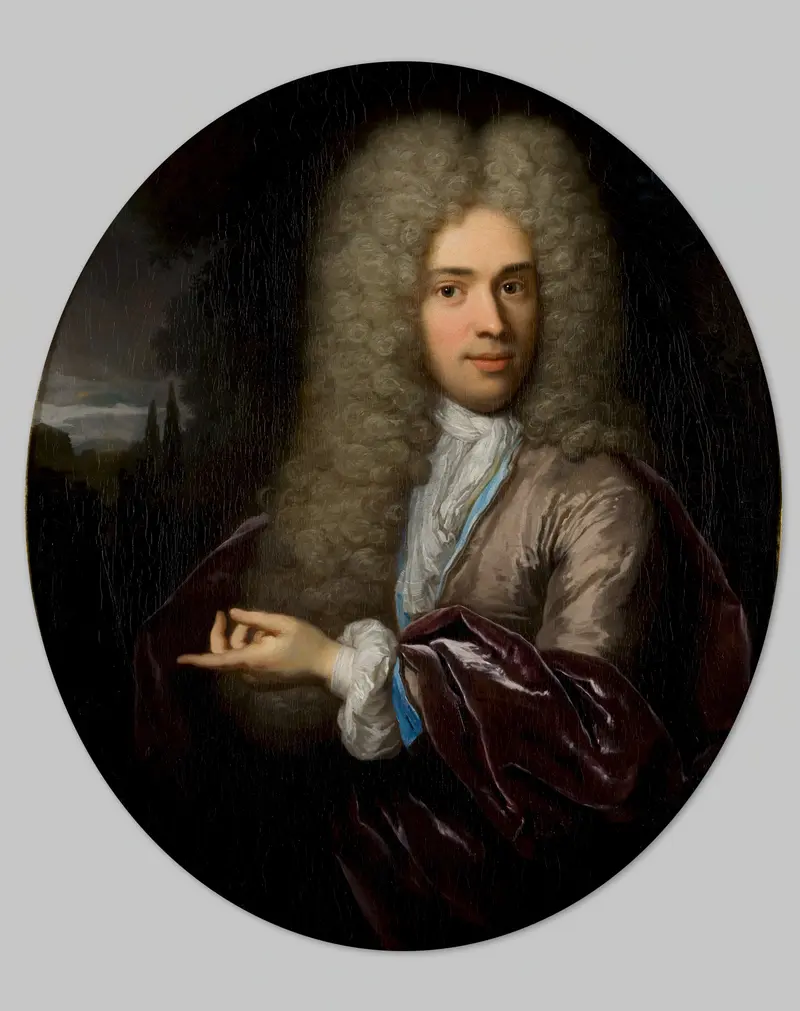
Daniël Deutz
Arnold Boonen
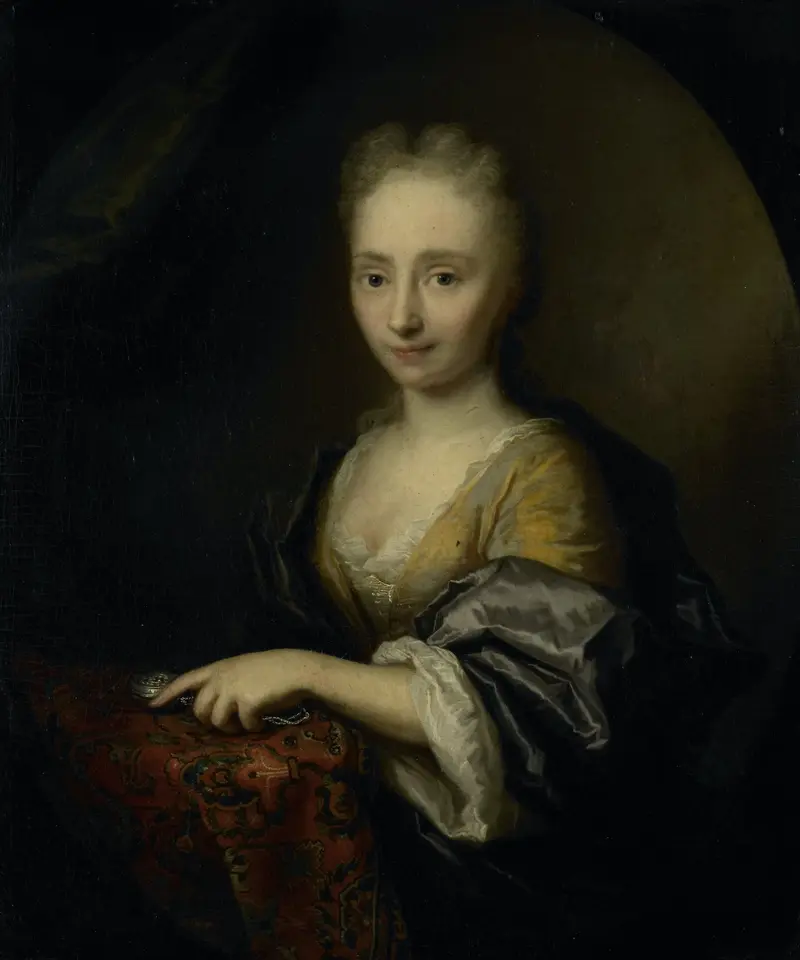
Portrait of a Woman SK-A-
Arnold Boonen
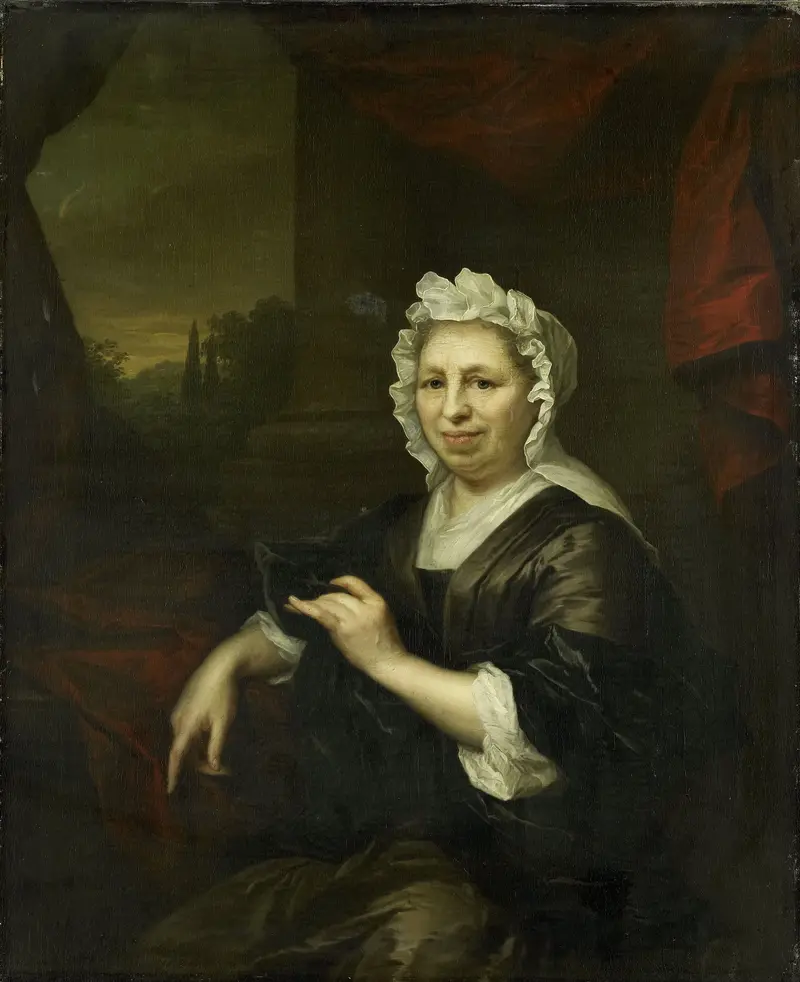
Portrait Brechje Hooft (1640-1721). Widow of Harmen van de Poll
Arnold Boonen
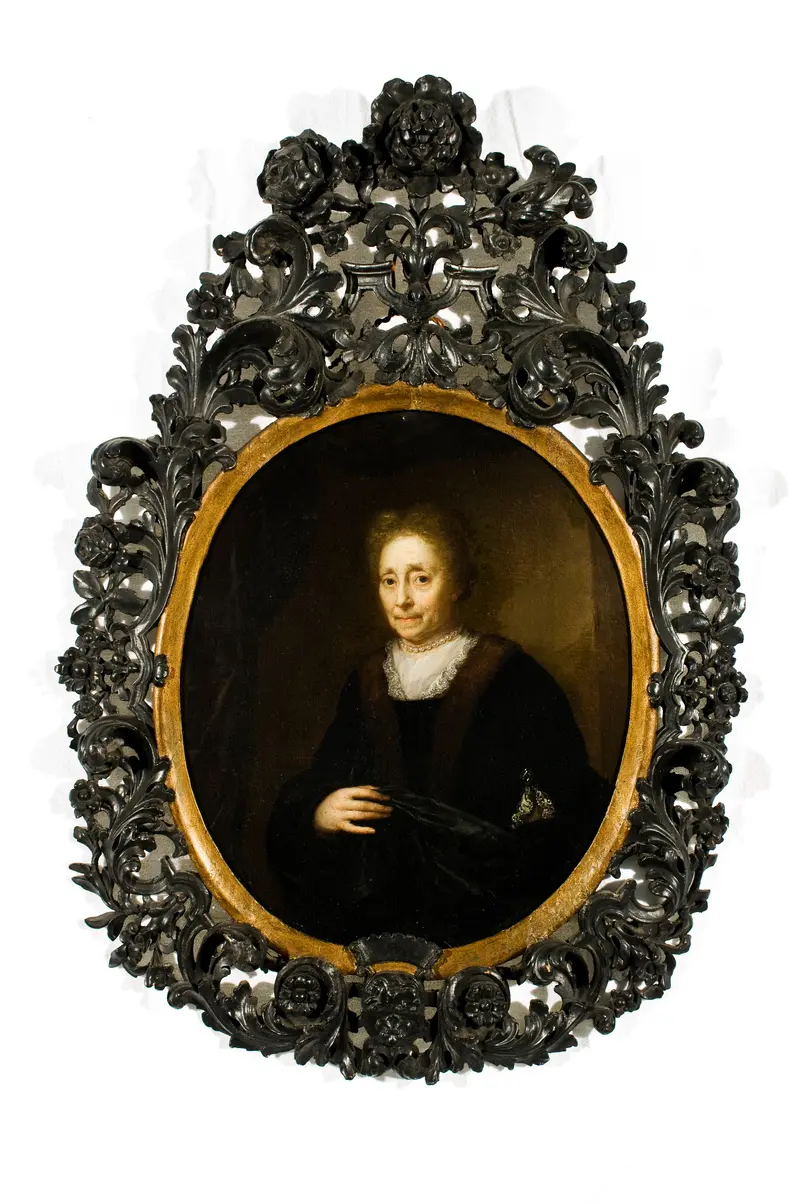
Portret van Elisabeth Schaep van Strijen, echtgenote van Mr. Pieter Schaep DM 011 980 Dordrechts Museum
Arnold Boonen
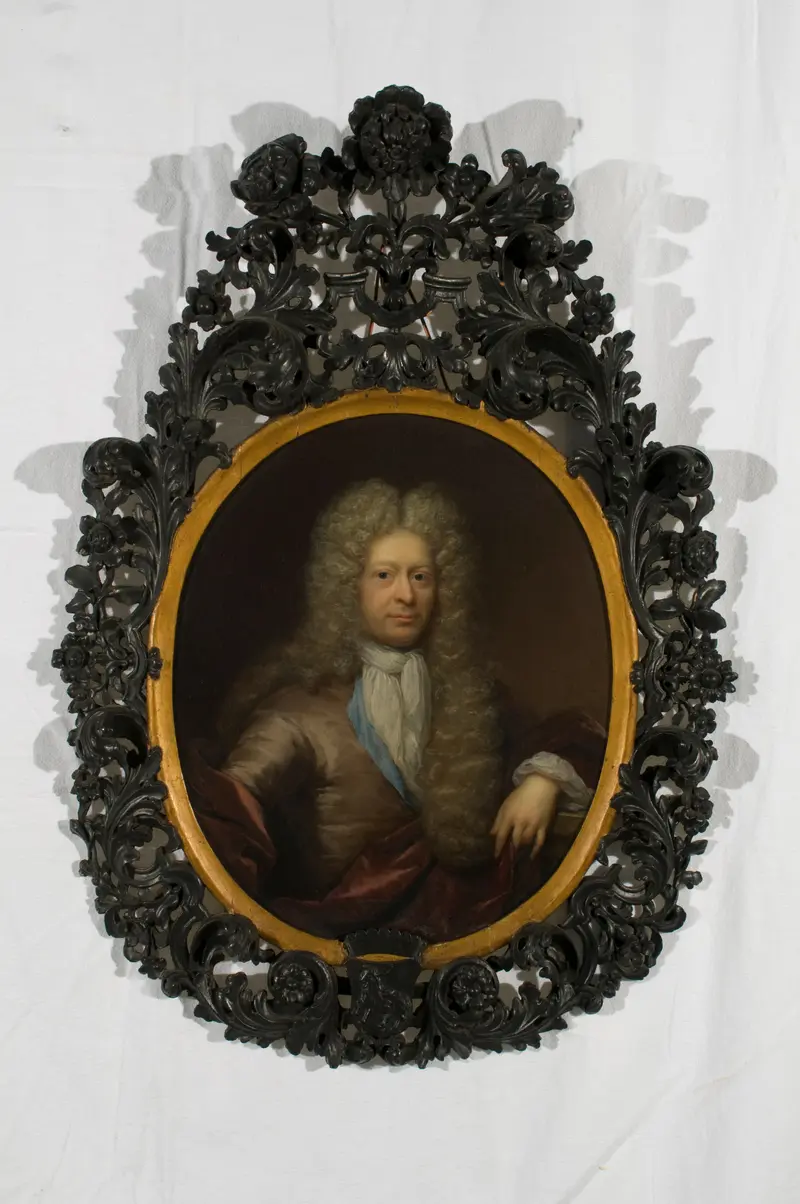
Portret van Mr Reynier Schaep DM 011 981 Dordrechts Museum
Arnold Boonen
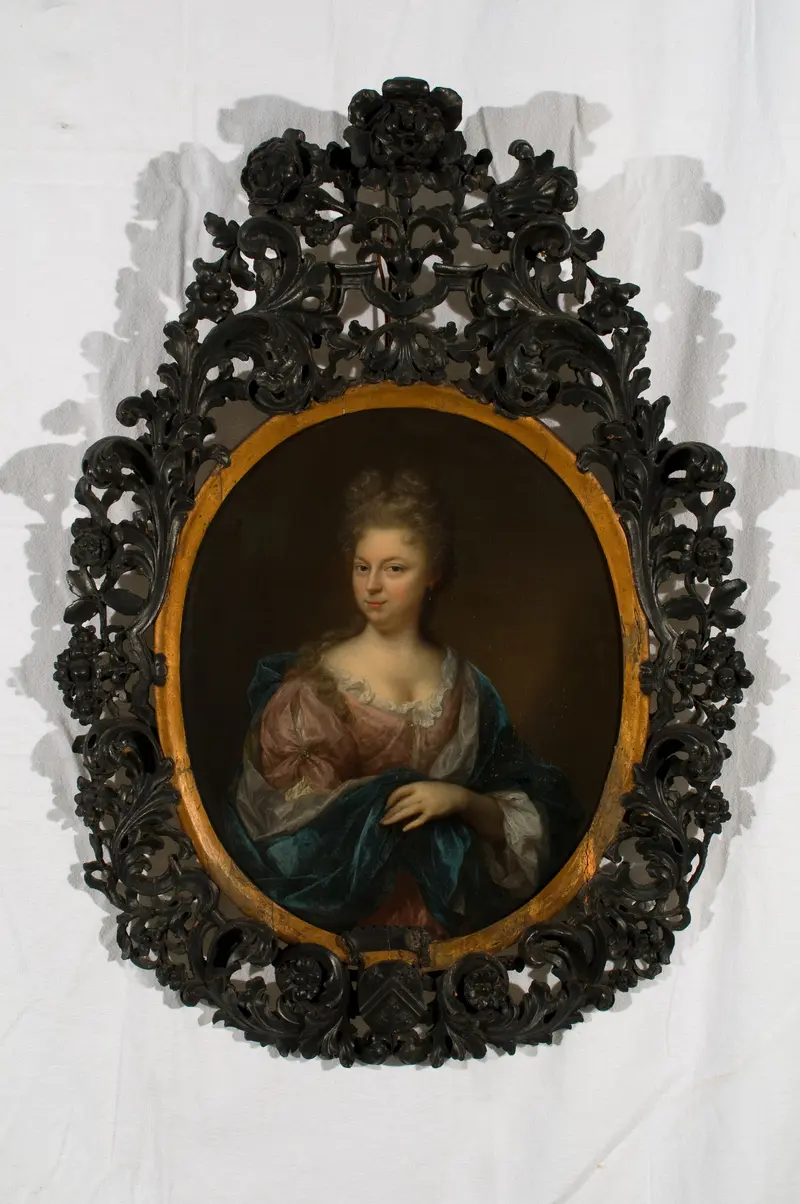
Portret van Eva Maria Muilman DM 011 982 Dordrechts Museum
Arnold Boonen
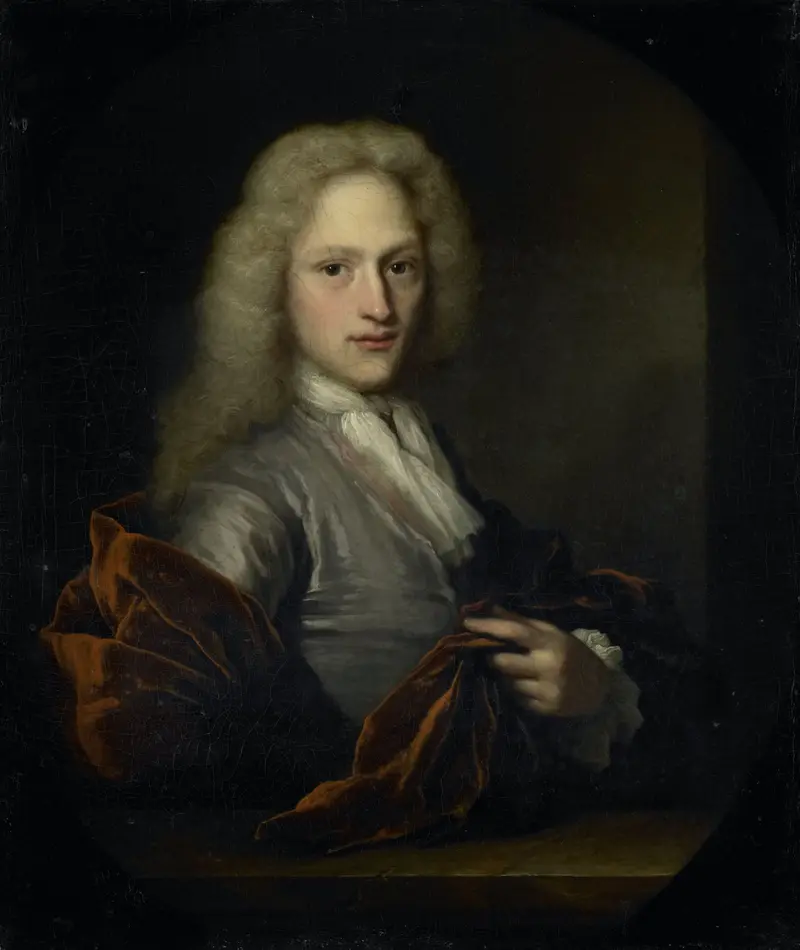
Portrait of a Man SK-A-
Arnold Boonen
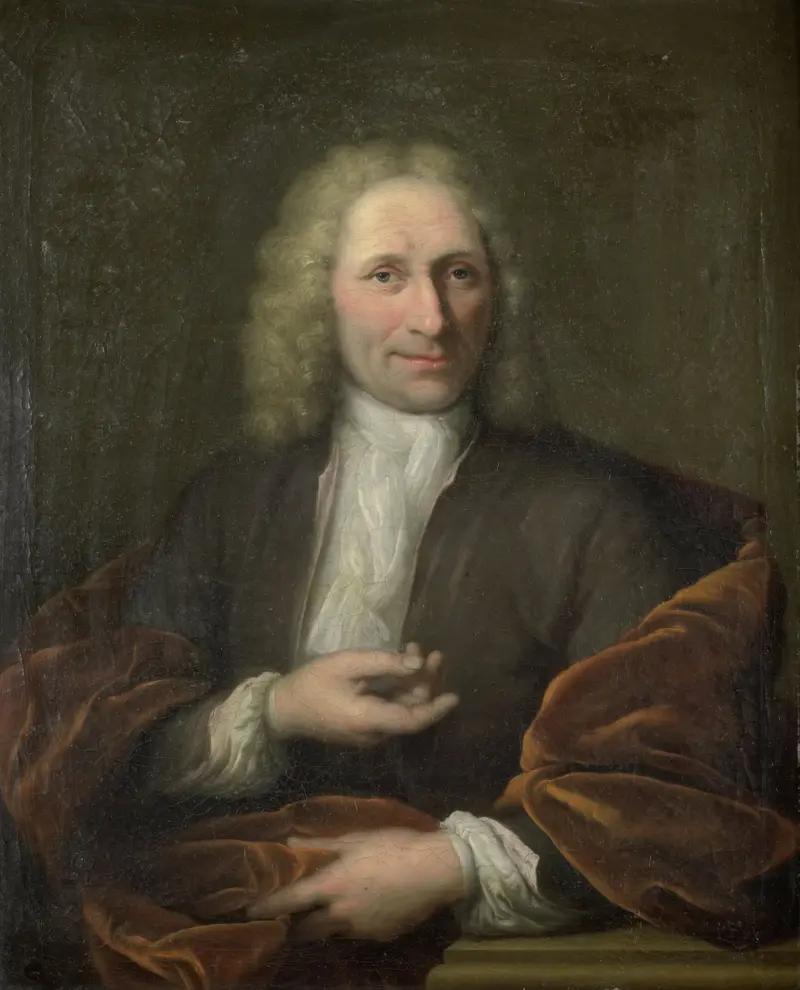
Portrait of a Man
Arnold Boonen
Portret van Mr. Pieter Schaep DM 011 979 Dordrechts Museum
Arnold Boonen





