
Portrait of Rijnsburg van Beveren (1608-1669) — History & Facts
What first draws the eye in Portrait of Rijnsburg van Beveren by Adriaen Hanneman is the quiet self-possession of its sitter. The woman meets the viewer’s gaze with a calm, almost knowing expression, her lips just hinting at a smile. Light falls gently across her face and the intricate lace of her bodice, drawing attention to the delicate craftsmanship of her dress and the subtle shimmer of pearls at her neck.
The black shawl draped over her shoulders anchors the composition, its darkness setting off the luminous whites and golds, while her hand, poised yet relaxed, suggests a moment of ease rather than rigid formality. The brooch at her chest is more than mere ornament; it signals wealth, taste, and perhaps a family story, its placement and sparkle inviting closer inspection. This portrait belongs to the world of the Dutch Golden Age, when the rising merchant class and established patricians alike commissioned likenesses to assert their status and commemorate their presence. Painted between 1640 and 1669, as recorded by its source, the work reflects the era’s taste for restrained elegance and psychological subtlety.
Adriaen Hanneman, known for his refined approach to portraiture, was active in The Hague, where such images served as both private treasures and public statements. History has kept few traces of Rijnsburg van Beveren herself, but her image remains, a testament to the quiet confidence and aspirations of a society in the midst of transformation. Look again at the lace, the pearls, the steady gaze—each detail speaks to a life lived within the shifting fortunes of the seventeenth century.
More Artworks by Adriaen Hanneman
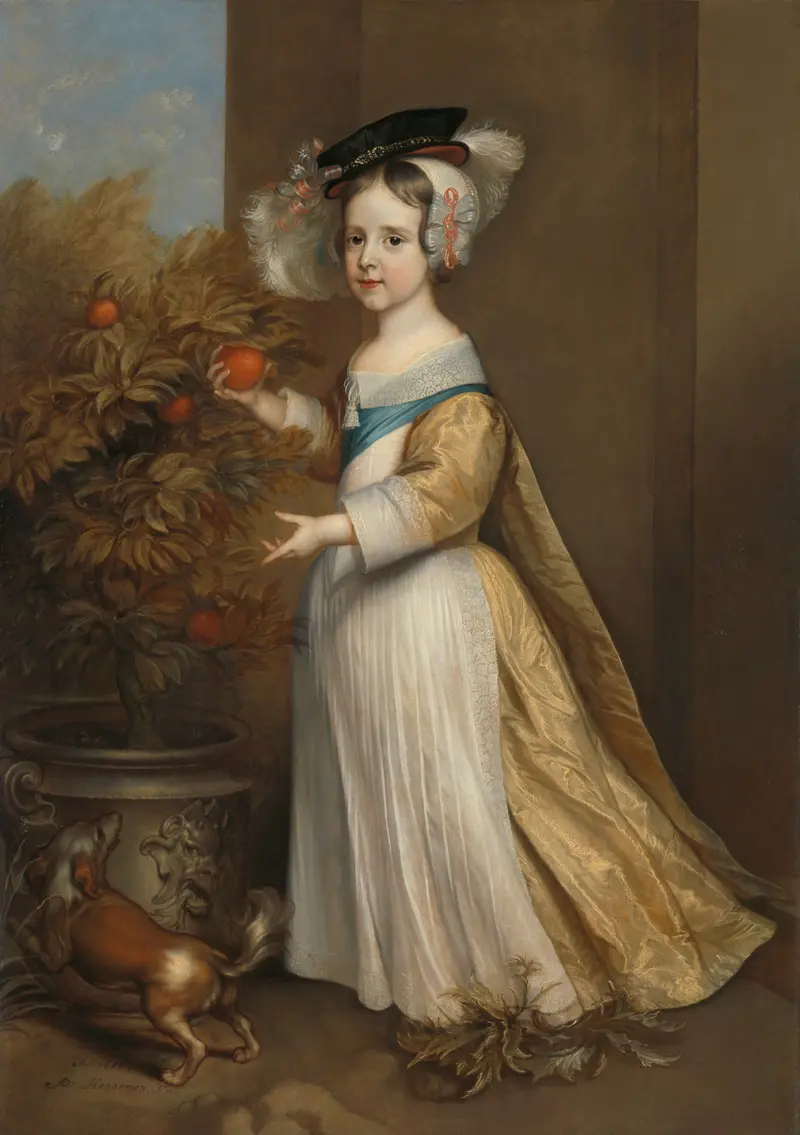
Portrait of Willem III (1650-1702), Prince of Orange, as a Child
Adriaen Hanneman
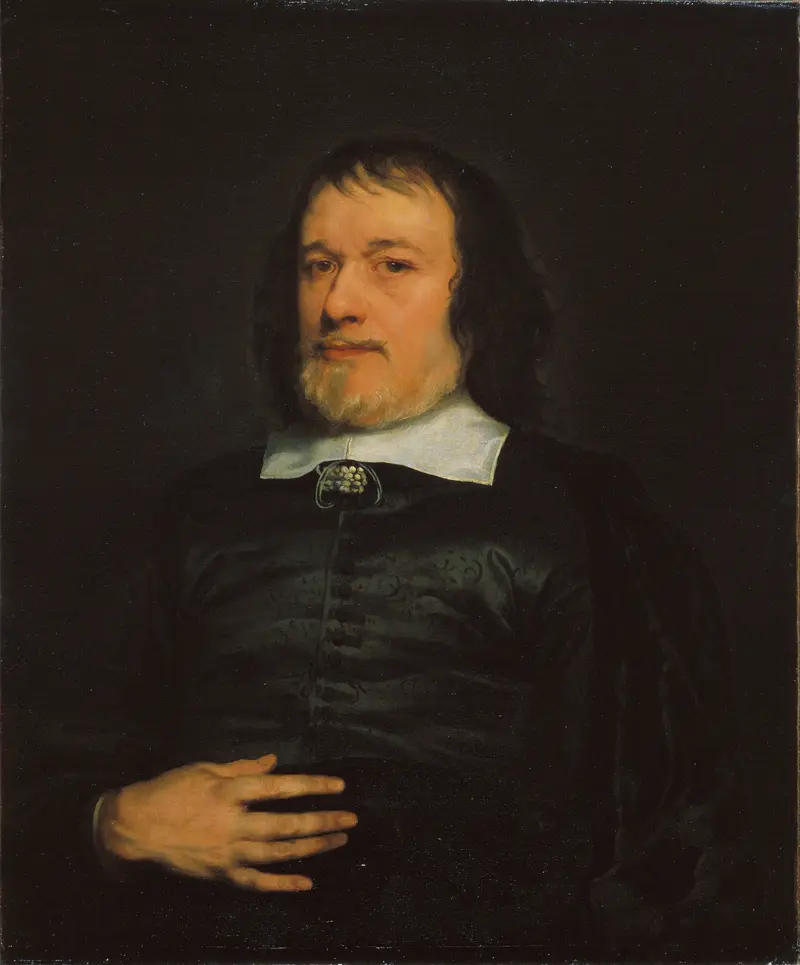
Portrait of a Gentleman
Adriaen Hanneman
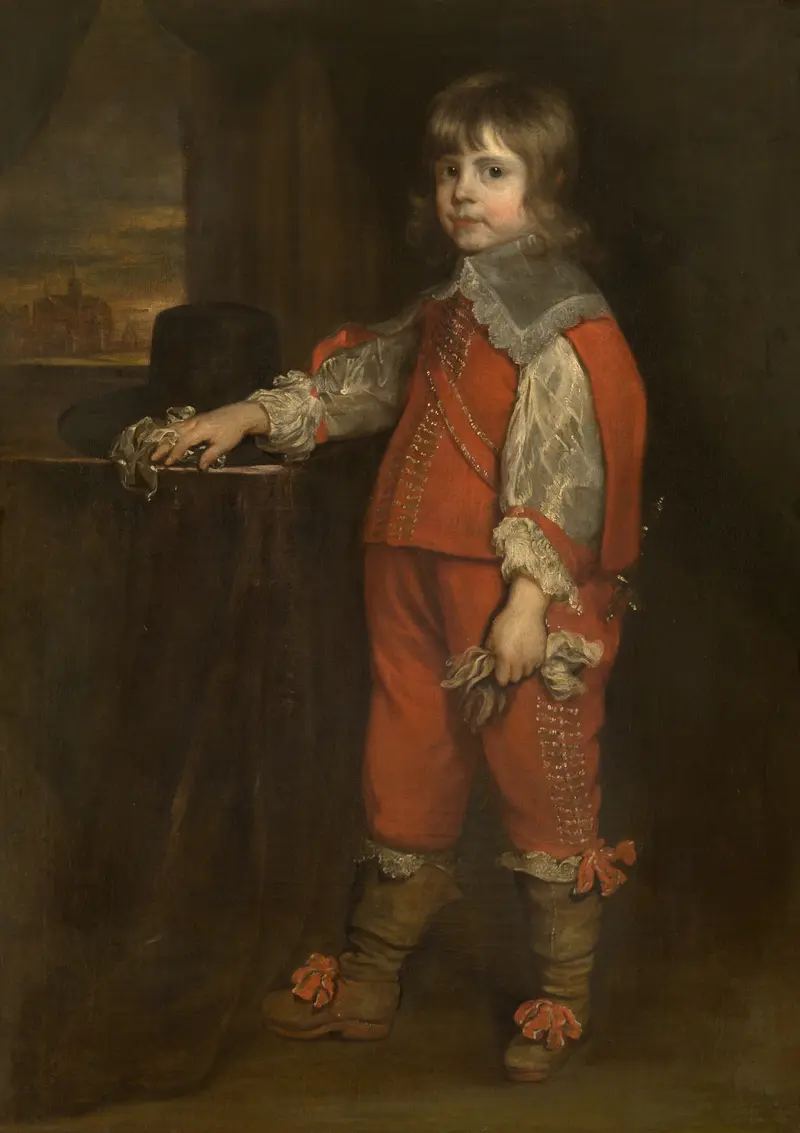
Charles II, when Prince of Wales
Adriaen Hanneman
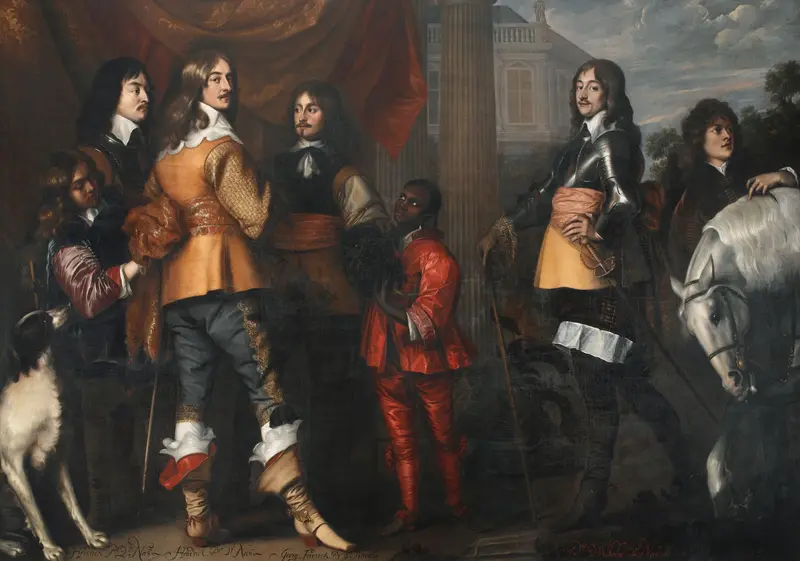
Group portrait Willem Frederik v Nassau-Dietz,Hendrik Casimir I v Nassau-Dietz,Hendrik v Nassau-Siegen,George Frederik v Nassau-Siegen with servants
Adriaen Hanneman
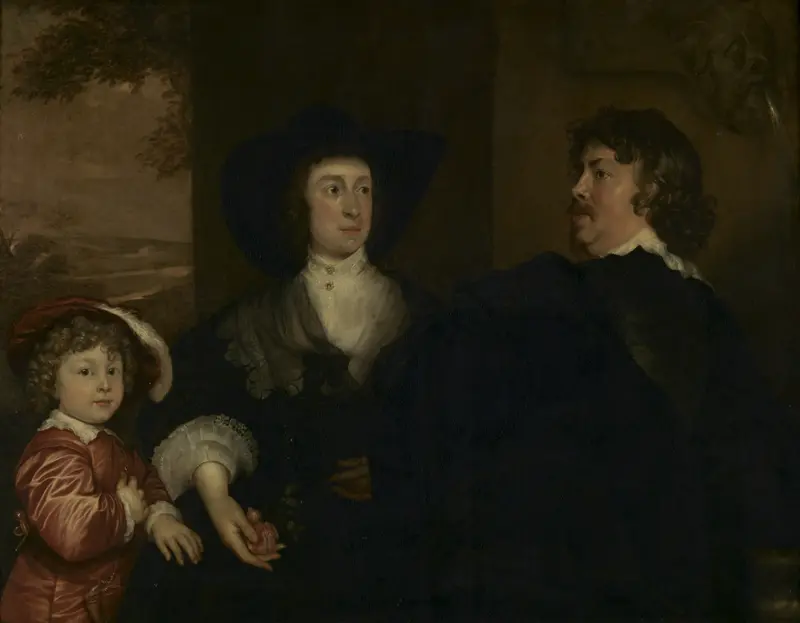
Family portrait of Cornelis Janson van Ceulen (1593-1661), Elisabeth Beck (died 1670) and their son Cornelis Janson van Ceulen (1634-1715)
Adriaen Hanneman
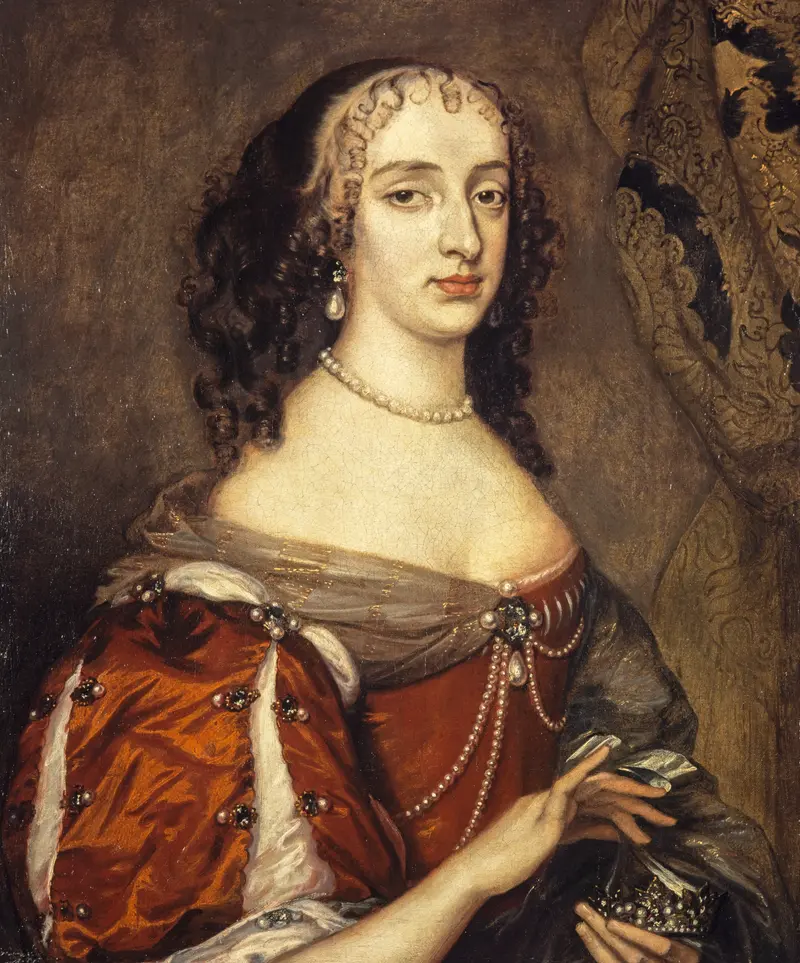
Princess Mary, 1631 - 1660. Eldest daughter of Charles I; Princess of Orange
Adriaen Hanneman
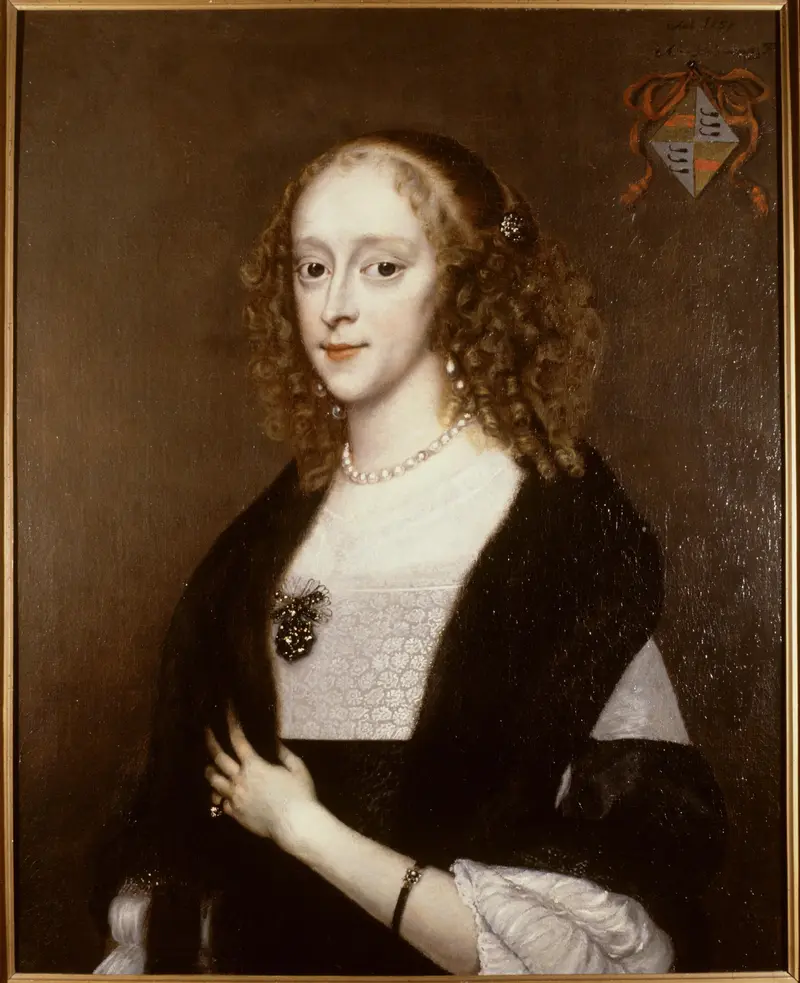
Portrait of Wendela Bicker (1636-1668)
Adriaen Hanneman
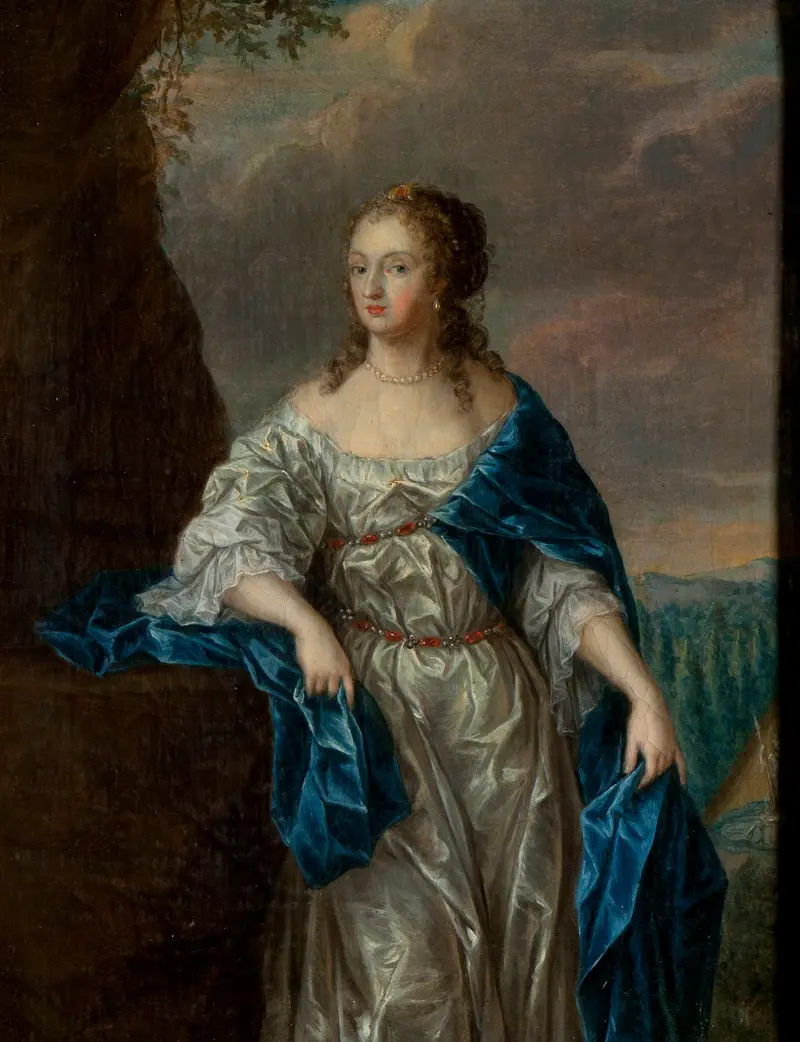
Mary Killegrew (born 1627), Countess of Nassau. Wife of Frederik van Nassau-Zuylenstein
Adriaen Hanneman
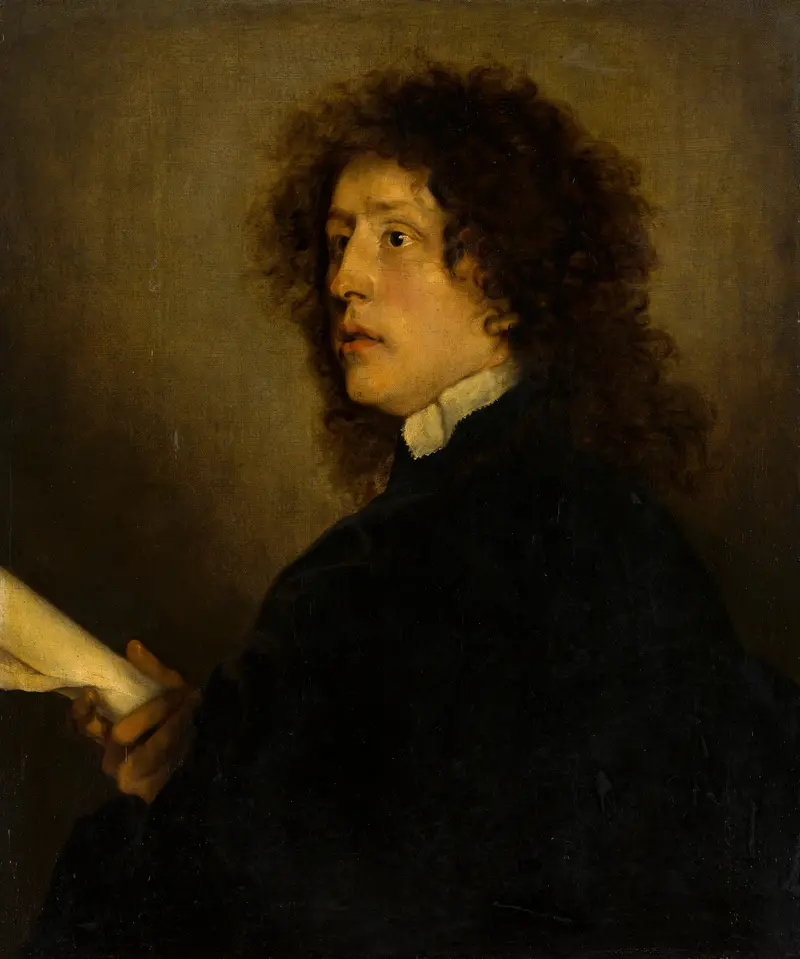
Portrait of a Man
Adriaen Hanneman
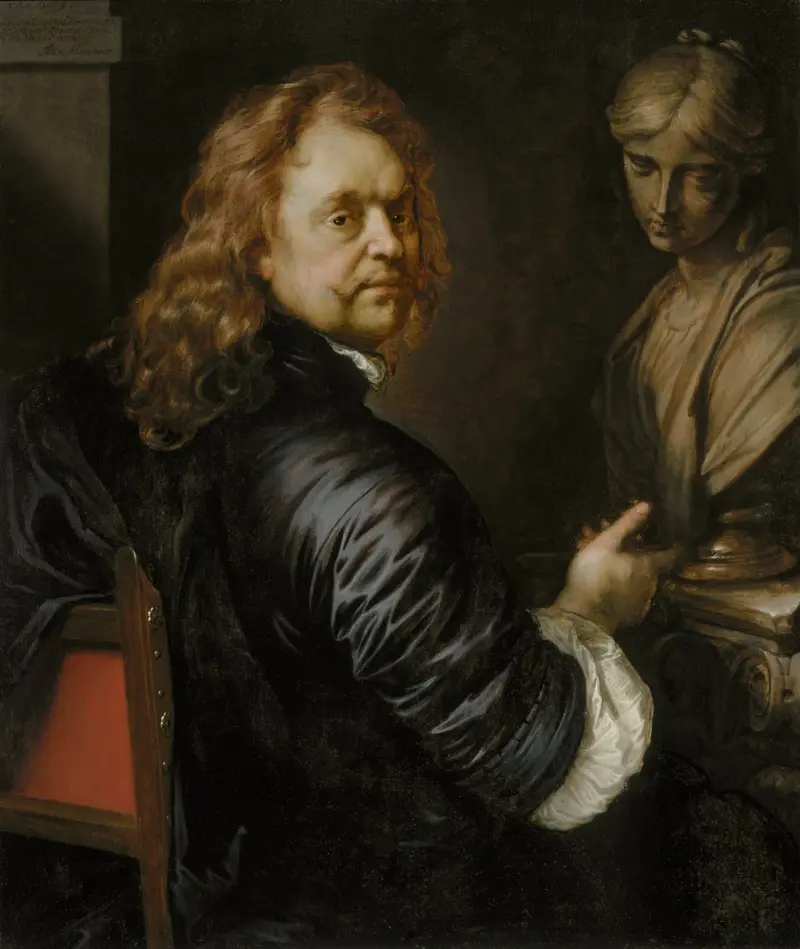
Self-portrait
Adriaen Hanneman





