
Portrait of Simon Renard — History & Facts
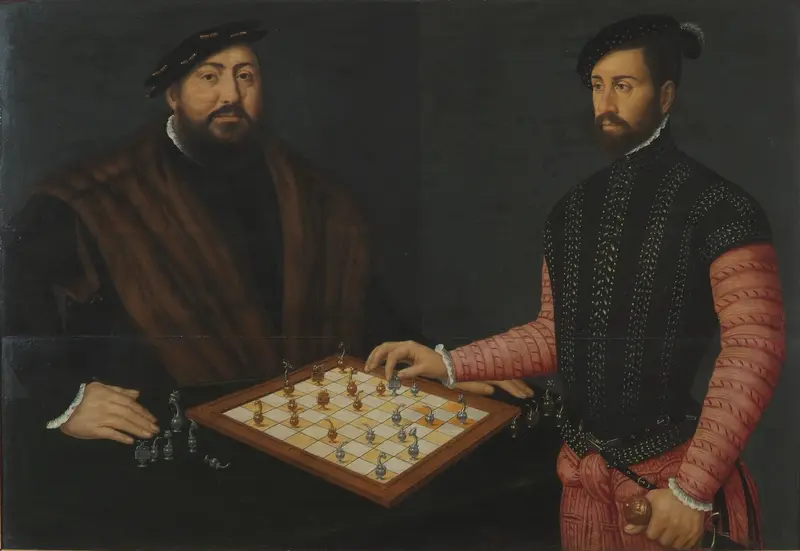
What first arrests the viewer here is the intense, unwavering gaze of the sitter, whose eyes meet ours with a quiet authority. The darkness of his garments, nearly blending into the background, draws all attention to the illuminated face and the carefully rendered hands resting on a ledge. The sitter’s angular beard, crisp lace collar, and black cap are not mere details of fashion—they signal a man of standing, perhaps one entrusted with weighty matters.
The light is handled with restraint, spotlighting the sitter’s features and lending an air of introspection, as though we have interrupted a moment of private calculation. Every fold in the sleeve, every subtle shift in the flesh around the eyes, suggests a portrait crafted to communicate presence and intellect. Painted in 1553, this work belongs to a world where portraiture was a tool of power and memory, especially among the elite of Renaissance Europe. In the mid-sixteenth century, figures like the one before us—merchants, diplomats, or scholars—commissioned such likenesses to assert their status and preserve their image for posterity.
The artist, Antonis Mor, was celebrated for his ability to capture both the likeness and the psychological weight of his subjects, a hallmark of the era’s most sought-after portraitists. Today, the painting resides in the Musée du temps in Besançon, a fitting home for an image so steeped in the calculation of legacy and the passage of time. Look again at the sitter’s hands and eyes: they hold the tension between public role and private thought, inviting us to imagine the world he inhabited.
More Artworks by Antonis Mor

Portrait of a Man
Antonis Mor
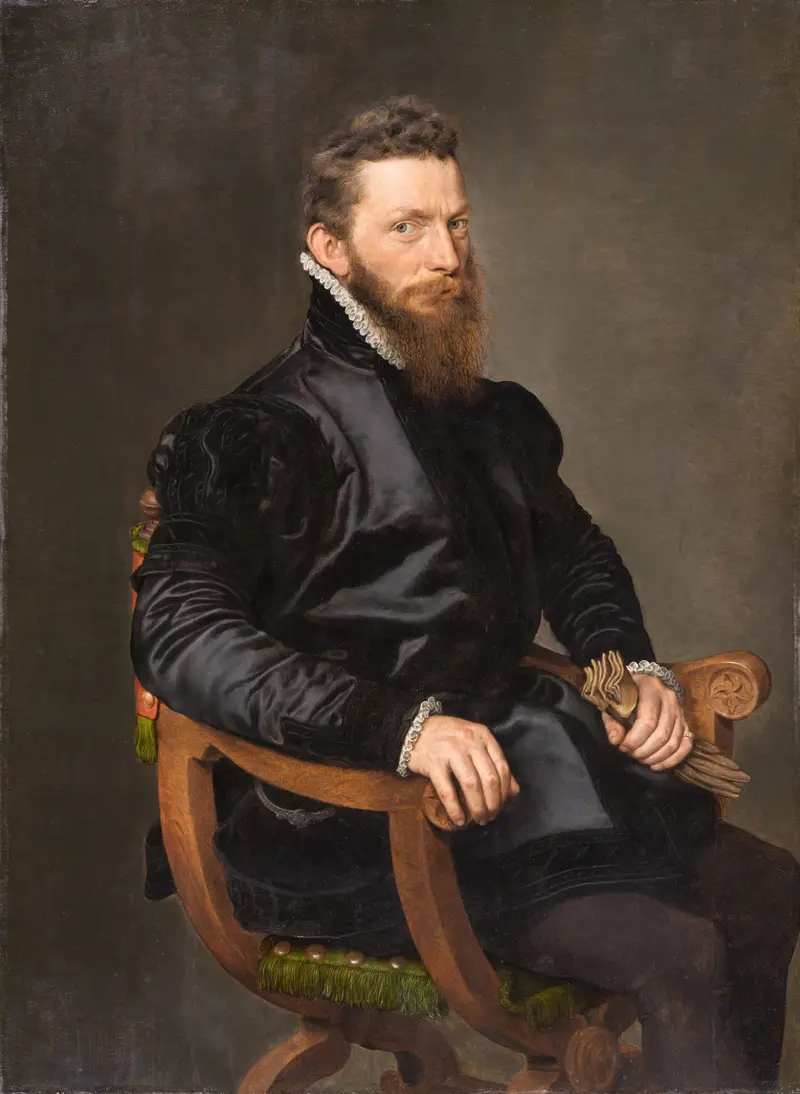
Portrait of a Gentleman
Antonis Mor
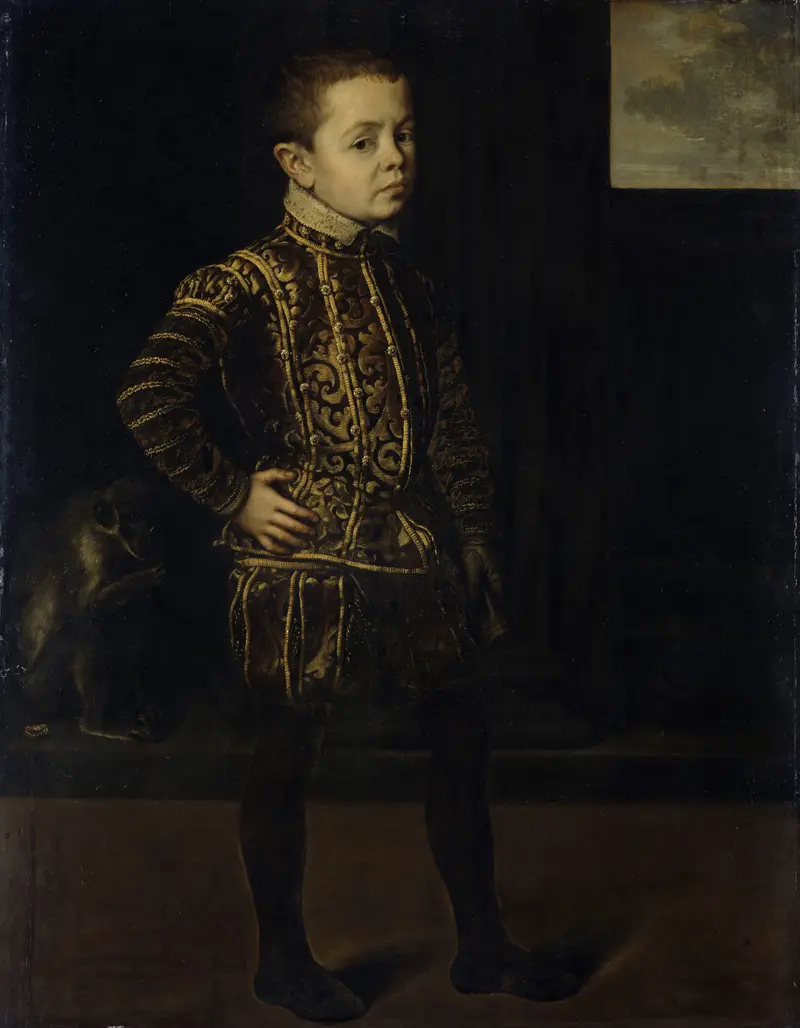
Portrait of a young prince
Antonis Mor
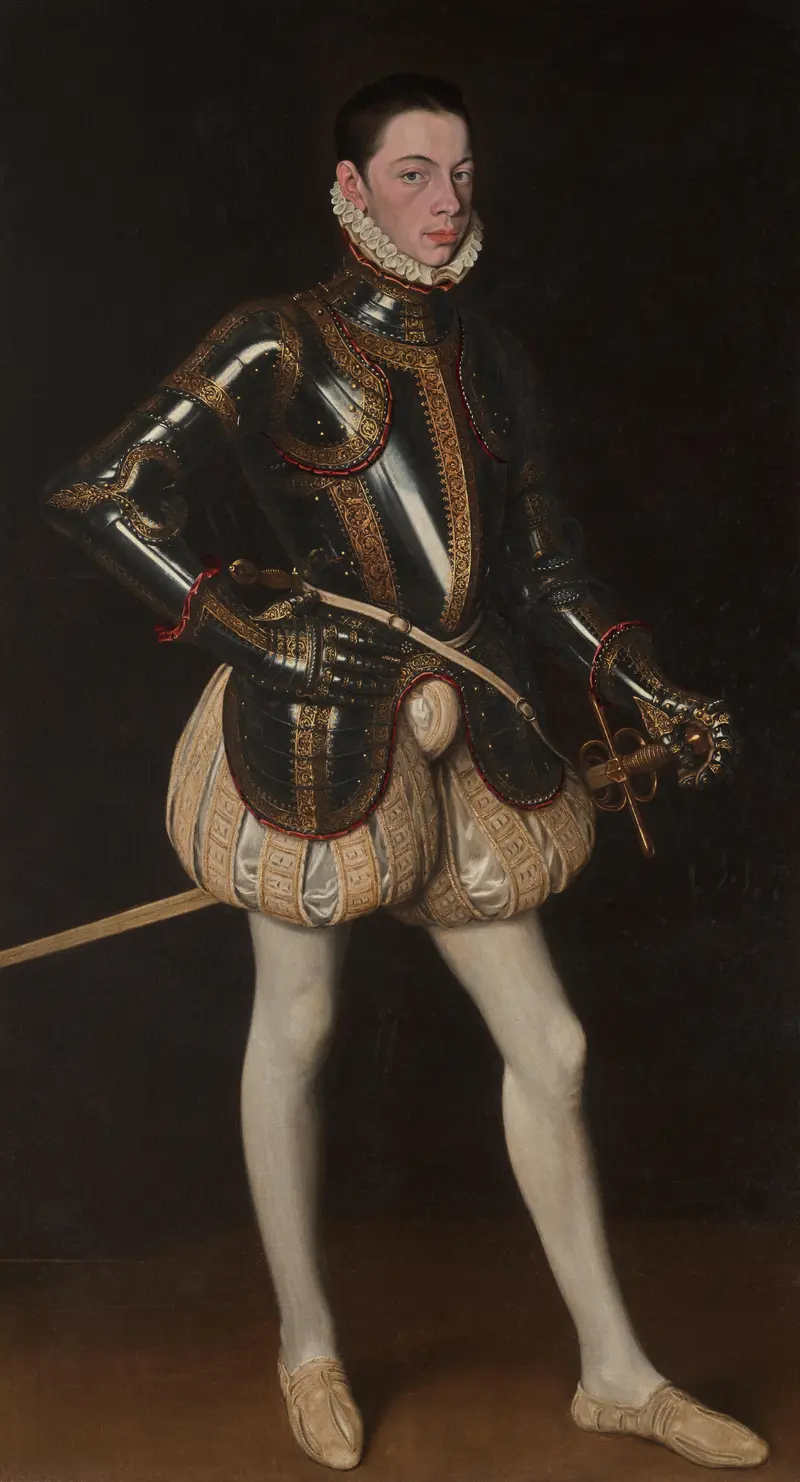
Alessandro Farnese in Armor
Antonis Mor
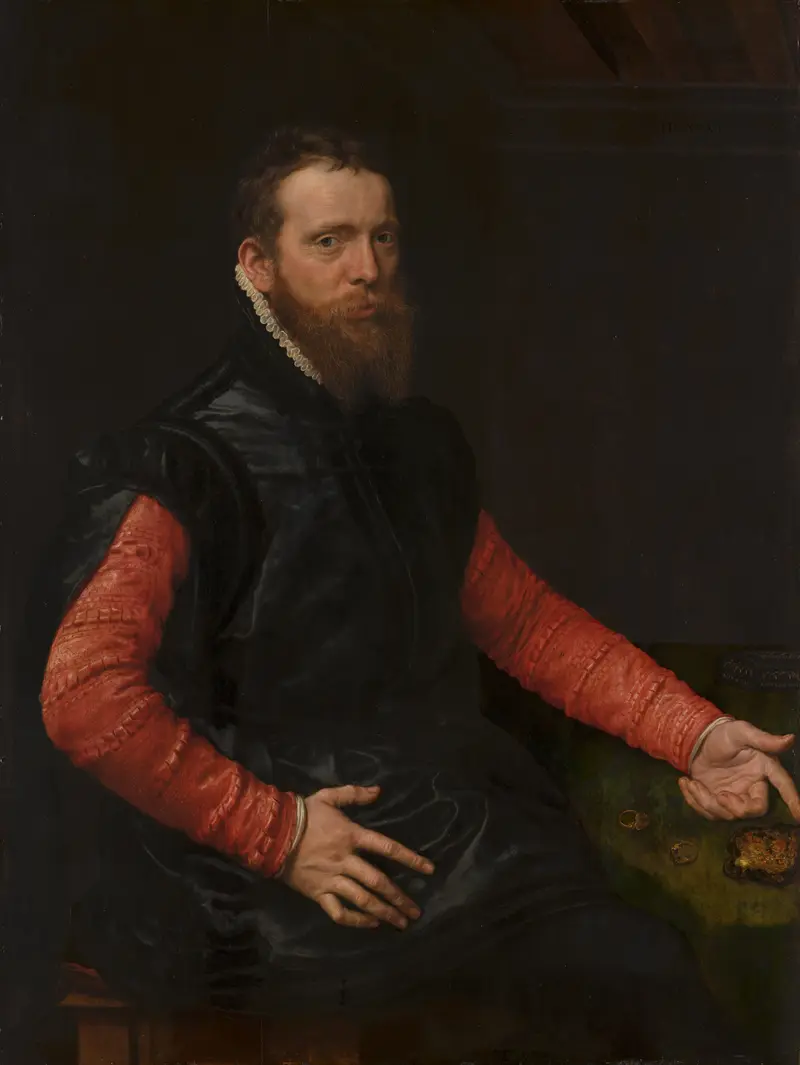
Steven van Herwijck
Antonis Mor
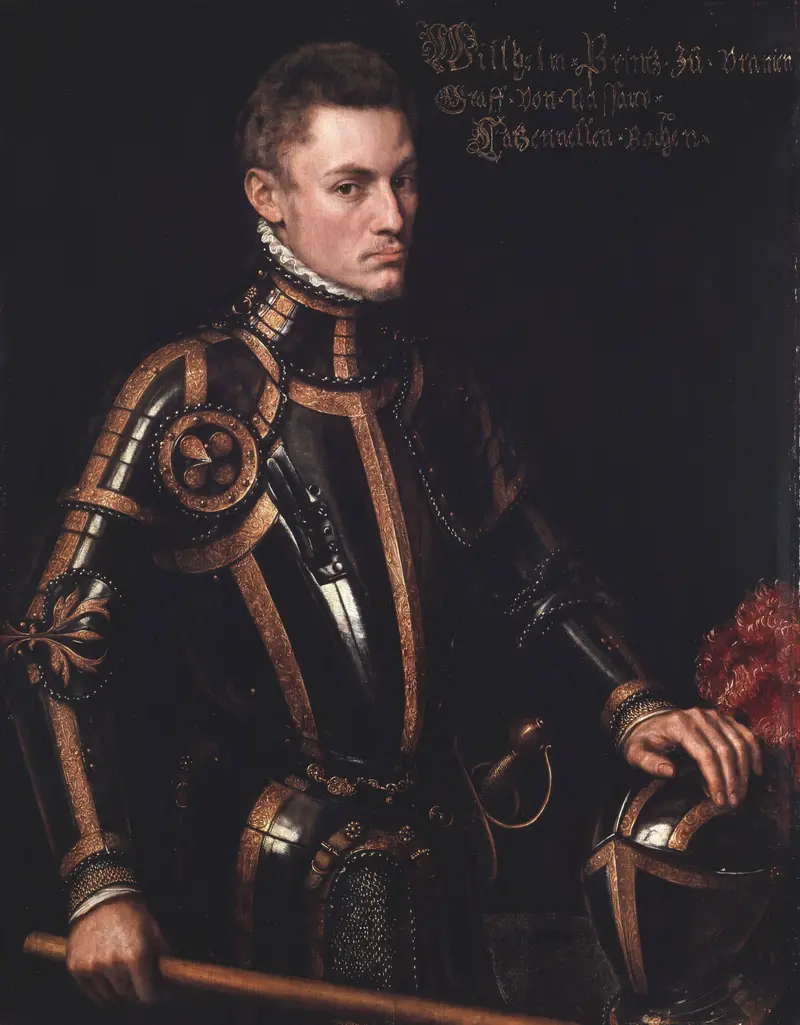
Portrait of William I of Nassau
Antonis Mor
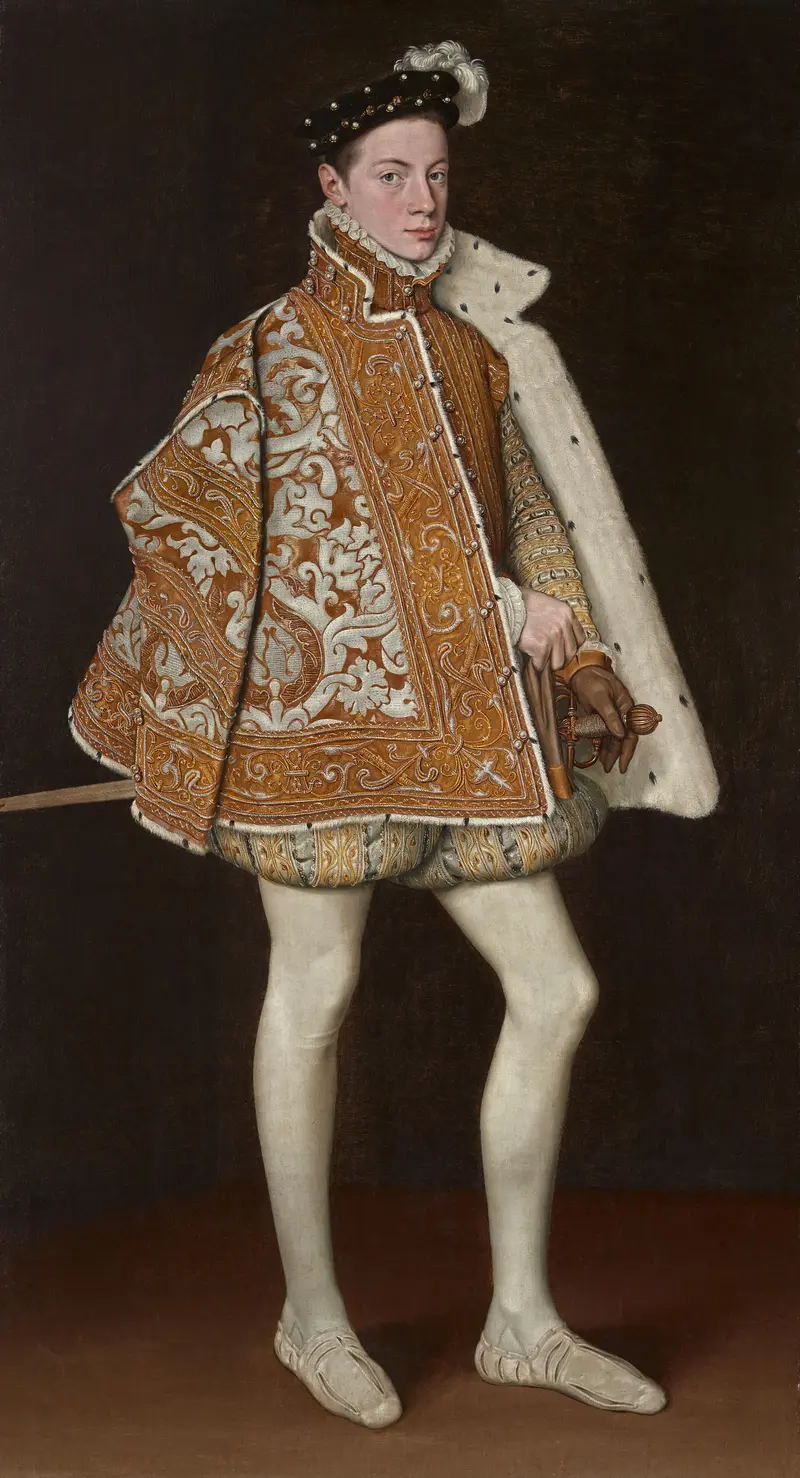
Portrait of Alessandro Farnese in Cape and Black Cap
Antonis Mor
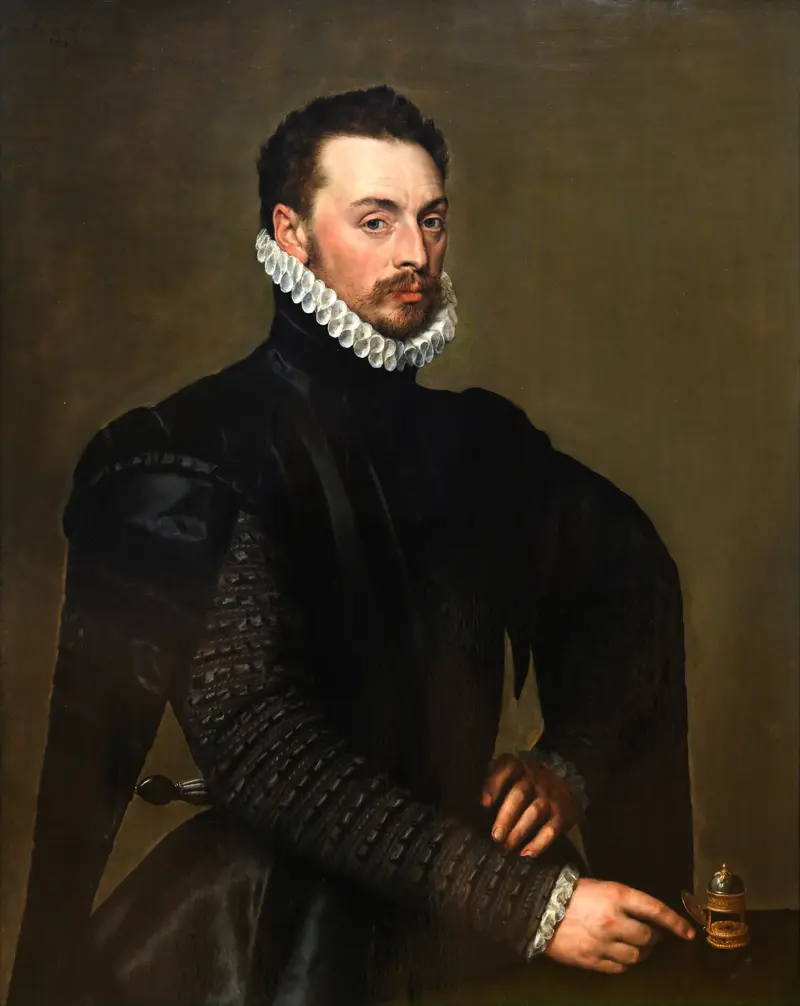
Portrait d'homme désignant une pendule Antonio Moro Musée du Louvre Peintures INV 1582 ; MR 880
Antonis Mor
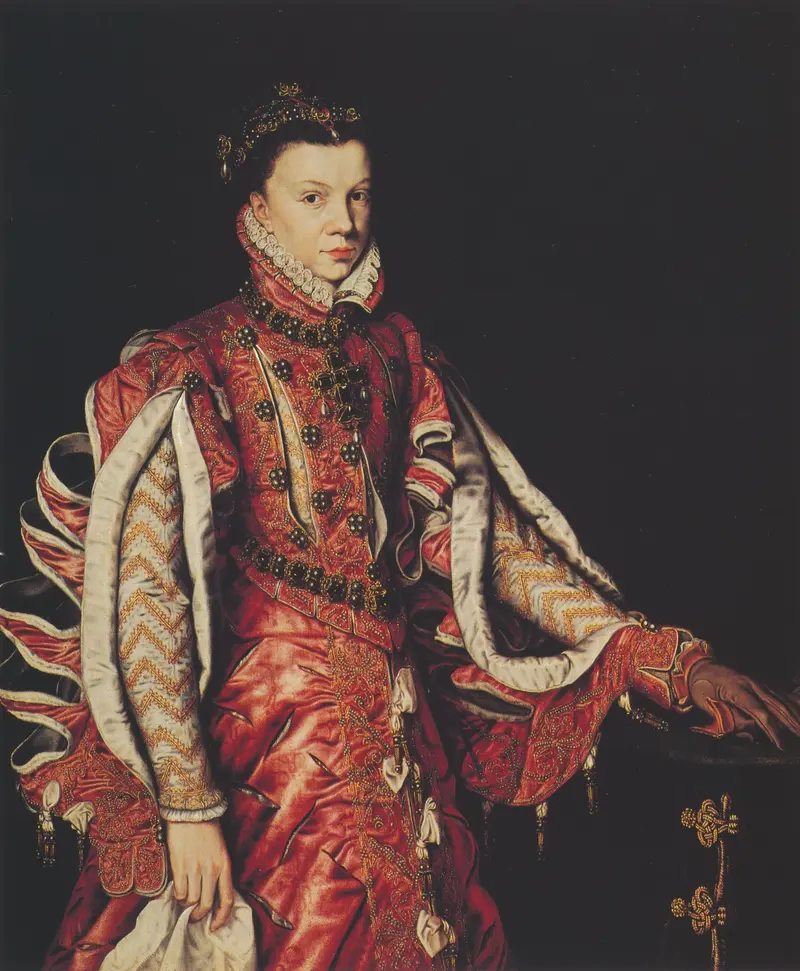
Portrait of Elisabeth of Valois, third wife of King Philip II of Spain
Antonis Mor
Von Sachsen vs. a Spaniard
Antonis Mor





