
Portrait of Sir Thomas Gresham, pendant to portrait of Anne Fernely — History & Facts
It is the directness of the sitter’s gaze that first arrests the viewer, as if the man in black velvet has just paused mid-thought to weigh your presence. The light, cool and precise, slips across the folds of his sleeve and the sharp edge of his ruff, settling finally on the pale, watchful face. His right hand, gloved but with fingers exposed, rests with deliberate care on the arm of the chair, a pose that suggests both readiness and restraint.
The chair’s carved finial and the subtle glint of a ring hint at status, but nothing here is ostentatious; the true drama is in the controlled stillness, the sense of calculation behind those grey-blue eyes. The muted palette—deep blacks, warm browns, a touch of white at the collar—serves to focus all attention on the sitter’s expression, where a lifetime of negotiation and calculation seems to gather. This portrait belongs to the world of mid-sixteenth-century Northern Europe, when the rise of merchant dynasties and the spread of Renaissance ideals transformed both commerce and art. Portraits like this one, painted between circa 1560 and 1565 by Antonis Mor, were not mere likenesses but statements of identity and ambition, often commissioned by those who had risen by wit and enterprise rather than birth.
The sitter, identified as Sir Thomas Gresham, was a key figure in the English crown’s dealings in the Netherlands—a world where trust, reputation, and self-presentation could mean the difference between fortune and ruin. The painting, now in the Rijksmuseum, stands as a testament to a moment when the boundary between merchant and noble was blurring, and when a man’s face could be his calling card. Look again at the eyes, and consider what it meant to be both seen and remembered in such an age.
More Artworks by Antonis Mor

Portrait of a Man
Antonis Mor
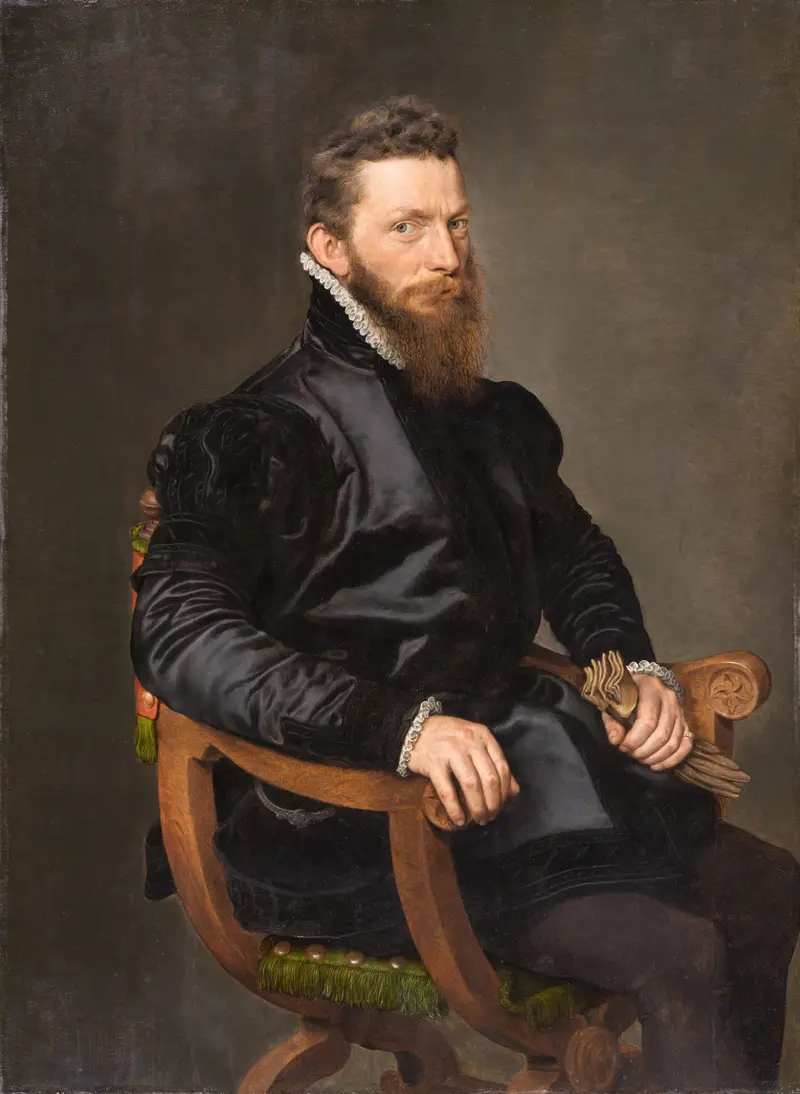
Portrait of a Gentleman
Antonis Mor
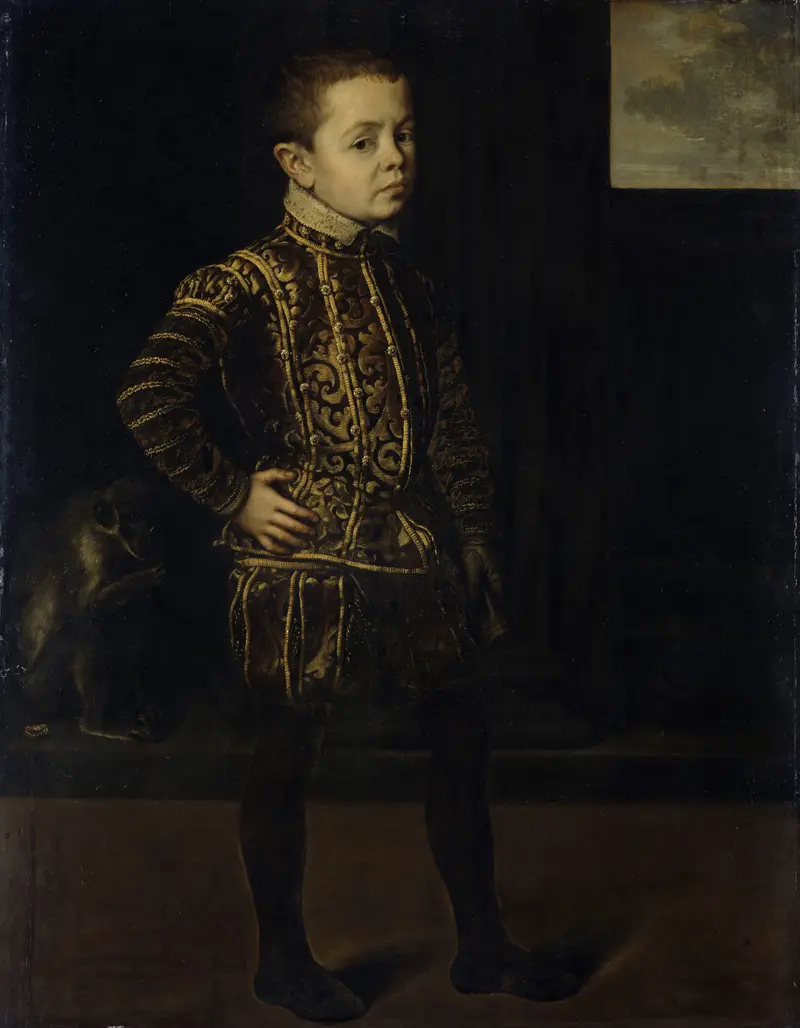
Portrait of a young prince
Antonis Mor
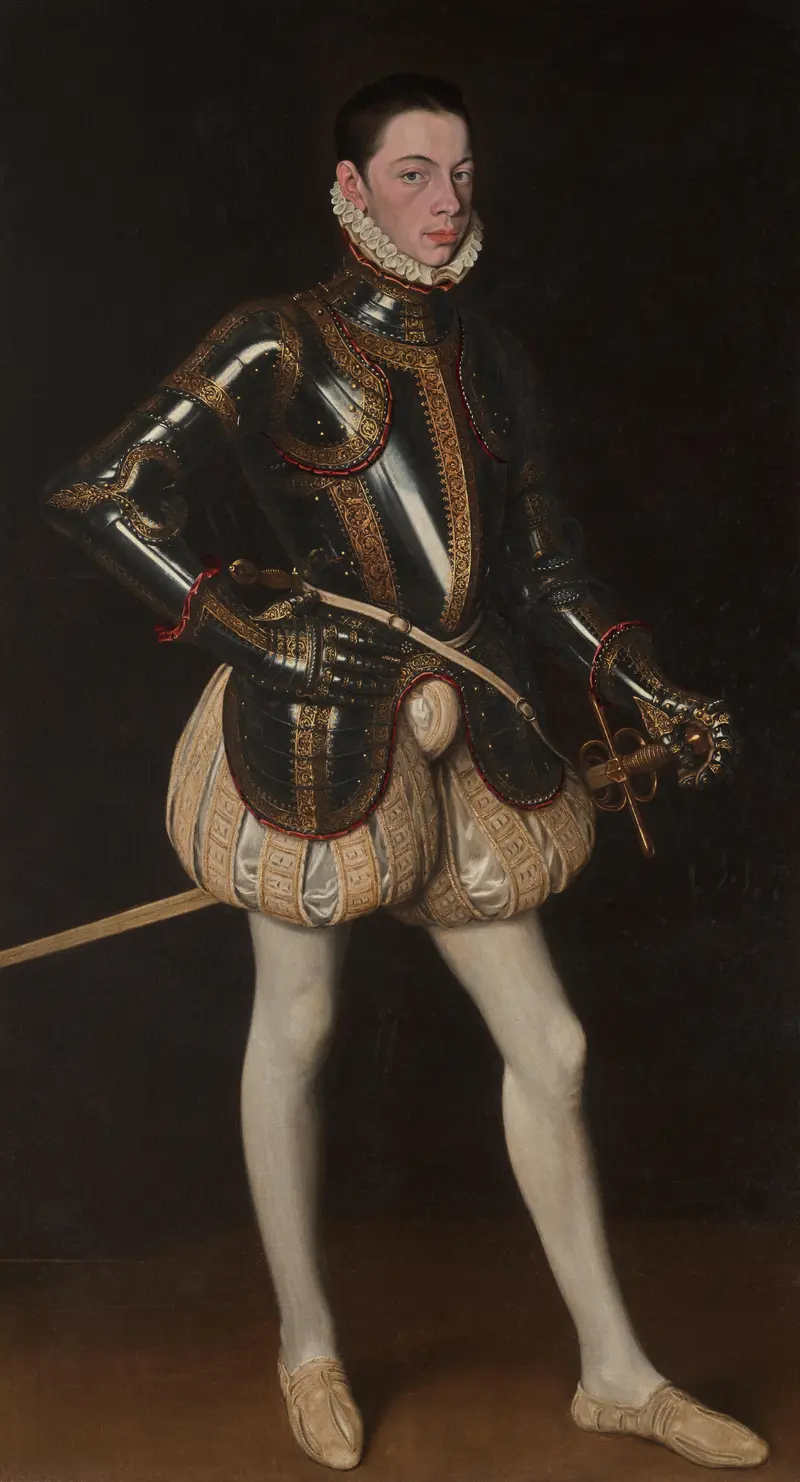
Alessandro Farnese in Armor
Antonis Mor
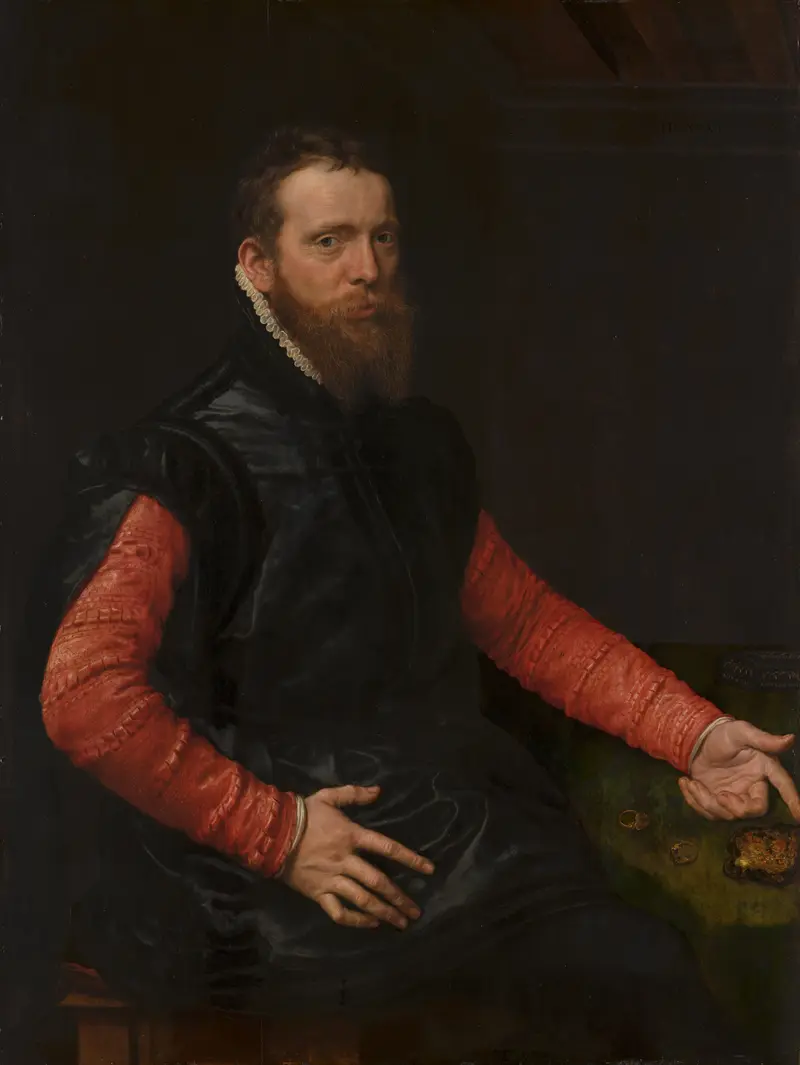
Steven van Herwijck
Antonis Mor
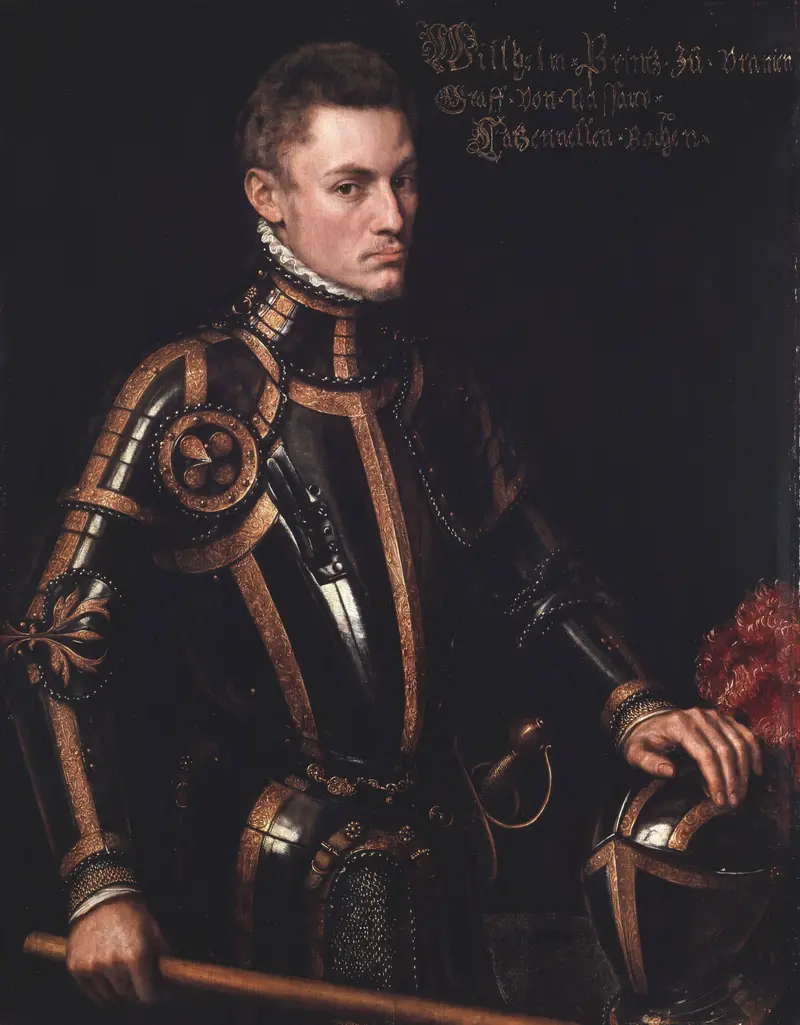
Portrait of William I of Nassau
Antonis Mor
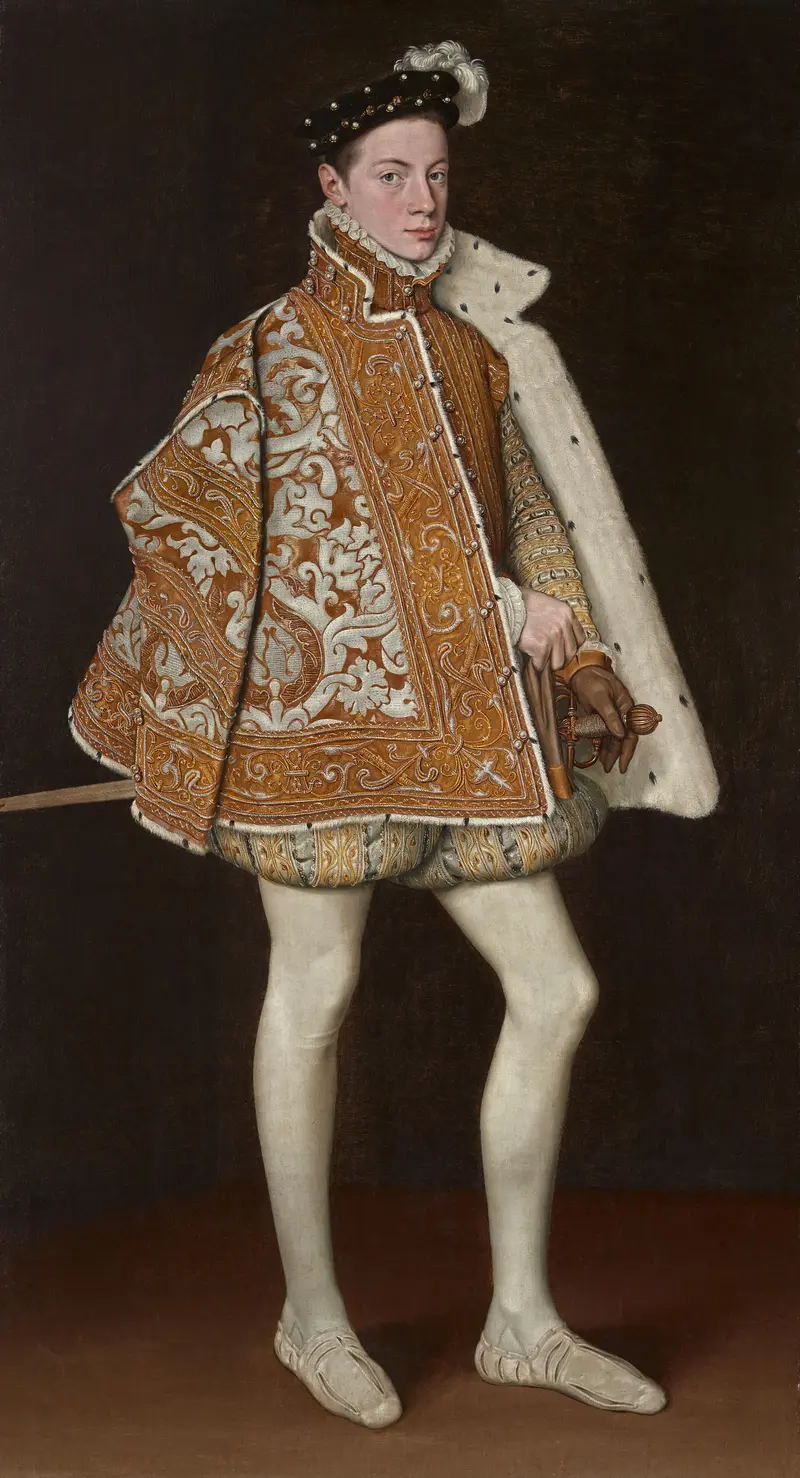
Portrait of Alessandro Farnese in Cape and Black Cap
Antonis Mor
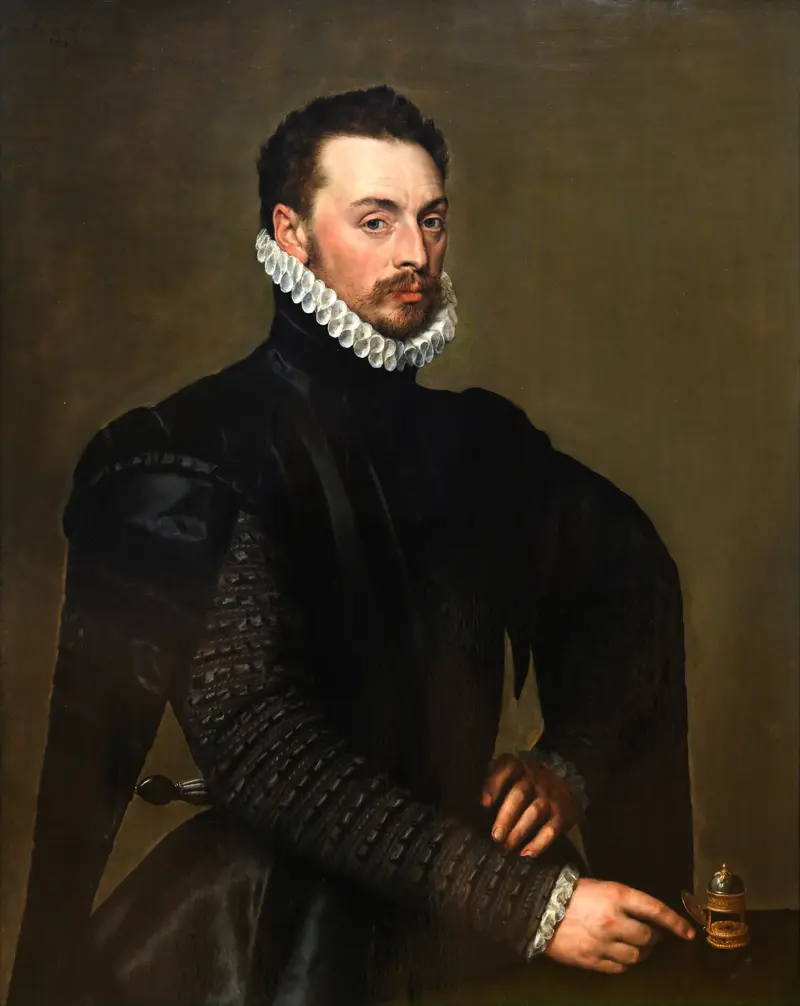
Portrait d'homme désignant une pendule Antonio Moro Musée du Louvre Peintures INV 1582 ; MR 880
Antonis Mor
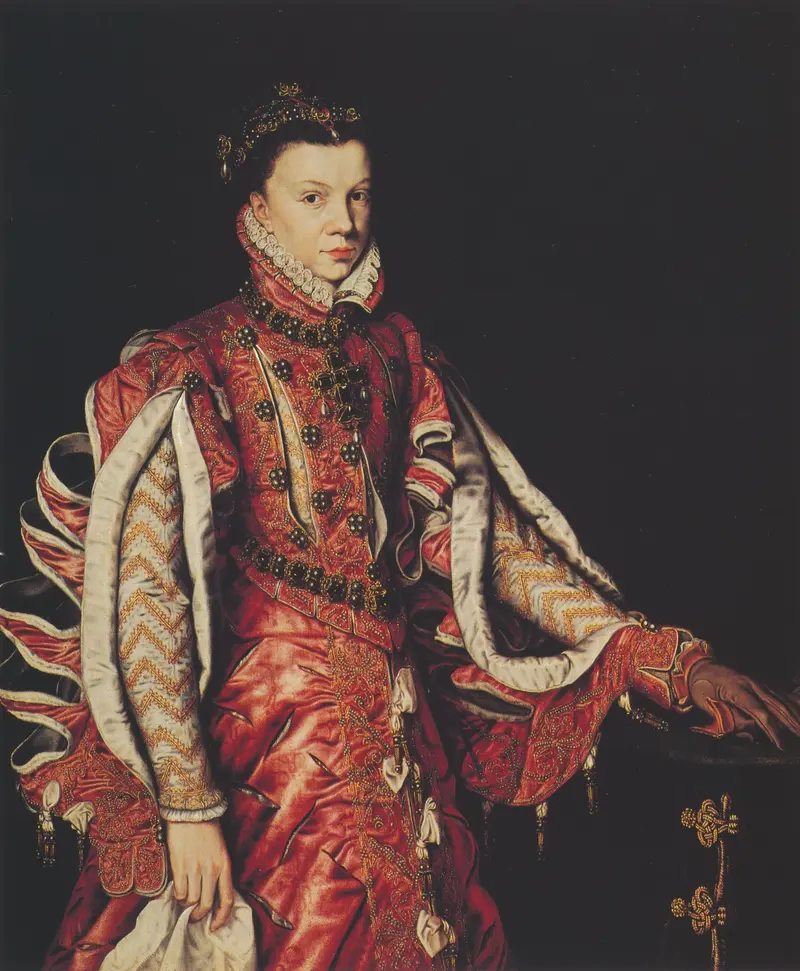
Portrait of Elisabeth of Valois, third wife of King Philip II of Spain
Antonis Mor
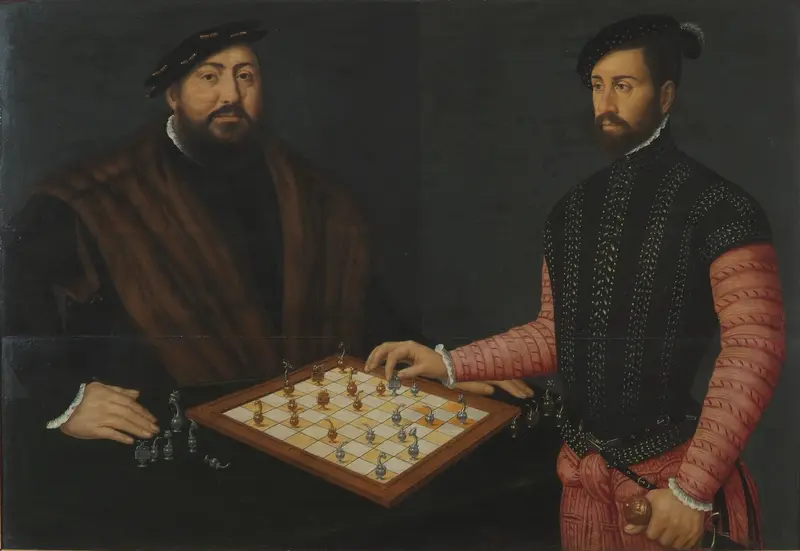
Von Sachsen vs. a Spaniard
Antonis Mor





