
Portrait of the Artist — History & Facts
When Mary Cassatt exhibited Portrait of the Artist at the Salon of 1874, she became one of the rare American women to break into the Parisian art world’s most prestigious showcase. The painting’s presence was a quiet but radical statement: Cassatt, then in her early thirties, was staking her claim as both subject and creator at a time when women were rarely welcomed as either. Critics took note—some with admiration, others with skepticism—of her boldness in presenting herself not as a passive sitter but as an active, thinking artist. Cassatt chose to capture herself in a moment of direct, unflinching self-scrutiny.
Seated, she gazes outward with a candor that feels almost challenging, her hands resting confidently in her lap. The background is subdued, focusing attention on her face and the subtle interplay of light across her features. Unlike the more decorative or idealized self-portraits by her contemporaries, such as those by Édouard Manet, Cassatt’s approach is forthright, almost analytical—her clothing is practical, her posture assured, her expression thoughtful.
The painting’s realism and restraint signal her commitment to the new directions in art she would soon explore with the Impressionists. The exact medium of Portrait of the Artist remains uncertain, though it is likely oil on canvas, typical for Cassatt at this stage. The painting’s early exhibition at the Salon marked a turning point in her career, shortly before she joined forces with Degas and the Impressionist circle. Its subsequent history is less well documented; the work passed through private collections before entering a museum, where it now stands as a testament to Cassatt’s determination and vision.
Today, it is recognized as a key early self-portrait, capturing the artist at the threshold of her most innovative years.
More Artworks by Mary Cassatt

The Child's Bath
Mary Cassatt
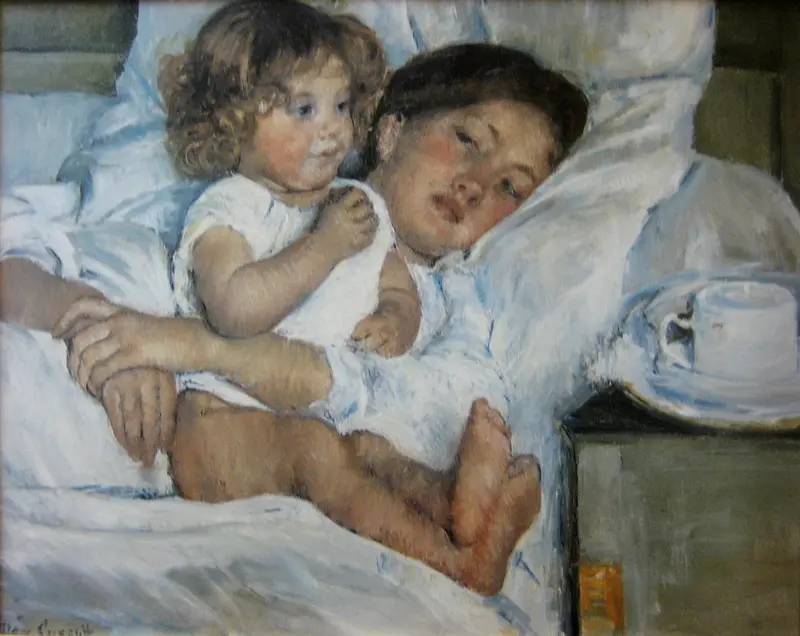
Breakfast in Bed
Mary Cassatt

Mother and Child (Baby Getting Up from His Nap)
Mary Cassatt
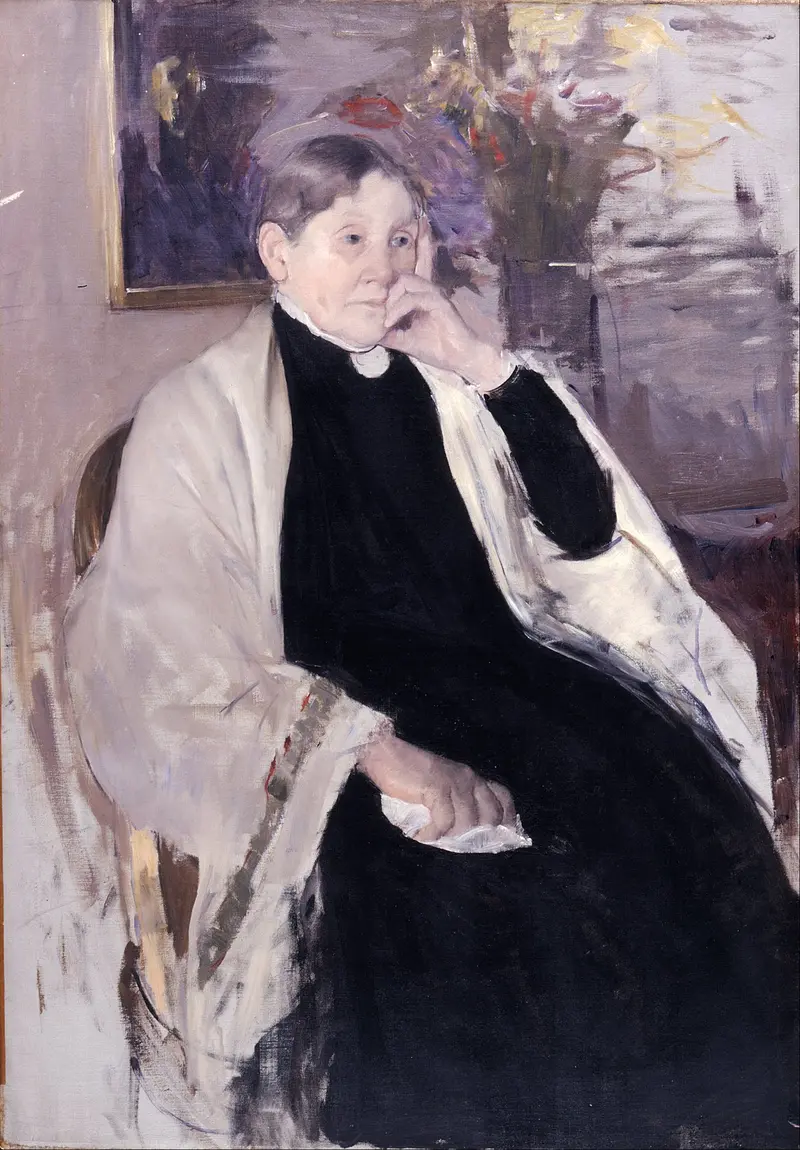
Mrs. Robert S. Cassatt, the Artist's Mother
Mary Cassatt
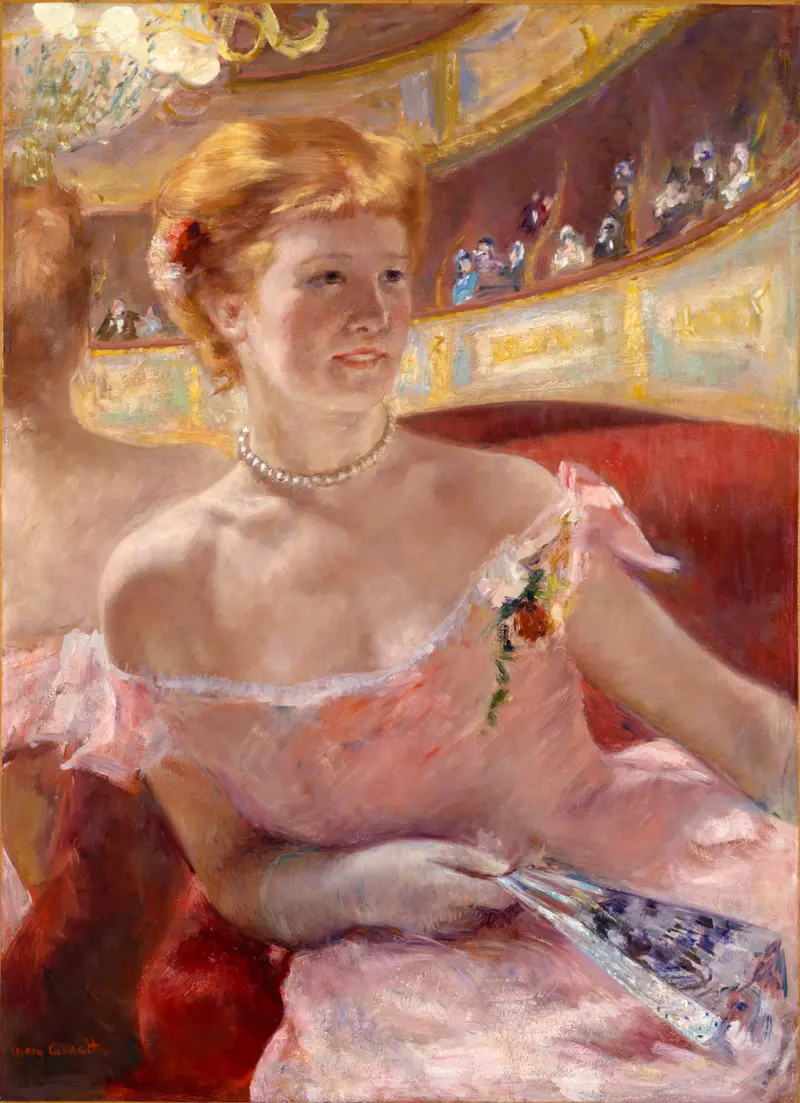
Woman with a Pearl Necklace in a Loge
Mary Cassatt
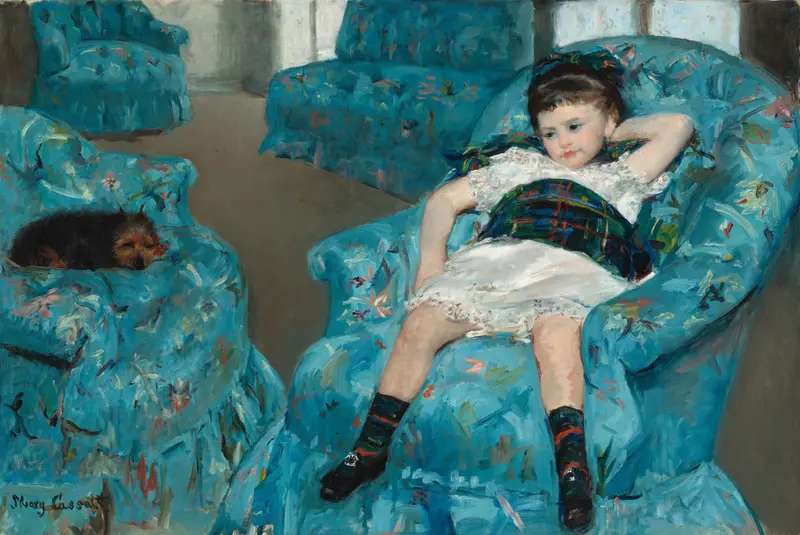
Little Girl in a Blue Armchair
Mary Cassatt
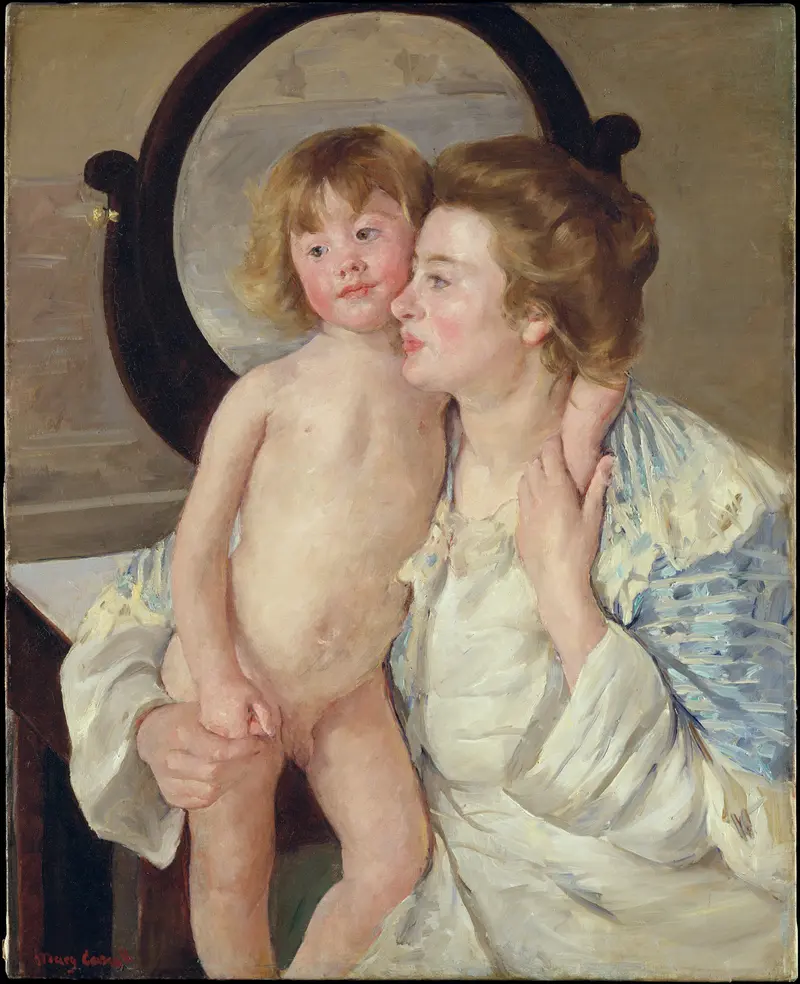
Mother and Child (The Oval Mirror)
Mary Cassatt
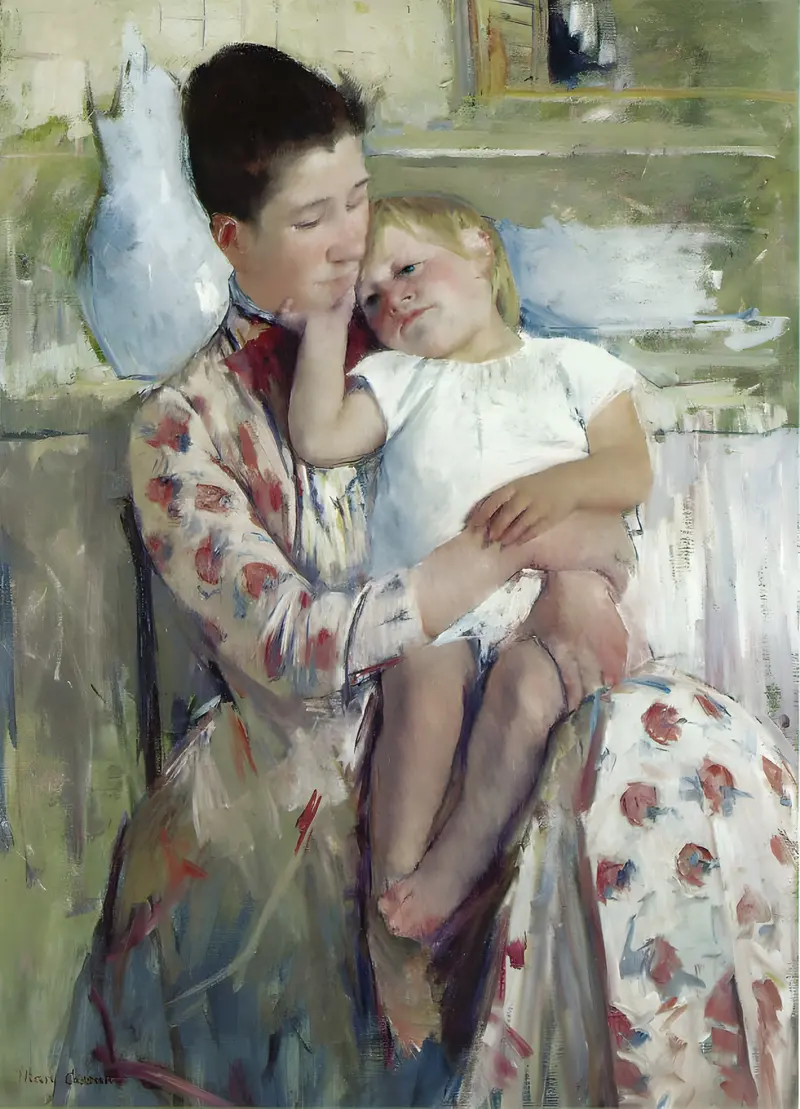
Mother and Child
Mary Cassatt
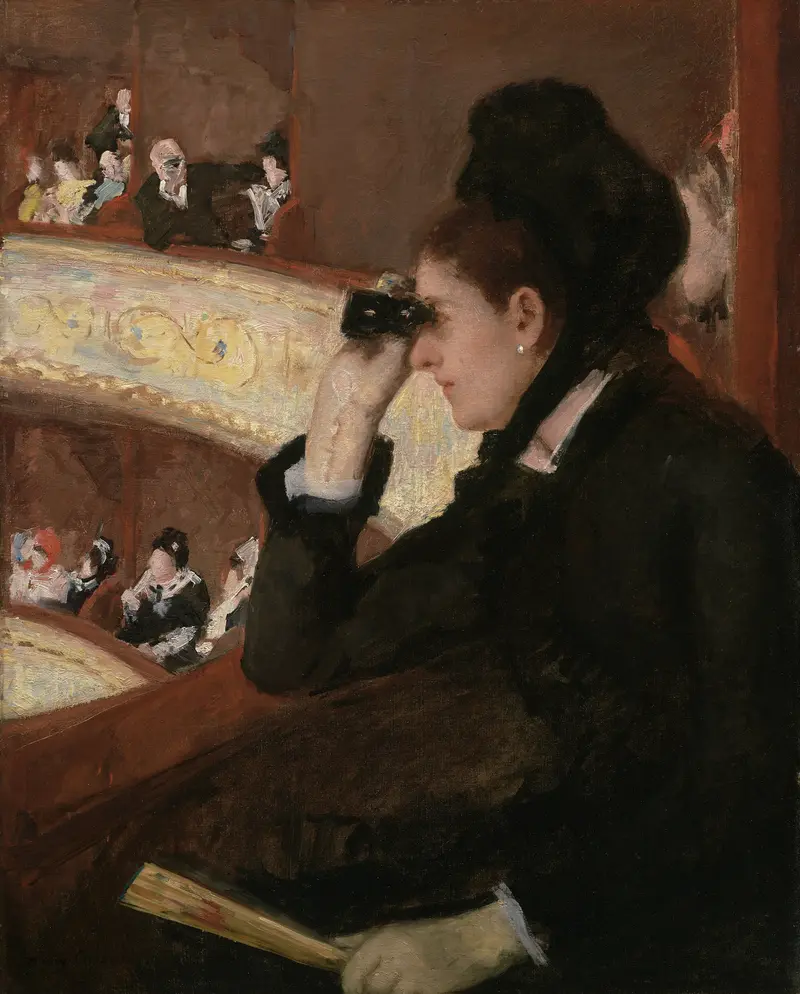
In The Loge
Mary Cassatt
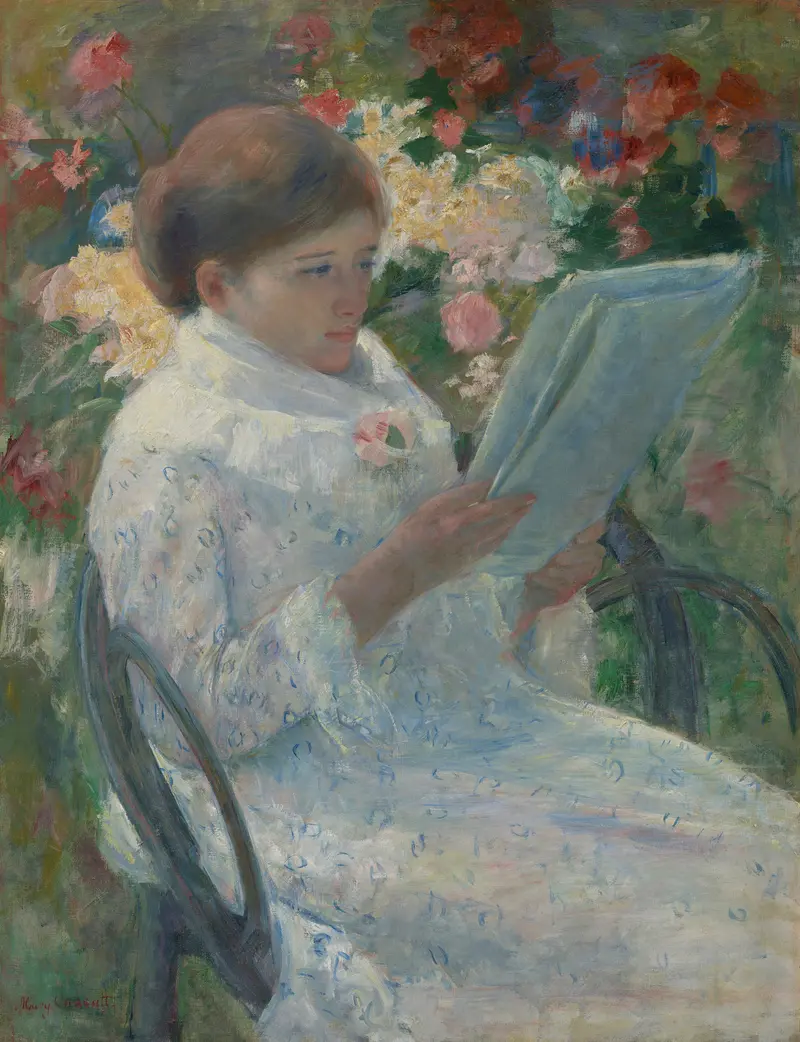
On a Balcony
Mary Cassatt





