
Portrait of Tommaso Inghirami — History & Facts
When Raphael painted Portrait of Tommaso Inghirami around 1510, he captured not just a man, but a celebrated intellect at the very heart of Renaissance Rome. Inghirami, famously nicknamed “Phaedra” for his performance in a Seneca play before Pope Alexander VI, was the Vatican’s chief librarian and a star in the papal court’s constellation of humanists. The portrait’s most arresting feature is its subtle acknowledgment of Inghirami’s pronounced strabismus—his eyes do not quite meet the viewer’s gaze, a detail that contemporary accounts suggest Raphael rendered with both accuracy and respect.
This honest depiction was unusual for the time, when sitters often demanded idealized likenesses. The scene is set in a study, with Inghirami dressed in rich ecclesiastical robes, a book in hand, and a distant, thoughtful expression. The open volume alludes to his scholarly pursuits, while the red garments signal his high status within the Church. Light falls gently across his face, highlighting the intelligence and introspection that made him a favorite of both popes and poets.
Unlike the more formal, rigid portraits of the period—such as those by Hans Holbein—Raphael’s approach is intimate, almost conversational, inviting the viewer into the sitter’s private world. The soft background and relaxed pose suggest a moment of reflection rather than public display. The painting’s early history is not fully documented, but it was likely commissioned by Inghirami himself or a close associate, eager to commemorate his achievements and connections. Over the centuries, the work has been admired for its psychological depth and technical skill, marking a turning point in Raphael’s portraiture as he moved toward greater naturalism.
Today, Portrait of Tommaso Inghirami resides in the Galleria Palatina in Florence, where it continues to intrigue viewers with its blend of realism and Renaissance humanism. Its journey from papal Rome to a Florentine palace mirrors the enduring fascination with both the sitter and the artist.
More Artworks by Raphael

Madonna of the Goldfinch
Raphael

Madonna with the Fish
Raphael
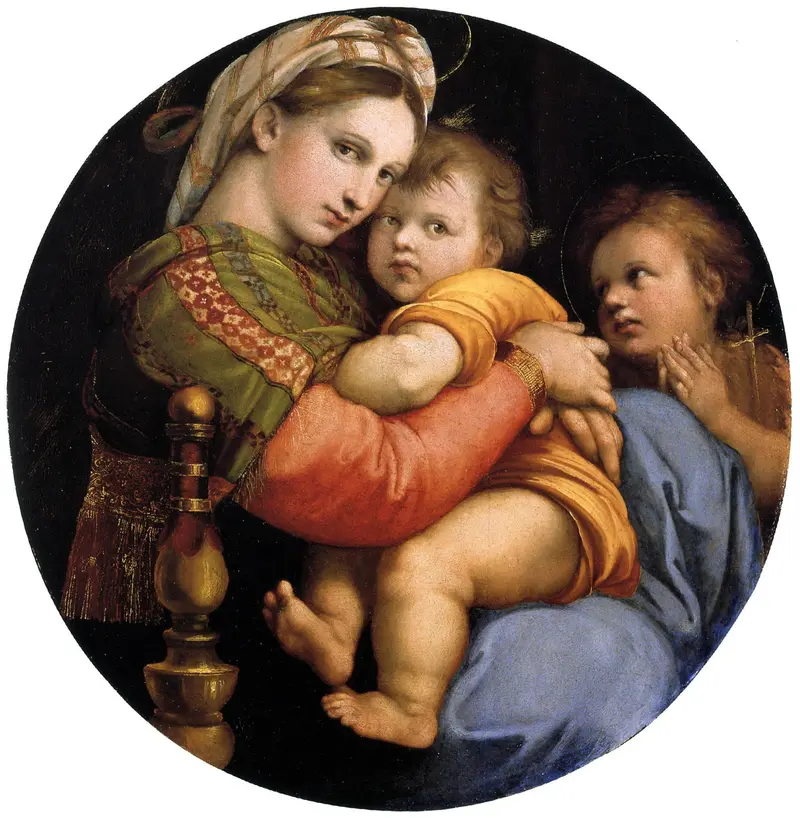
Madonna and Child (Madonna della Seggiola)
Raphael
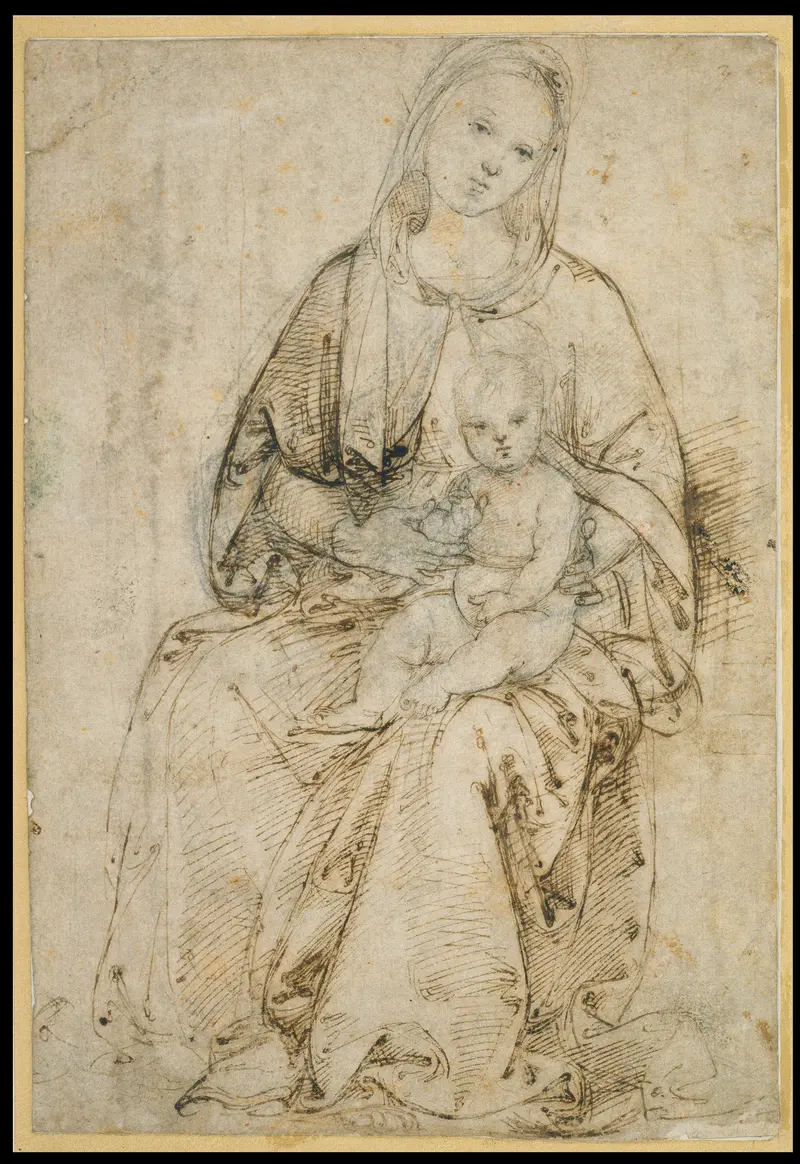
Seated Madonna and Child
Raphael
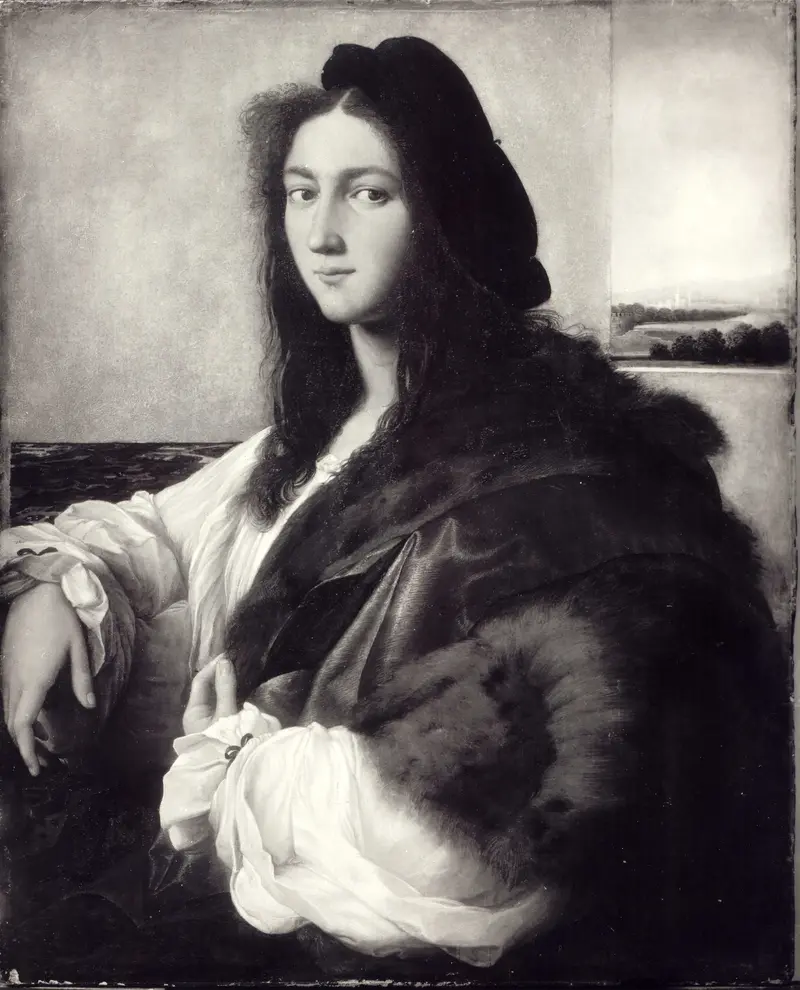
Portrait of a Young Man
Raphael
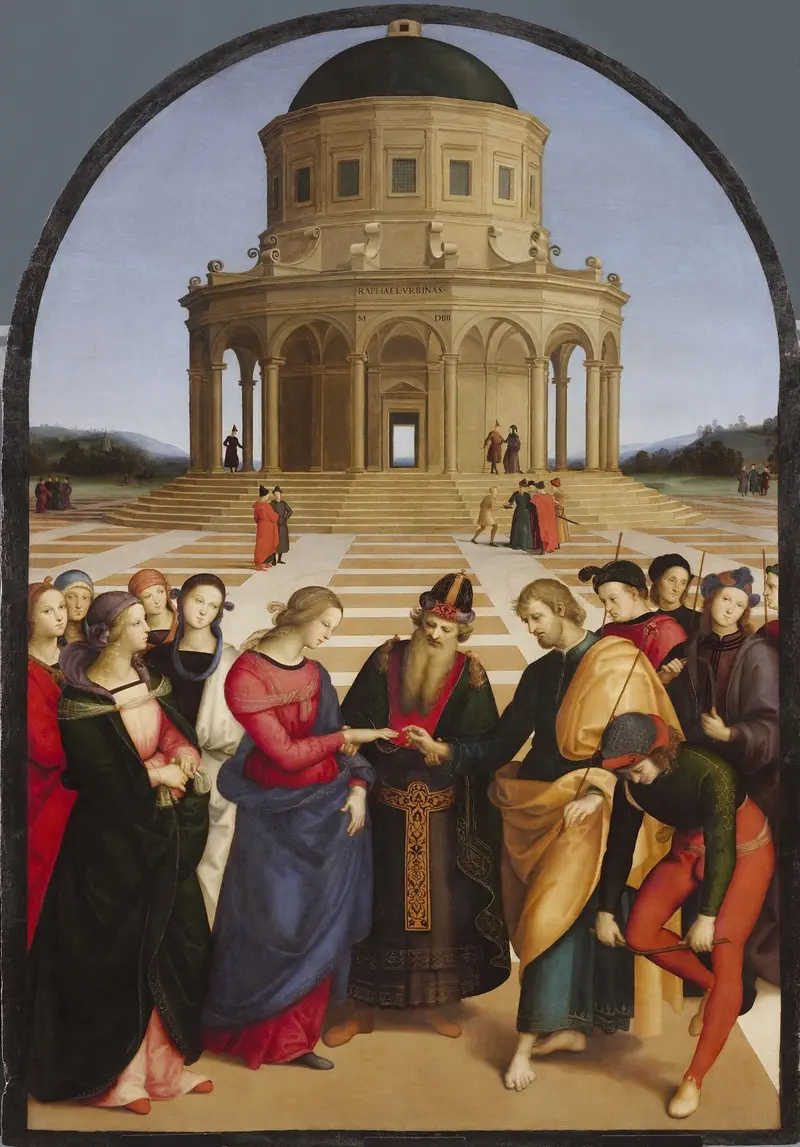
The Marriage of the Virgin
Raphael
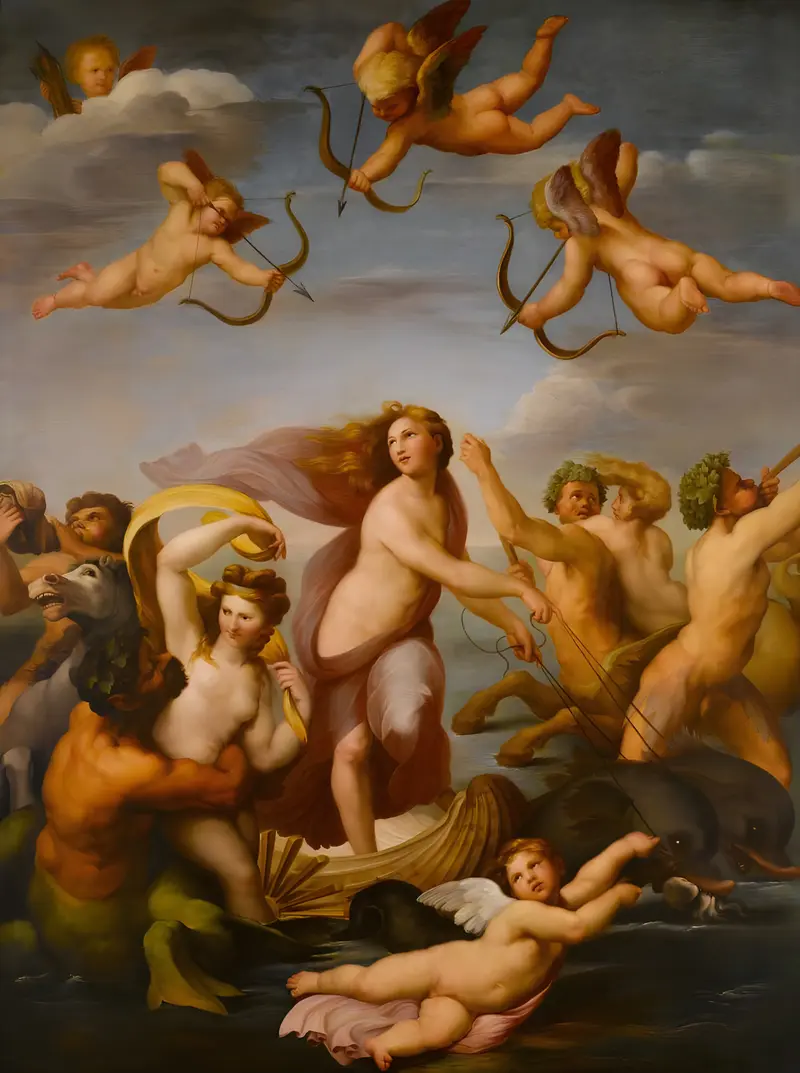
The Triumph of Galatea (copy after Raphael)
Raphael
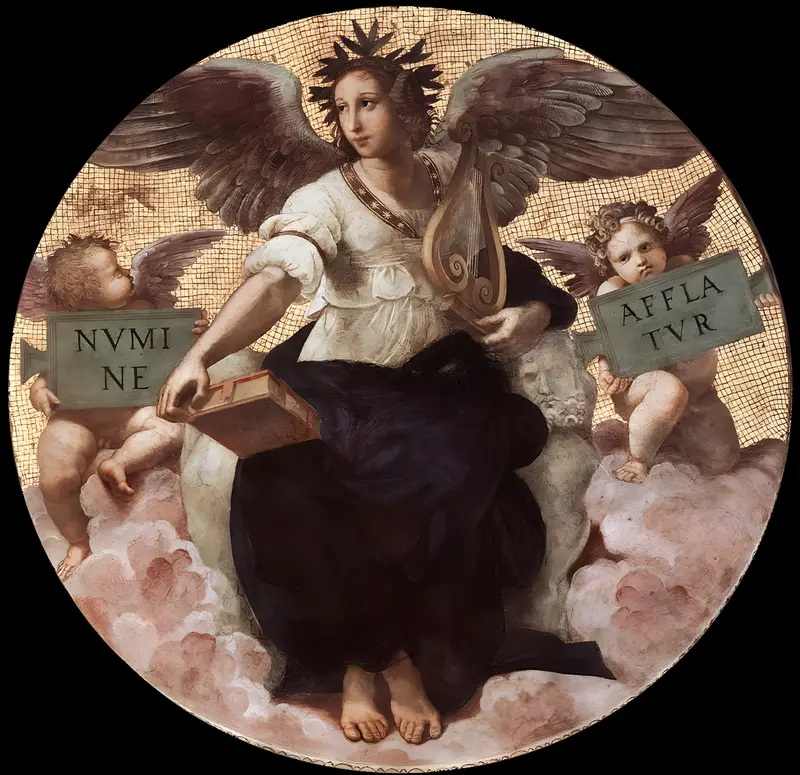
Poetry
Raphael
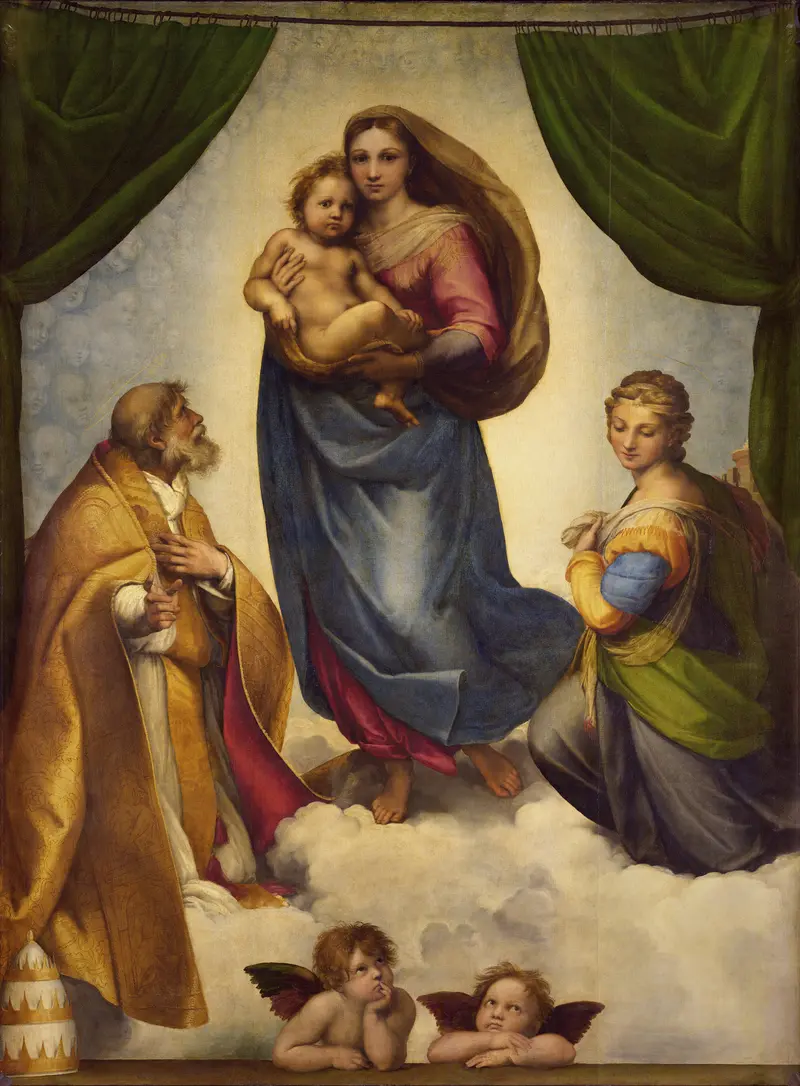
Sistine Madonna
Raphael
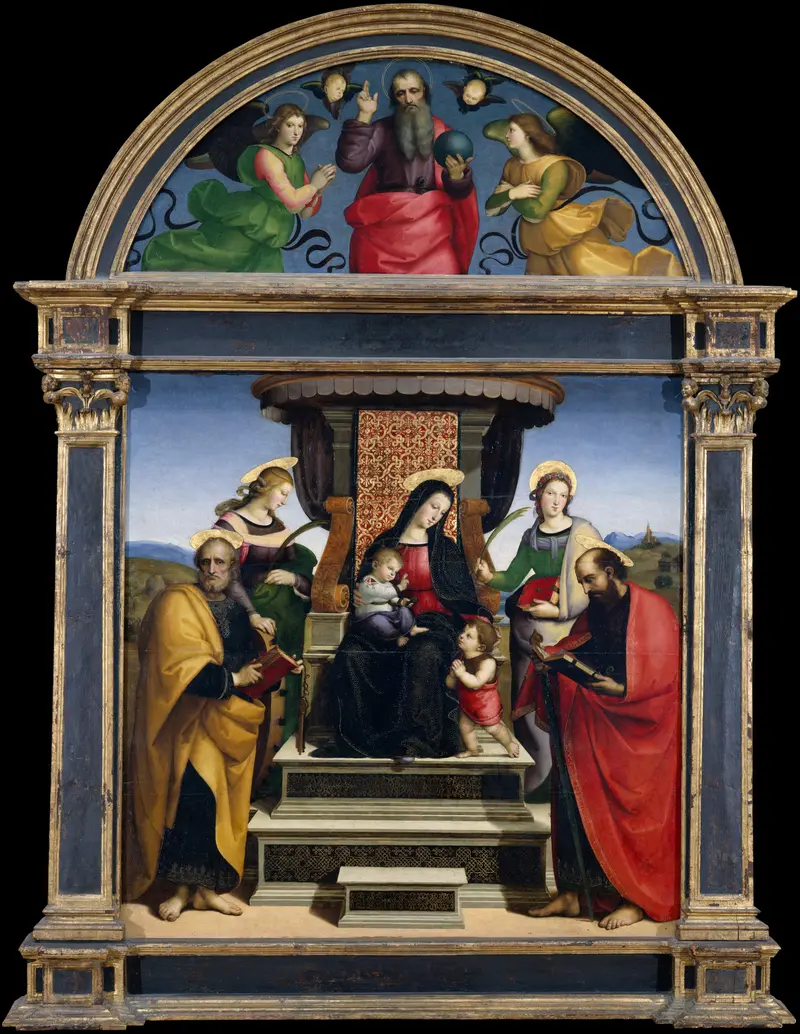
Madonna and Child Enthroned with Saints
Raphael





