
Portrait of two boys. — History & Facts
What draws the eye first is the closeness of the two boys, their faces almost touching, one arm draped protectively across the other's shoulder. The painter has chosen a moment of quiet solidarity, capturing not just likeness but the bond of kinship or friendship. The boys' elaborate lace collars and embroidered garments speak of status, but their expressions—one slightly wary, the other more assured—suggest a private world behind the formal attire.
The dark background pushes their faces forward, isolating them in a pool of light that heightens the sense of intimacy. Every detail, from the careful rendering of their hands to the subtle differences in their gaze, is a clue to character and relationship. Painted in 1570 by Antonis Mor, this portrait belongs to a world where likeness was not merely a record but a statement of lineage and connection. In the courts and wealthy households of Renaissance Europe, such images were commissioned to assert family ties, commemorate youth, and display the latest fashions.
The National Museum in Warsaw now houses this work, a reminder of the international reach of portrait painters like Mor, who traveled between Spain, the Netherlands, and England. History has kept few traces of these boys' lives, but their presence—serious, watchful, and close—invites us to look again and wonder what futures they imagined for themselves.
More Artworks by Antonis Mor

Portrait of a Man
Antonis Mor
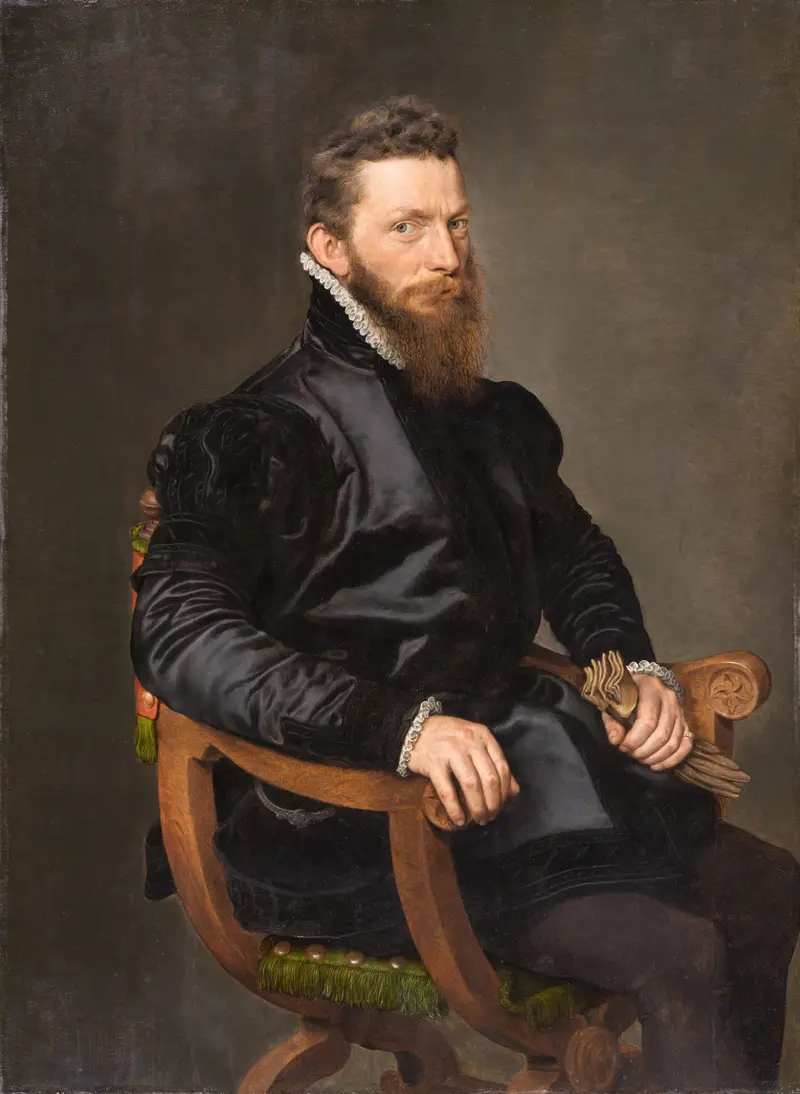
Portrait of a Gentleman
Antonis Mor
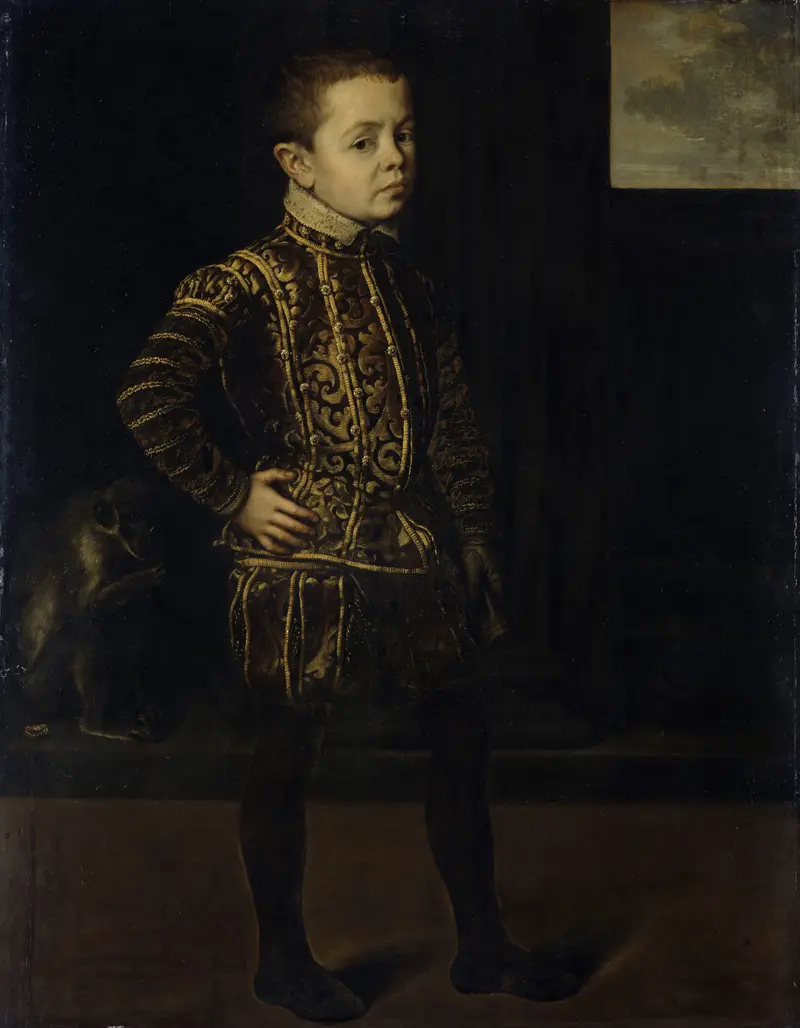
Portrait of a young prince
Antonis Mor
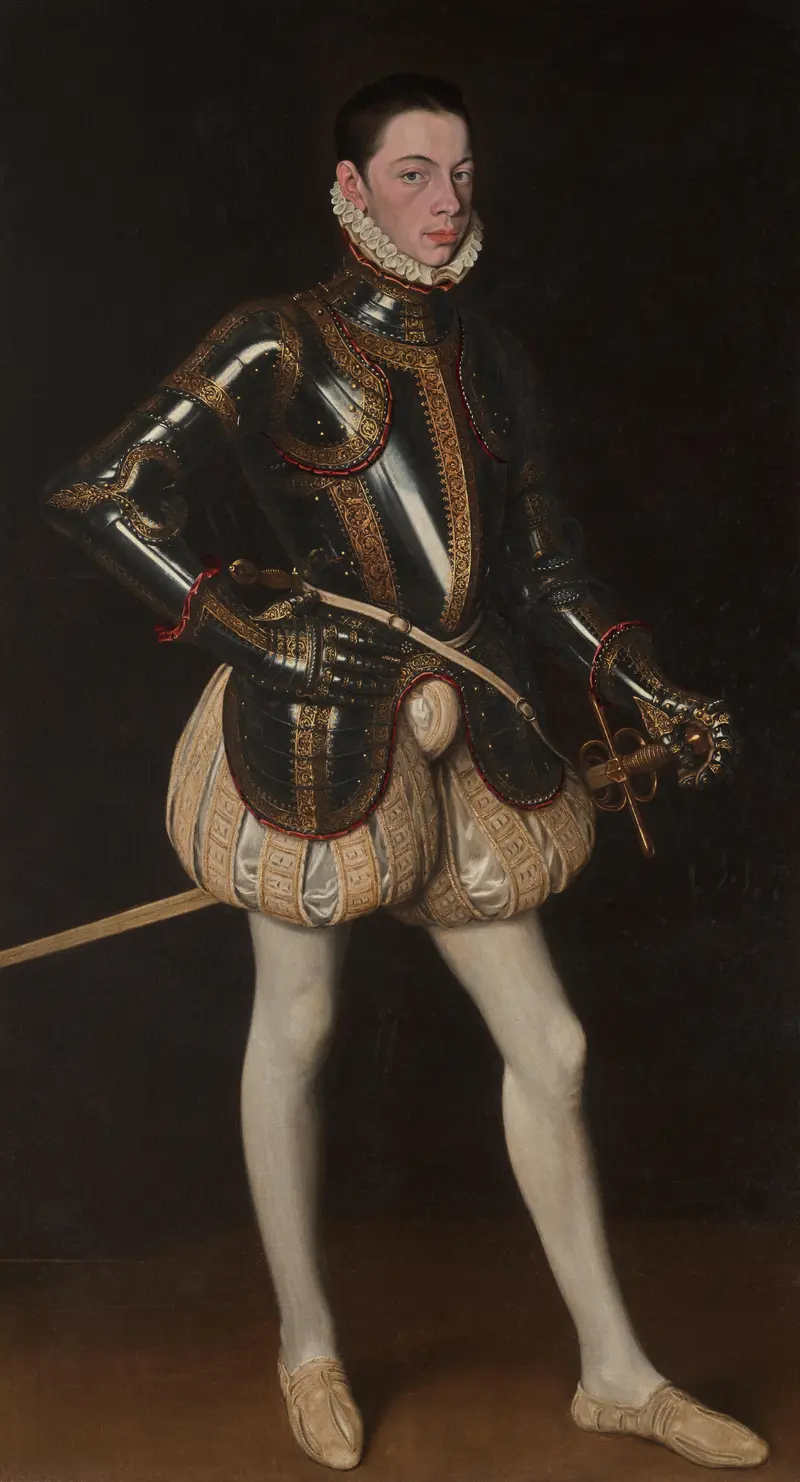
Alessandro Farnese in Armor
Antonis Mor
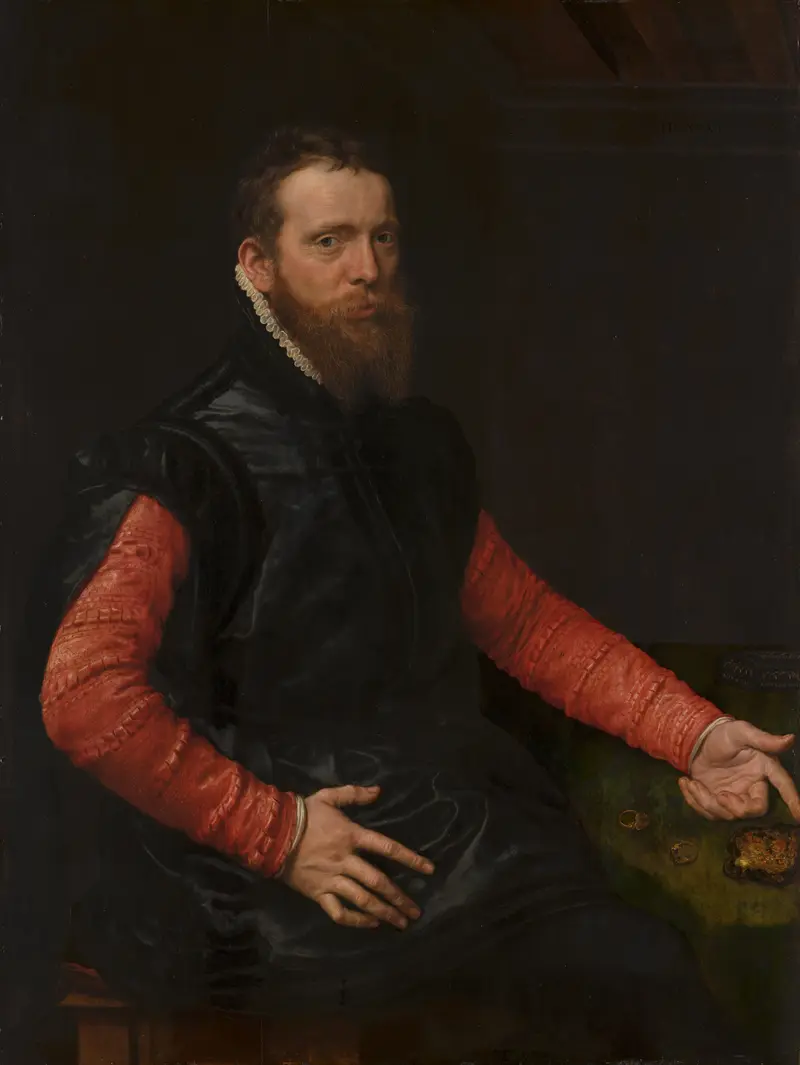
Steven van Herwijck
Antonis Mor
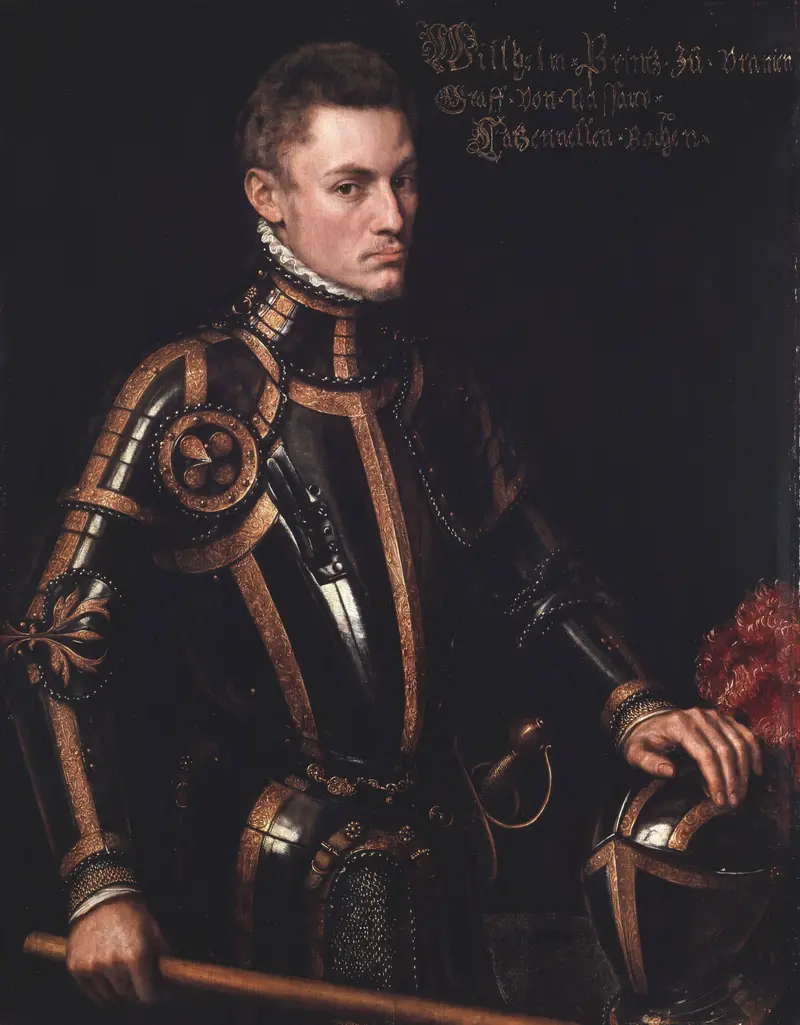
Portrait of William I of Nassau
Antonis Mor
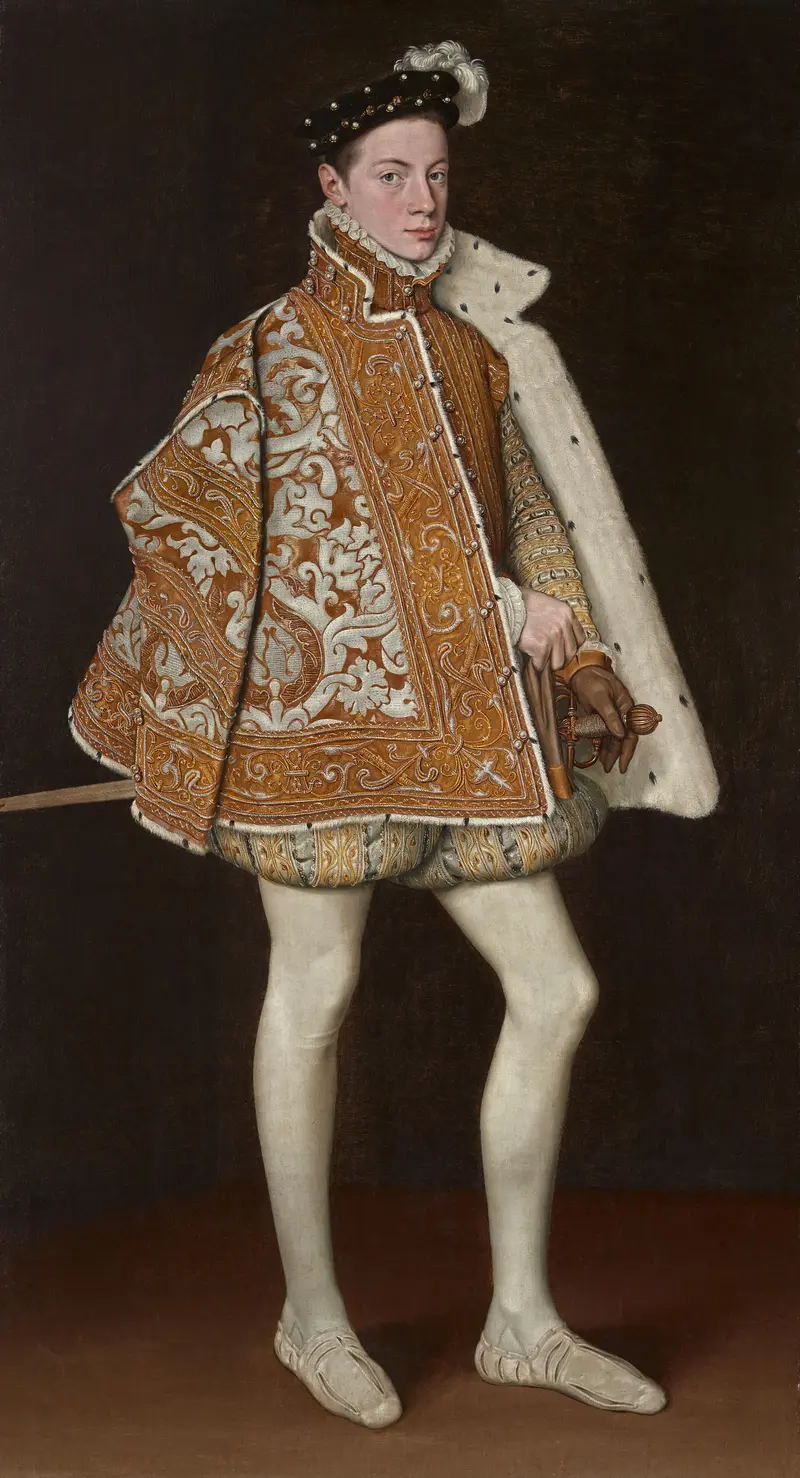
Portrait of Alessandro Farnese in Cape and Black Cap
Antonis Mor
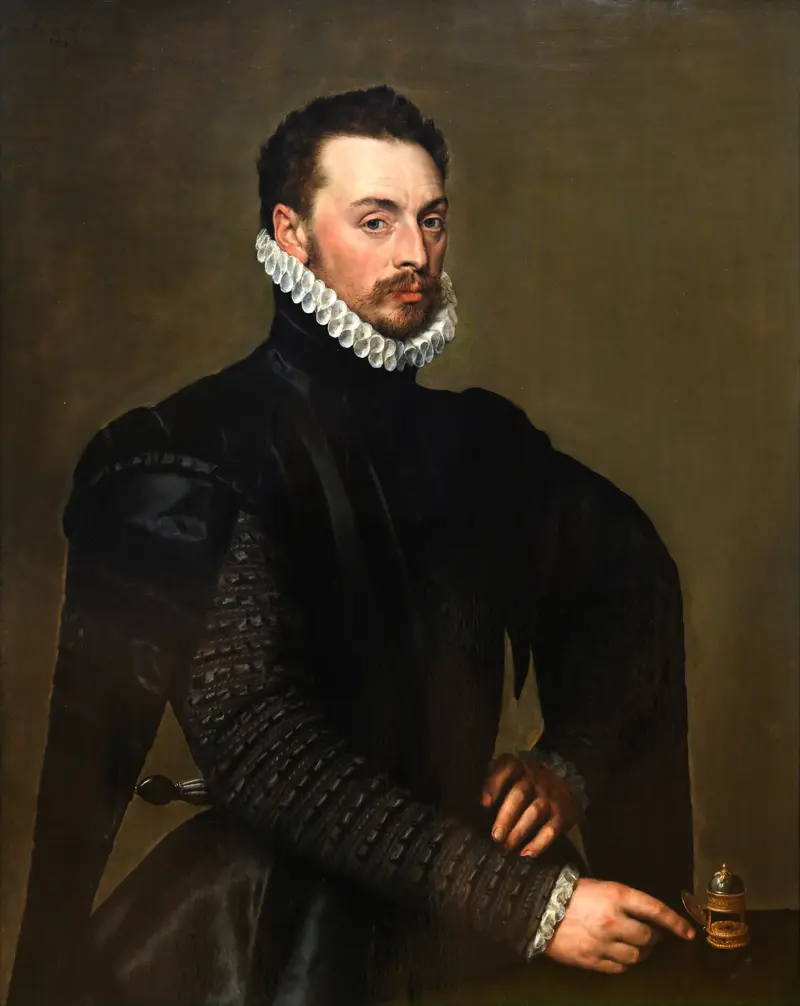
Portrait d'homme désignant une pendule Antonio Moro Musée du Louvre Peintures INV 1582 ; MR 880
Antonis Mor
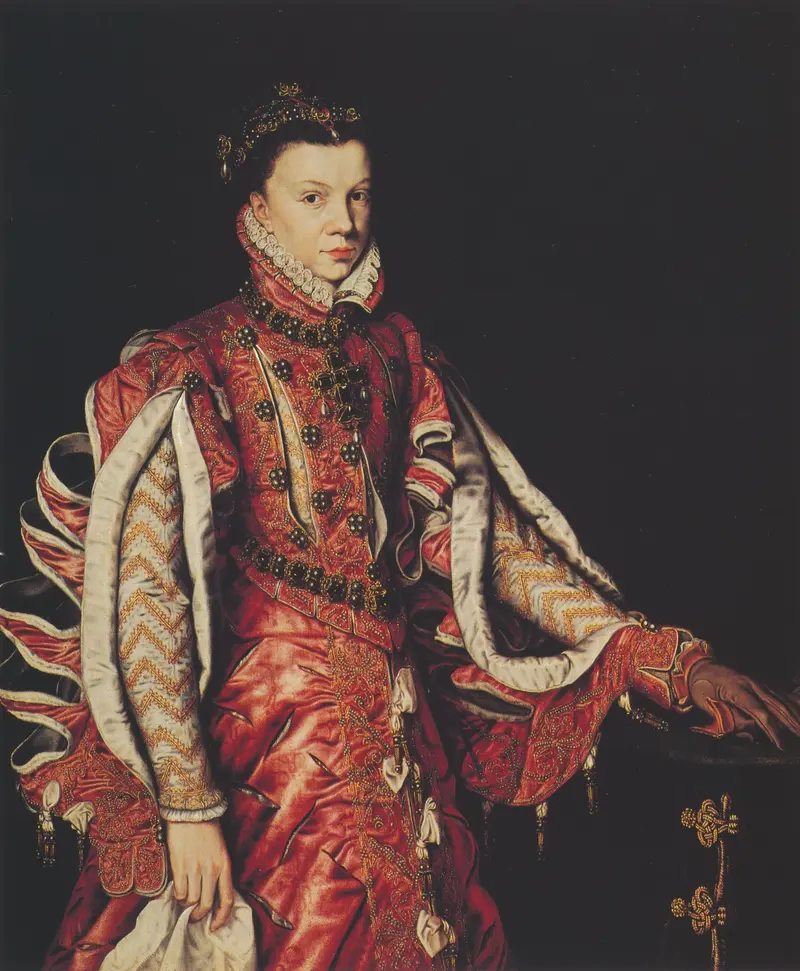
Portrait of Elisabeth of Valois, third wife of King Philip II of Spain
Antonis Mor
Von Sachsen vs. a Spaniard
Antonis Mor





