
Portret van Charles de Solier — History & Facts
In the stillness of Portret van Charles de Solier, a hushed reverence envelops the viewer, suggesting a world where unspoken truths mingle with the essence of rebirth. The careful composition invites reflection, drawing us into a moment frozen in time, where the subject's gaze promises deeper stories beneath the surface. Look to the center of the canvas, where Charles de Solier stands poised, his attire rich in detail and texture. The interplay of light accentuates the intricate patterns on his garments, as golden hues emerge from the shadows, infusing life into his figure.
Notice how Hollar employs delicate lines to define the contours of Solier's face, capturing both the nobility of his demeanor and the vulnerability in his expression. This juxtaposition of strength and fragility evokes a sense of connection, creating an intimate dialogue between the audience and the portrayed. Delve deeper into the symbolism embedded in the artwork. The subtleties in Solier’s posture and the downcast glance hint at an inner turmoil, suggesting moments of revelation and transformation.
The rich colors contrasted with the somber tones speak to the duality of existence: the amalgamation of life's burdens and the possibility of transcendence. Each element in this portrait seems to whisper secrets of identity and duty, intertwining personal sacrifice with the broader theme of rebirth. In 1647, Wenceslaus Hollar created this portrait during a period marked by political upheaval and personal loss. Living in the aftermath of the Thirty Years' War, Hollar sought solace in his art while navigating the complexities of his own exile.
His work during this time reflects not just the elegance of his subjects but also a profound exploration of resilience, resonating with the spirit of renewal that accompanies rebirth in both life and art.
More Artworks by Wenceslaus Hollar
Browse all →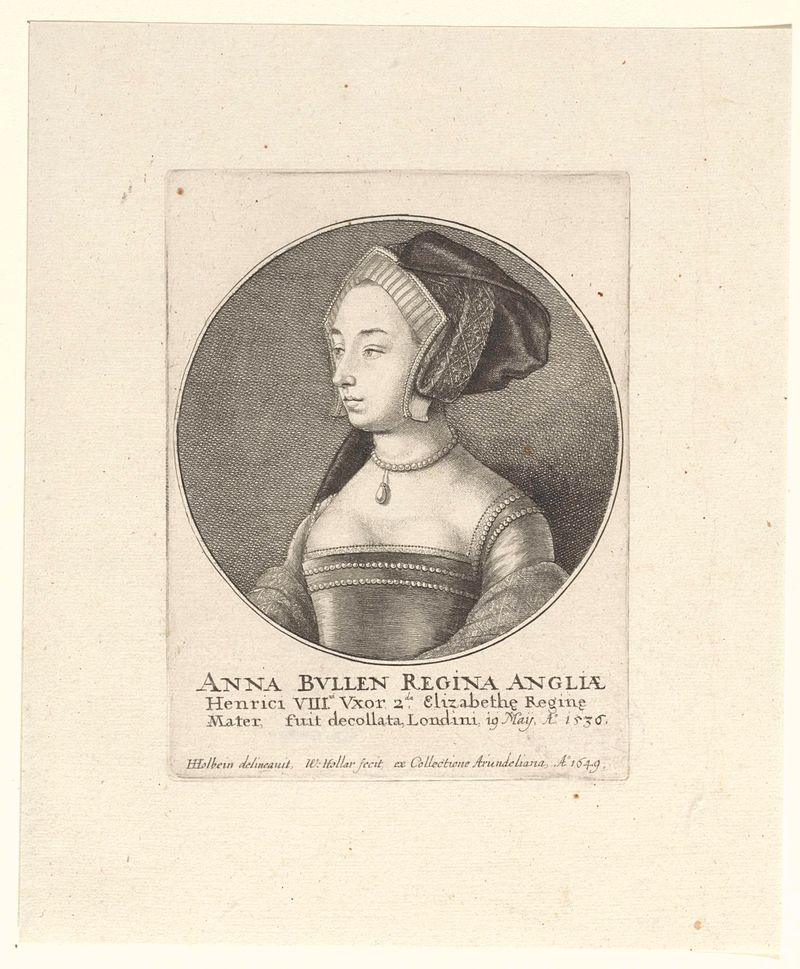
Portret van Anna Boleyn, koningin van Engeland
Wenceslaus Hollar
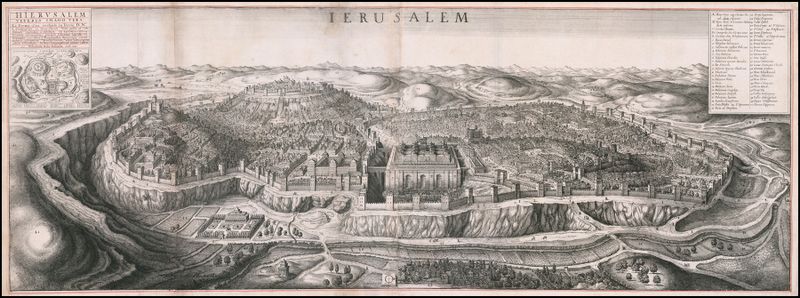
Bird’s eye view of Jerusalem
Wenceslaus Hollar
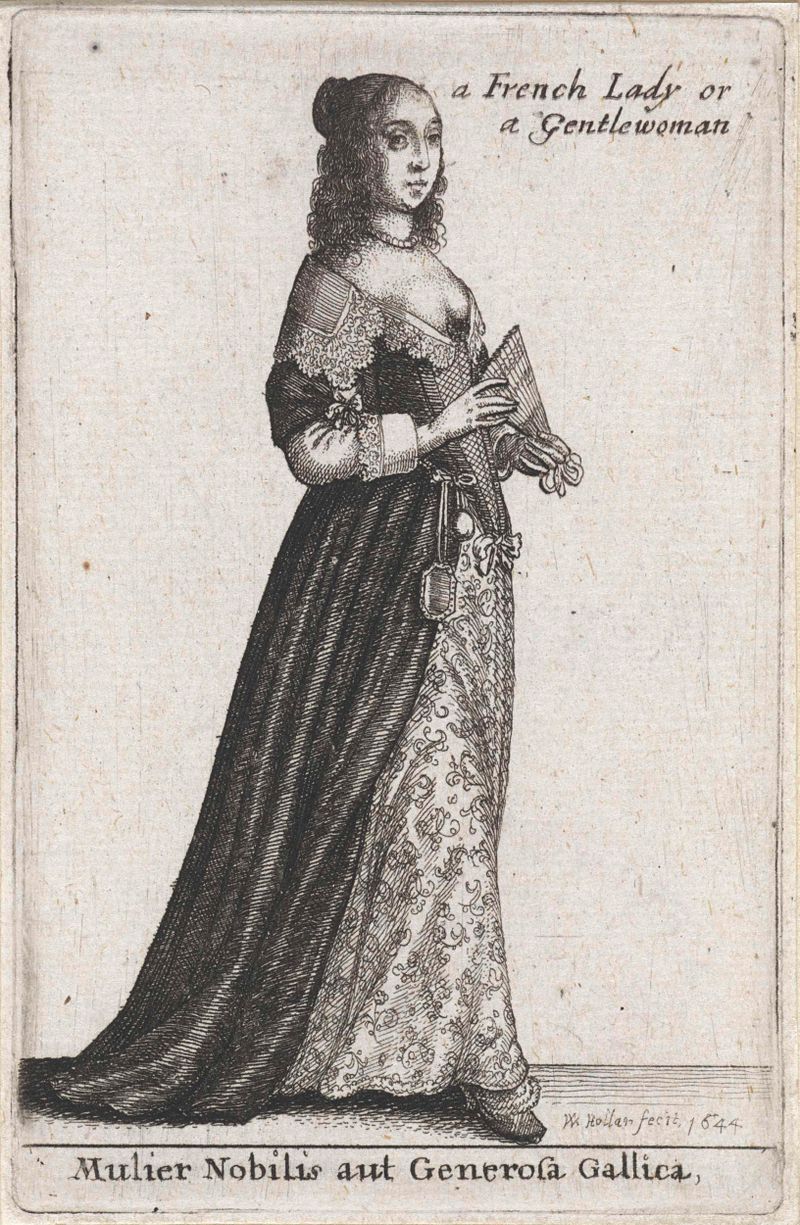
Mulier Nobilis aut Generosa Gallica / a French Lady or Gentlewoman
Wenceslaus Hollar
Titelprent voor: Ornatus Muliebris Anglicanus
Wenceslaus Hollar
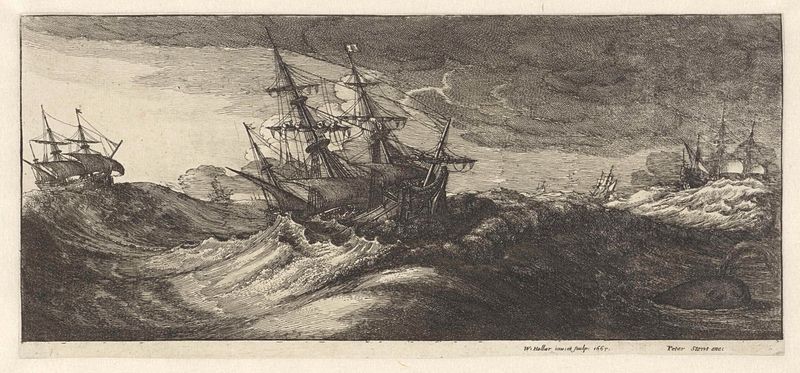
Oorlogsschepen en een walvis in een zeestorm
Wenceslaus Hollar
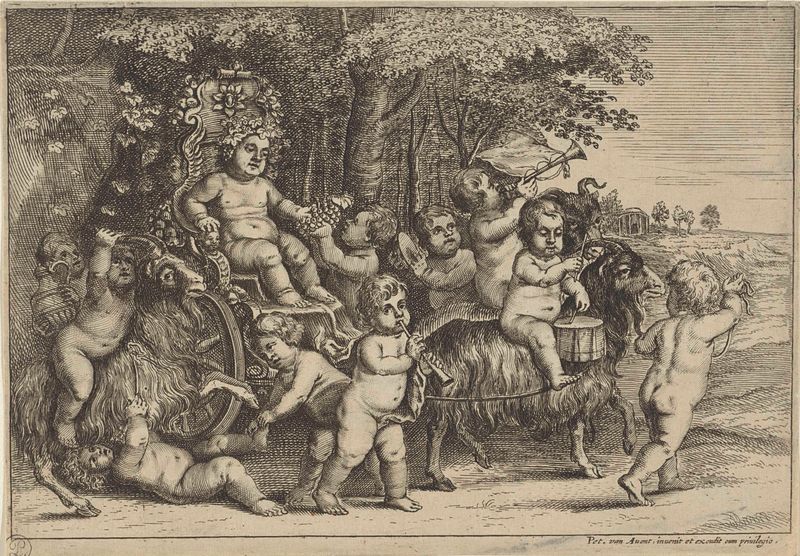
Optocht van bacchant en jongetjes op geiten
Wenceslaus Hollar
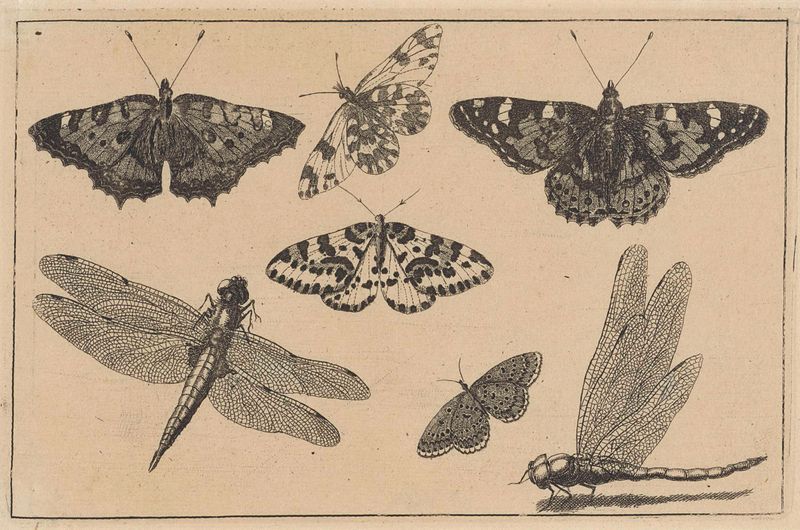
Twee libellen en vijf vlinders
Wenceslaus Hollar
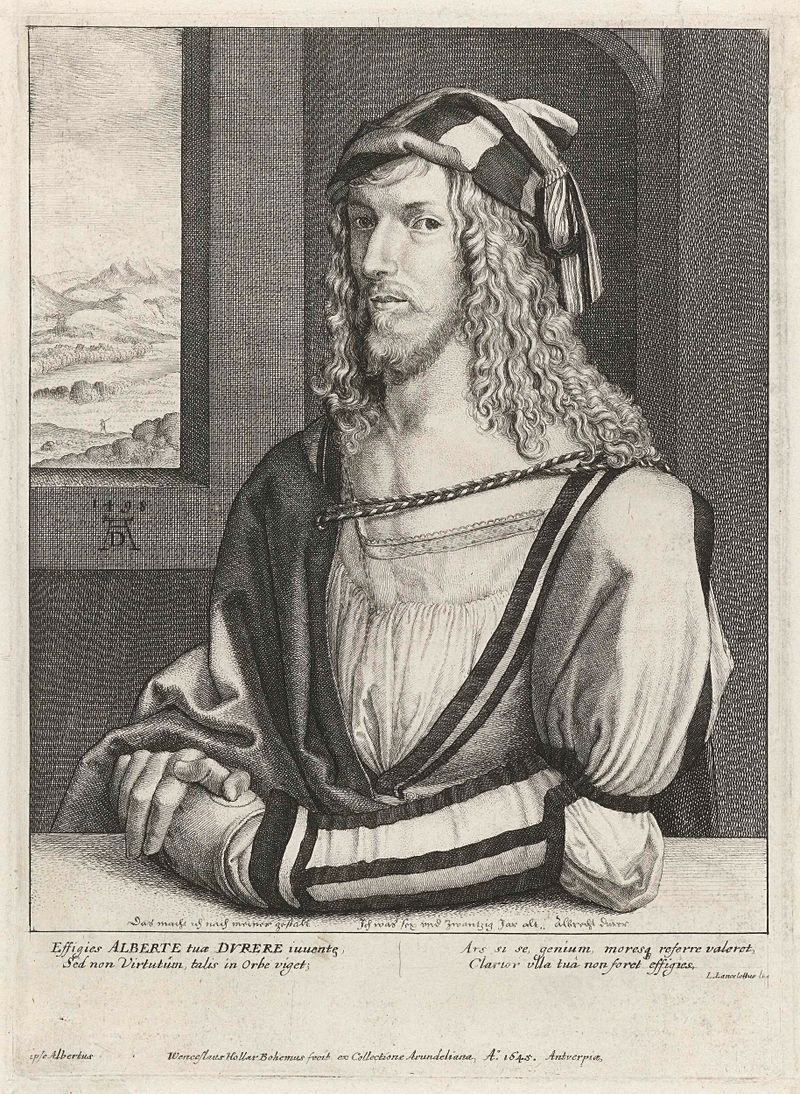
Portret van Albrecht Dürer
Wenceslaus Hollar
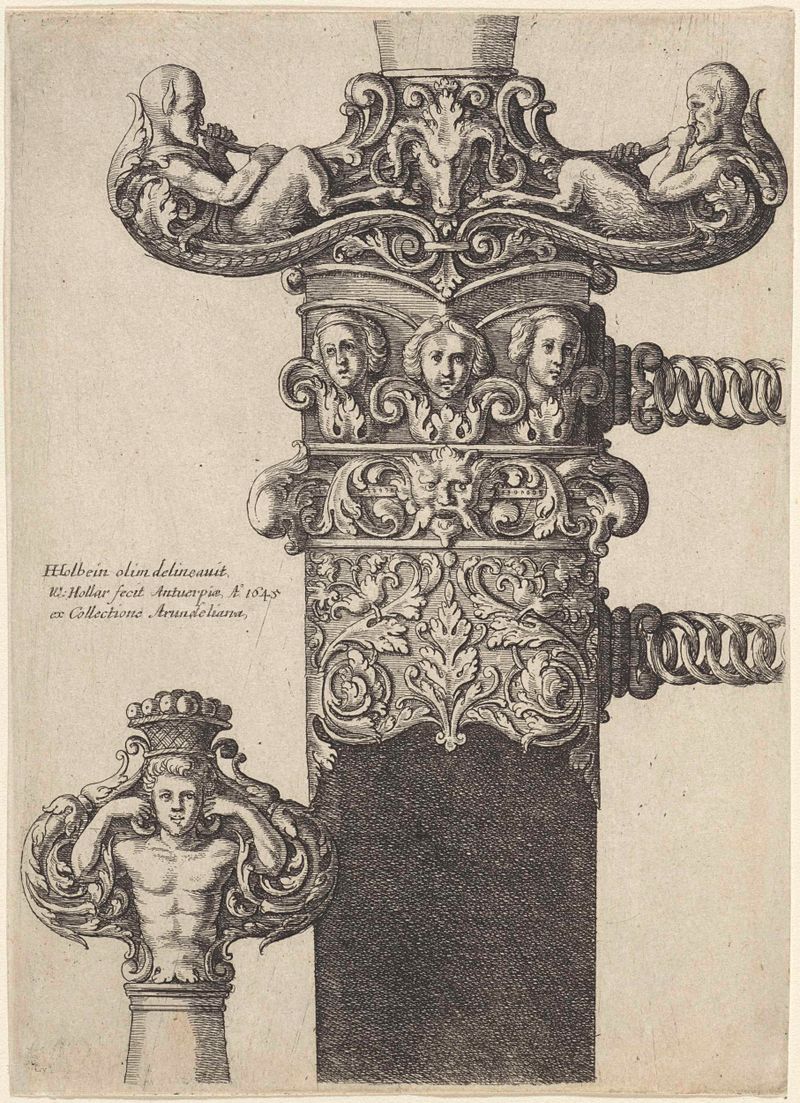
Ornamenteel ontwerp voor een dolk
Wenceslaus Hollar
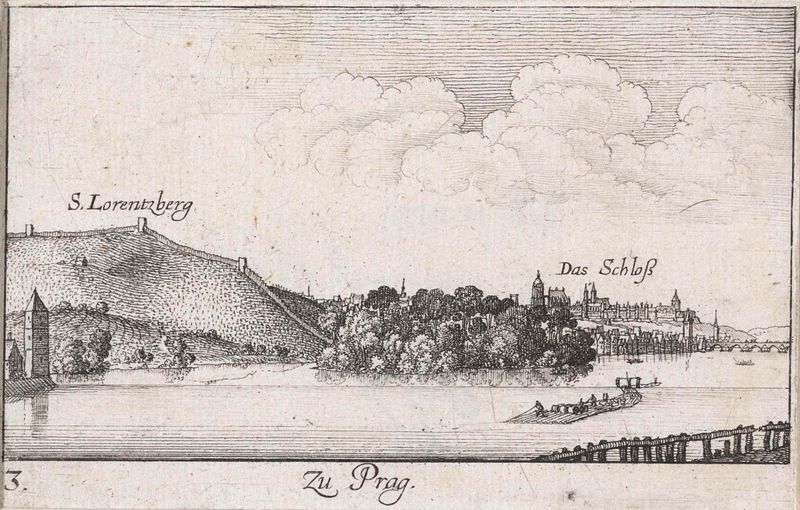
Gezicht op Praag vanaf de Moldau
Wenceslaus Hollar
More Portrait Art
Browse all →
Las meninas
Diego Velázquez

Self-portrait with a Bandaged Ear and Pipe
Unidentified artist

Girl with a Pearl Earring
Johannes Vermeer

The Sampling Officials of the Amsterdam Drapers’ Guild, Known as ‘The Syndics’
Rembrandt van Rijn

The Hundred Guilder Print: the man seen on the back in the lower left corner
Rembrandt van Rijn

Portrait of Dr Gachet
Vincent van Gogh