
Portret van Christian Leibbrandt — History & Facts
A face emerges from a swirl of earthy ochres and reds, the brushwork thick and physical, as if the painter wanted to sculpt the sitter’s presence out of paint itself. The gaze is turned away, lost in thought, while the strong profile—marked by a heavy moustache and furrowed brow—commands the viewer’s attention. Every stroke seems to serve a double purpose: building the form and revealing the restless energy of the hand behind it.
The light catches on cheekbone and collar, pulling the eye in a slow arc from the forehead down to the neck, as if inviting us to trace the sitter’s inner life through the surface of the paint. The palette, dominated by warm browns and ochres, wraps the figure in an almost tangible atmosphere, suggesting both intimacy and reserve. Painted in 1908, this portrait stands at the threshold of a new century, when artists across Europe were rethinking what a likeness could be. While little is recorded about this specific work, its bold handling and psychological intensity speak to a period of experimentation, when painters like Theo van Doesburg—later known for his radical abstraction—were still grappling with the traditions of portraiture.
In the Netherlands, such portraits were often commissioned to honor family, friends, or respected figures, but here the focus is less on flattery than on character and presence. The work is now held in a Dutch cultural heritage collection, a reminder of a moment when the old world of portraiture met the first tremors of modern art. Look again at the brushstrokes: each one is a record of a choice, a hesitation, a conviction.
More Artworks by Theo van Doesburg
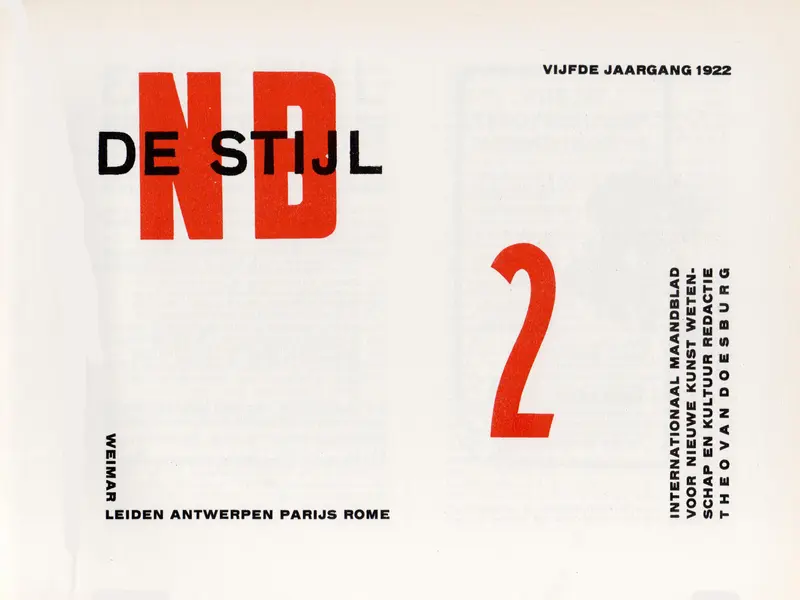
De Stijl, vol. 5, no. 2 (cover)
Theo van Doesburg
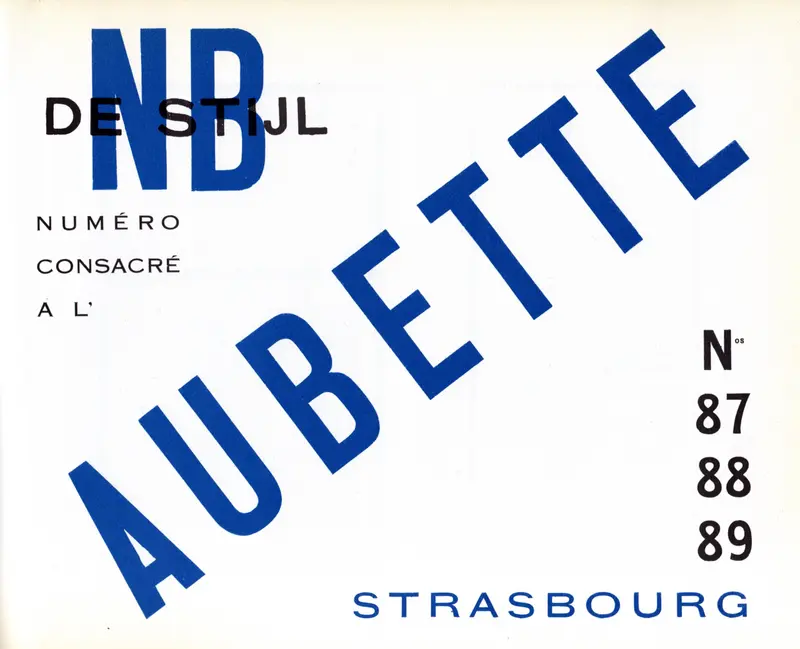
De Stijl, nos. 87–89: Aubette Issue (cover)
Theo van Doesburg
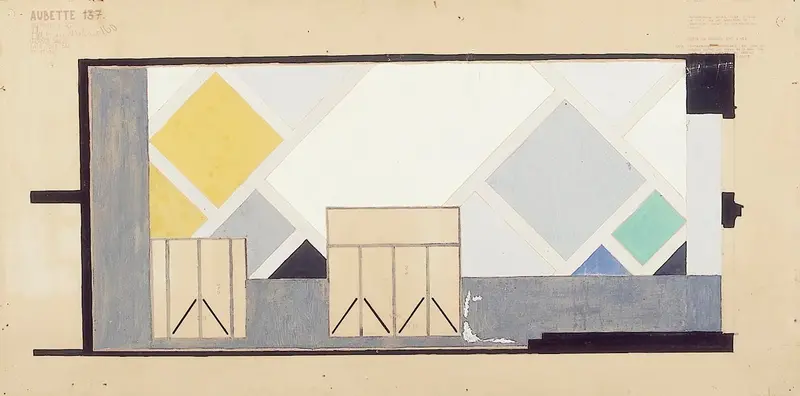
Aubette Ciné-Dancing: Final Color Design for a Wall
Theo van Doesburg
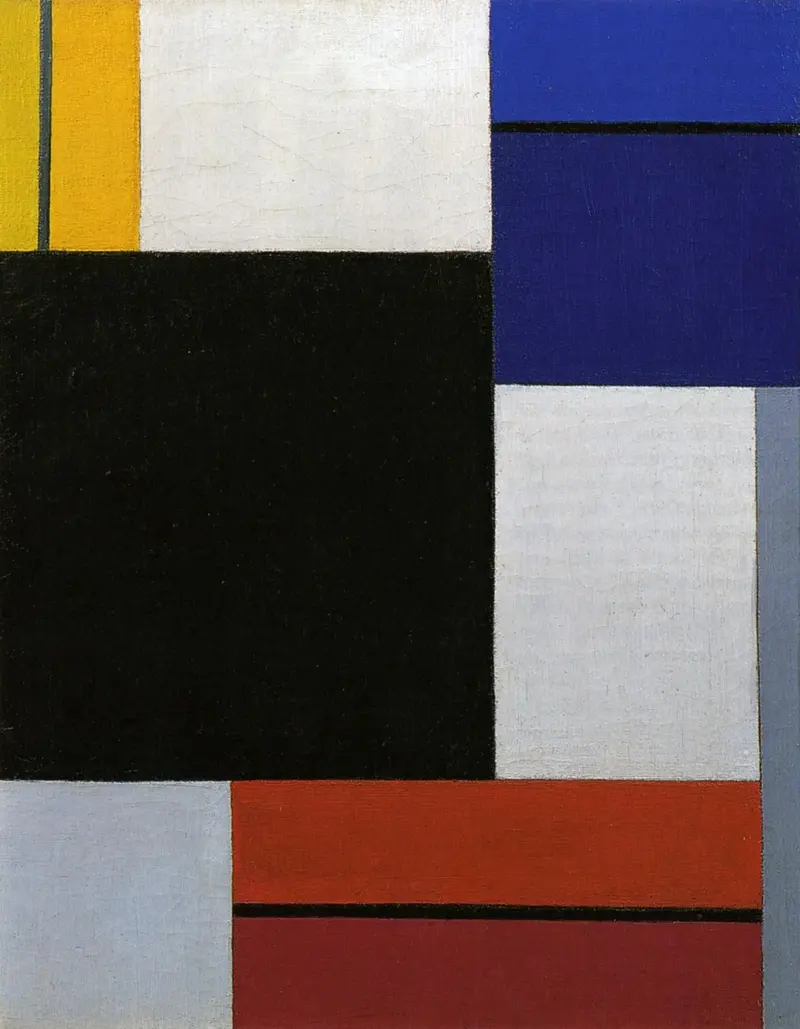
Composition XXI
Theo van Doesburg
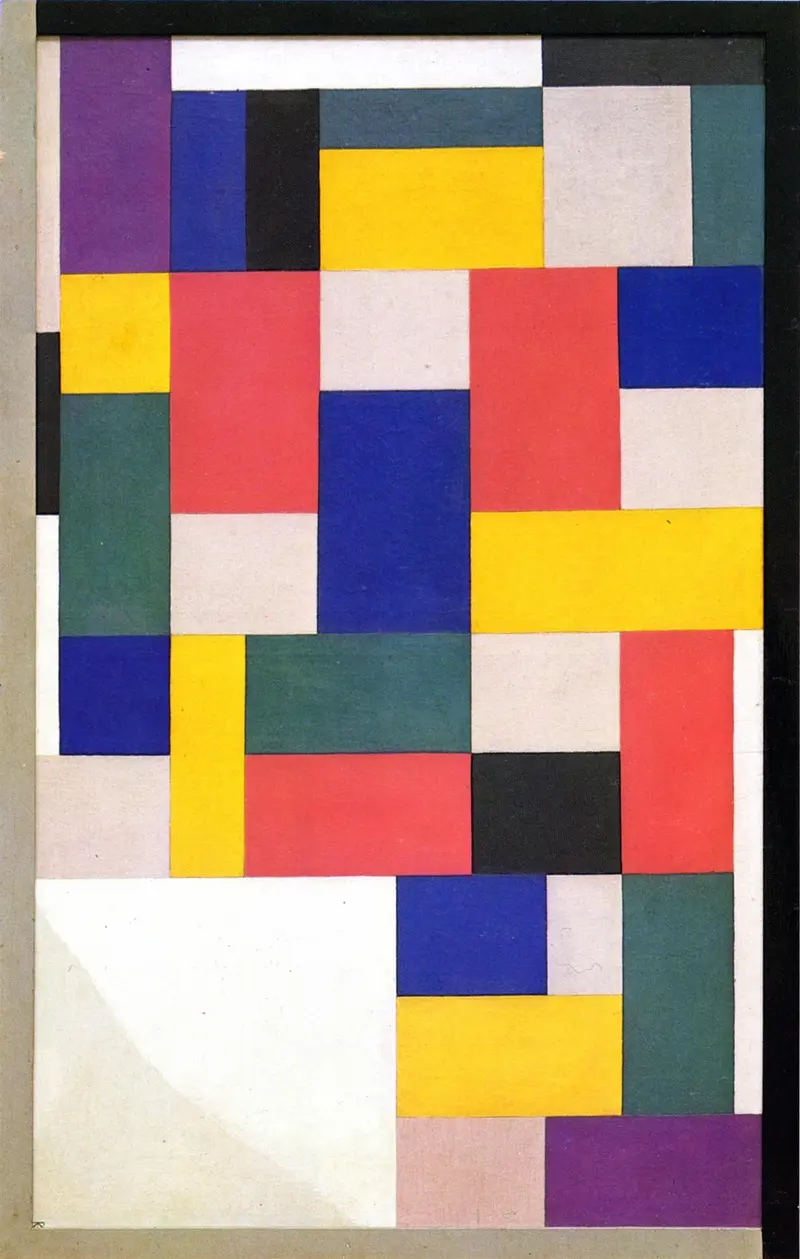
Pure Painting
Theo van Doesburg
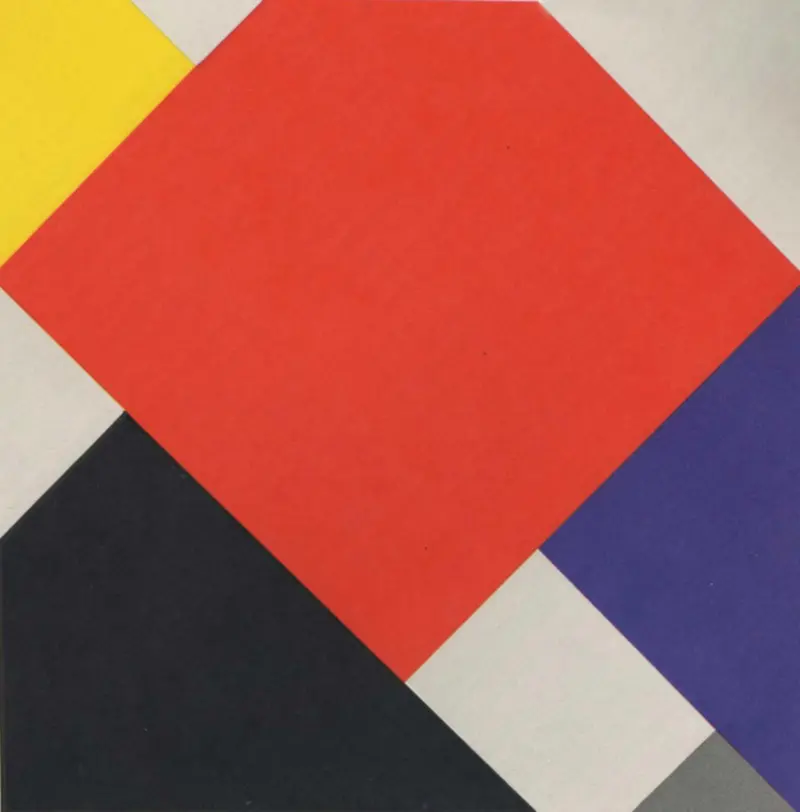
Counter-Composition V
Theo van Doesburg
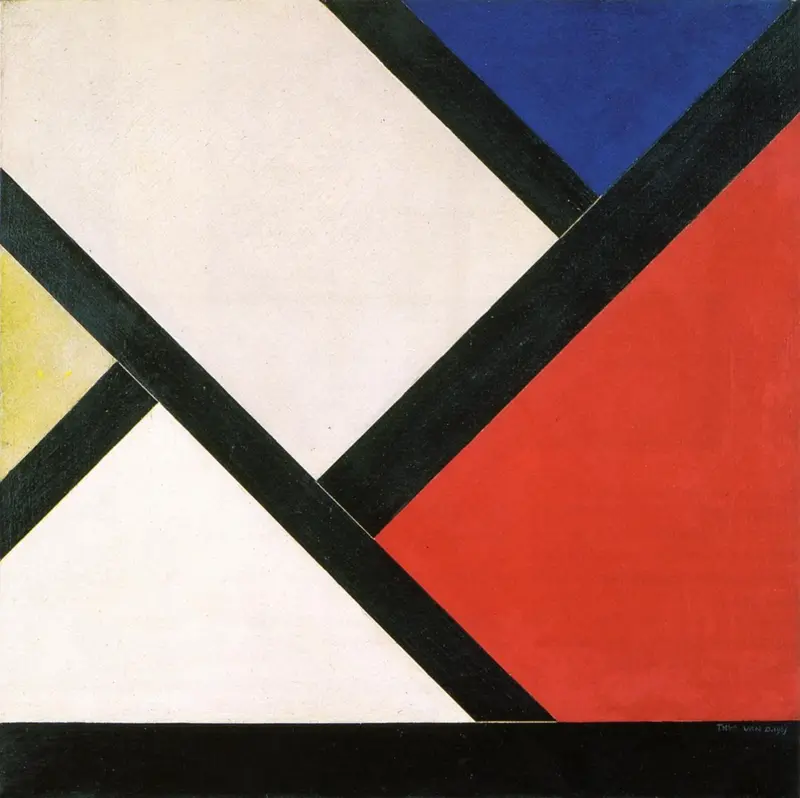
Counter-Composition XIV
Theo van Doesburg
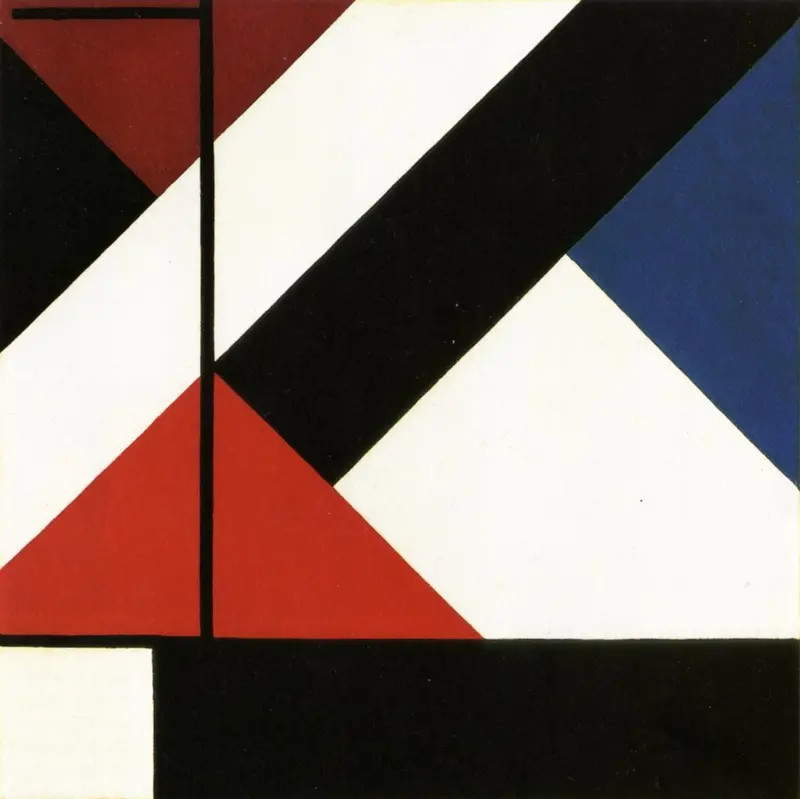
Simultaneous Counter-Composition
Theo van Doesburg
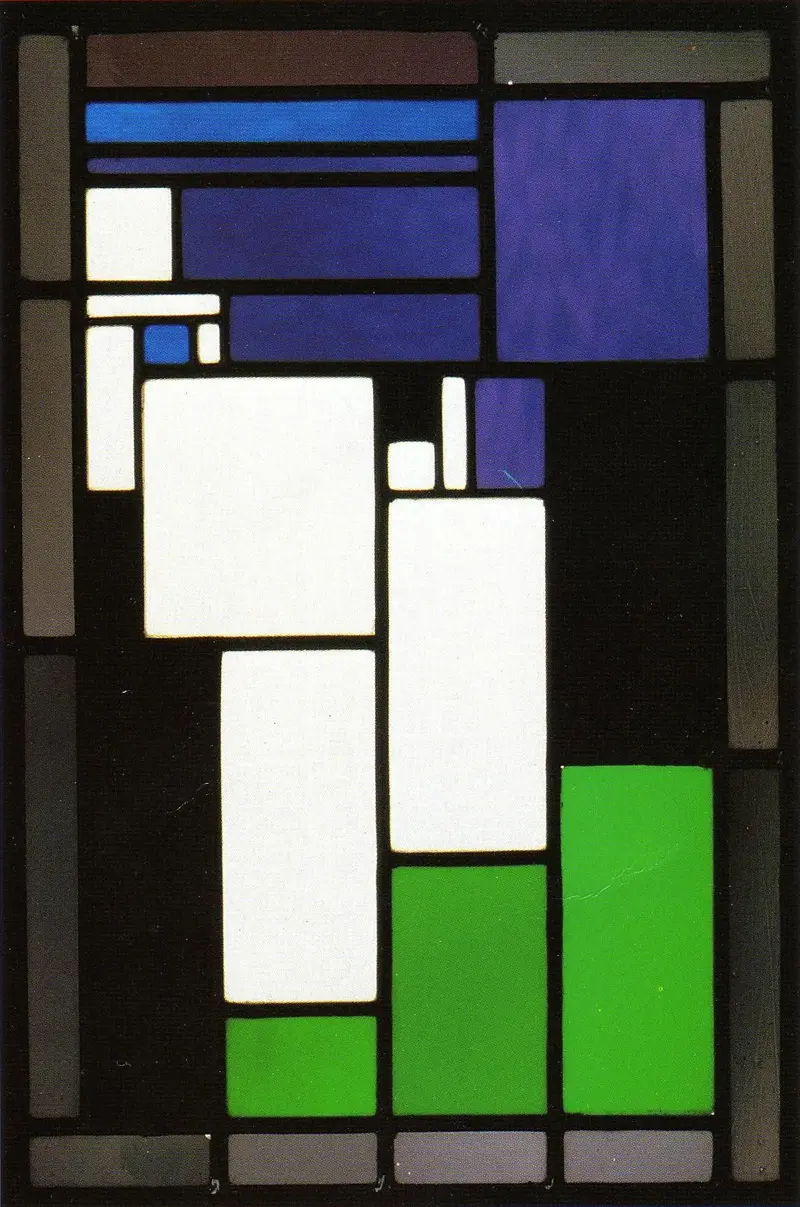
Stained-Glass Composition: Female Head
Theo van Doesburg
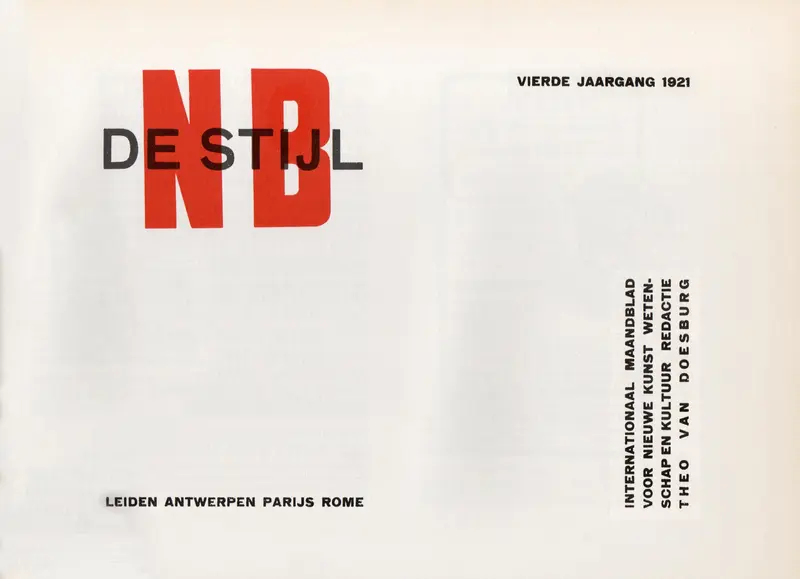
De Stijl, vol. 4, no. 2 (cover)
Theo van Doesburg





