
Portret van een vrouw met witte sluier en zwarte kap — History & Facts
Is this a mirror — or a memory? In the quiet intimacy of Portret van een vrouw met witte sluier en zwarte kap, a woman’s gaze transcends time, inviting us into a delicate dance of identity and loss amid the turbulence of her era. Focus on the soft contours of her face, bathed in understated light that reveals the nuanced textures of her veil and dark cloak. The composition draws your eye inward, emphasizing the contrast between the purity of the white fabric and the somber tones of her attire. The meticulous detail in her features and the gentle play of shadows evoke both vulnerability and strength, capturing a moment that feels both personal and universal. Hidden within this portrait are reflections on revolution and societal upheaval.
The veil might symbolize a duality of presence and absence, hinting at the restrictions placed on women during times of political change. Furthermore, the somber colors juxtaposed with her serene expression suggest a tension between hope and despair, an inner battle that resonates with the struggles of countless individuals in a transforming world. Wenceslaus Hollar painted this work in 1645 during a time of significant upheaval in Europe, following the Thirty Years' War. Living in the Netherlands, Hollar was influenced by the Baroque style surrounding him, yet he infused his subjects with a profound sensitivity, capturing the complexities of human emotion against the backdrop of societal change.
His artistry reflects both the personal and the political, intertwining the artist's own life with the broader narratives of his time.
More Artworks by Wenceslaus Hollar
Browse all →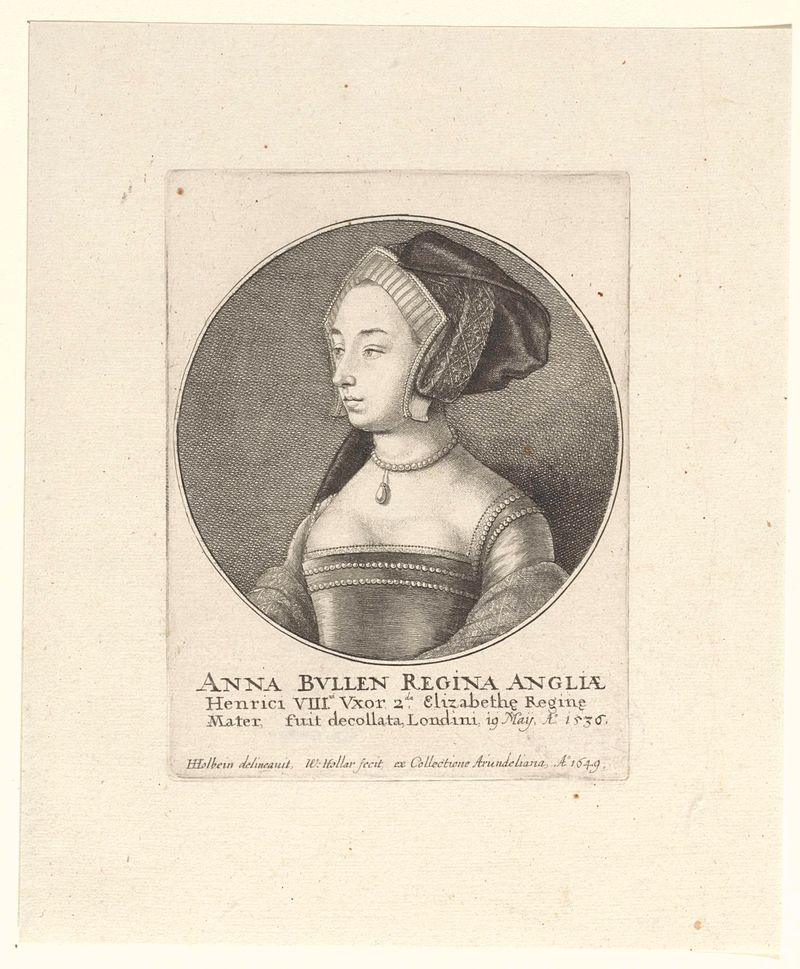
Portret van Anna Boleyn, koningin van Engeland
Wenceslaus Hollar
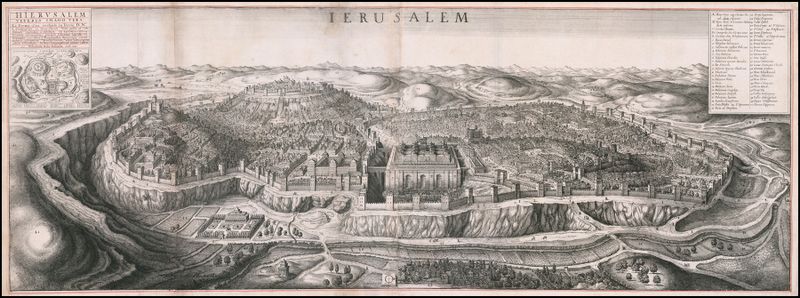
Bird’s eye view of Jerusalem
Wenceslaus Hollar
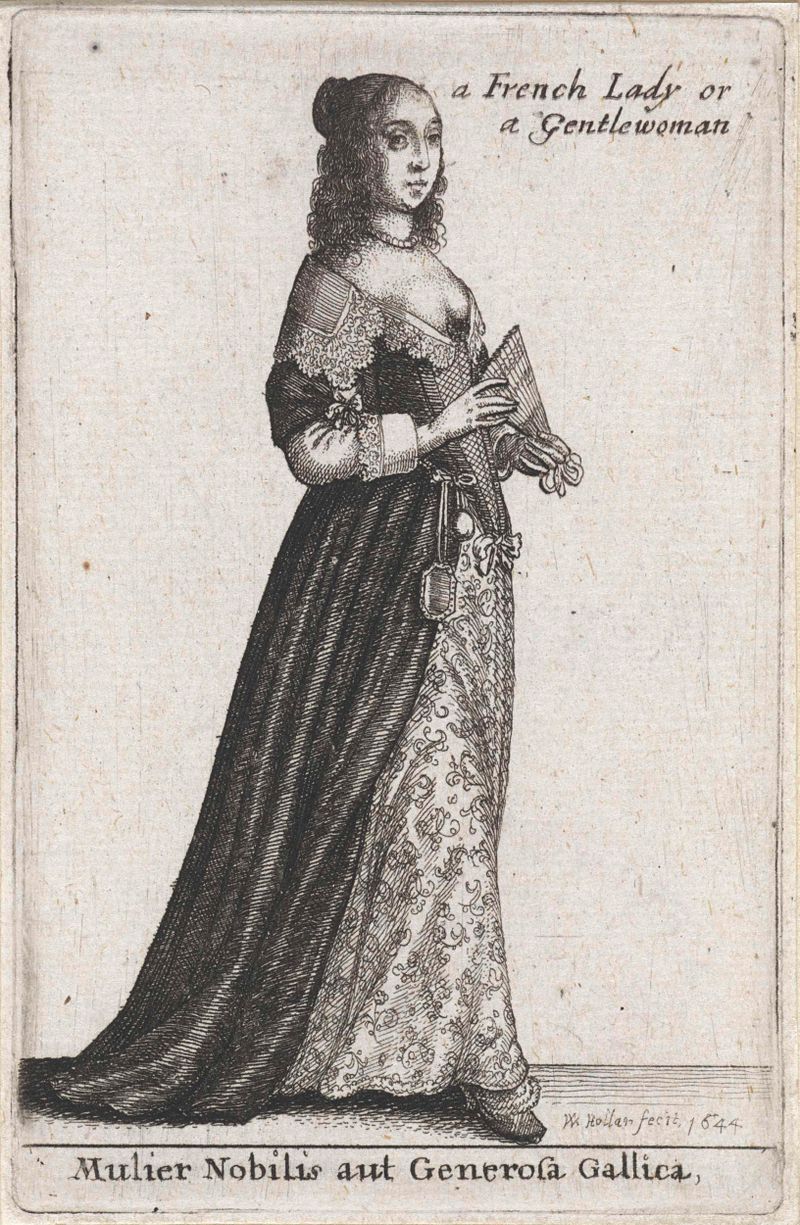
Mulier Nobilis aut Generosa Gallica / a French Lady or Gentlewoman
Wenceslaus Hollar
Titelprent voor: Ornatus Muliebris Anglicanus
Wenceslaus Hollar
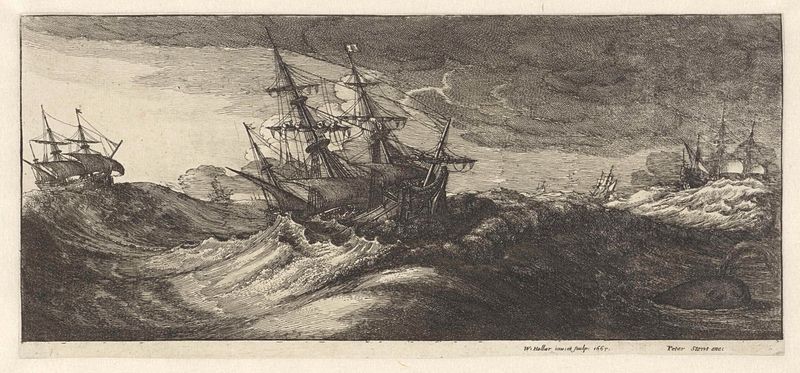
Oorlogsschepen en een walvis in een zeestorm
Wenceslaus Hollar
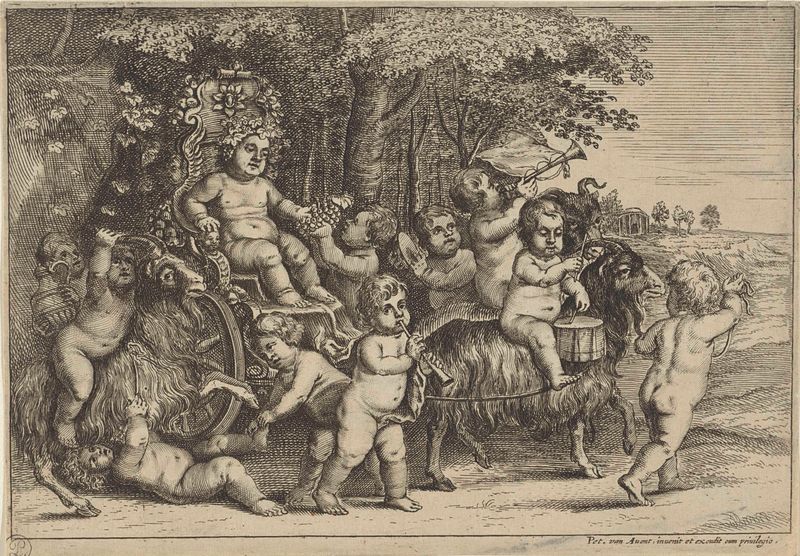
Optocht van bacchant en jongetjes op geiten
Wenceslaus Hollar
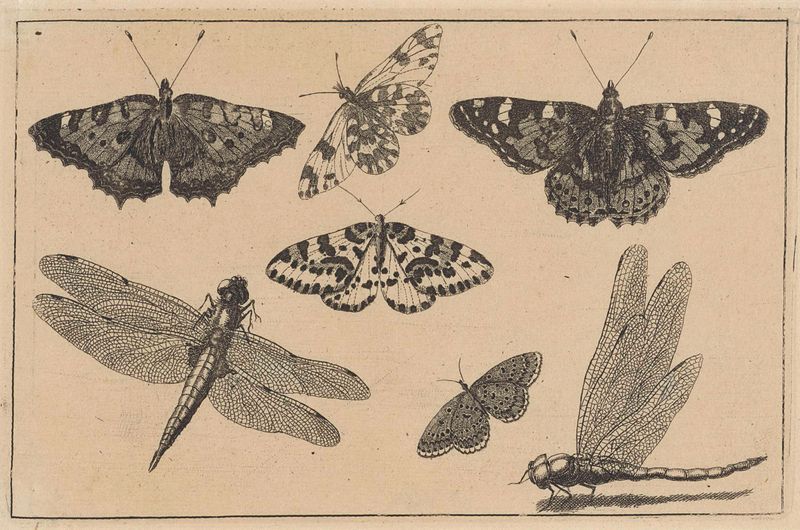
Twee libellen en vijf vlinders
Wenceslaus Hollar
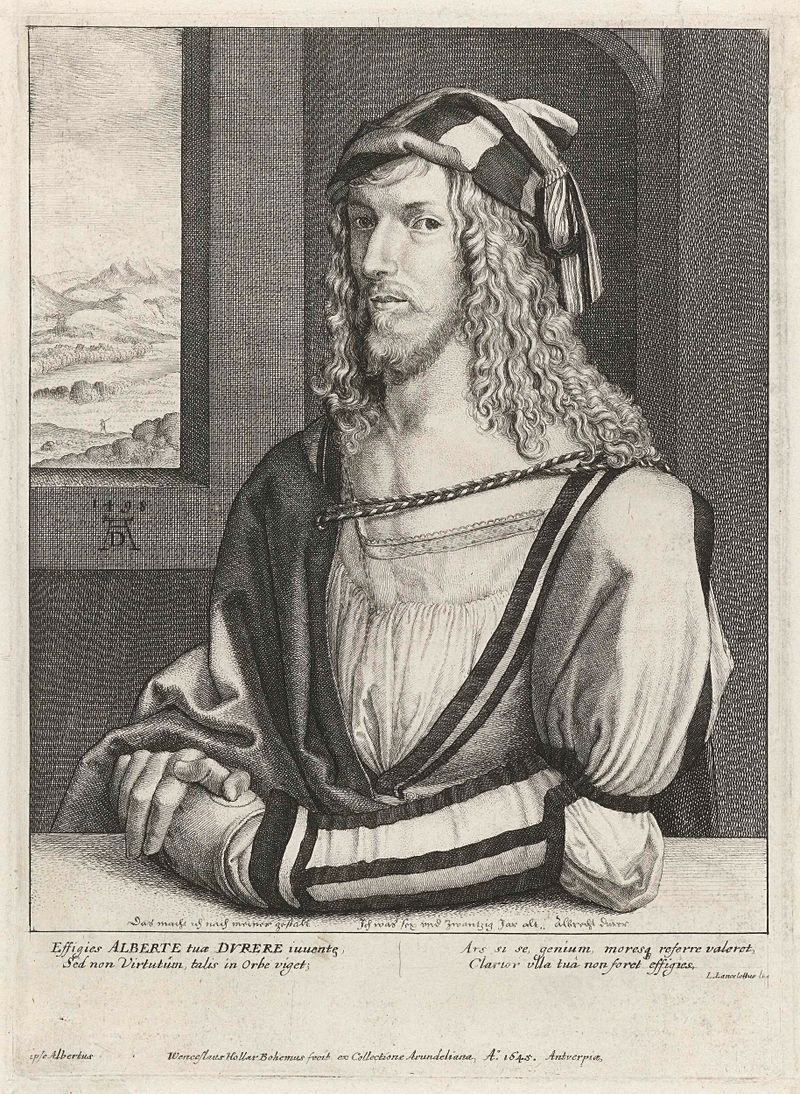
Portret van Albrecht Dürer
Wenceslaus Hollar
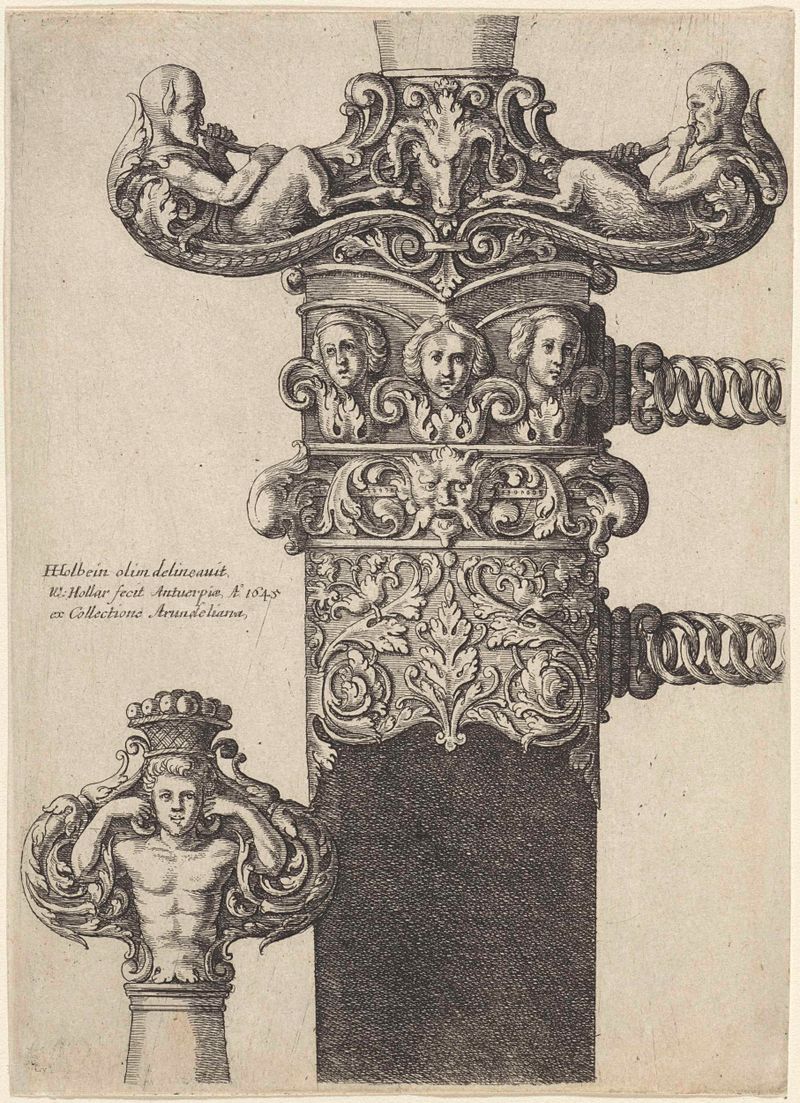
Ornamenteel ontwerp voor een dolk
Wenceslaus Hollar
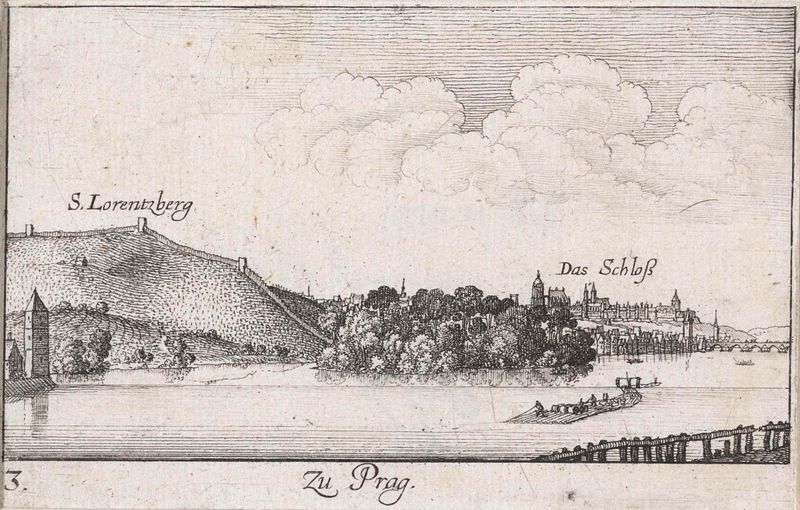
Gezicht op Praag vanaf de Moldau
Wenceslaus Hollar
More Portrait Art
Browse all →
Las meninas
Diego Velázquez

Self-portrait with a Bandaged Ear and Pipe
Unidentified artist

Girl with a Pearl Earring
Johannes Vermeer

The Sampling Officials of the Amsterdam Drapers’ Guild, Known as ‘The Syndics’
Rembrandt van Rijn

The Hundred Guilder Print: the man seen on the back in the lower left corner
Rembrandt van Rijn

Portrait of Dr Gachet
Vincent van Gogh